Dark spots, hyperpigmentation, and uneven skin tone are some of the most common skincare concerns, especially for those with combination or oily skin. Two powerhouse ingredients often recommended for brightening are niacinamide and vitamin C. But when you're standing in front of your skincare shelf, which one should you reach for?
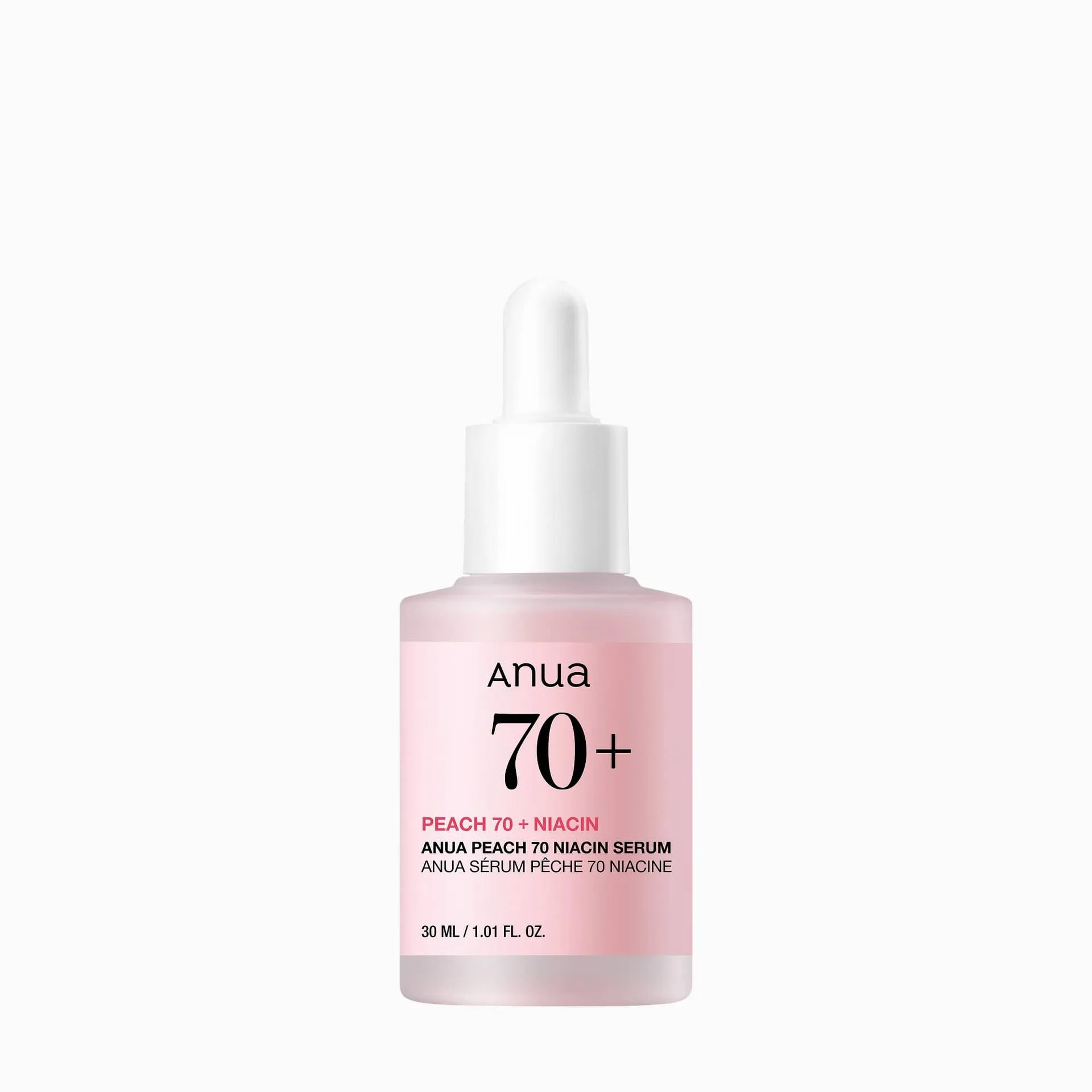
In this article, we compare the https://purebeautytools.store/products/peach-70-niacinamide-serum-51564Peach 70% Niacinamide Serum with classic vitamin C serums to help you decide which brightening serum works best for your dark spots. We'll break down how each ingredient works, their ideal skin types, and whether you can use them together for maximum glow.
How Niacinamide Fades Dark Spots
Niacinamide, also known as vitamin B3, is a multitasking ingredient that inhibits melanin transfer to the skin's surface. By blocking the pigment from reaching the upper layers, it gradually reduces the appearance of dark spots and prevents new ones from forming. Unlike some harsh brighteners, niacinamide is gentle and well-tolerated even by sensitive skin.
The Peach 70% Niacinamide Serum delivers a high concentration of this active ingredient, making it a potent option for stubborn hyperpigmentation. Its lightweight, fast-absorbing formula is ideal for layering under moisturizer or sunscreen. Many users report visible fading of sunspots and post-acne marks within four to six weeks of consistent use.
- Best for: oily, combination, and acne-prone skin types
- Key benefit: reduces inflammation while brightening
- Tip: start with a lower concentration if you're new to niacinamide
How Vitamin C Targets Dark Spots
Vitamin C, typically in the form of L-ascorbic acid, works as a powerful antioxidant that neutralizes free radicals and inhibits the enzyme tyrosinase, which is responsible for melanin production. It not only fades existing dark spots but also protects the skin from future UV-induced damage. However, vitamin C can be unstable and may cause irritation for those with sensitive skin.
Traditional vitamin C serums often require a low pH to remain effective, which can lead to stinging or redness. They also oxidize quickly when exposed to light and air. For these reasons, many users prefer niacinamide as a more stable and gentle alternative for long-term brightening.
- Best for: normal, dry, and resilient skin types
- Key benefit: antioxidant protection and collagen boost
- Tip: always use vitamin C in the morning and follow with sunscreen
Peach 70% Niacinamide Serum vs Vitamin C: Side-by-Side Comparison
To help you decide, here's a quick comparison of the Peach 70% Niacinamide Serum and a typical vitamin C serum. Both target dark spots but work through different mechanisms and suit different skin types.
The table below summarizes the key differences in formulation, stability, and ideal usage.
- Niacinamide: stable at all pH levels, non-irritating, can be used morning and night
- Vitamin C: best used in the morning, requires low pH, may cause tingling
- Peach 70% Niacinamide Serum: high concentration, lightweight, no irritation
Can You Use Niacinamide and Vitamin C Together?
A common myth suggests that niacinamide and vitamin C should never be used together because they cancel each other out. However, recent research shows that when formulated correctly, they can be safely layered. The key is to apply them at different times of day or wait a few minutes between applications.
If you want the benefits of both, consider using the Peach 70% Niacinamide Serum in your evening routine and a vitamin C serum in the morning. This approach gives you round-the-clock brightening without risking irritation. Always patch-test new combinations and listen to your skin's response.
- Morning: vitamin C → moisturizer → sunscreen
- Evening: cleanser → Peach 70% Niacinamide Serum → moisturizer
Which Brightening Serum Should You Choose?
If you have sensitive, oily, or acne-prone skin, the Peach 70% Niacinamide Serum is likely your best bet. Its high concentration of niacinamide delivers noticeable brightening without the sting or oxidation issues common with vitamin C. It also helps regulate sebum production and calm inflammation.
For those with resilient skin who want added antioxidant protection and collagen stimulation, a vitamin C serum can be a great addition to your morning routine. But if you're looking for a reliable, gentle, and effective dark spot serum that works day and night, niacinamide is the safer and often more sustainable choice.
- Choose Peach 70% Niacinamide Serum if: you want gentle, stable brightening for all skin types
- Choose vitamin C if: you have normal to dry skin and want antioxidant protection
Ultimately, both niacinamide and vitamin C have their place in a brightening routine. But for most skin types, especially those prone to sensitivity or breakouts, the Peach 70% Niacinamide Serum offers a superior balance of efficacy and comfort. Give it a try and see how your dark spots fade without the irritation.