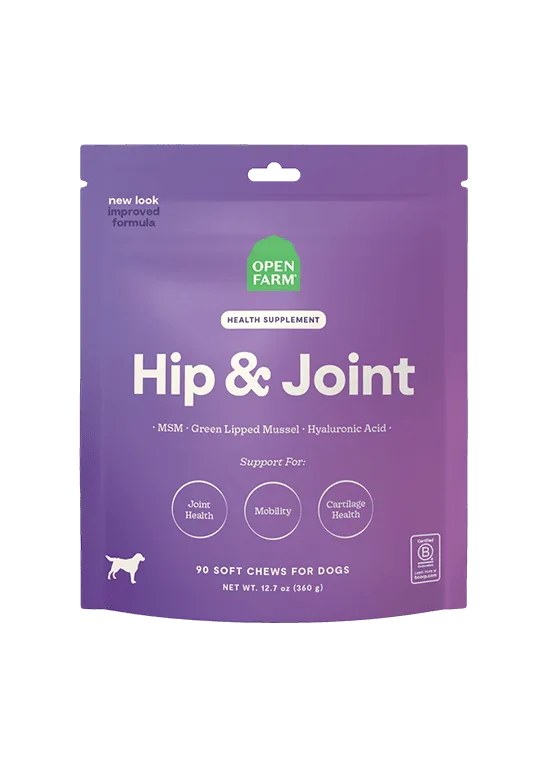
As a devoted pet parent, you want to give your dog everything they need to thrive. From a balanced diet to regular exercise, every choice matters. But when it comes to supplements, the options can feel overwhelming. Two of the most popular categories are probiotic chews for dogs and multi supplement for dogs. Both promise to support your dog's overall wellness, but they target different aspects of health. Understanding the difference is key to making the right choice for your furry friend.
In this guide, we'll break down what each type of supplement does, who benefits most from each, and how to decide between them. Whether your dog struggles with digestive issues or could use an extra boost for their joints and immune system, you'll leave with the clarity you need to choose confidently.
What Are Probiotic Chews for Dogs?
Probiotic chews for dogs are supplements designed to support your dog's gut health by introducing beneficial bacteria into their digestive system. A healthy gut microbiome is essential for proper digestion, nutrient absorption, and even immune function. When your dog's gut bacteria are out of balance—due to stress, dietary changes, or illness—they may experience symptoms like loose stools, gas, or a lack of appetite.
These chews typically contain strains like Lactobacillus acidophilus, Bifidobacterium animalis, and Enterococcus faecium. They come in tasty, chewable forms that dogs love. For pets with sensitive stomachs or those transitioning to new foods, probiotic chews can be a gentle yet effective solution. They are also helpful after a course of antibiotics, which can wipe out both good and bad bacteria.
- Look for multi-strain formulas with guaranteed live cultures for maximum efficacy.
- Probiotic chews are best given daily for ongoing digestive support.
What Is a Multi Supplement for Dogs?
A multi supplement for dogs is a comprehensive formula that addresses several areas of health at once. Think of it as an all-in-one wellness booster. These supplements often combine ingredients for joint support, immune health, skin and coat vitality, and sometimes digestive enzymes. They are designed for dogs who are generally healthy but could benefit from a little extra nutritional insurance.
Common ingredients in multi supplements include glucosamine and chondroitin for joints, omega-3 fatty acids for skin and coat, vitamins C and E for immunity, and sometimes probiotics or prebiotics for digestion. If your dog is active, aging, or simply deserves a holistic health boost, a multi supplement can be a convenient and effective choice.
- Multi supplements are ideal for dogs with no specific health issue but a need for overall support.
- Check the label to ensure the formula covers the areas most relevant to your dog's life stage.
Key Differences: Probiotic vs. Multi Supplement
The main difference between probiotic chews for dogs and multi supplement for dogs lies in their focus. Probiotic chews are specialized for digestive health. They work directly on the gut microbiome to improve digestion, regularity, and stool quality. Multi supplements, on the other hand, cast a wider net. They support multiple systems—joints, immunity, skin, and often digestion as well, but usually with less concentrated probiotic strains.
Another difference is the target audience. Probiotic chews are best for dogs with known digestive sensitivities, recent dietary changes, or a history of loose stools. Multi supplements are better suited for dogs that are generally healthy but could benefit from joint support, immune defense, and overall vitality. Some dogs may even benefit from taking both, but it's important to avoid over-supplementing.
- Probiotic chews = targeted gut health; Multi supplements = broad wellness coverage.
- Always consult your vet before combining supplements to avoid nutrient overlap.
When to Choose Probiotic Chews for Your Dog
If your dog frequently has soft stools, gas, or an upset stomach, probiotic chews for dogs are likely the right choice. They can also help during stressful events like boarding, travel, or introducing a new pet. Dogs on antibiotics or those with chronic digestive issues often see significant improvement with a daily probiotic.
For example, if your dog is a picky eater or has a sensitive stomach, you might pair a high-quality probiotic with a gentle diet. Many pet parents find that adding a probiotic chew helps their dog feel more comfortable and regular. Look for a product that lists specific strains and colony-forming units (CFUs) to ensure potency.
- Signs your dog may need probiotics: loose stools, gas, bloating, or post-antibiotic recovery.
- Choose a chew with at least 1 billion CFUs per serving for noticeable benefits.
When to Choose a Multi Supplement for Dogs
A multi supplement for dogs is an excellent choice for active dogs, senior pets, or those who need a little extra support in multiple areas. If your dog is getting older and showing signs of stiffness, a multi supplement with glucosamine and chondroitin can help maintain joint health. Similarly, if your dog has a dull coat or seems prone to seasonal allergies, the added vitamins and omega-3s can make a real difference.
For dogs that are already on a balanced diet, a multi supplement fills nutritional gaps without the need for multiple bottles. It's a convenient way to support your dog's immune system, joint function, and overall vitality. Many owners of working dogs, agility dogs, or simply energetic family pets find that a daily multi supplement keeps their dog feeling their best.
- Ideal for senior dogs, active breeds, or dogs with no specific health complaints.
- Look for a multi supplement that includes glucosamine, chondroitin, and omega-3s for comprehensive support.
Can You Use Both? Combining Probiotic and Multi Supplements
In some cases, your dog may benefit from both a probiotic chew and a multi supplement. For example, an older dog with joint stiffness and occasional digestive upset might need joint support and gut health support. However, it's important to check ingredients to avoid doubling up on certain nutrients, especially vitamins and minerals that can be toxic in high doses.
A good rule of thumb is to start with one supplement and see how your dog responds. If you feel your dog needs additional support, introduce the second product gradually. Always consult your veterinarian before adding any new supplement to your dog's routine, especially if your dog has underlying health conditions or is on medication.
- Start with one supplement, then add the second if needed after a few weeks.
- Your vet can help you create a safe, effective supplementation plan tailored to your dog.
What to Look for in a Quality Supplement
Whether you choose probiotic chews for dogs or a multi supplement for dogs, quality matters. Look for products made from high-quality, natural ingredients with no artificial flavors, colors, or preservatives. Transparency is key—brands that list specific strains, CFUs, and sourcing information are more trustworthy.
Also consider your dog's preferences. Some supplements come in soft chews, while others are tablets or powders. Soft chews are often more palatable and easier to give. Check for certifications like third-party testing or adherence to AAFCO guidelines. Your dog's health is worth investing in a reputable brand.
- Choose supplements with natural ingredients and no fillers like corn, wheat, or soy.
- Look for a brand that prioritizes sustainability and ethical sourcing.
Deciding between probiotic chews for dogs and a multi supplement for dogs comes down to your dog's individual needs. If digestive health is your primary concern, probiotics are the way to go. If you want broad support for joints, immunity, and overall wellness, a multi supplement is a smart choice. For many dogs, a combination of both can provide comprehensive care. Explore our range of high-quality dog supplements to find the perfect fit for your furry companion.