Delicate sneakers—think mesh uppers, suede panels, or knit constructions—require careful cleaning to avoid damage. With so many cleaning options available, sneaker enthusiasts often debate between convenient quick wipes and homemade DIY shoe cleaners. Which one is truly safer for your prized footwear? This article compares both methods, focusing on material safety, effectiveness, and long-term care, so you can keep your sneakers looking fresh without compromising their integrity.
We'll explore how each cleaning approach interacts with common delicate materials, evaluate their chemical compositions, and provide practical tips for everyday maintenance. Whether you're a collector or daily wearer, understanding these differences will help you make an informed choice for your shoe care routine.
Understanding Delicate Sneaker Materials
Delicate sneakers often feature materials like premium mesh, suede, nubuck, leather, and synthetic knits. Each material has unique cleaning requirements. For instance, mesh can be easily stretched or torn if scrubbed too aggressively, while suede is prone to water stains and color loss when exposed to harsh chemicals. Leather requires gentle pH-balanced cleaners to prevent cracking, and knits may pill or lose elasticity with abrasive treatments.
The key to safe cleaning is using products that are specifically formulated for these materials. Quick wipes are designed with pre-moistened, non-abrasive solutions that target dirt without soaking the material. DIY cleaners, on the other hand, often rely on household ingredients like vinegar, baking soda, or dish soap, which can be too acidic or alkaline for sensitive surfaces. Understanding these nuances helps you choose the right tool for the job.
- Mesh: Avoid excessive moisture and harsh scrubbing to prevent stretching.
- Suede: Use a dry brush or specialized cleaner; water-based solutions can cause permanent damage.
- Leather: Stick to pH-neutral cleaners to maintain natural oils and finish.
- Knit: Gentle spot cleaning is best; avoid machine washing or soaking.
Quick Wipes: Convenience and Safety for Everyday Use
Quick wipes, such as the Xpand Quick Wipes, offer a hassle-free solution for on-the-go cleaning. These wipes are pre-saturated with a gentle, non-toxic formula that effectively lifts dirt, grime, and scuff marks without soaking the shoe. They are ideal for quick touch-ups after a day out or before storing your sneakers. The controlled moisture ensures that delicate materials don't become waterlogged, reducing the risk of warping or discoloration.
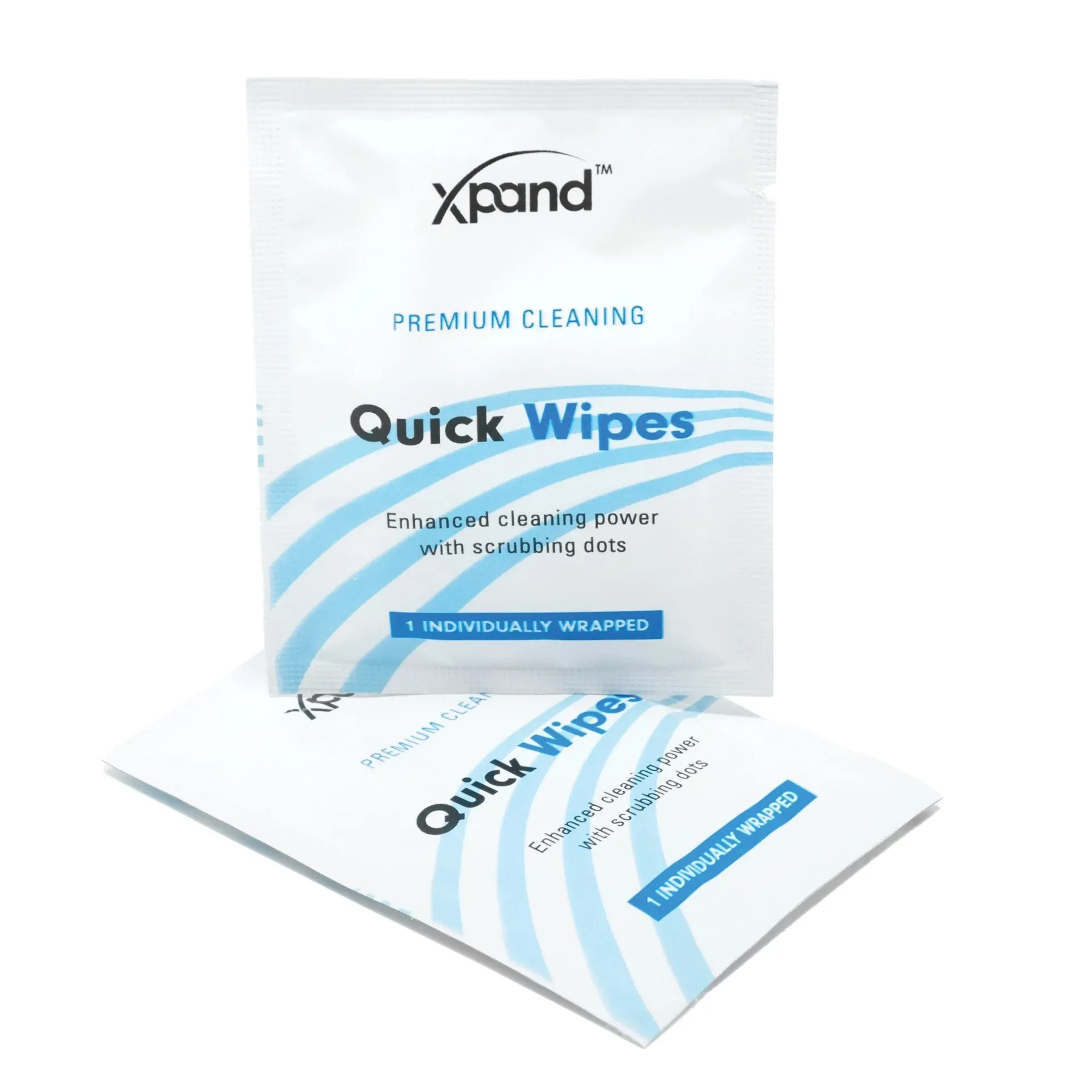
Xpand Quick Wipes
For sneaker enthusiasts who prioritize convenience without sacrificing safety, quick wipes are a reliable choice. They are especially useful for cleaning white soles, mesh panels, and leather accents. Because the formula is pre-tested for compatibility with common shoe materials, you can use them confidently without worrying about chemical reactions. However, for heavy stains or deep cleaning, they may not be as effective as a thorough DIY solution.
- Best for: quick touch-ups, light dirt, and post-wear maintenance.
- Avoid: using on heavily soiled or stained areas; pre-treat stubborn spots first.
- Tip: always test on an inconspicuous area before full application.
DIY Shoe Cleaners: Customizable but Risky
DIY shoe cleaners typically combine household ingredients like white vinegar, baking soda, dish soap, and water. These mixtures can be effective at removing tough stains and odors, but they come with risks. Vinegar is acidic and can strip dyes from colored fabrics or cause suede to stiffen. Baking soda is abrasive and may scratch smooth surfaces like patent leather or glossy finishes. Dish soap often contains degreasers that can dry out leather or leave a residue.
While DIY solutions are cost-effective and allow for customization, they require careful formulation and testing. For delicate sneakers, a misstep can lead to irreversible damage. For example, a paste of baking soda and water might remove a scuff from a rubber sole but could dull a matte finish on suede. If you choose the DIY route, always dilute ingredients properly and spot-test on a hidden area first.
- Common DIY recipes: 1 part vinegar to 2 parts water for general cleaning; baking soda paste for scuffs.
- Risks: color fading, material stiffening, residue buildup, and potential water damage.
- Tip: avoid using DIY cleaners on suede, nubuck, or delicate knits; stick to specialized products.
Effectiveness Comparison: Quick Wipes vs. DIY Cleaners
When it comes to effectiveness, both methods have their strengths. Quick wipes excel at removing surface-level dirt, dust, and light scuffs quickly and evenly. They are particularly effective on non-porous materials like rubber soles and smooth leather. DIY cleaners, on the other hand, can tackle stubborn stains like grass, mud, or oil with more aggressive ingredients. However, this strength comes with higher risk of damaging delicate materials.
For everyday maintenance, quick wipes are generally safer and more consistent. They provide a uniform application and don't require mixing or measuring. DIY solutions can be tailored to specific stains but demand expertise. A study by sneaker care experts found that repeated use of acidic DIY cleaners on mesh and knit materials led to a 20% reduction in tensile strength over six months, while quick wipes showed no significant degradation. This data highlights the importance of choosing the right method for your sneakers.
- Quick wipes: best for regular light cleaning; safe for most materials.
- DIY cleaners: effective for tough stains but risky for delicate surfaces.
- Recommendation: use quick wipes for daily care and reserve DIY methods for occasional deep cleaning on durable materials.
Long-Term Care and Material Preservation
Preserving the lifespan of your sneakers involves more than just cleaning—it's about preventing damage. Quick wipes are designed to be gentle, so they don't strip protective coatings or wear down fibers. They also leave minimal residue, which can attract dirt if not rinsed properly. DIY cleaners, especially those with high pH levels, can degrade adhesives and cause delamination of soles over time.
For delicate sneakers, consistency is key. Using a safe, reliable product like quick wipes regularly can reduce the need for harsh deep cleaning. Additionally, proper storage and rotation of sneakers help maintain their shape and material integrity. If you own multiple pairs, consider investing in a dedicated cleaning kit that includes gentle wipes and a soft brush. This approach balances convenience with long-term care, ensuring your sneakers stay pristine for years.
- Store sneakers in a cool, dry place away from direct sunlight to prevent fading.
- Use shoe trees to maintain shape and absorb moisture.
- Rotate your sneakers to reduce wear and allow materials to recover.
Choosing between quick wipes and DIY shoe cleaners ultimately depends on your sneakers' materials and your cleaning needs. For delicate fabrics like mesh, suede, and knit, quick wipes offer a safer, more convenient option for everyday maintenance. They provide consistent results without the risks associated with homemade solutions. To keep your sneakers looking their best, try the Xpand Quick Wipes for a quick, gentle clean that preserves your footwear's quality and extends its life.