Keeping your shoes clean is a daily battle, especially if you wear them for work, workouts, or casual outings. You might be torn between the convenience of shoe cleaning wipes and the deep-clean power of liquid cleaners. Both have their fans, but which one truly wins for everyday use? In this guide, we break down the pros and cons of quick wipes versus traditional shoe cleaners, so you can make the best choice for your footwear and lifestyle.
Whether you're a sneakerhead who needs to maintain pristine white soles or a busy parent looking for a quick fix after muddy walks, understanding the differences in effectiveness, material safety, and cost will help you decide. We'll also highlight some essential accessories from Xpand Laces that can complement your cleaning routine and keep your shoes looking their best.
The Case for Quick Wipes: Instant Clean on the Go
Quick wipes are pre-moistened, disposable cloths designed for spot cleaning. They excel at removing light dirt, scuffs, and surface stains from sneakers, leather, and synthetic materials. Their biggest advantage is convenience: you can toss a pack in your gym bag, car, or office drawer and clean your shoes in seconds without water or drying time. For daily touch-ups, they are hard to beat.
However, wipes have limitations. They rarely penetrate deep into the fabric or remove stubborn grime like mud or oil. They also tend to dry out quickly if the pack is left open, and they generate more waste than reusable methods. For heavy-duty cleaning, you'll need something stronger.
- Best for: quick scuff removal, post-gym freshening, and travel use.
- Tip: Look for wipes labeled as safe for your shoe material to avoid discoloration.
Traditional Shoe Cleaners: Deep Clean Power
Liquid or foam shoe cleaners, applied with a brush or cloth, offer a thorough clean. They lift dirt from the pores of the material, remove odors, and can restore the original color of your shoes. Many are concentrated, so a small bottle lasts for dozens of uses. For weekly deep cleans or tackling tough stains, they are more effective than wipes.
The downsides include the need for water, a brush, and drying time—usually several hours. They are less portable and require more effort. If you only clean your shoes once a week, a liquid cleaner might be overkill for daily maintenance.
- Best for: weekly deep cleaning, removing set-in stains, and reviving dull materials.
- Tip: Use a soft-bristle brush to avoid scratching delicate leather or mesh.
Material Safety: Which Method Is Gentler on Your Shoes?
Both methods can be safe if used correctly, but quick wipes often contain alcohol or solvents that may strip protective coatings or dry out leather over time. Traditional cleaners formulated for specific materials (e.g., suede, canvas, leather) are usually gentler and can condition the material. Always test any cleaner on a hidden area first.
For high-end sneakers or leather shoes, a dedicated cleaner is recommended. For everyday sneakers and athletic shoes, wipes are fine as long as you follow the instructions. Using the wrong product can cause fading, cracking, or loss of water resistance.
- Wipes: Quick but potentially harsh on sensitive materials.
- Liquid cleaners: More versatile and often include conditioners.
Cost and Environmental Impact
Quick wipes are inexpensive per pack but add up over time, especially if you use them daily. They also generate plastic waste. Traditional cleaners cost more upfront but last longer, and many brands offer refills or biodegradable options. If sustainability matters to you, liquid cleaners with reusable applicators are the greener choice.
That said, convenience has value. For people who rarely deep-clean, wipes may be the more practical—and even more eco-friendly if they prevent premature shoe replacement by keeping them clean.
- Wipes: Lower upfront cost, higher waste.
- Liquid cleaners: Higher upfront cost, lower waste, longer lifespan.
When to Use Each Method: A Practical Guide
For daily use, start with quick wipes for spot cleaning after each wear. Reserve traditional cleaners for a weekly or bi-weekly deep clean. This hybrid approach maximizes convenience while preserving your shoes' longevity. It also saves you time: you won't need to deep-clean as often if you maintain with wipes.
If you're a runner or athlete, you might prefer wipes for post-run freshness and a deeper clean on weekends. For dress shoes, stick to liquid cleaners to protect the leather. The key is matching the method to your shoe type and usage frequency.
- Daily: Wipes for scuffs and light dirt.
- Weekly: Liquid cleaner for a thorough refresh.
- Special care: Use dedicated products for suede, leather, or mesh.
Complement Your Cleaning Routine with the Right Accessories
Keeping your shoes clean is only half the battle. The right accessories can also protect your footwear and make daily care easier. For example, using a quick-release lacing system reduces wear on your laces and makes cleaning the tongue and eyelets simpler. You can easily replace lace ends when they fray, ensuring your no-tie laces stay functional.
Another often-overlooked helper is a belt loop accessory for keeping your pants or shorts tidy—especially if you're wearing sneakers with a belt. Small details like these streamline your routine and keep your entire outfit looking sharp.
- Consider adding a quick-release lacing system for easier shoe care.
- Replace worn lace ends to maintain a clean look.
Ultimately, the best shoe cleaner for daily use depends on your lifestyle and priorities. Quick wipes win on convenience and speed, while traditional cleaners offer superior deep-cleaning power. For most people, a combination of both gives the best results. To make your shoe care even easier, explore Xpand Laces' range of accessories—like the Quick-Release Lacing System Lace Ends—that keep your footwear functional and fresh. Visit the store today and upgrade your daily routine.
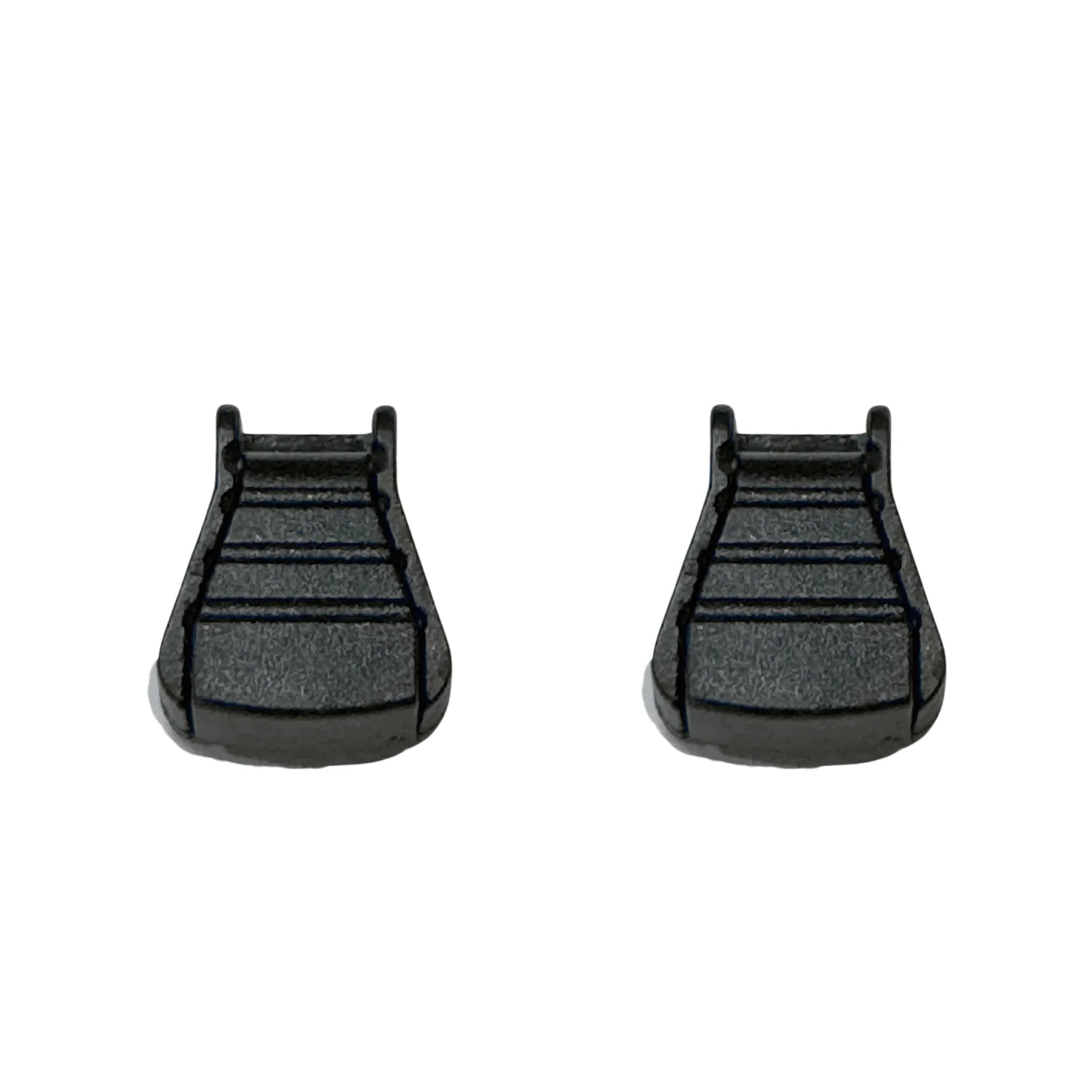
Quick-Release Lacing System Lace Ends