When it comes to Asian noodles, three varieties dominate the global stage: ramen, udon, and soba. Each offers a unique texture, flavor, and culinary tradition that can transform a simple bowl into a memorable meal. Whether you're a noodle novice or a seasoned slurper, understanding the differences between these noodle types is essential for choosing the right one for your dish and cooking it to perfection.
In this guide, we'll break down the key characteristics of ramen vs udon vs soba, explore their ingredients and textures, and provide practical cooking tips for each. By the end, you'll know exactly which noodle to reach for next time you're craving a comforting bowl.
What Are Ramen Noodles?
Ramen noodles are thin, wheat-based noodles that are alkaline in nature, thanks to an ingredient called kansui (alkaline mineral water). This gives ramen its distinctive springy, chewy texture and slightly yellowish hue. Ramen is most commonly associated with rich, savory broths like tonkotsu, shoyu, or miso, but it can also be served in lighter soups or even cold dishes like tsukemen (dipping noodles).
Ramen noodles come in various thicknesses and shapes, from straight to wavy. The wavy style is especially popular because it clings to broth and toppings. When cooking ramen, the key is to boil it quickly—usually 3 to 4 minutes—and rinse it briefly under cold water if you're using it in a cold dish. For a hearty, satisfying meal, ramen is hard to beat.
- Ramen noodles are made from wheat flour, water, salt, and kansui.
- They have a springy, chewy texture and a slightly yellow color.
- Best for rich broths, stir-fries, and cold noodle dishes.
What Are Udon Noodles?
Udon noodles are thick, chewy, and made from wheat flour, water, and salt. Unlike ramen, they do not contain kansui, so they have a softer, more neutral flavor and a white or off-white color. Udon is beloved for its satisfying, bouncy texture that holds up well in hearty broths, stir-fries, and even hot pot dishes.
Udon comes in several thicknesses, from thin (kishimen) to extra-thick (sanuki udon). Cooking udon requires a gentle boil for 8 to 12 minutes, depending on thickness. Fresh udon cooks faster, while dried or frozen varieties need a bit more time. The secret to perfect udon is not to overcook it—you want it tender but still firm to the bite. Udon is a fantastic canvas for simple dashi-based broths or bold curry sauces.
- Udon noodles are thick, chewy, and made from wheat flour, water, and salt.
- They have a mild, neutral flavor that absorbs broth well.
- Perfect for hot soups, stir-fries, and cold dipping sauces.
What Are Soba Noodles?
Soba noodles are thin, delicate noodles made primarily from buckwheat flour. Their earthy, nutty flavor sets them apart from wheat-based noodles. Soba is a staple of Japanese cuisine, often served chilled with a dipping sauce (zaru soba) or in a hot broth. Because buckwheat is gluten-free, soba offers a lighter, more nutritious option that's rich in fiber and protein.
Soba noodles are typically thinner than ramen and udon, and they cook quickly—usually 4 to 6 minutes. The key to cooking soba is to boil them gently and rinse them thoroughly under cold water to remove excess starch and prevent clumping. This step is especially important for cold soba dishes. Soba pairs beautifully with light broths, vegetables, and seafood, making it a versatile choice for health-conscious noodle lovers.
- Soba noodles are made from buckwheat flour and have an earthy, nutty flavor.
- They are thin, delicate, and cook quickly (4–6 minutes).
- Excellent for cold dipping dishes or light hot broths.
Ramen vs Udon vs Soba: A Side-by-Side Comparison
To help you decide which noodle to use, here's a quick comparison of the three types based on key factors.
- Ingredients: Ramen uses wheat flour and kansui; udon uses wheat flour, water, and salt; soba uses buckwheat flour (often with some wheat).
- Texture: Ramen is springy and chewy; udon is thick and bouncy; soba is tender and slightly firm.
- Flavor: Ramen has a mild, slightly alkaline taste; udon is neutral; soba is earthy and nutty.
- Cooking time: Ramen 3–4 minutes; udon 8–12 minutes; soba 4–6 minutes.
- Best uses: Ramen for rich broths; udon for hearty soups and stir-fries; soba for light broths and cold dishes.
How to Cook Each Noodle Type Perfectly
Cooking ramen correctly is all about timing. Bring a large pot of water to a rolling boil, add the noodles, and stir immediately to prevent sticking. Cook for 3 to 4 minutes (or according to package instructions), then drain and rinse with cold water if you're using them in a cold dish. For hot ramen, you can skip the rinse and add the noodles directly to the broth.
Udon requires a bit more patience. Boil the noodles in plenty of water for 8 to 12 minutes, stirring occasionally. Test for doneness by tasting—they should be tender but still chewy. Drain and rinse with cold water if you're serving them cold, or add them directly to hot soup. For stir-fried udon, it's best to cook them al dente and then toss them in a hot wok.
Soba noodles are the most delicate. Boil them in generously salted water for 4 to 6 minutes, then drain and immediately rinse under cold running water to stop the cooking process and remove excess starch. This step is crucial for cold soba dishes. For hot soba, you can skip the rinse, but be sure to add the noodles to the broth just before serving to avoid overcooking.
- Always use a large pot of boiling water to prevent clumping.
- Stir noodles immediately after adding to water.
- Rinse with cold water for cold dishes; skip rinse for hot soups.
Choosing the Right Noodle for Your Dish
The noodle you choose can make or break your dish. For a rich, indulgent bowl of tonkotsu ramen, stick with classic ramen noodles. Their chewy texture and ability to absorb broth make them the perfect match. If you're in the mood for a light, refreshing meal, go for soba noodles with a simple dipping sauce or a delicate dashi broth.
Udon is your go-to for comfort food—think hearty beef udon, curry udon, or a simple bowl of kake udon. Its thick, satisfying texture is perfect for cold weather. For a fun twist, you can also experiment with ramen in stir-fries or soba in salads. And don't forget that you can always customize your noodle experience with toppings like soft-boiled eggs, sliced pork, nori, or green onions.
- Ramen: best for rich, savory broths and stir-fries.
- Udon: ideal for hearty soups, curries, and hot pot.
- Soba: perfect for light broths, cold dipping, and salads.
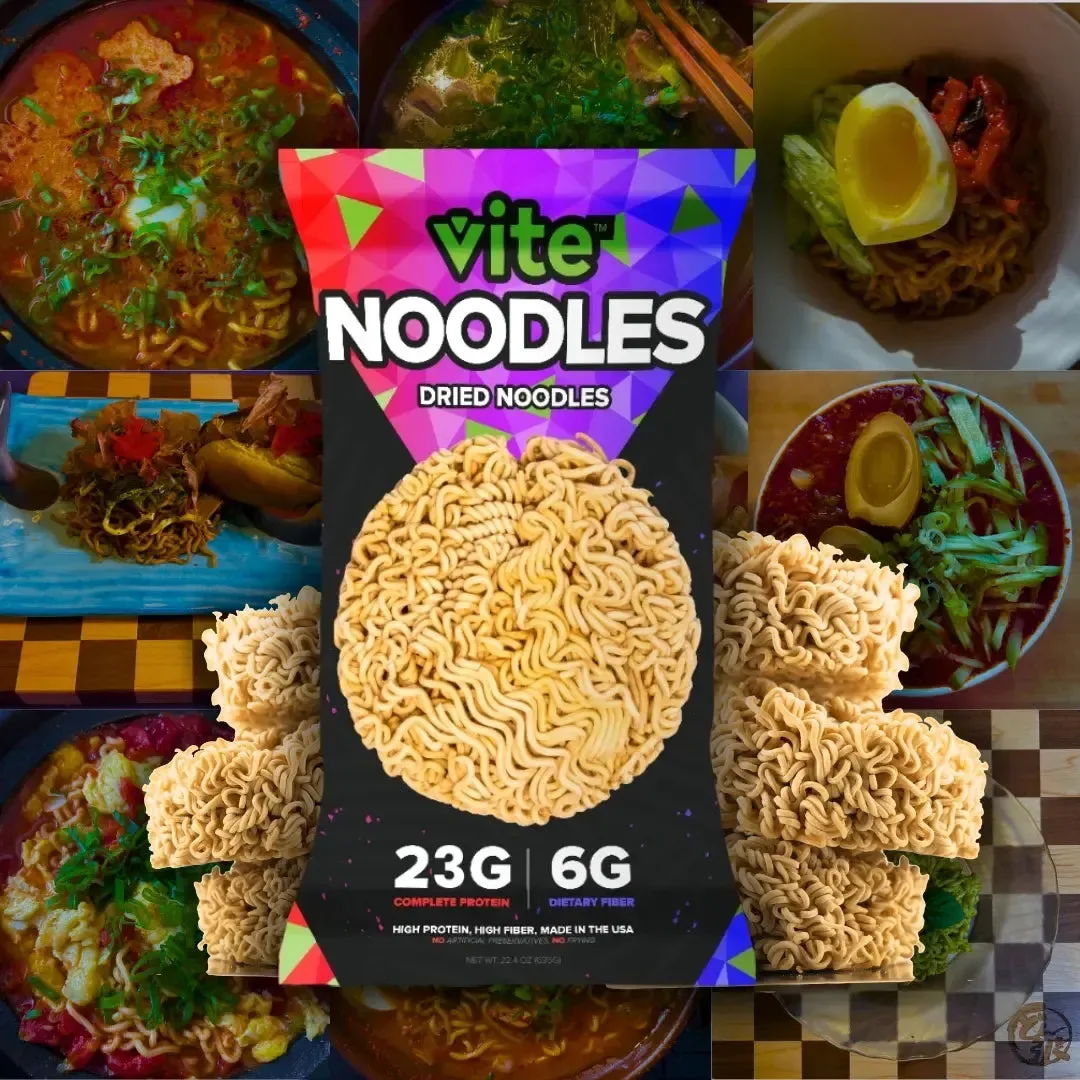
Whether you're a ramen devotee, an udon enthusiast, or a soba lover, each noodle type offers a unique experience that can elevate your home cooking. By understanding their differences and mastering simple cooking techniques, you can create delicious, authentic bowls right in your own kitchen. Ready to explore premium noodle options? Check out the Vite Ramen Variety v3.1 for a curated selection of flavors that make every meal an adventure.
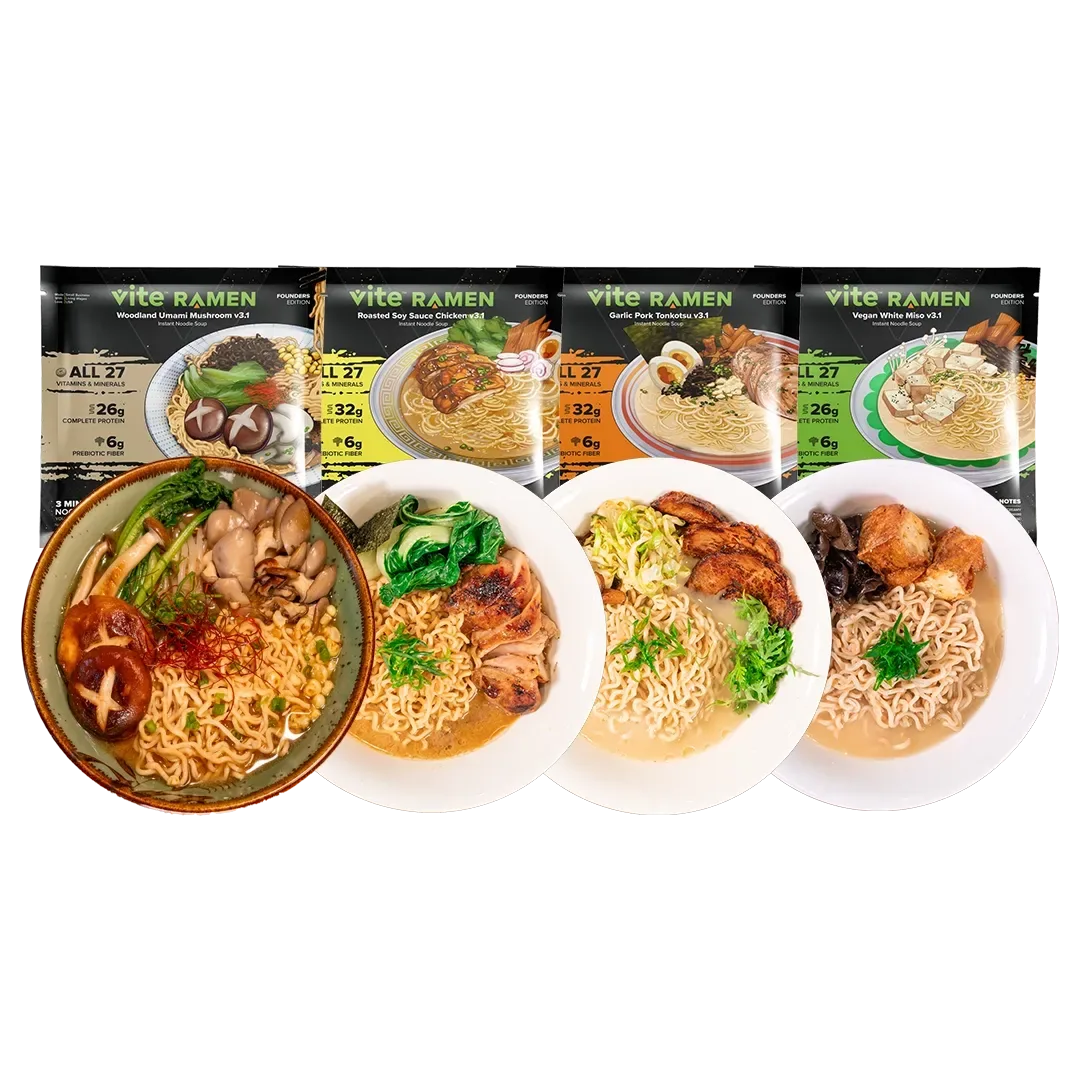
Vite Ramen Variety v3.1