When it comes to fighting wrinkles, two ingredients dominate the conversation: retinol and collagen. Both are celebrated for their anti-aging properties, but they work in fundamentally different ways. If you're wondering which is better for your skin—or if you should use both—this guide breaks down the science, benefits, and real-world results of retinol vs collagen.
Understanding the Difference: Retinol vs Collagen
Retinol is a vitamin A derivative that speeds up cell turnover and stimulates collagen production. Collagen, on the other hand, is a structural protein naturally found in your skin that provides firmness and elasticity. While retinol helps your skin make more collagen, collagen-based skincare products aim to deliver collagen (or its precursors) directly to the skin. The debate of retinol vs collagen isn't about choosing one over the other—it's about understanding how they complement each other.
How Retinol Works for Wrinkles
Retinol is considered the gold standard for anti-aging by dermatologists. It works by binding to retinoic acid receptors in the skin, which triggers a cascade of cellular activity: increased cell turnover, reduced fine lines, and boosted collagen and elastin production. Clinical studies show that consistent retinol use can significantly reduce the appearance of wrinkles, hyperpigmentation, and uneven texture over 8–12 weeks.
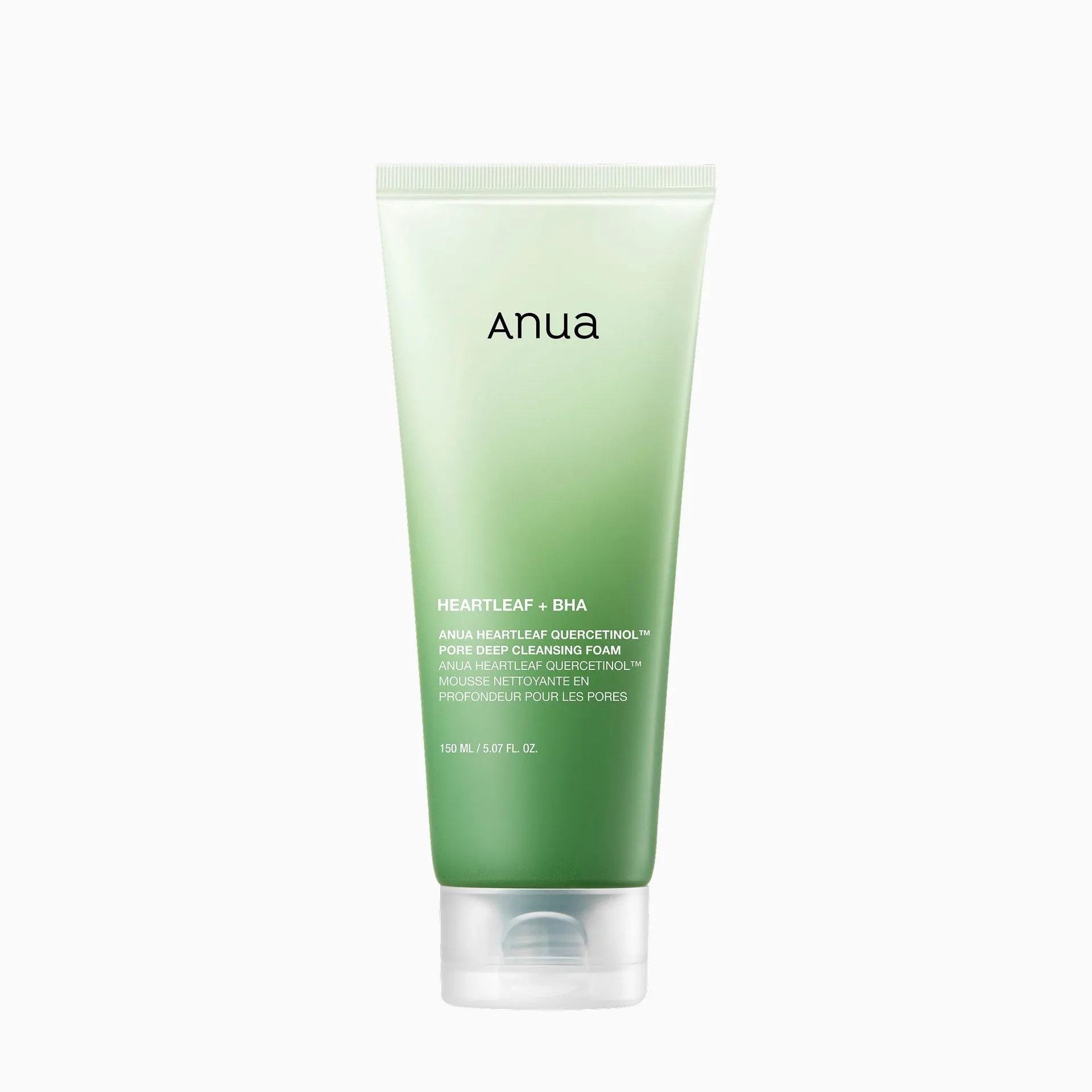
However, retinol can be irritating, especially for sensitive skin. It often causes dryness, peeling, and redness during the adjustment period (the "retinization" phase). That's why many Korean skincare enthusiasts pair retinol with soothing, hydrating ingredients like heartleaf extract. For example, after using a gentle cleanser like Heartleaf Pore Control Cleansing Oil to remove makeup and impurities, you can apply retinol at night, then follow with a barrier-repairing moisturizer.
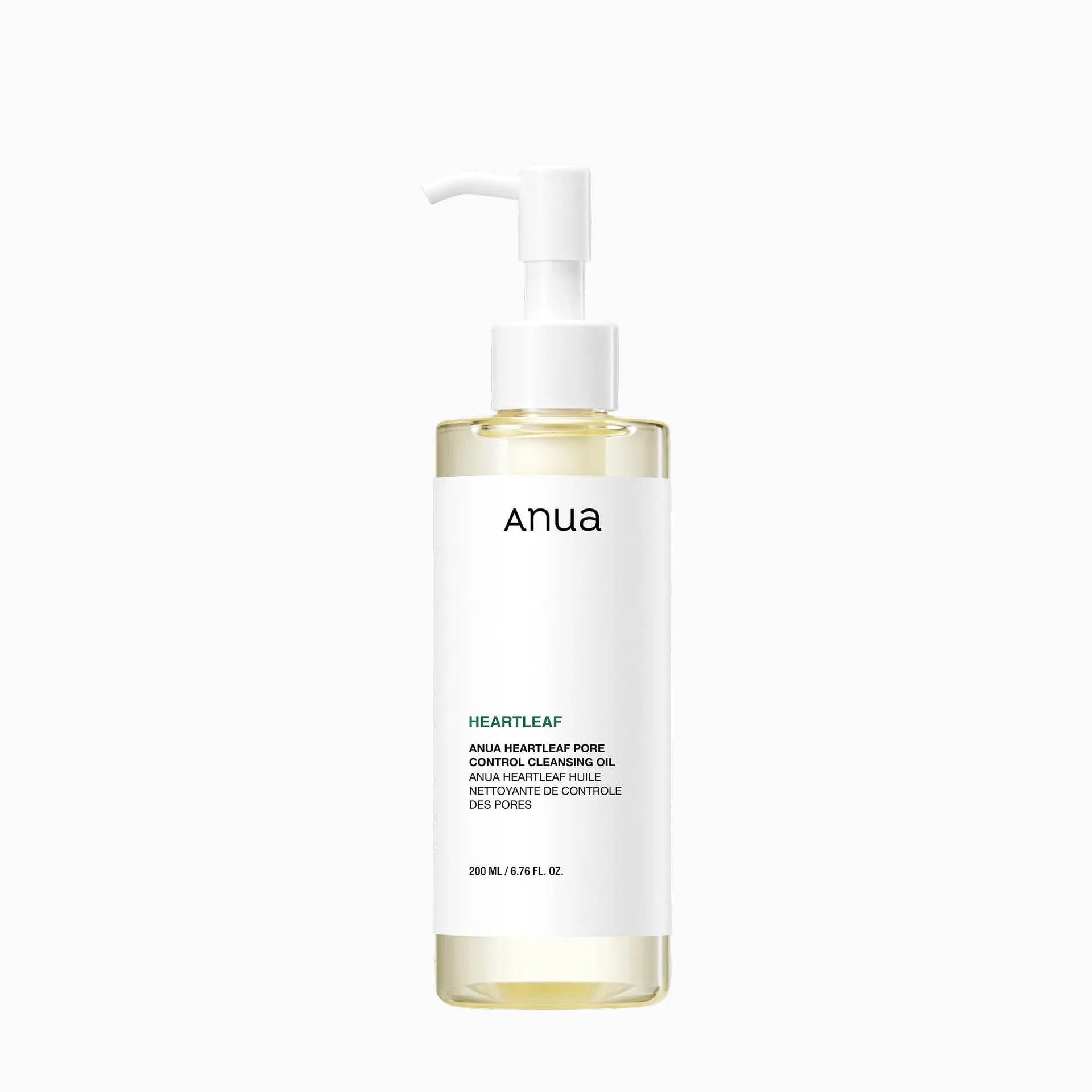
Heartleaf Pore Control Cleansing Oil
How Collagen Works for Wrinkles
Collagen is the most abundant protein in your body, but production declines by about 1% per year after age 20. Collagen in skincare—whether in creams, serums, or patches—aims to replenish what's lost. However, collagen molecules are too large to penetrate deeply into the skin when applied topically. Instead, hydrolyzed collagen (broken into smaller peptides) can help support the skin's own collagen production and improve hydration, plumpness, and elasticity.
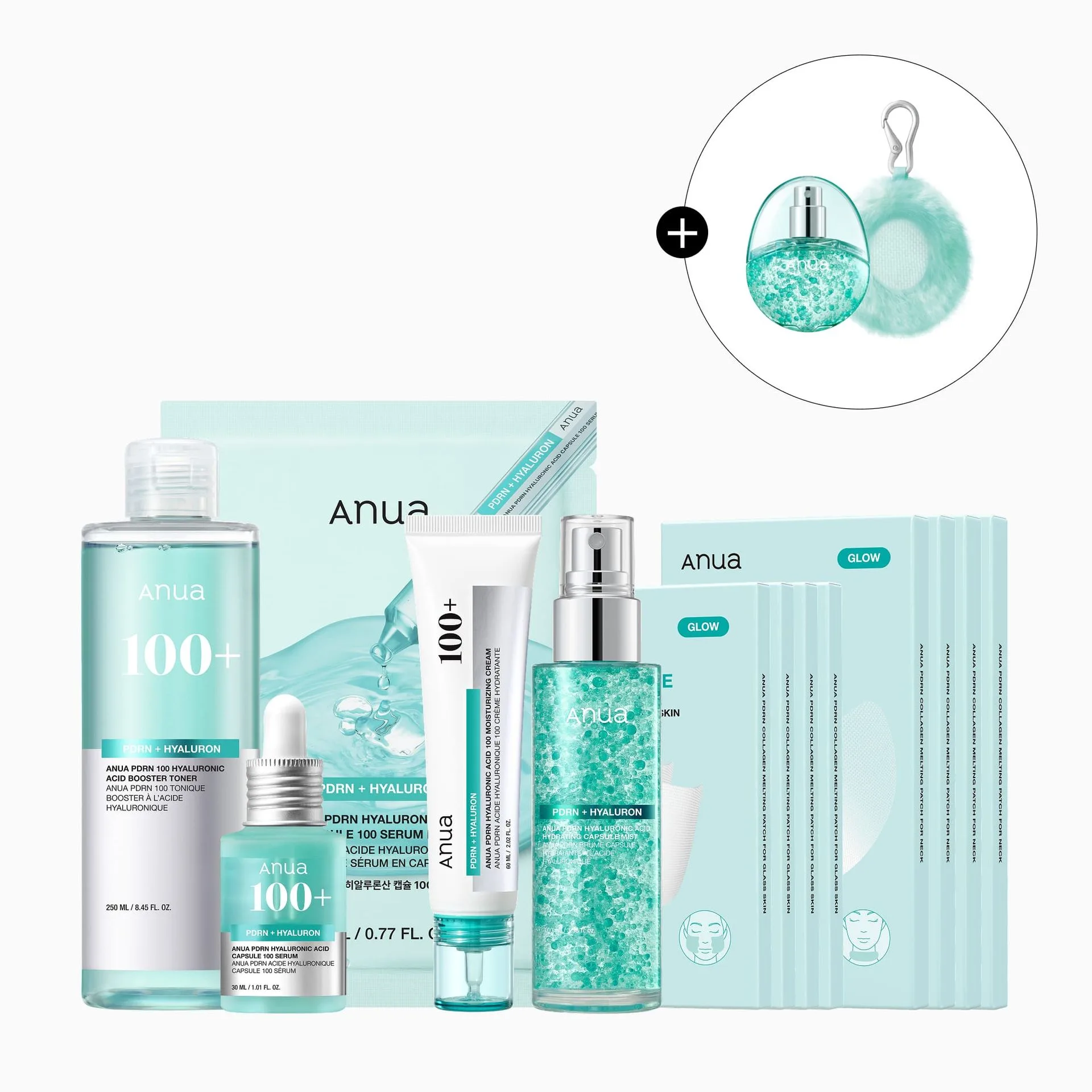
Many K-beauty enthusiasts now turn to PDRN (polydeoxyribonucleotide), a collagen-boosting ingredient derived from salmon DNA, which is even more effective at stimulating collagen synthesis. Products like PDRN Hyaluronic Acid 100 Moisturizing Cream combine PDRN with hyaluronic acid to deeply hydrate and firm the skin, making it an excellent collagen-supporting moisturizer.
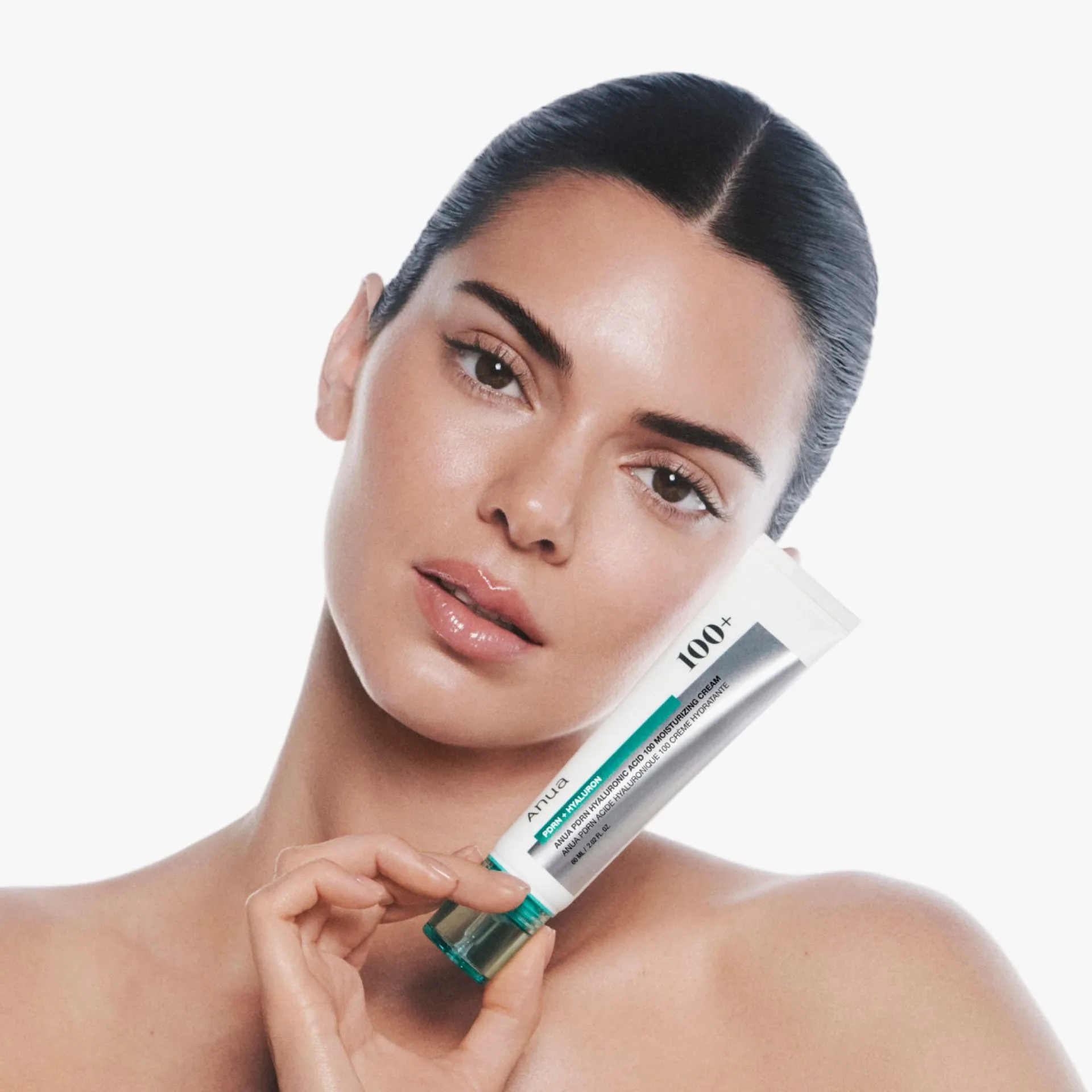
PDRN Hyaluronic Acid 100 Moisturizing Cream
Retinol vs Collagen: Key Comparison Table
Factor
Retinol
Collagen (Topical)
Primary Mechanism
Stimulates cellular turnover and collagen production
Provides hydration and supports skin structure (via peptides)
Speed of Results
Visible in 8–12 weeks
Immediate plumping effect; long-term benefits in 4–8 weeks
Suitable for Sensitive Skin
Often irritating; requires gradual introduction
Very gentle; nearly universal
Anti-Wrinkle Efficacy
Strong (stimulates collagen synthesis)
Moderate (hydration and structural support)
Best Used
Nighttime, after cleansing, before moisturizer
Day or night, alone or layered
Which Ingredient Is Best for Your Skin Type?
Retinol for Oily and Aging Skin
If you have oily or combination skin with visible fine lines, retinol is your best bet. It helps unclog pores, reduce acne, and smooth wrinkles. Start with a low concentration (0.25%–0.3%) twice a week, then gradually increase. Always use sunscreen in the morning because retinol increases photosensitivity.
Collagen for Dry, Sensitive, or Mature Skin
Collagen-based products are ideal for dry or sensitive skin because they're non-irritating and deeply hydrating. For mature skin (over 50), collagen can help restore a more plump, youthful appearance without the risk of irritation. Look for products with hydrolyzed collagen or collagen peptides. For an extra boost, try a targeted patch like PDRN Collagen Melting Patch For Neck 4ea to address sagging and fine lines on the neck area.
How to Combine Retinol and Collagen for Maximum Results
You don't have to choose between retinol vs collagen—many dermatologists recommend using both in a complementary routine. Here's a sample nighttime routine that layers them effectively:
- Double cleanse with an oil-based cleanser (like Heartleaf Pore Control Cleansing Oil) followed by a water-based foam cleanser.
- Apply retinol (wait 20 minutes after cleansing to reduce irritation).
- Layer a collagen-supporting serum or moisturizer on top. For example, a PDRN-rich moisturizer such as PDRN Hyaluronic Acid 100 Moisturizing Cream can help repair the skin barrier and boost collagen synthesis.
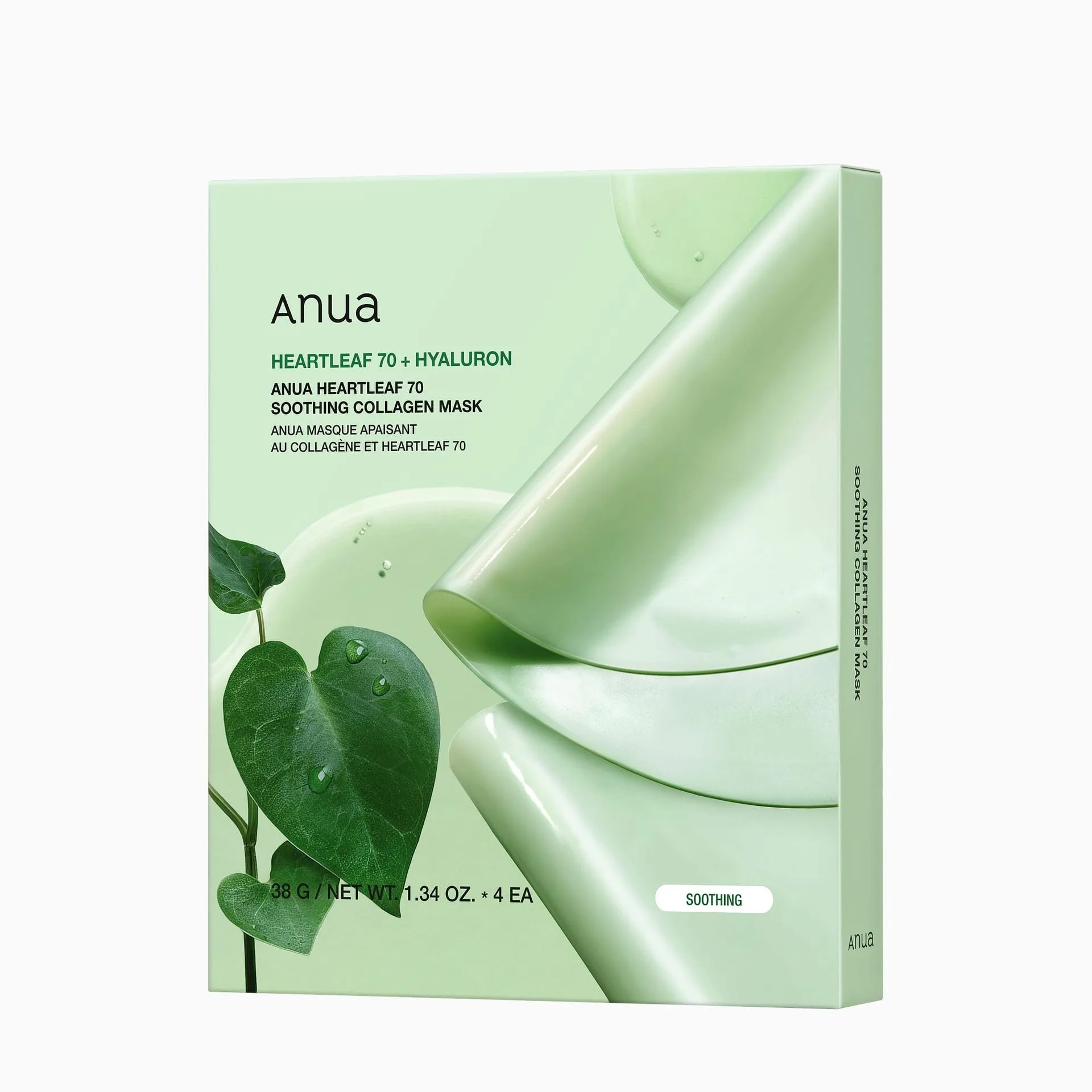
- Finish with a sleeping mask or sheet mask if your skin feels dry. Collagen sheet masks can provide an extra hydration boost.
By combining retinol's powerful turnover effects with collagen's hydrating and structural support, you address wrinkles from multiple angles—stimulating new collagen while protecting and plumping existing skin.
Common Myths About Retinol and Collagen
- Myth: Retinol thins the skin. Truth: Retinol actually thickens the deeper layers of skin (dermis) by boosting collagen. It may temporarily thin the outer layer (epidermis) during the adjustment phase, but this normalizes.
- Myth: Collagen creams can replace lost collagen. Truth: Topical collagen doesn't penetrate deeply enough to replace lost collagen, but it can improve hydration and support the skin's own collagen production via peptides.
- Myth: You can't use retinol with AHAs or vitamin C. Truth: You can, but not in the same routine. Use retinol at night and AHAs or vitamin C in the morning, with sunscreen.
Which One Should You Choose?
If you're new to anti-aging skincare, start with a gentle retinol product (0.25% or lower) to stimulate collagen production. If your skin is sensitive or you prefer a non-irritating option, opt for collagen-supporting ingredients like PDRN and hyaluronic acid. For the best of both worlds, consider a curated bundle that includes both a retinol-based serum and a collagen-boosting moisturizer. The Daily PDRN Essential Duo is an excellent choice if you want to incorporate PDRN's collagen-boosting benefits without irritation, while still leaving room to add a retinol serum later.
Final Verdict: Retinol vs Collagen
Neither ingredient is "better"—they work synergistically. Retinol is the heavy lifter for stimulating collagen production and reducing wrinkles, while collagen-based products provide hydration, plumpness, and barrier support. For the most dramatic anti-aging results, use both in a well-planned routine. Just remember: consistency is key, and always use SPF during the day.
Explore More Anti-Aging Solutions
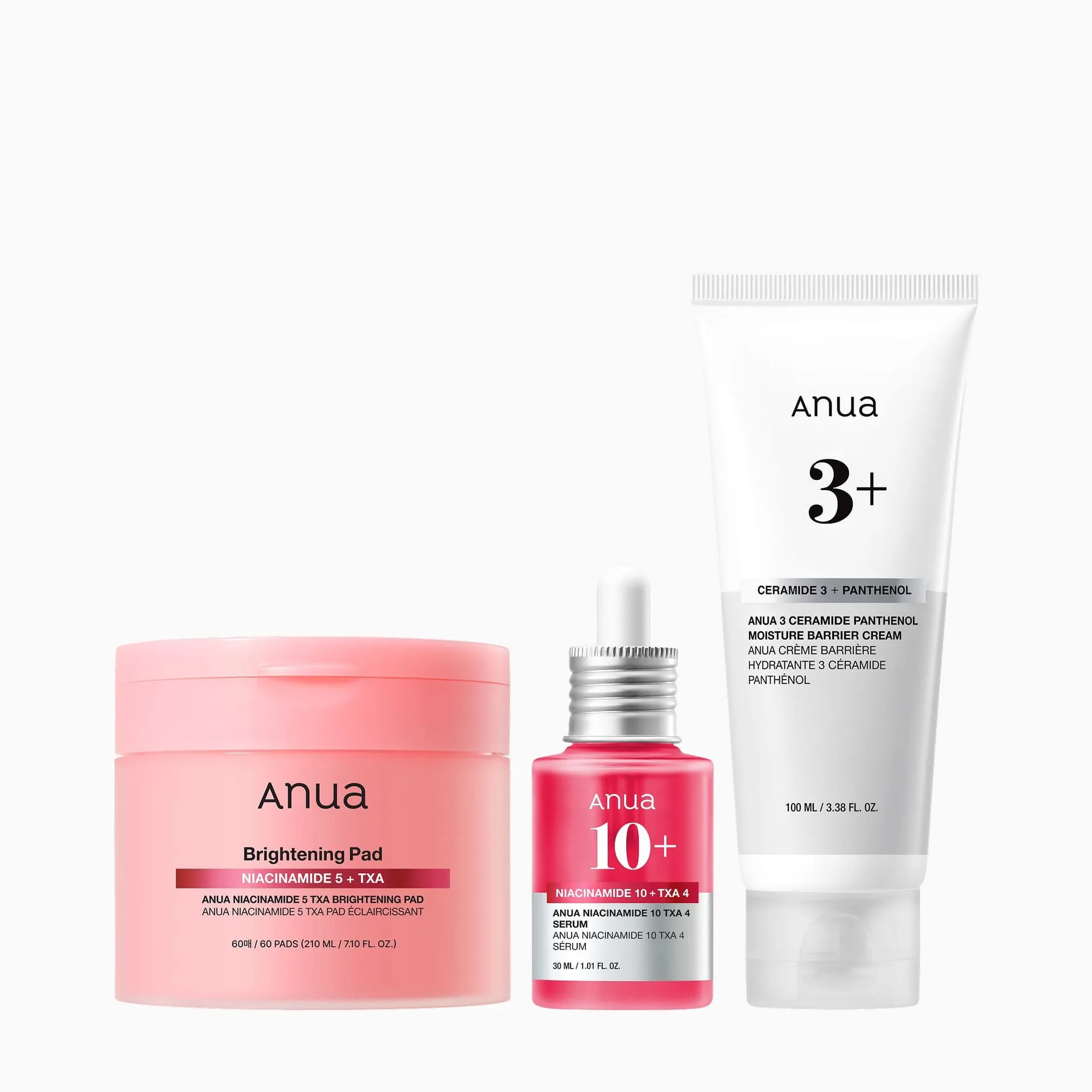
Ready to start your anti-aging journey? Check out our Niacinamide 10 TXA 4 Serum for Brightening and Dark Spots for a gentle brightening alternative that pairs beautifully with retinol. Or browse our full collection of retinol, collagen, and PDRN products at Gentle yet Effective Korean Skincare.