In an era where digital noise often drowns out genuine human interaction, a quiet revolution is reshaping the way we give gifts. The traditional present—often a generic item picked up in haste—is being replaced by something far more intentional: the curated gift bundle. These thoughtfully assembled collections prioritize emotional resonance over material value, tapping into a deep human need for connection. As we move through 2025, the rise of connection-focused gifting signals a cultural shift from transactional exchanges to meaningful rituals.
We're Not Really Strangers, a brand built entirely on fostering deeper relationships, has been at the forefront of this movement. Their carefully designed bundles combine conversation-starting card games with cozy apparel, creating an experience that extends far beyond unwrapping. This article explores why gift bundles are becoming the new norm, how they strengthen bonds, and what this trend means for the future of gifting.
Why Gift Bundles Are Winning Hearts in 2025
The modern consumer is increasingly drawn to experiences over possessions. According to recent surveys, nearly 70% of people say they value meaningful time with loved ones more than material gifts. Gift bundles cater directly to this desire by packaging together items that encourage shared moments—whether it's a card game that sparks deep conversation or a matching hoodie that symbolizes togetherness. Instead of a standalone product, a bundle offers a complete emotional journey.
Brands like We're Not Really Strangers have mastered this art. Their curated sets, such as The House Party Bundle, combine multiple elements designed for group interaction. This bundle includes conversation cards, accessories, and apparel, making it perfect for gatherings where the goal is genuine connection. By offering a cohesive experience, these bundles transform gifting from a one-time event into an ongoing source of bonding.
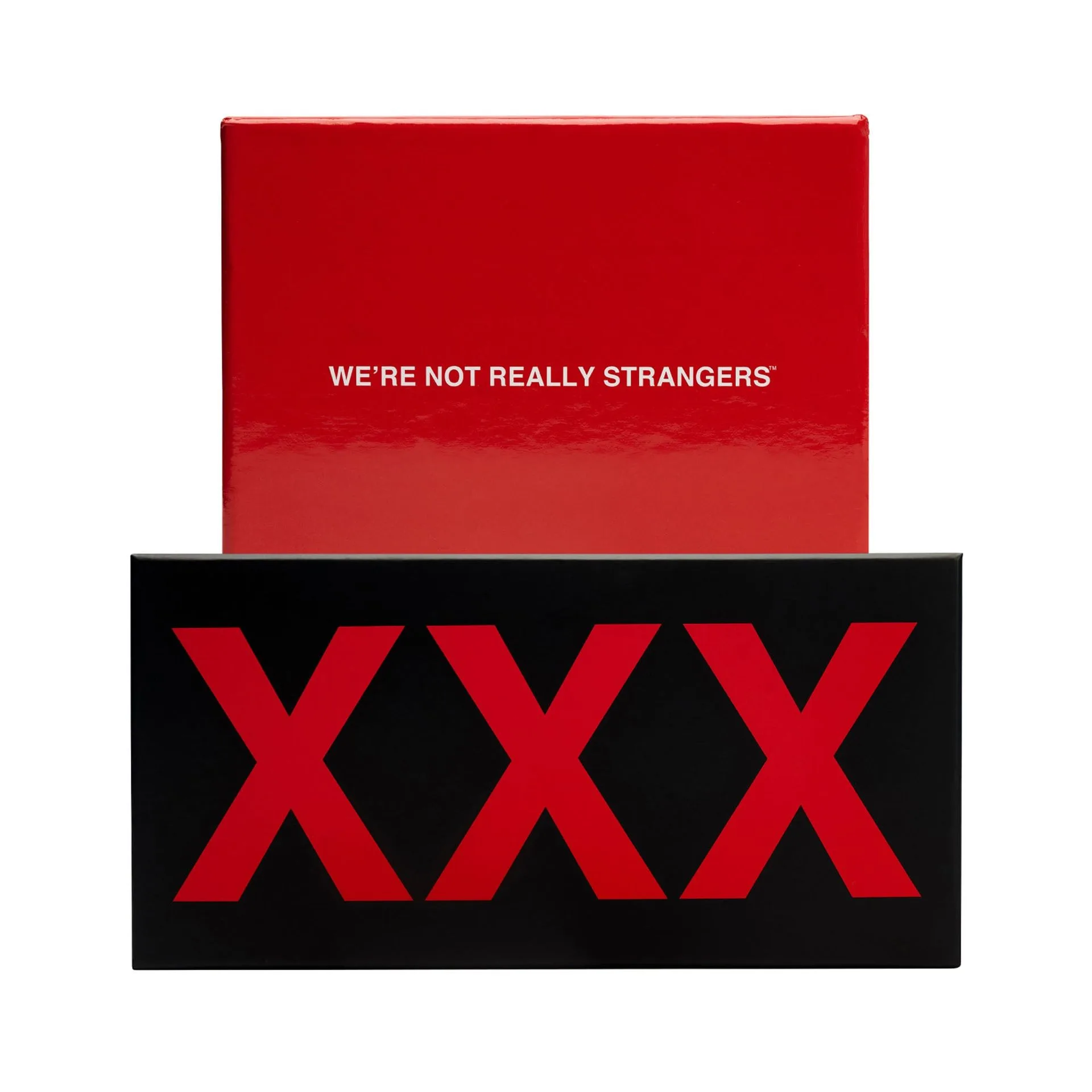
The House Party Bundle
- Bundles reduce decision fatigue for the giver while maximizing emotional impact for the receiver.
- They often include a mix of tangible items and interactive components, encouraging repeated use.
- Themed bundles allow givers to tailor the experience to specific relationships—friends, partners, or family.
The Psychology Behind Connection Gifts
Connection-focused gifts tap into the psychological principle of shared attention. When two people engage with a gift together—like playing a card game or wearing matching apparel—they create a shared memory that strengthens their bond. This is a stark contrast to traditional gifts, which are often used in isolation. A study from the Journal of Consumer Research found that experiential gifts lead to greater relationship satisfaction than material ones, precisely because they foster interaction.
We're Not Really Strangers' product line exemplifies this psychology. The Hard Launch Bundle, for instance, is designed for couples ready to deepen their commitment. It includes prompts that encourage vulnerability and honesty, turning a simple gift into a catalyst for intimacy. Similarly, the 365 card deck offers a year's worth of daily questions, making connection a consistent practice rather than a one-off event. These bundles don't just give an object—they give a framework for relating.
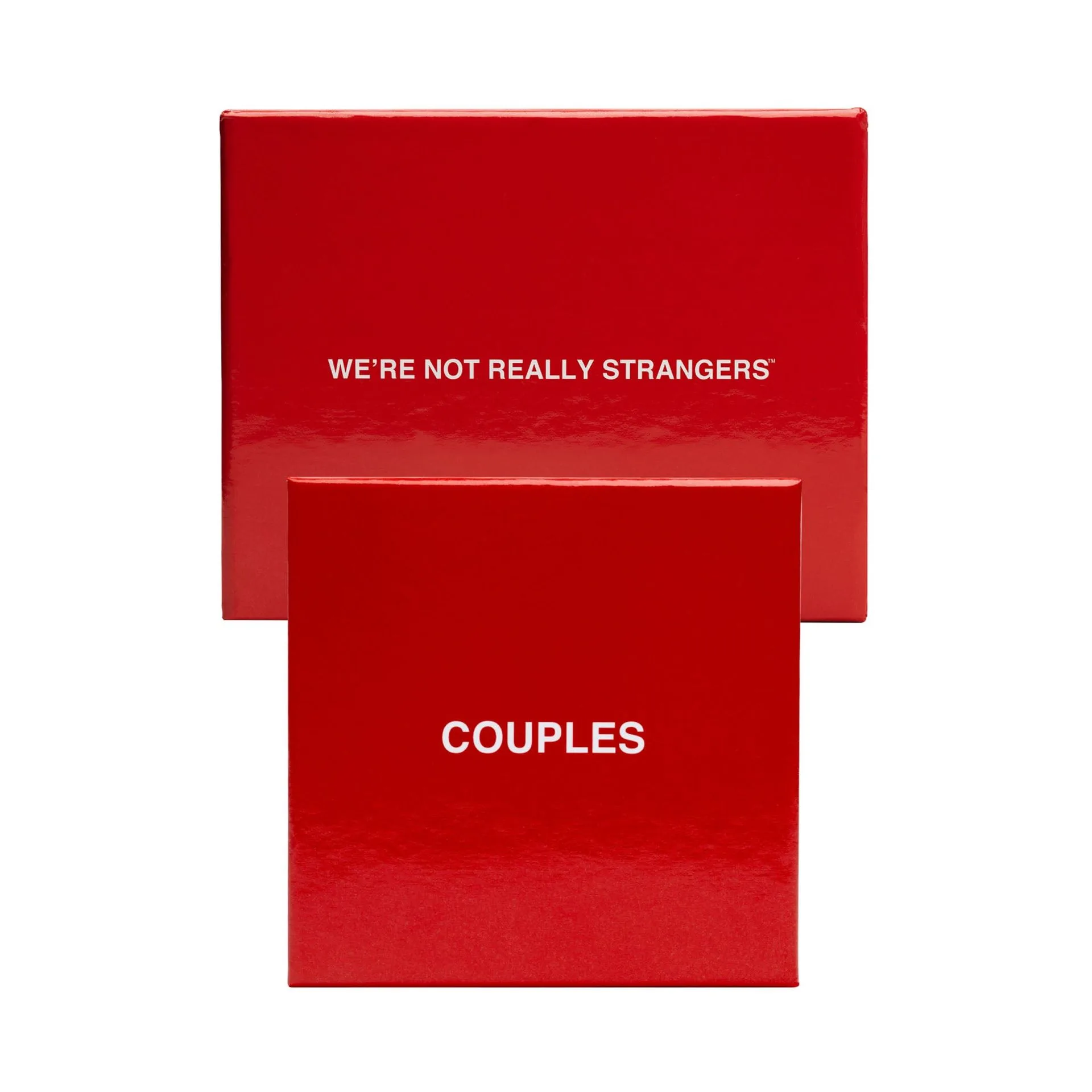
The Hard Launch Bundle
- Gifts that require participation (like card games) create lasting memories compared to passive items.
- Shared experiences release oxytocin, the bonding hormone, reinforcing emotional closeness.
- Bundles signal thoughtfulness: the giver invested time in curating a meaningful set.
How We're Not Really Strangers Redefines the Bundle Experience
What sets We're Not Really Strangers apart is their holistic approach to product design. Each bundle is crafted with a specific relational goal in mind, whether it's breaking the ice at a party or deepening an existing bond. The inclusion of apparel, like the I'm So Happy We Met Hoodie - Red, adds a layer of comfort and symbolism. Wearing a matching hoodie with a friend or partner becomes a physical reminder of the connection nurtured through the card game.
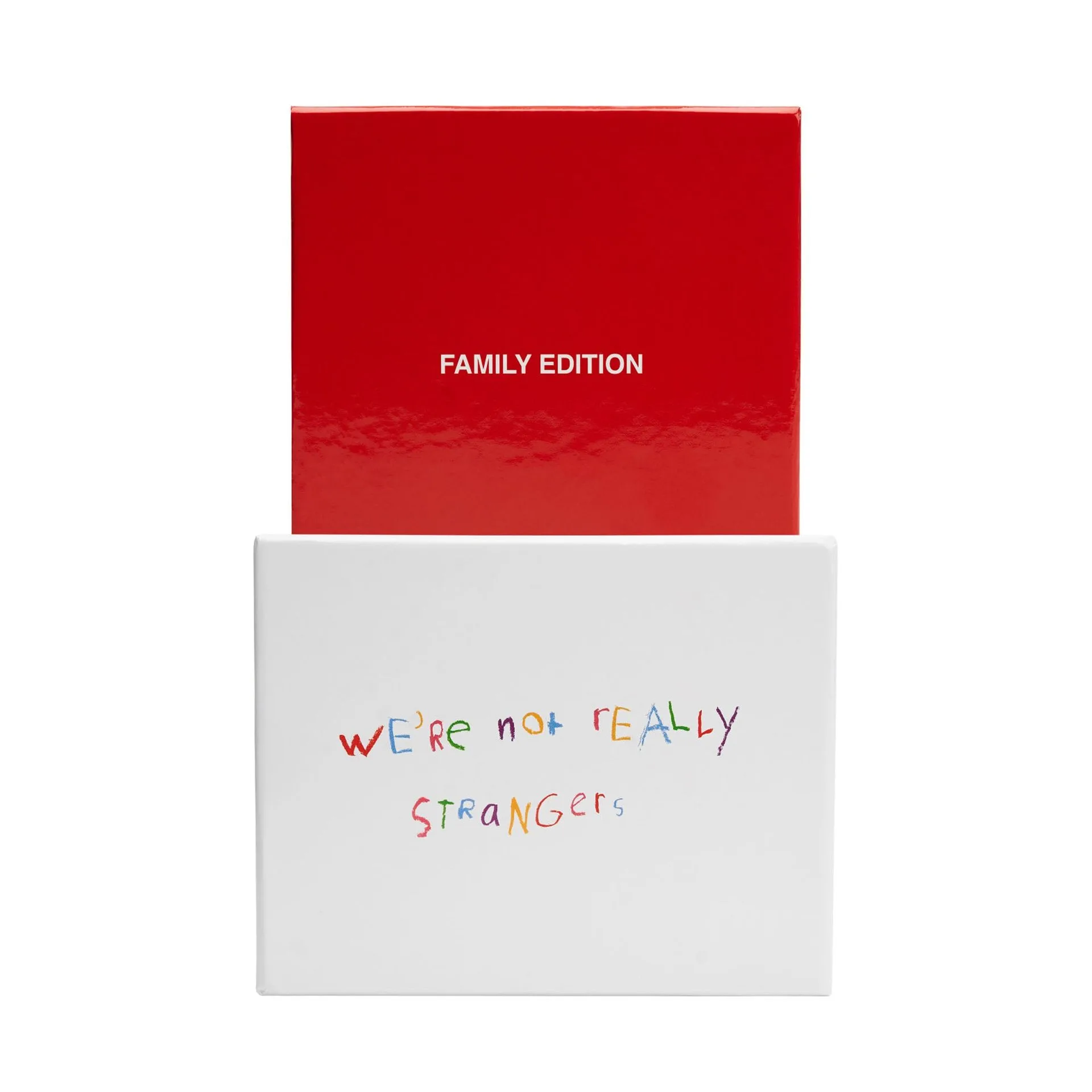
Another standout is the Family Edition, which adapts the brand's signature conversation prompts for intergenerational use. Families can play together, bridging gaps between ages and life stages. The bundle format allows for scalability—adding accessories or extra decks—so the experience grows with the relationship. This intentionality is why consumers are increasingly choosing bundles over single-item gifts; they offer a complete, ready-to-gift solution that feels personal and profound.
- Bundle themes range from romantic (The Hard Launch Bundle) to social (The House Party Bundle).
- Apparel items like hoodies and crewnecks double as keepsakes that extend the gift's emotional lifespan.
- Limited-edition collaborations (e.g., Comfrt x WNRS Good Things Hoodie - Red) add exclusivity and collectibility.
The Future of Gifting: Personalization and Purpose
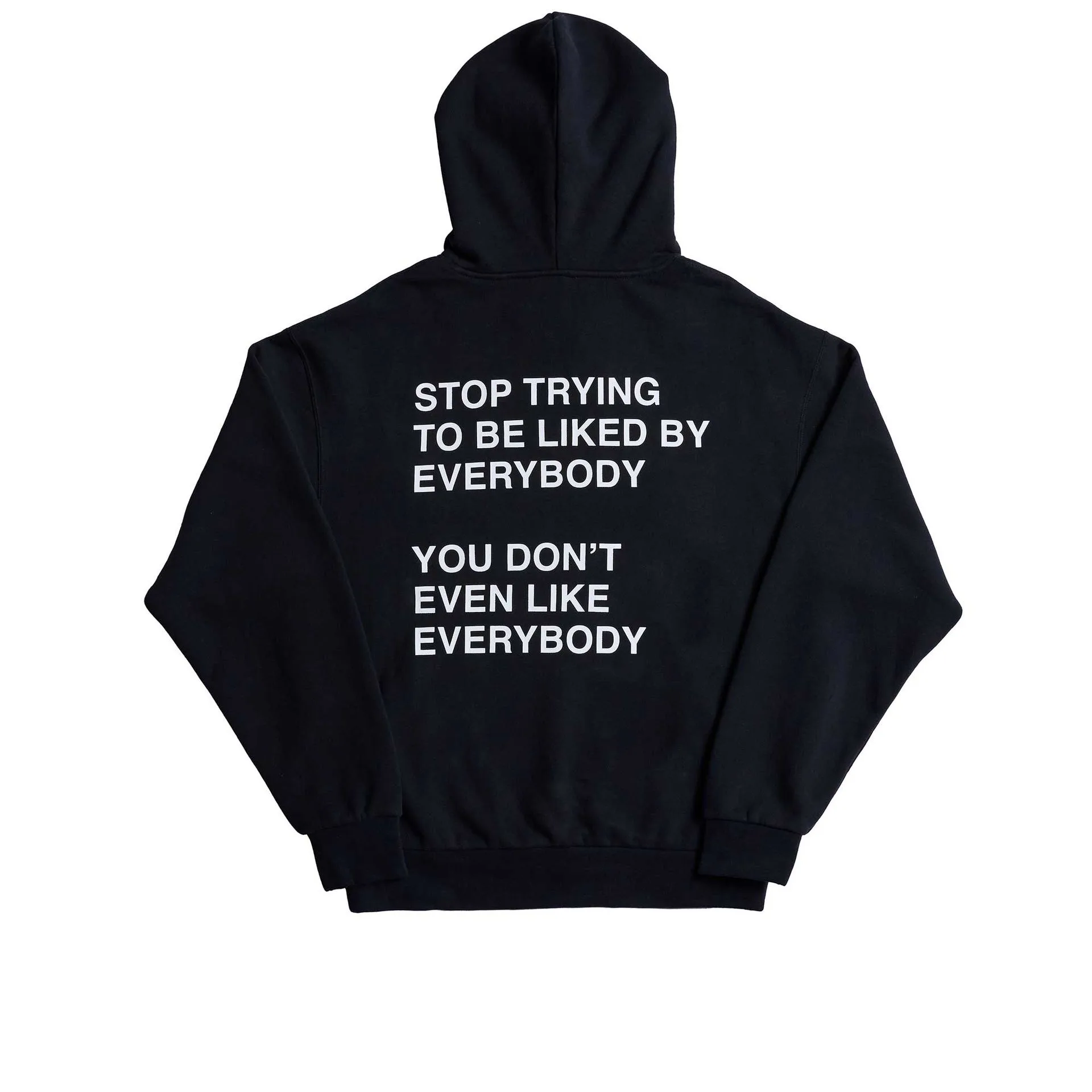
As the gifting landscape evolves, personalization will become even more critical. Consumers no longer want one-size-fits-all presents; they seek items that reflect the unique dynamics of their relationships. We're Not Really Strangers is already ahead of this curve by offering bundles that can be mixed and matched. For instance, pairing the XXX card deck with a Stop Trying Hoodie creates a custom set for someone who needs encouragement to embrace authenticity.
The trend toward connection gifts also aligns with broader wellness movements. People are prioritizing mental health and emotional well-being, and gifts that facilitate self-reflection or meaningful conversation are seen as investments in happiness. Brands that continue to innovate in this space—by incorporating journaling prompts, mindfulness exercises, or shared activities—will thrive. The gift of the future isn't just something to own; it's something to experience together.
- Expect more brands to offer bundle customization, allowing givers to choose individual components.
- Sustainability will play a role: reusable card decks and durable apparel reduce waste compared to single-use gifts.
- Digital-physical hybrids (e.g., QR codes linking to online prompts) may become common in bundles.
The shift toward connection-focused gifting is more than a passing trend—it's a reflection of our collective yearning for authenticity in an increasingly digital world. By choosing a curated bundle from We're Not Really Strangers, you're not just giving a product; you're giving an opportunity to slow down, talk, and truly see each other. Explore The House Party Bundle to start your own tradition of meaningful gifting today.