For years, oatmeal has been celebrated as a wholesome breakfast staple, but its impact on blood sugar is often misunderstood. Many people worry that carbohydrates—even from oats—could cause spikes in glucose levels. However, the science behind superfood oatmeal tells a different story: when chosen wisely and paired with nutrient-dense ingredients, oats can be one of the best foods for maintaining steady energy and balanced blood sugar throughout the day.
The key lies in the unique structure of oats, particularly their soluble fiber content. Beta-glucan, a type of soluble fiber abundant in oats, forms a gel-like substance in the digestive tract that slows carbohydrate absorption. This mechanism directly influences the glycemic response, making oatmeal a low-glycemic-index food that provides sustained fuel rather than a quick crash. In this article, we'll explore the science of oatmeal and blood sugar, the role of superfood additions, and how to build the perfect stable energy breakfast.
The Glycemic Index of Oats: Why Not All Oatmeal Is Equal
The glycemic index (GI) measures how quickly a food raises blood sugar levels. Whole oats, especially steel-cut or rolled varieties, have a low GI (around 55 or less). This is because the intact grain structure requires more time to break down during digestion. In contrast, instant oats or heavily processed oatmeal products can have a medium to high GI, as the starches are more readily available for absorption.
When selecting oatmeal for blood sugar management, the form matters. Superfood oatmeal blends that combine whole oats with seeds, nuts, or dried fruits can further moderate the glycemic response. For example, the Blueberry Chia Superfood Oatmeal Cups offer a balanced mix of fiber-rich oats and chia seeds, which add extra soluble fiber and healthy fats to slow glucose release. Similarly, the Maple Cinnamon Almond Superfoood Oatmeal Bags provide a satisfying combination of oats, almonds, and maple flavor—without excessive added sugars—making them a smart choice for stable energy.
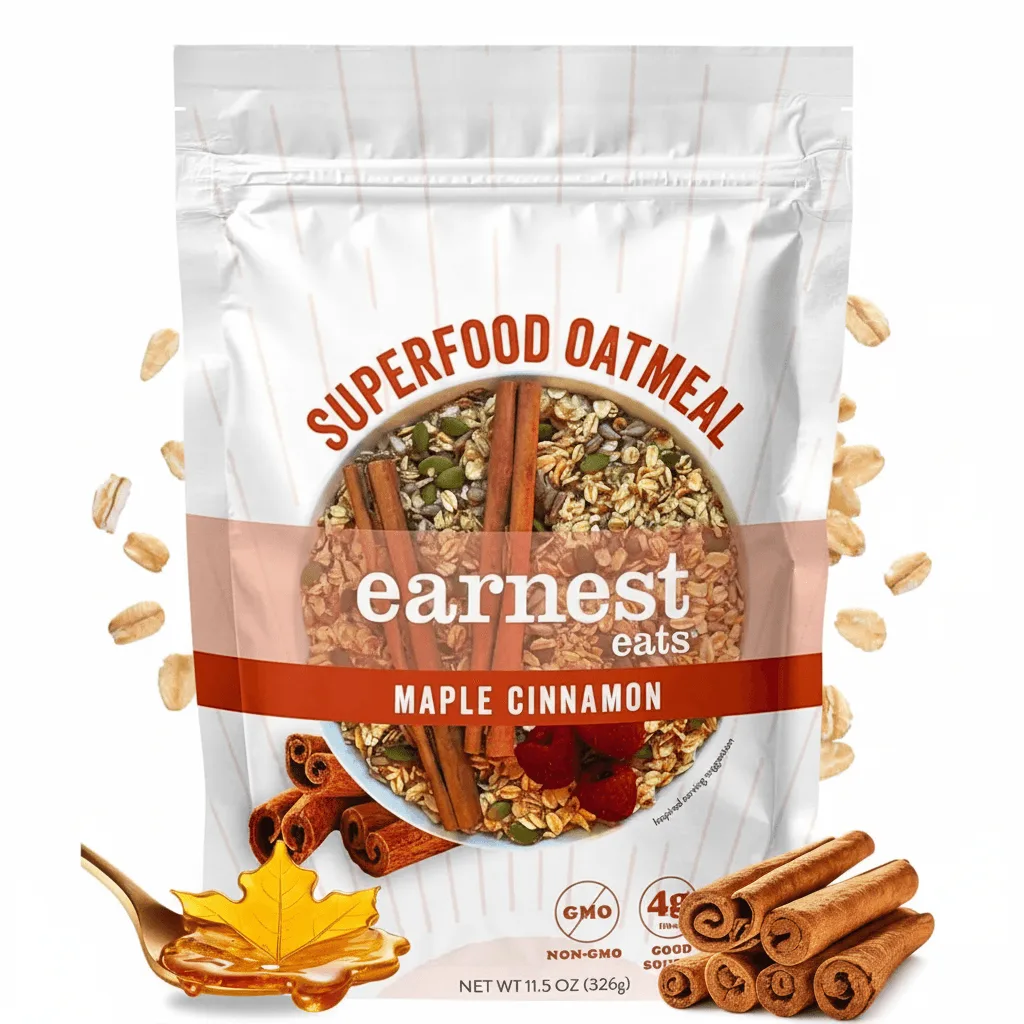
Maple Cinnamon Almond Superfoood Oatmeal Bags
- Choose steel-cut or rolled oats over instant varieties for a lower GI.
- Look for products with at least 3 grams of fiber per serving to support blood sugar control.
Beta-Glucan: The Fiber That Stabilizes Glucose
Beta-glucan is the star soluble fiber in oats that directly influences blood sugar regulation. When consumed, beta-glucan dissolves in water to form a viscous gel in the small intestine. This gel physically slows the digestion and absorption of carbohydrates, preventing rapid spikes in blood glucose. Studies have shown that consuming 3 to 4 grams of beta-glucan per day can significantly reduce post-meal blood sugar levels and improve insulin sensitivity over time.
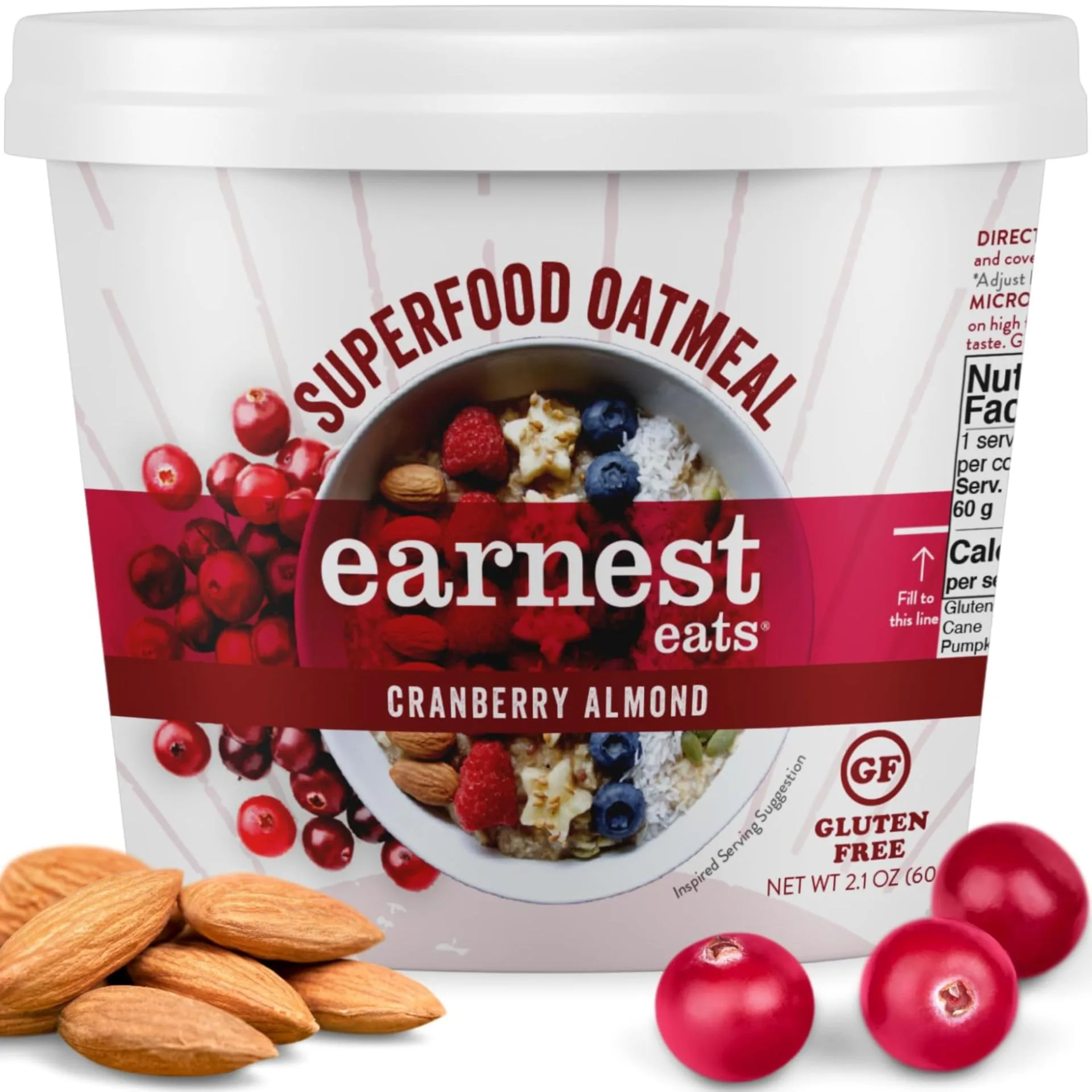
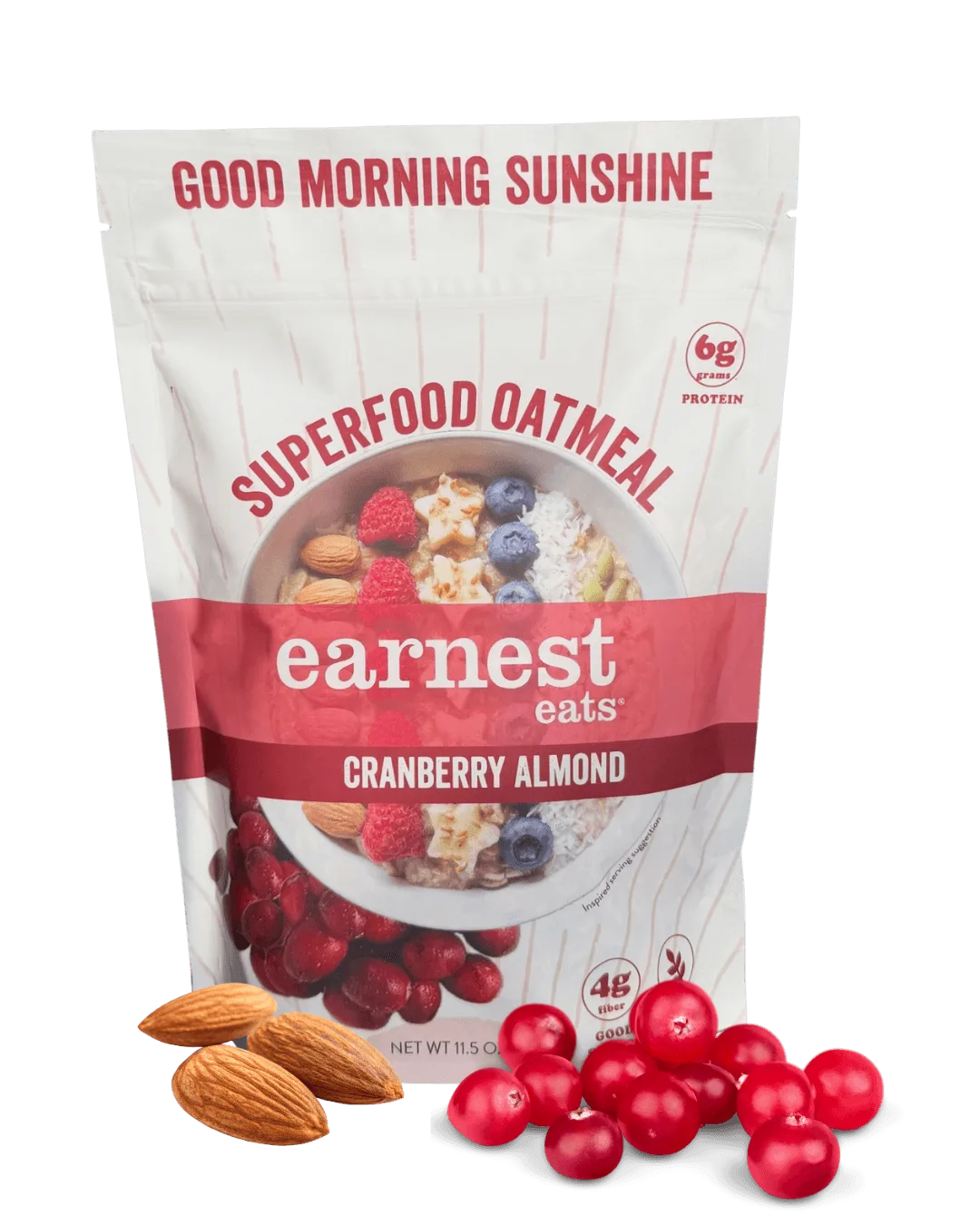
Beyond blood sugar, beta-glucan also supports heart health by lowering LDL cholesterol, making it a dual-purpose nutrient. Many superfood oatmeal products are formulated to maximize beta-glucan content. For instance, the Cranberry Almond Superfood Oatmeal Bags combine oats with dried cranberries and almonds, offering a delicious way to increase fiber intake. The almonds provide healthy fats and protein, which further blunt the glycemic response, creating a balanced breakfast that keeps energy levels steady until lunch.
Pairing Oatmeal with Protein and Healthy Fats for Better Blood Sugar Control
While oatmeal alone is beneficial, adding protein and healthy fats can amplify its blood sugar-stabilizing effects. Protein slows gastric emptying, while fats delay carbohydrate absorption, leading to a more gradual rise in glucose. This is why traditional oatmeal bowls often include nuts, seeds, or yogurt. For convenience, pre-portioned oatmeal products that incorporate these ingredients are an excellent option for busy mornings.
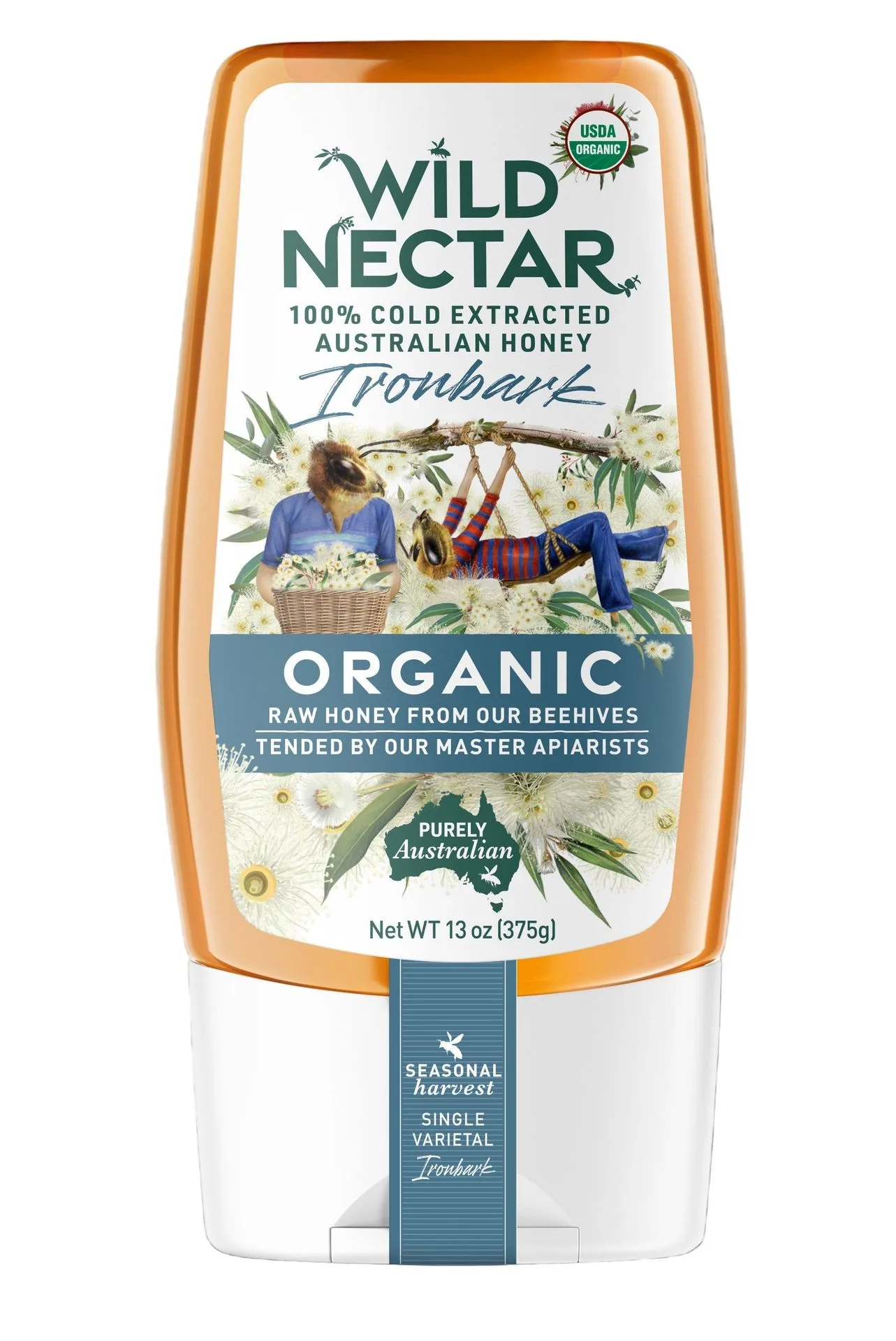
The Superfood Oatmeal Lovers Bundle is a great example of a curated selection that includes varieties with nuts and seeds. By rotating between flavors, you can enjoy the benefits of different nutrient profiles without monotony. Another smart addition is a drizzle of honey, such as Wild Nectar Australian Orange Blossom Honey, which adds natural sweetness with a lower glycemic impact than refined sugar. The combination of fiber, protein, and healthy fat creates a powerful trio for stable energy.
- Add a tablespoon of nut butter or a handful of almonds to your oatmeal for extra protein.
- Top with chia seeds or flaxseeds to boost fiber and omega-3 fatty acids.
Practical Tips for Building a Blood Sugar-Friendly Oatmeal Bowl
To maximize the blood sugar benefits of oatmeal, start with a base of whole oats. Avoid pre-sweetened instant packets that often contain added sugars and refined grains. Instead, opt for plain or lightly sweetened varieties and control the sweetness yourself. Using whole fruit, such as berries or sliced banana, provides natural sugars along with additional fiber and antioxidants.
Portion control also matters. A standard serving of dry oats is about half a cup, which provides roughly 150 calories and 27 grams of carbohydrates. For most people, this amount fits well into a balanced meal. If you are active or have higher energy needs, you can increase the portion slightly, but always pair it with protein and fat to maintain glycemic control. Experiment with spices like cinnamon or nutmeg, which have been shown to improve insulin sensitivity and add flavor without sugar.
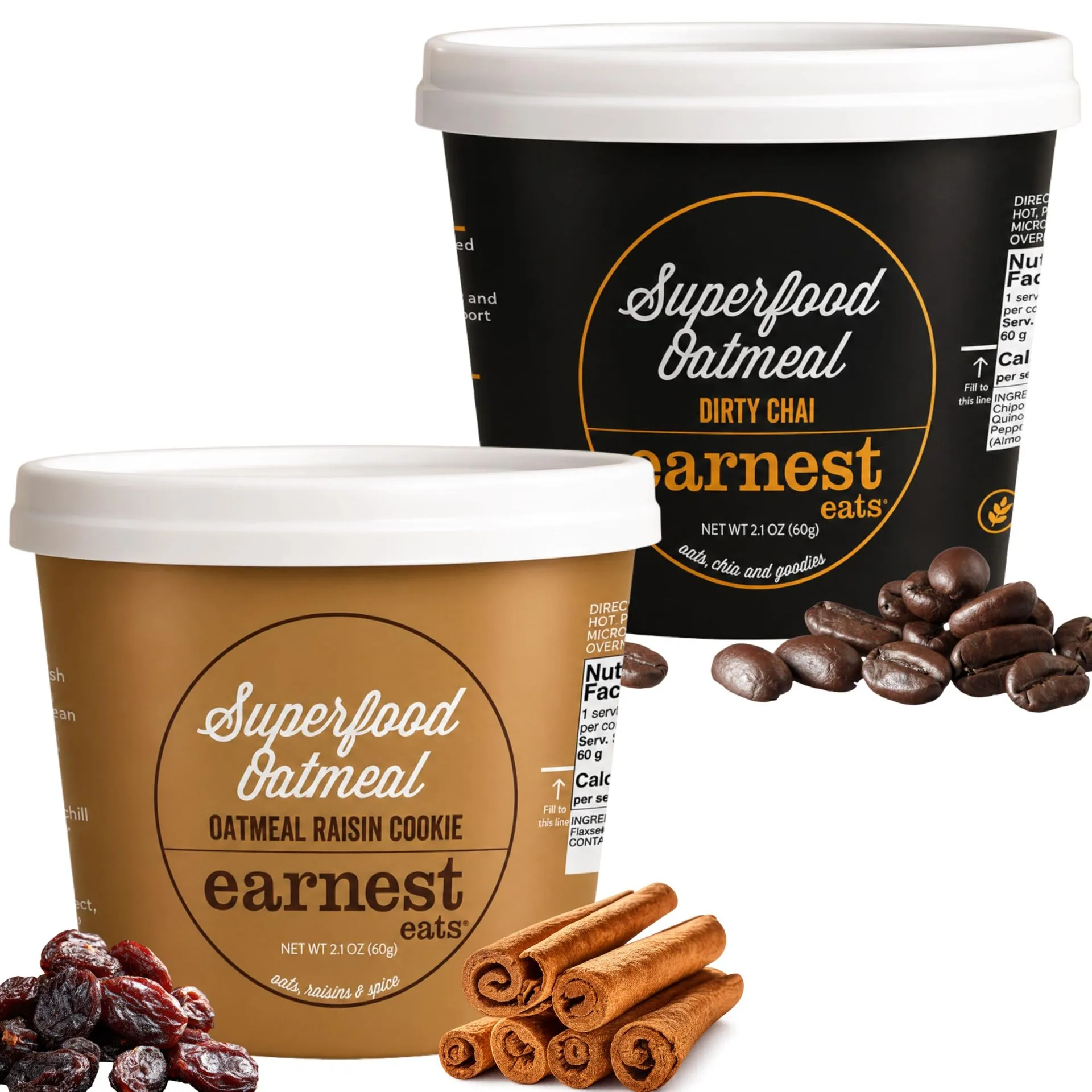
Understanding the science behind oatmeal and blood sugar empowers you to make informed breakfast choices that support long-lasting energy and overall health. By selecting whole-grain superfood oatmeal, pairing it with protein and healthy fats, and avoiding excessive added sugars, you can enjoy a delicious morning meal that keeps your glucose steady. Explore the Oatmeal Raisin Cookie Oatmeal Cups for a satisfying, fiber-rich option that fits perfectly into a balanced routine.