Sweat is a natural and essential bodily function, but the odor that sometimes accompanies it can be a source of embarrassment or curiosity. While many people reach for deodorant or antiperspirant without a second thought, understanding the science behind body odor can help you manage it more effectively. From the foods you eat to your stress levels and hormonal fluctuations, several factors influence how your sweat smells.
In this article, we’ll explore the biological mechanisms of sweat, the role of diet and stress, and how hormonal changes—like those during puberty, menstruation, or menopause—can alter your body odor. We’ll also share practical tips and product recommendations from Megababe Beauty to help you stay fresh and confident every day.
Why Does Sweat Smell? The Biology Behind Body Odor
Sweat itself is mostly odorless. It’s composed of water, salt, and electrolytes, and when it reaches the surface of your skin, it doesn’t have a strong smell. The real culprit behind body odor is bacteria. Your skin is home to millions of microorganisms, and when sweat mixes with these bacteria, they break down the sweat into acids, which produce that characteristic scent. There are two main types of sweat glands: eccrine glands, which produce watery sweat all over your body, and apocrine glands, which are concentrated in areas like the armpits and groin. Apocrine sweat contains proteins and lipids that bacteria love to feast on, making these areas more prone to odor.
The type of bacteria on your skin also matters. Some people naturally harbor more odor-producing bacteria, while others have a microbiome that keeps smells at bay. Factors like your hygiene routine, the products you use, and even your genetics play a role. Understanding this biology is the first step toward choosing the right deodorant or body care product to keep odor under control without disrupting your skin’s natural balance.
- Tip: Use a gentle, aluminum-free deodorant like The Glow Deo Daily Deodorant to neutralize odor without blocking sweat glands.
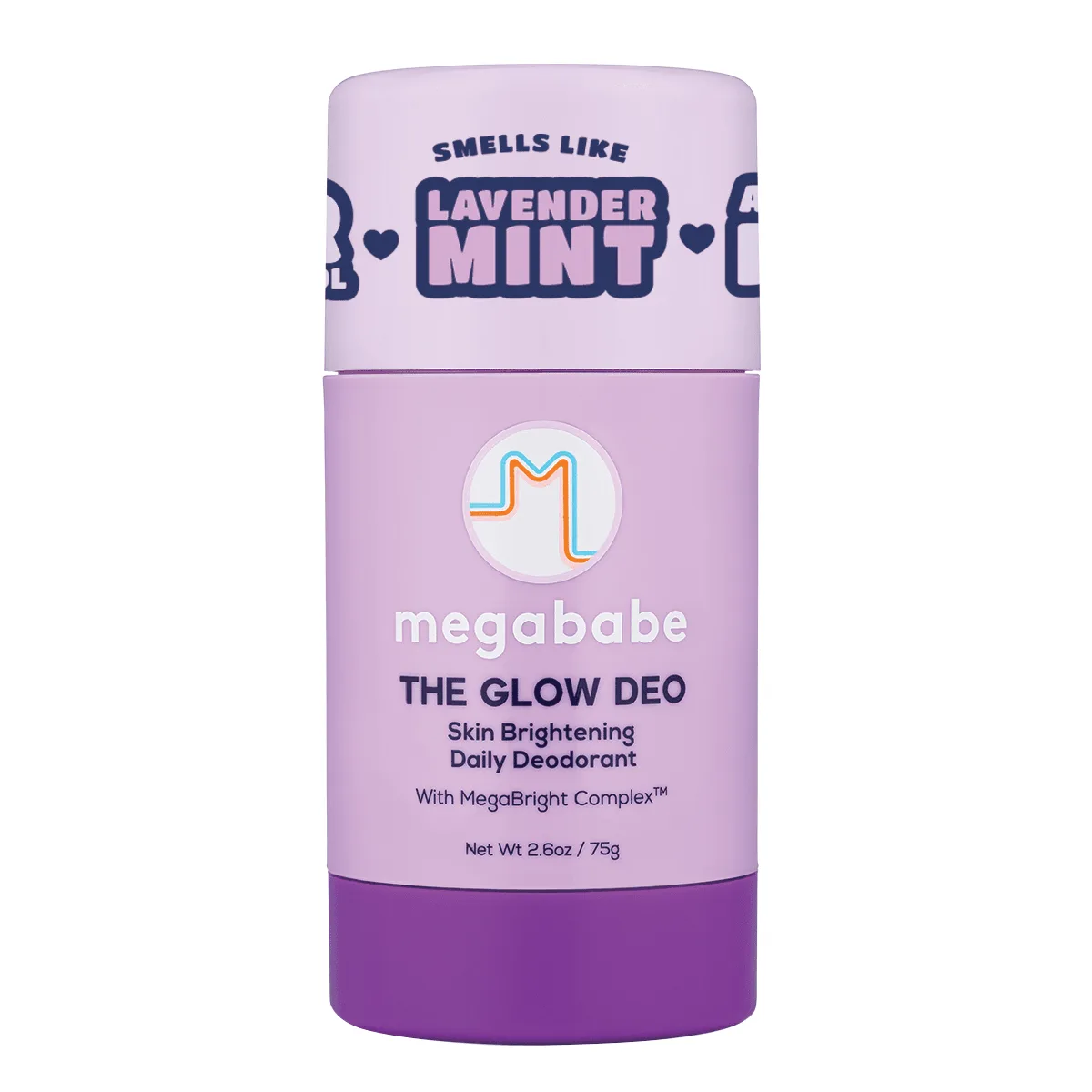
The Glow Deo Daily Deodorant
Diet and Body Odor: What You Eat Affects How You Smell
Your diet can directly influence the scent of your sweat. Certain foods contain compounds that are released through your pores when you sweat. For example, garlic, onions, and spices like cumin and curry contain sulfur compounds that can give sweat a pungent, almost garlicky odor. Red meat, which takes longer to digest, can also contribute to a stronger body odor because the byproducts are excreted through sweat. On the flip side, fruits and vegetables like apples, citrus, and leafy greens contain antioxidants and chlorophyll that may help neutralize odors.
Caffeine and alcohol are another factor. Both can stimulate your sweat glands and increase perspiration, which can lead to more bacteria activity and stronger odor. Staying hydrated helps dilute sweat and flush out odor-causing compounds, so drinking plenty of water is a simple yet effective strategy. If you notice your body odor changes after a meal or a night out, your diet might be the culprit. Adjusting what you eat can make a noticeable difference, but you can also rely on a reliable deodorant to keep you fresh in the meantime.
- Practical tip: If you love spicy food, pair it with a hydrating routine and consider using a body powder like the Megaman Friction Fighter to absorb excess moisture.
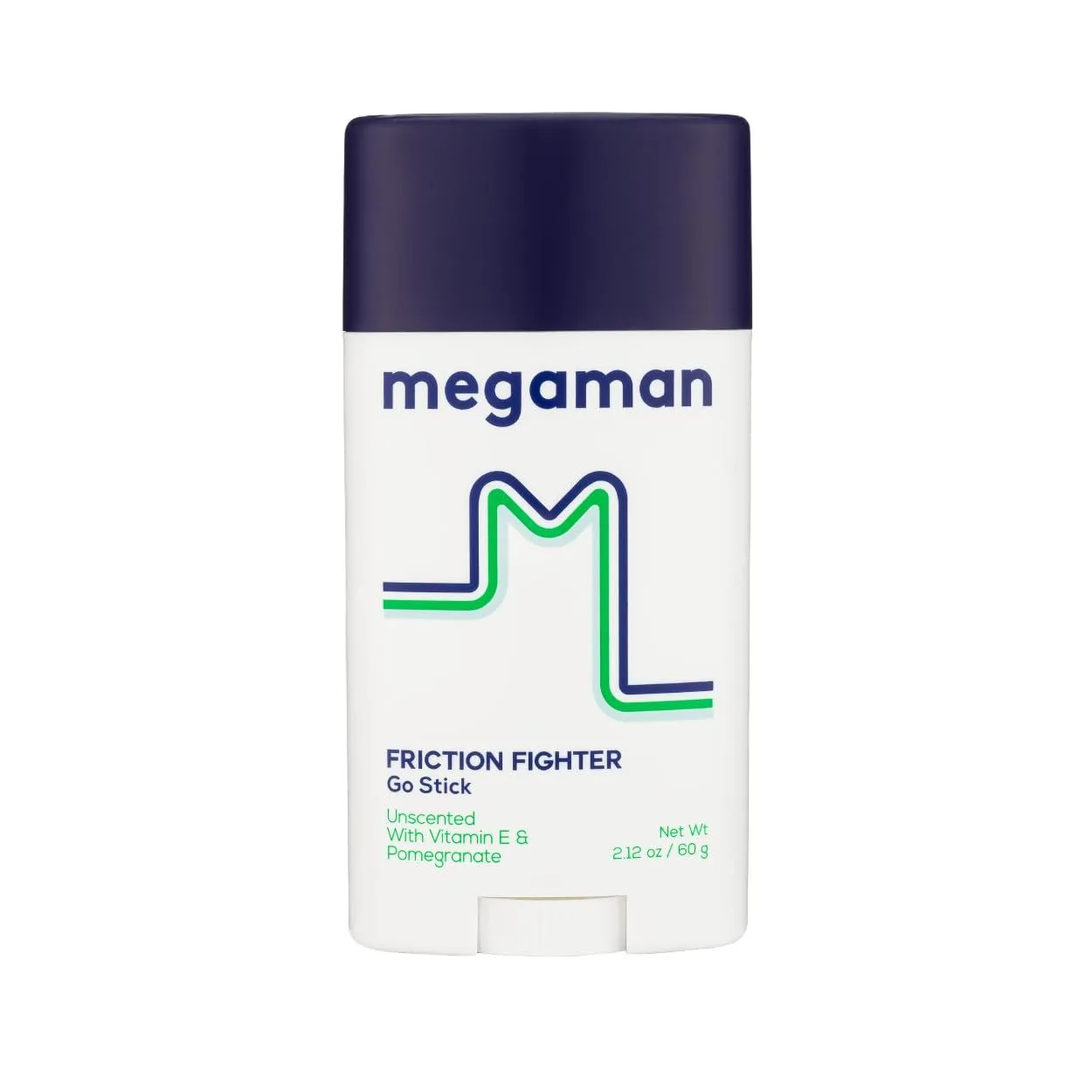
Megaman Friction Fighter
Stress Sweat: Why Anxiety Changes Your Scent
Ever noticed that when you’re nervous or stressed, your sweat smells different? That’s because stress triggers a different type of sweating. When you’re under pressure, your body releases adrenaline and cortisol, which activate the apocrine glands. This stress-induced sweat is thicker and richer in proteins and lipids, making it a prime target for bacteria. The result is a sharper, more noticeable odor compared to the sweat produced during exercise or hot weather.
This phenomenon is often called "emotional sweating," and it’s a survival mechanism from our evolutionary past. While you can’t always avoid stress, you can manage its impact on your body odor. Practicing relaxation techniques like deep breathing, meditation, or yoga can help lower your stress levels. Additionally, using a deodorant designed to neutralize odor—not just mask it—can be a game-changer. Products like The Coco Deo are formulated with natural ingredients that combat odor without harsh chemicals, making them ideal for high-stress days.
- Tip: Keep a travel-sized deodorant in your bag for quick touch-ups during stressful moments.
Hormonal Changes and Body Odor: Puberty, Menstruation, and Menopause
Hormones play a significant role in regulating your sweat glands and the composition of your sweat. During puberty, increased androgen levels cause the apocrine glands to become more active, which is why body odor often becomes more pronounced during adolescence. For women, the menstrual cycle also influences body odor. In the days leading up to ovulation, estrogen levels rise, which can make sweat smell slightly different. Some women report a stronger or more metallic odor during their period, likely due to hormonal shifts and changes in vaginal pH.
Menopause brings its own set of challenges. Declining estrogen levels can lead to hot flashes and night sweats, which are often accompanied by a sudden, intense body odor. This can be distressing, but it’s a normal part of the transition. Using a gentle, effective deodorant and staying cool with breathable fabrics can help. For those who experience chafing or irritation during these times, products like the Blister & Heel Rescue can soothe sensitive skin and prevent discomfort, keeping you feeling fresh and comfortable.
- Practical tip: If you experience night sweats, try a calming bedtime routine and use a deodorant that works overnight, like The Glow Deo Daily Deodorant.
How to Manage Body Odor: Practical Tips and Product Recommendations
Managing body odor starts with good hygiene, but the right products can make all the difference. Shower daily with a mild cleanser, and pay extra attention to areas where sweat accumulates. After drying, apply a deodorant that targets odor without clogging pores. Megababe’s The Glow Deo Daily Deodorant is a great choice because it uses natural ingredients like coconut oil and probiotics to keep odor at bay while being gentle on sensitive skin.
For active individuals or those living in humid climates, body powders can help absorb excess sweat and reduce friction. The Megaman Friction Fighter is designed to prevent chafing and keep you dry, making it a perfect companion for workouts or long days. And if you’re dealing with blisters or irritation from sweat, the Blister & Heel Rescue offers soothing relief. Combining these products into a daily routine can help you stay fresh and confident, no matter what your day brings.
- Pro tip: Layer your products—start with a deodorant, then apply a body powder for extra protection.
Understanding the science behind sweat and body odor empowers you to make informed choices about your body care routine. Whether your odor is influenced by diet, stress, or hormones, there are effective solutions to keep you feeling fresh. Explore Megababe Beauty’s range of products designed to work with your body, not against it, and find the perfect match for your needs.