Every parent knows that feeding a baby comes with a generous side of mess. From puree splatters to cereal spills, a good bib can save you laundry loads and cleanup time. But with so many options, the debate between silicone baby bibs and fabric bibs leaves many caregivers wondering which is truly best for mess-free feeding.
The answer isn't one-size-fits-all: silicone bibs excel at catching and wiping away spills, while fabric bibs offer softness and absorption for drooly or teething babies. To help you decide, we break down the key differences in material, cleanup, comfort, and durability so you can pick the right bib for your little one.
Material and Cleanup: Silicone vs. Fabric
Silicone bibs are made from food-grade, non-porous silicone that resists stains and odors. After a messy meal, you can simply rinse them under the faucet or wipe them clean with a damp cloth. Most are dishwasher-safe, making them almost effortless to sanitize. This convenience is a major win for parents who want to reduce laundry and keep a bib ready for the next meal.
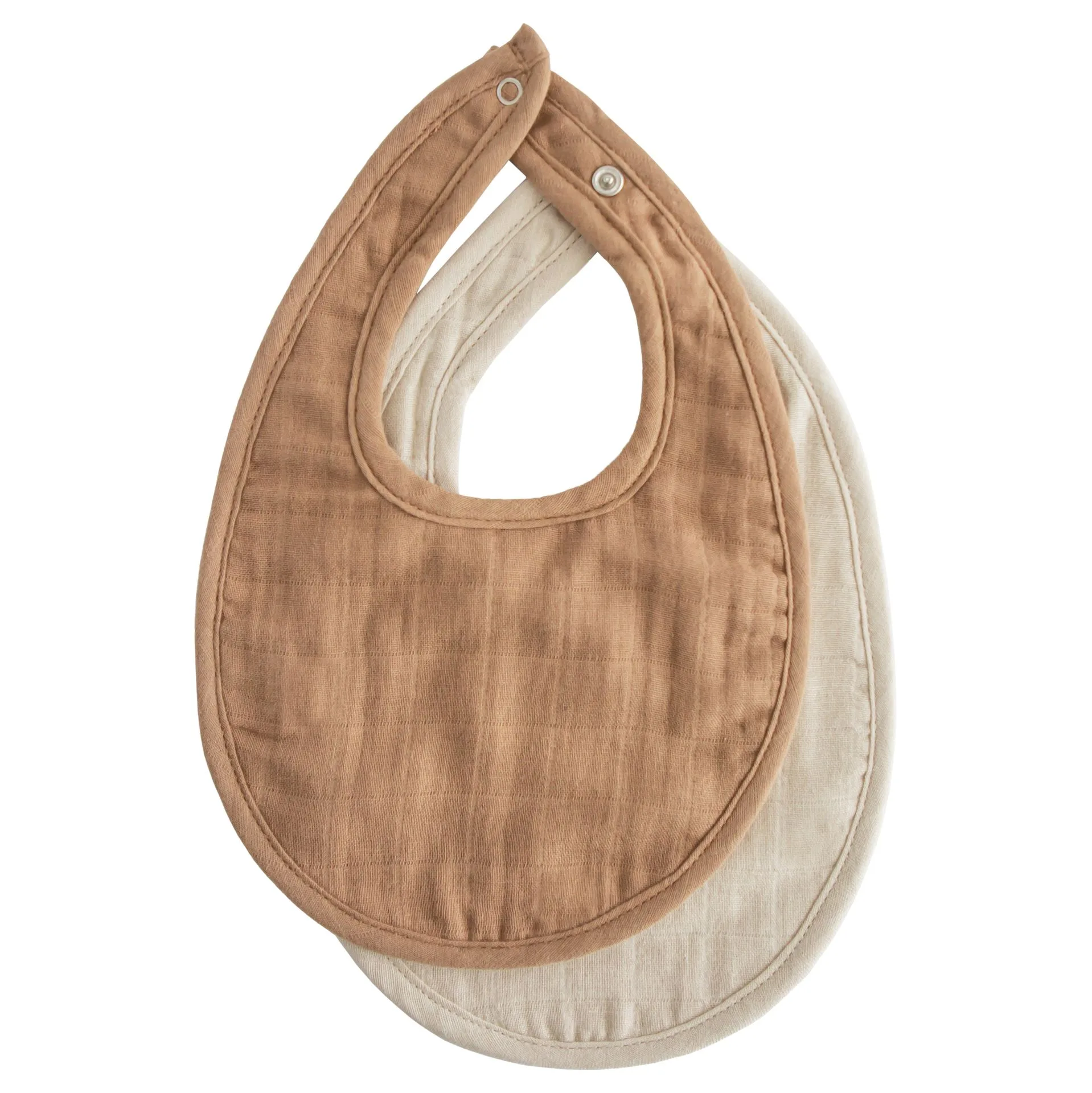
Fabric bibs, on the other hand, absorb liquids and food, which means they require washing after every use. While they often come in soft cotton, bamboo, or muslin—like the Muslin Nursing Cover—they can trap stains and smells over time. However, fabric bibs are typically more breathable and gentle on sensitive skin, and they can double as a drool bib during teething. The tradeoff is that you'll need multiple bibs in rotation to keep up with laundry.
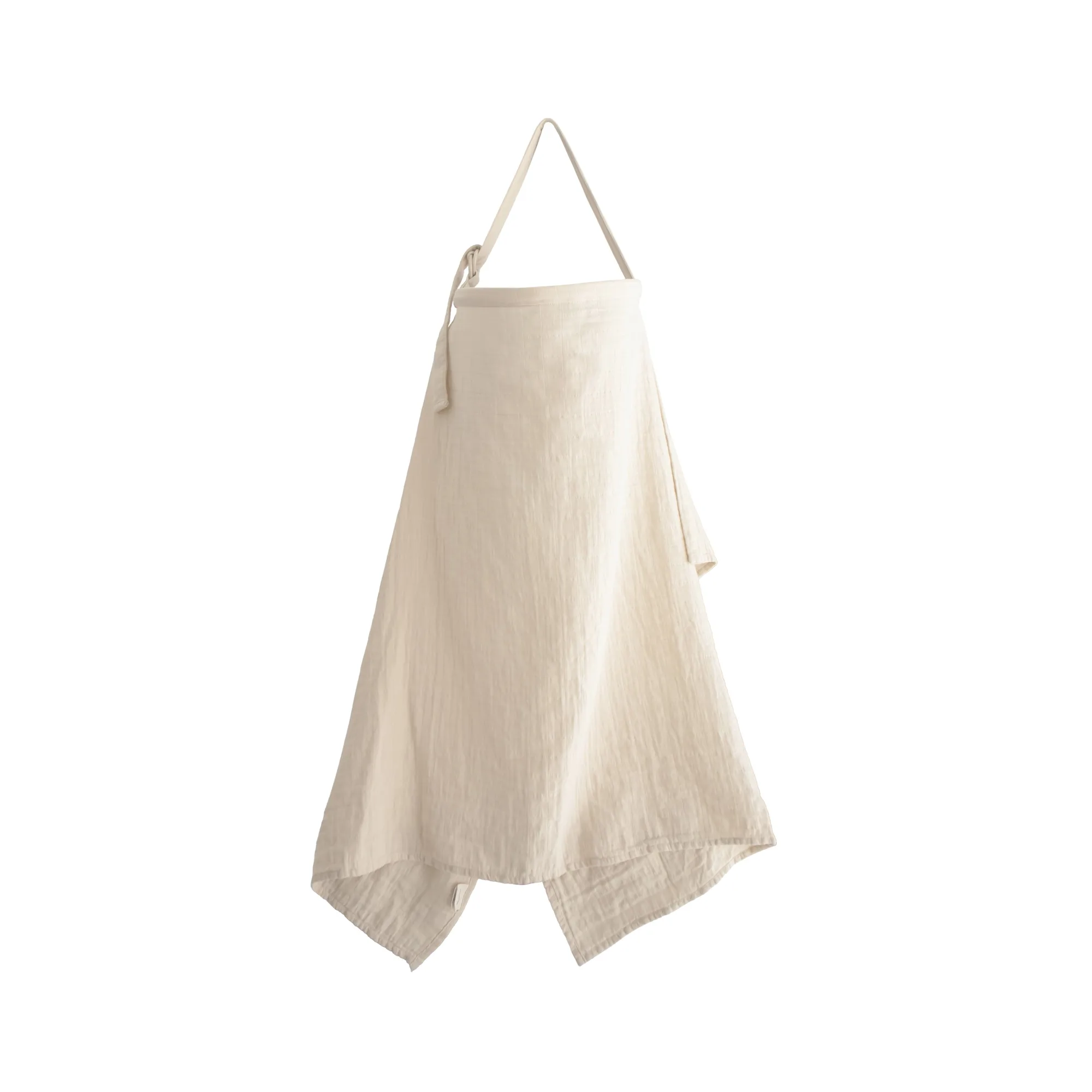
Muslin Nursing Cover
- Silicone bib: rinse or wipe clean, dishwasher-safe, no laundry needed.
- Fabric bib: soft and absorbent but needs regular washing; muslin options are lightweight and dry quickly.
Comfort and Fit for Your Baby
Comfort plays a big role in whether your baby will tolerate wearing a bib. Silicone bibs are typically heavier and less flexible than fabric, which can feel restrictive for some babies. They often have a pocket at the bottom to catch crumbs, but that pocket may also add weight. To keep a silicone bib in place, many come with adjustable snaps or hooks that fit snugly around the neck, though the material can cause irritation on very sensitive skin if worn for long periods.
Fabric bibs are lighter, softer, and more breathable, making them ideal for newborns and babies with eczema. They can be tied or snapped into a comfortable fit, and many styles, like the Ribbed Knotted Baby Gown + Beanie Set's coordinating bib (if available), offer full coverage over clothing. Some fabric bibs also have a waterproof layer, combining absorption with spill protection. For long feeding sessions or teething babies who drool heavily, fabric bibs often win on comfort.
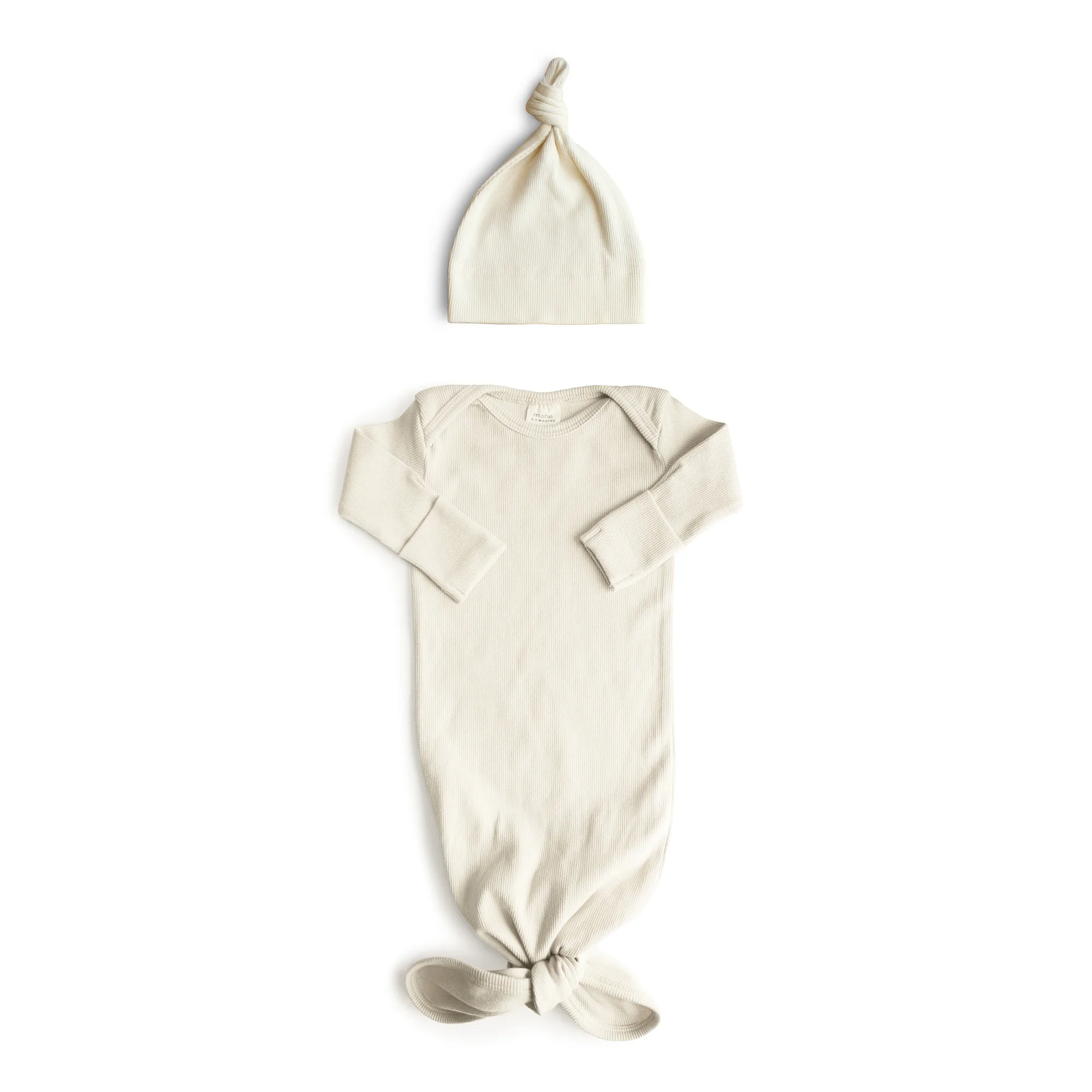
Ribbed Knotted Baby Gown + Beanie Set
- For quick, messy meals: silicone bib with a catch pocket is ideal.
- For extended wear, drooling, or sensitive skin: fabric bib is more comfortable.
Durability and Longevity
Silicone bibs are built to last. They don't fray, rip, or lose shape over time, and they can withstand frequent dishwasher cycles and hundreds of meals. A high-quality silicone bib will serve you through the entire feeding stage—and can even be passed down to a second child. However, some silicone bibs can develop a sticky texture or absorb soap residue if not rinsed thoroughly, though this is rare with good care.
Fabric bibs vary widely in durability. Cotton and muslin bibs may shrink, fade, or develop holes after repeated washing. Even sturdier fabric bibs with a waterproof backing can delaminate over time. That said, a well-made fabric bib can last for months if washed gently and air-dried. To extend the life of any bib, avoid harsh detergents and high heat. For parents who prefer a set it and forget it approach, silicone is the more durable choice.
- Silicone bibs last through many children with proper care.
- Fabric bibs need replacement more often but are usually less expensive upfront.
Which Bib Wins for Mess-Free Feeding?
For truly mess-free feeding, silicone bibs have a clear advantage when it comes to catching spills and easy cleanup. Their solid pocket design traps most falling food, and a quick wipe makes the bib ready for the next meal. Pairing a silicone bib with other mealtime tools, like a Silicone Pacifier Clip to keep a dirty pacifier off the table, can further streamline cleanup.
Fabric bibs are better for situations where you need absorption—like drool, runny formula, or messy finger foods that won't fall into a pocket. They also offer more versatility for daily wear beyond mealtime. Ultimately, many parents keep both types on hand: silicone for the messiest eating sessions and fabric for lighter meals or drool control. The best bib for mess-free feeding is the one that matches your routine and your baby's current stage.
- Keep a silicone bib for high-mess meals (purees, soups, pasta).
- Use a fabric bib for snacks, breastfeeding, or teething drool.
- A Silicone Pacifier Clip can help keep pacifiers from touching dirty surfaces between meals.
Both silicone and fabric bibs have their place in a parent's arsenal. If quick cleanup is your top priority, a silicone bib is unbeatable. If softness and absorption matter more, a fabric bib is the way to go. Consider your baby's age, eating habits, and skin sensitivity—and don't be afraid to stock a few of each to handle whatever mealtime throws your way.