Protein is the building block of every cell in your body, and getting enough of it is essential for muscle repair, immune function, and even weight management. But with so many options available, from grilled chicken to plant-based powders, the question arises: Is a single flavor protein powder as good as whole food protein sources?
In this article, we break down the nutritional differences between whole foods like eggs, chicken, and legumes, and single flavor protein powders such as Vanilla Bean or Dark Chocolate. We'll look at digestibility, amino acid profiles, cost per gram, convenience, and how to use both to meet your daily protein needs.
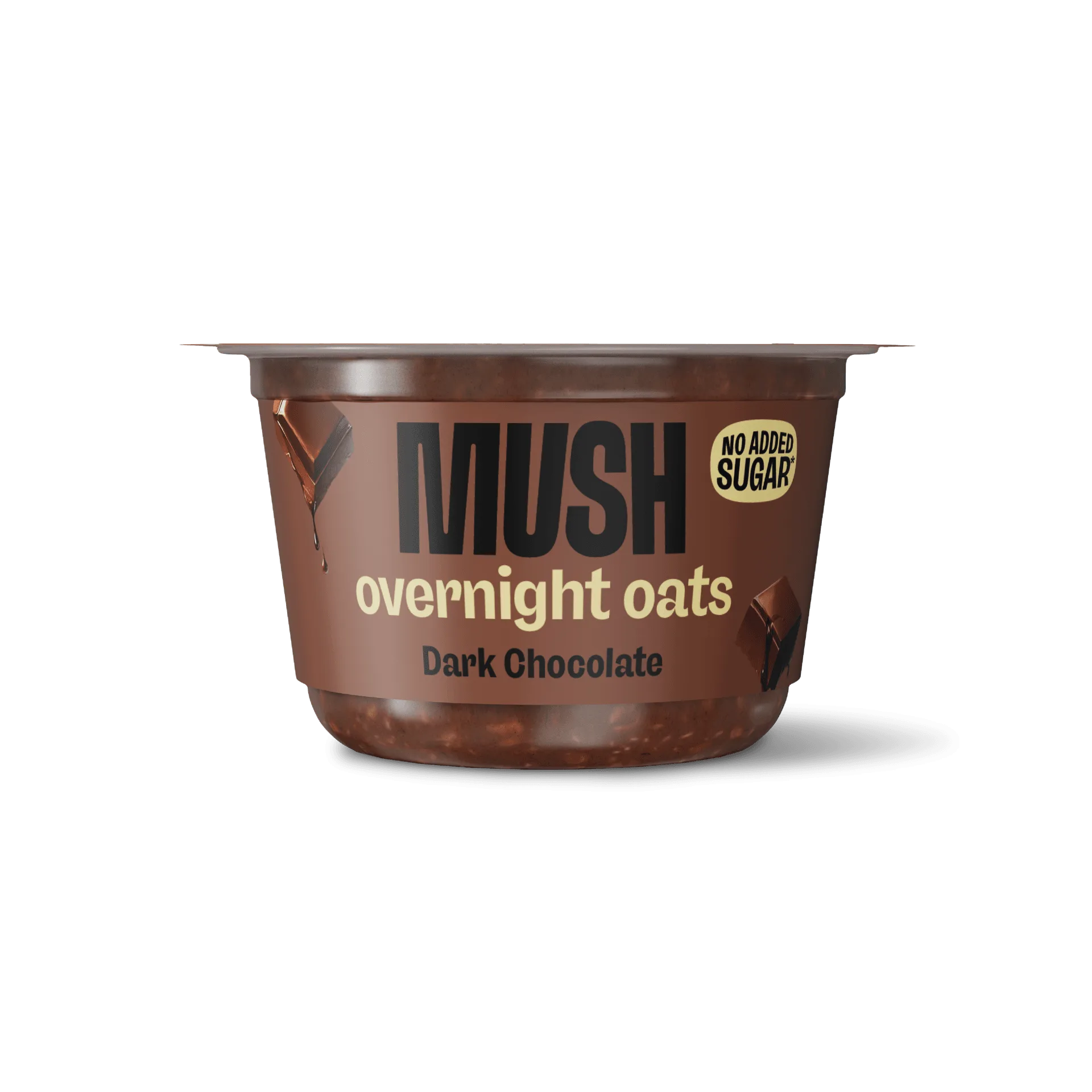
Dark Chocolate
Nutritional Profile: Whole Foods vs. Protein Powder
Whole food protein sources come packaged with a variety of other nutrients. A 3-ounce chicken breast provides about 26 grams of protein along with B vitamins, selenium, and phosphorus. Eggs offer high-quality protein plus choline and healthy fats. Beans deliver fiber and complex carbohydrates alongside their protein content.
Single flavor protein powders, on the other hand, are concentrated protein isolates or concentrates. A typical scoop of Vanilla Bean protein powder provides around 20-25 grams of protein with minimal fat and carbs. The trade-off is that you miss out on the micronutrients found in whole foods. However, many powders are fortified with vitamins and minerals to bridge that gap.
- Whole foods provide a broader nutrient profile beyond just protein.
- Protein powders offer a quick, low-calorie protein boost without extra macronutrients.
Digestibility and Absorption
Protein digestibility is measured by the Protein Digestibility Corrected Amino Acid Score (PDCAAS). Most animal-based whole foods score near 1.0, meaning they are highly digestible. Plant-based whole foods like beans and grains score lower due to anti-nutrients, but cooking and processing improve their digestibility.
Single flavor protein powders, especially whey and soy isolates, are engineered for rapid absorption. They are broken down quickly in the stomach, making them ideal post-workout. However, whole foods provide a slower, sustained release of amino acids, which can be beneficial for muscle maintenance over longer periods.
- Whey protein powder is absorbed within 30-60 minutes; whole food protein takes 2-4 hours.
- Combining both can provide immediate and sustained amino acid delivery.
Cost and Convenience Comparison
Per gram of protein, whole foods can be cheaper, especially when bought in bulk. Chicken breast costs about $0.10 per gram of protein, while eggs are around $0.08 per gram. However, they require cooking time, meal prep, and refrigeration.
Single flavor protein powders, such as Dark Chocolate or French Vanilla, cost roughly $0.15 to $0.25 per gram of protein, but they offer unmatched convenience. A scoop of powder with water or milk takes 30 seconds to prepare. For busy professionals or athletes, the time saved can justify the higher cost.
- Whole foods are generally cheaper but require preparation.
- Protein powders are more expensive per gram but save time and are portable.
Amino Acid Profile: Completeness Matters
Animal-based whole foods (meat, eggs, dairy) contain all nine essential amino acids, making them complete proteins. Most plant-based whole foods lack one or more essential amino acids, so variety is key. For example, rice is low in lysine, while beans are low in methionine.
Single flavor protein powders derived from whey, casein, soy, or pea protein are typically complete proteins. They are formulated to provide an optimal amino acid profile for muscle synthesis. A powder like https://simpleplate.shop/products/peanut-butter-banana-78715Peanut Butter Banana can deliver a balanced profile without the need to combine different foods.
- Complete proteins are important for muscle repair and growth.
- Plant-based eaters can use a single flavor protein powder to ensure all amino acids are covered.
Practical Tips for Combining Both Sources
You don't have to choose one over the other. In fact, using both whole foods and protein powders can optimize your nutrition. For breakfast, try a smoothie with Vanilla Bean protein powder, spinach, and berries. For lunch, have a grilled chicken salad with quinoa and avocado.
For post-workout recovery, a shake with Dark Chocolate protein powder provides fast-absorbing protein. Later, a dinner of salmon with sweet potatoes and broccoli offers whole food nutrients. This approach ensures you get the benefits of both immediate and sustained protein delivery.
- Use protein powder for convenience and quick recovery.
- Rely on whole foods for meals to get fiber, vitamins, and minerals.
Whether you choose whole food protein sources, a single flavor protein powder, or a combination of both, the key is consistency and meeting your individual protein needs. For a convenient, delicious option that fits into any lifestyle, explore our range of single flavor protein powders like Vanilla Bean or Dark Chocolate to find your perfect match.