In a world buzzing with notifications, deadlines, and constant stimulation, finding the right sensory toy can be a game-changer for focus, calm, and productivity. Whether you're a desk worker, a student, or someone managing anxiety, the choices can feel overwhelming. Three popular categories dominate the market: slabs, putty, and stress balls. But which one is truly right for you?
In this sensory toy comparison, we’ll break down the unique benefits, drawbacks, and ideal use cases for each type. By the end, you’ll know exactly which sensory fidget fits your lifestyle. Plus, we’ll highlight some top-rated options from Shop Speks to help you make a confident choice.
Understanding the Three Contenders: Slabs, Putty, and Stress Balls
Before diving into the stress ball vs fidget debate or comparing slabs vs putty, let’s define each category clearly.
What Are Sensory Slabs?
Sensory slabs are flat, often magnetic or textured pieces designed for tactile exploration. They can be pressed, snapped, stacked, or slid. Examples include magnetic building tiles, silicone grids, or the innovative Geode Magnetic Fidget Set from Shop Speks, which offers a satisfying, modular feel. Slabs are particularly popular among those who enjoy structured, repetitive motions.
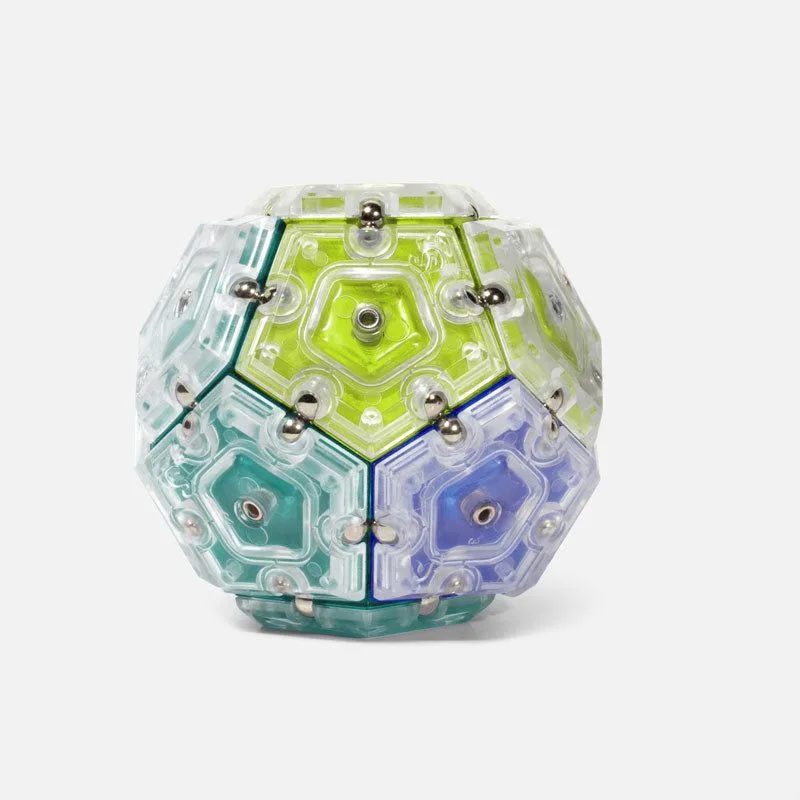
Geode Magnetic Fidget Set
What Is Sensory Putty?
Sensory putty is a stretchy, moldable substance that can be pulled, twisted, squeezed, and shaped. It’s often infused with glitter, scents, or heat-sensitive colors for extra engagement. Putty is a classic choice for occupational therapy and for individuals who need resistance during fidgeting.
What Are Stress Balls?
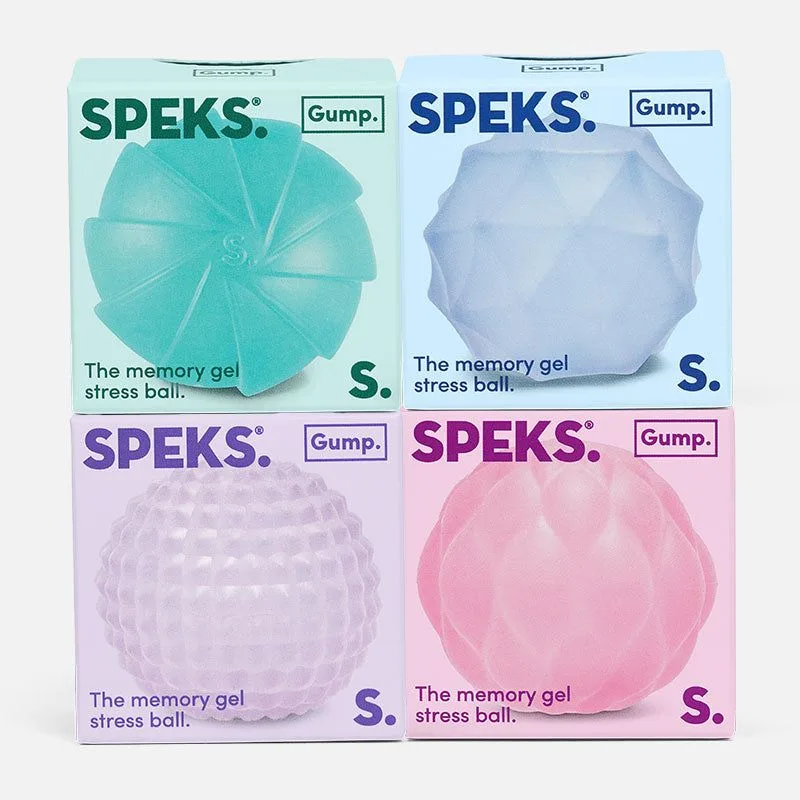
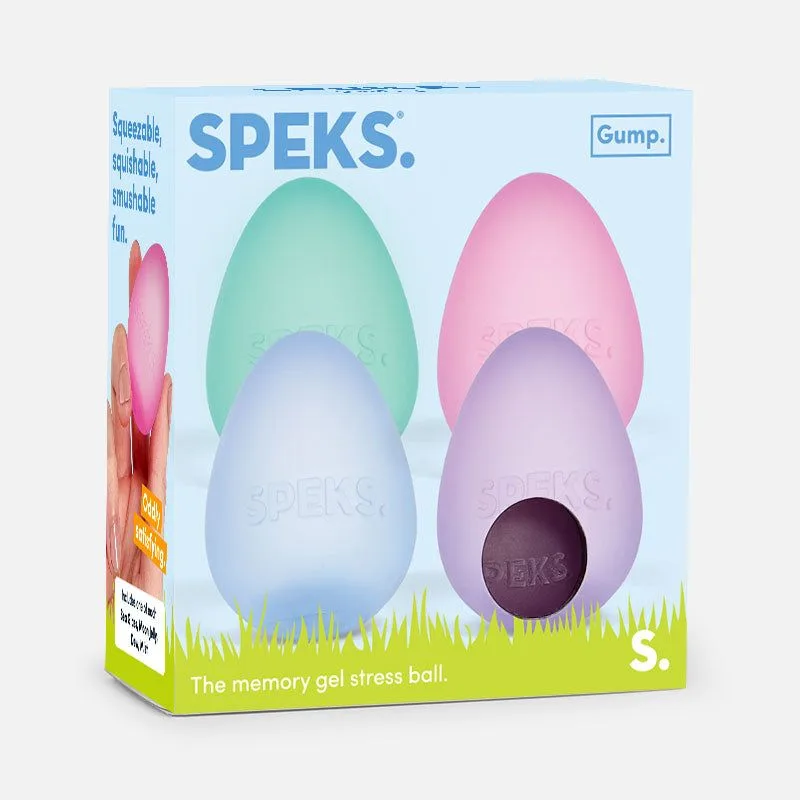
Stress balls are squeezable objects, typically made of foam, gel, or rubber. They’re designed to be compressed repeatedly to release tension. The slabs vs putty discussion often overlooks stress balls, but they remain a staple for good reason: simplicity and immediate relief.
Slabs vs Putty: A Head-to-Head Comparison
Let’s start with the most debated pairing. When you’re deciding between slabs and putty, consider these factors:
Factor
Slabs
Putty
Tactile Feedback
Firm, clicky, or magnetic snap
Soft, stretchy, and moldable
Portability
Usually flat and easy to stack
Requires a container
Noise Level
Can be quiet or clicky depending on material
Silent
Durability
High (especially magnetic sets)
Moderate (can dry out over time)
Best For
Structured fidgeting, pattern building
Stress kneading, creative shaping
For example, the Geode Magnetic Fidget Set is a slab-like option that offers a unique, stone-inspired texture and magnetic connectivity. It’s perfect for someone who wants to build small structures or enjoys the sensory satisfaction of magnets clicking into place. Putty, on the other hand, is ideal for those who need to keep their hands busy without any sound—perfect for libraries or open-plan offices.
Stress Ball vs Fidget: Why the Classic Still Wins for Some
The stress ball vs fidget debate often centers on simplicity. Stress balls require no thought—you just squeeze. They’re excellent for releasing pent-up energy in short bursts. However, they lack the variety of textures and movements that modern fidget toys offer.
That said, stress balls have evolved. Today, you can find silicone stress balls with unique shapes or even magnetic components. But for pure, mindless compression, nothing beats a classic foam ball.
If you’re looking for something that bridges the gap between a stress ball and a more engaging fidget, consider the Helix Magnetic Fidget Coil. This coiled, magnetic toy offers the squeeze-and-release motion of a stress ball but with the added bonus of magnetic pull and a satisfying tactile texture. It’s a hybrid that satisfies both camps.
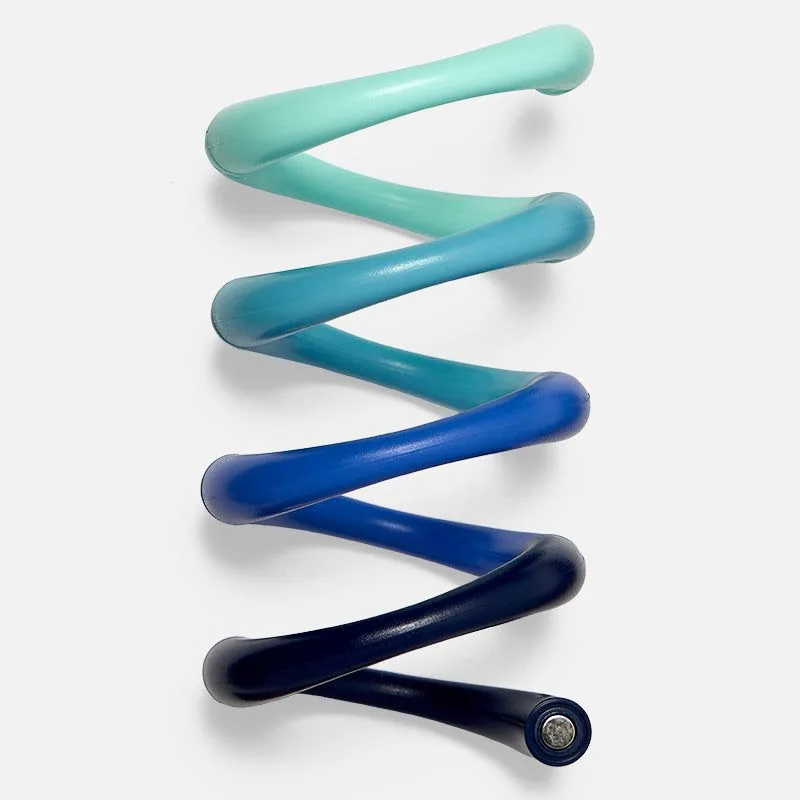
Helix Magnetic Fidget Coil
Putty vs Slabs for Focus and Productivity
When it comes to focus, the putty vs slabs debate hinges on your fidgeting style. Do you fidget unconsciously or deliberately? Here’s a quick breakdown:
- For unconscious fidgeters (those who fidget without realizing): Putty works well because it’s quiet and doesn’t require visual attention. You can knead it under the desk while listening in a meeting.
- For deliberate fidgeters (those who enjoy a tactile, visual experience): Slabs like magnetic sets offer a more engaging, satisfying interaction. The Supers 33mm Magnet Balls are a great example—they’re large, smooth, and perfect for stacking or rolling between your palms.
Studies have shown that repetitive tactile stimulation can improve concentration by engaging the brain’s sensory-motor pathways. Both putty and slabs achieve this, but through different mechanisms. Putty provides a continuous, pliable resistance, while slabs offer discrete, repeating actions like snapping or sliding.
Who Should Choose a Stress Ball?
Stress balls are ideal for:
- High-stress scenarios: When you need immediate physical release (e.g., before a presentation).
- Low hand dexterity: Simple squeezing doesn’t require fine motor skills.
- Brief fidgeting sessions: Stress balls are best for short, intense use.
If you’re a fan of stress balls but want something more durable and versatile, the Fleks Flexible Silicone Fidget Magnets from Shop Speks offer a similar squeeze-and-release feel but with the added benefit of magnetic flexibility. They can be folded, twisted, and snapped—a step up from the basic stress ball.
Sensory Toy Comparison: Key Takeaways at a Glance
To help you decide, here’s a final side-by-side comparison of all three categories:
Attribute
Slabs
Putty
Stress Balls
Primary Action
Snap, stack, slide
Stretch, knead, mold
Squeeze, compress
Best Environment
Desk, home, creative work
Library, office, travel
Anywhere with quick breaks
Auditory Feedback
Can be audible
Silent
Silent
Long-term Engagement
High (endless configurations)
Moderate (may dry out)
Low (one-motion)
Portability
Excellent (flat items)
Good (with container)
Excellent
Price Range
$$ (often premium)
$ (budget-friendly)
$ (very affordable)
How to Choose the Right Sensory Toy for Your Needs
Now that you understand the differences, here’s a simple decision framework:
- Choose slabs if you enjoy visual and tactile variety, like building, and prefer a durable, long-lasting toy. Magnetic options like the Supers 33mm Magnet Balls are excellent for creative minds.
- Choose putty if you need a quiet, discreet fidget that offers continuous resistance and is easy to carry in a pocket or bag.
- Choose stress balls if you want the simplest, most immediate way to release tension without any learning curve.
Remember, you don’t have to limit yourself to one. Many people keep a stress ball at their desk, putty in their bag, and a slab set at home for evening relaxation. Mixing and matching can actually enhance your sensory experience.
Top Picks from Shop Speks for Each Category
Shop Speks offers a curated selection of high-quality sensory toys that fit each category. Here are a few recommendations:
- For slab lovers: The Geode Magnetic Fidget Set provides a unique, stone-inspired texture and magnetic connectivity that’s both soothing and engaging.
- For stress ball fans looking for an upgrade: The Fleks Flexible Silicone Fidget Magnets offer a satisfying squeeze with the added fun of magnetic flexibility.
- For hybrid fidgeters: The Helix Magnetic Fidget Coil combines the compression of a stress ball with the tactile feedback of a magnetic toy.
No matter your preference, Shop Speks has a sensory toy tailored to your needs.
Ready to find your perfect sensory companion? Explore the Geode Magnetic Fidget Set today and experience the satisfaction of structured, magnetic fidgeting. It’s the ideal choice for anyone who values durability, creativity, and calm.