When it comes to protecting your skin from harmful UV rays, choosing the right sunscreen is crucial—especially if you have sensitive skin. Chemical sunscreens can often cause irritation, redness, or breakouts, leaving many people searching for a gentler alternative. Enter mineral sunscreen, also known as physical sunscreen. In this comprehensive guide, we’ll explore why mineral sunscreen is a game-changer for sensitive skin, how it works, and how to incorporate it into your daily routine. Whether you’re a skincare newbie or a seasoned enthusiast, this sunscreen guide will help you make an informed choice.
What Is Mineral Sunscreen?
Mineral sunscreen uses natural minerals like zinc oxide and titanium dioxide to create a physical barrier on the skin’s surface. Unlike chemical sunscreens that absorb UV rays and convert them into heat, mineral sunscreens reflect and scatter UV radiation away from the skin. This makes them ideal for sensitive, reactive, or acne-prone skin types. The key ingredient in many mineral sunscreens is zinc oxide, which provides broad-spectrum protection against both UVA and UVB rays without irritating the skin.
How Does Mineral Sunscreen Differ from Chemical Sunscreen?
Understanding the differences can help you decide which type is best for your skin:
- Mechanism of action: Chemical sunscreens absorb UV rays, while mineral sunscreens block them.
- Skin irritation: Chemical filters like oxybenzone and avobenzone can cause stinging or allergic reactions; mineral filters are generally non-irritating.
- Immediate protection: Mineral sunscreen works as soon as it’s applied; chemical sunscreen requires about 20 minutes to become effective.
- Ingredients: Mineral sunscreens rely on zinc oxide and titanium dioxide, which are considered safe for sensitive skin.
Top Benefits of Mineral Sunscreen for Sensitive Skin
If you have sensitive skin, the benefits of mineral sunscreen are numerous. Here are the most compelling reasons to make the switch:
1. Gentle on the Skin
Zinc oxide is a naturally occurring mineral that is non-comedogenic (won’t clog pores) and hypoallergenic. It’s often recommended by dermatologists for people with rosacea, eczema, or acne. Unlike chemical sunscreens that can cause a burning sensation, mineral sunscreen sits on top of the skin, providing a soothing layer of protection. For those with extremely reactive skin, Anua offers the Mineral Weightless Finish Sunscreen, which is formulated with high-quality zinc oxide for a lightweight, non-greasy feel.
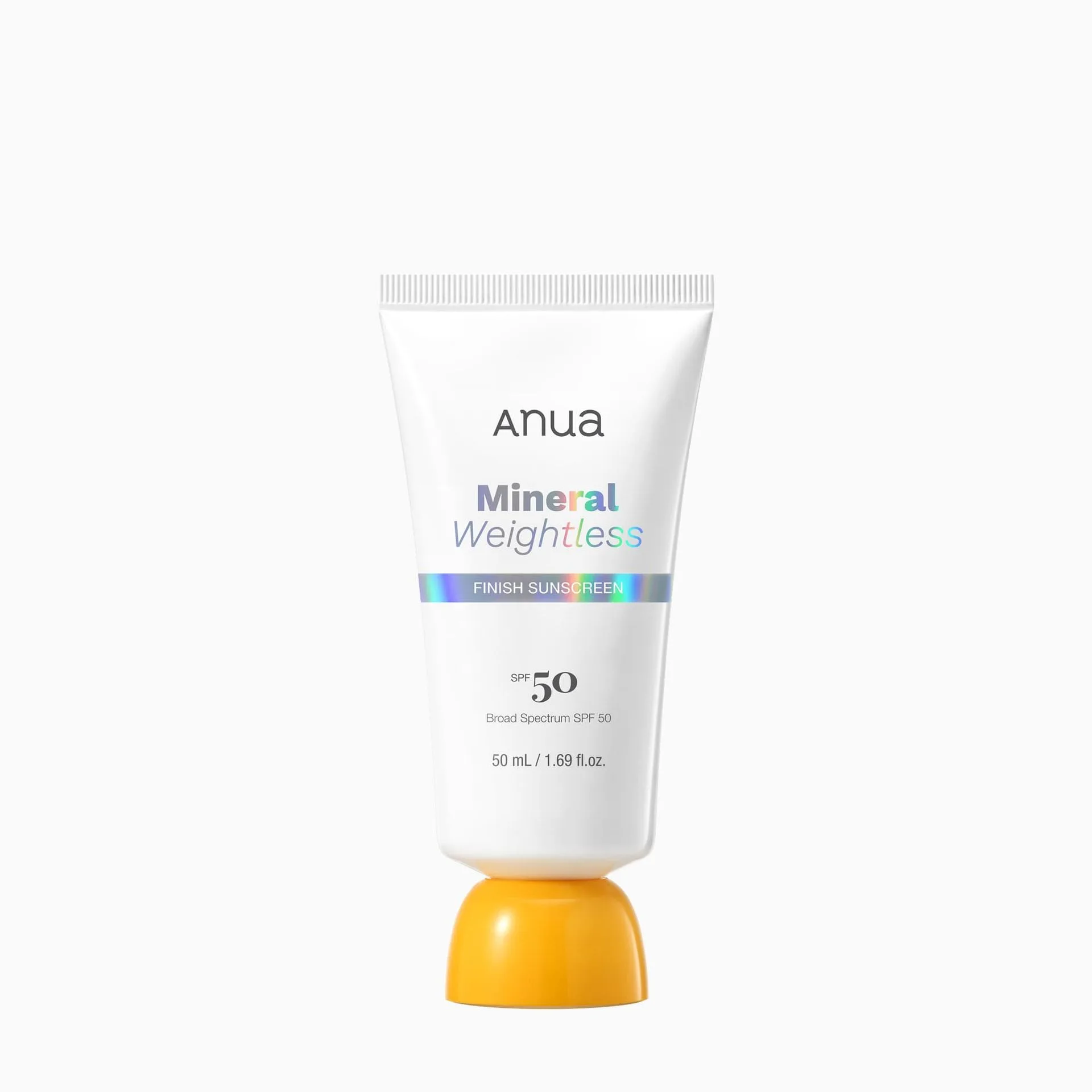
Mineral Weightless Finish Sunscreen
2. Broad-Spectrum Protection
Mineral sunscreens with zinc oxide offer excellent broad-spectrum protection. This means they shield your skin from both UVA rays (which cause premature aging) and UVB rays (which cause sunburn). Many mineral sunscreens also contain added antioxidants to boost protection against environmental stressors.
3. Immediate Effectiveness
One of the biggest advantages of physical sunscreen is that it works right away. You don’t have to wait 20 minutes before heading outside. This is perfect for busy mornings or when you’re applying sunscreen after moisturizer. Simply apply and go.
4. Safe for Daily Use
Mineral sunscreens are generally considered safer for long-term use because they don’t absorb into the skin. This makes them a great choice for daily wear, even under makeup. Many mineral formulas now come in tinted versions to avoid the white cast traditionally associated with zinc oxide.
Key Ingredients to Look for in the Best Sunscreen for Sensitive Skin
When shopping for a mineral sunscreen, pay attention to the ingredient list. Here are the most beneficial ingredients:
- Zinc oxide: The gold standard for sensitive skin. Look for non-nano particles to avoid potential irritation from tiny particles.
- Titanium dioxide: Often combined with zinc oxide for extra protection, though it may not cover the full UVA spectrum alone.
- Niacinamide: Helps soothe inflammation and strengthen the skin barrier.
- Hyaluronic acid: Adds hydration without clogging pores.
- Ceramides: Support the skin barrier and reduce moisture loss.
Anua’s lineup includes products that pair mineral sunscreen with hydrating and soothing ingredients. For example, after cleansing, you can prep your skin with the 8 Hyaluronic Acid Moisturizing Gentle Gel Cleanser to keep your skin calm and hydrated before applying sunscreen.
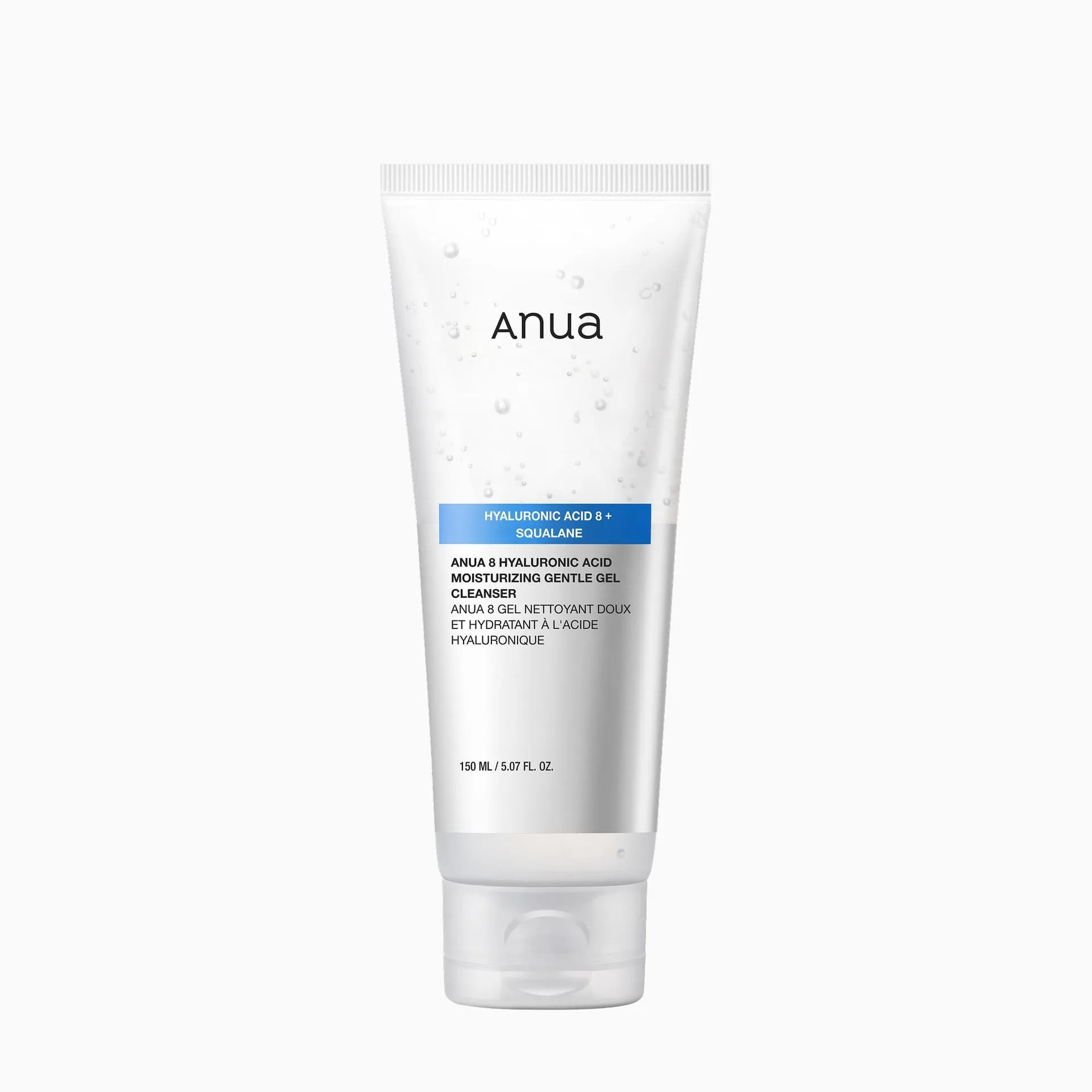
8 Hyaluronic Acid Moisturizing Gentle Gel Cleanser
How to Incorporate Mineral Sunscreen into Your Routine
Using mineral sunscreen correctly ensures maximum protection. Follow this step-by-step routine:
- Cleanse: Start with a gentle cleanser to remove dirt and oil.
- Apply serum: Use a lightweight serum like the Niacinamide 10 TXA 4 Serum for Brightening and Dark Spots to target dark spots and even skin tone.
- Moisturize: Follow with a hydrating moisturizer suited to your skin type.
- Apply sunscreen: Use a nickel-sized amount of mineral sunscreen for your face, and don’t forget your neck and ears.
- Reapply: Reapply every two hours if you’re outdoors or after sweating/swimming.
Common Myths About Mineral Sunscreen Debunked
Despite its many benefits, mineral sunscreen has some misconceptions. Let’s set the record straight:
- Myth: Mineral sunscreen leaves a white cast. Reality: Modern formulations, like Anua’s Mineral Weightless Finish Sunscreen, are micronized or tinted to blend seamlessly into the skin.
- Myth: It’s too thick for oily skin. Reality: Many mineral sunscreens are lightweight and oil-free, making them suitable for all skin types.
- Myth: You don’t need sunscreen on cloudy days. Reality: Up to 80% of UV rays can penetrate clouds, so daily application is essential.
Who Should Use Mineral Sunscreen?
Mineral sunscreen is especially recommended for:
- People with sensitive or reactive skin
- Those with rosacea, eczema, or acne
- Pregnant or breastfeeding individuals (since chemical filters may be absorbed)
- Children and babies (mineral sunscreen is often the safest option)
- Anyone looking for clean, non-toxic skincare
Comparing Mineral and Chemical Sunscreens: A Quick Table
Feature
Mineral Sunscreen
Chemical Sunscreen
Active ingredients
Zinc oxide, titanium dioxide
Oxybenzone, avobenzone, octinoxate
Skin irritation risk
Low
Moderate to high (for sensitive skin)
Onset of protection
Immediate
20 minutes after application
Texture
Can be thicker, but modern formulas are lightweight
Often thinner and more cosmetically elegant
Best for
Sensitive, acne-prone, or reactive skin
Normal or oily skin without sensitivities
Environmental impact
Reef-safe (zinc oxide and titanium dioxide are generally considered reef-safe)
Some chemicals can harm coral reefs
Tips for Making Mineral Sunscreen Work for You
If you’ve tried mineral sunscreen in the past and didn’t love the texture, here are some tips to improve your experience:
- Apply on damp skin: This helps the sunscreen spread more evenly.
- Use a primer or setting powder: If you wear makeup, a tinted mineral sunscreen can double as a base.
- Mix with moisturizer: Some people mix a small amount of mineral sunscreen with their moisturizer for a lighter feel (though this may reduce SPF, so use caution).
- Choose a tinted formula: Tinted mineral sunscreens often blend better and provide additional coverage for redness or uneven tone.
Final Thoughts
Mineral sunscreen is a true game-changer for anyone with sensitive skin. Its gentle, non-irritating formulation, combined with immediate and broad-spectrum protection, makes it the best choice for daily use. By choosing a high-quality product like the Mineral Weightless Finish Sunscreen from Anua, you can protect your skin without compromising on comfort or texture. Remember, sunscreen is the most important step in any skincare routine—so make the switch today and give your skin the care it deserves.
Ready to upgrade your sun protection? Explore the Mineral Weightless Finish Sunscreen from Anua and experience the difference a clean, mineral formula can make for your sensitive skin.