In an era where every purchase carries an environmental footprint, sustainable tableware has become more than a trend—it's a movement. Consumers are increasingly seeking out eco-friendly dinnerware and green kitchen essentials that align with a commitment to sustainable living. Whether you're hosting a dinner party or simply enjoying a quiet meal, the materials you choose for your plates, bowls, and utensils can make a significant difference. This guide explores the most promising sustainable materials and highlights innovative brands, including products from Material, that are leading the way in tabletop trends.
Why Sustainable Tableware Matters
The global tableware industry has historically relied on resource-intensive materials like virgin plastics, non-renewable ceramics, and chemically treated textiles. However, a growing awareness of climate change and plastic pollution is driving a shift toward more responsible choices. Sustainable tableware reduces waste, lowers carbon emissions, and often supports fair labor practices. By opting for eco-friendly dinnerware, you contribute to a circular economy where materials are reused, recycled, or biodegraded. This article will help you navigate the best options for your home, from durable knives to beautiful linens.
Top Eco-Friendly Materials for Tableware
Understanding the materials behind your tableware is the first step toward making greener choices. Here are the most promising sustainable materials currently available.
Bamboo and Wood
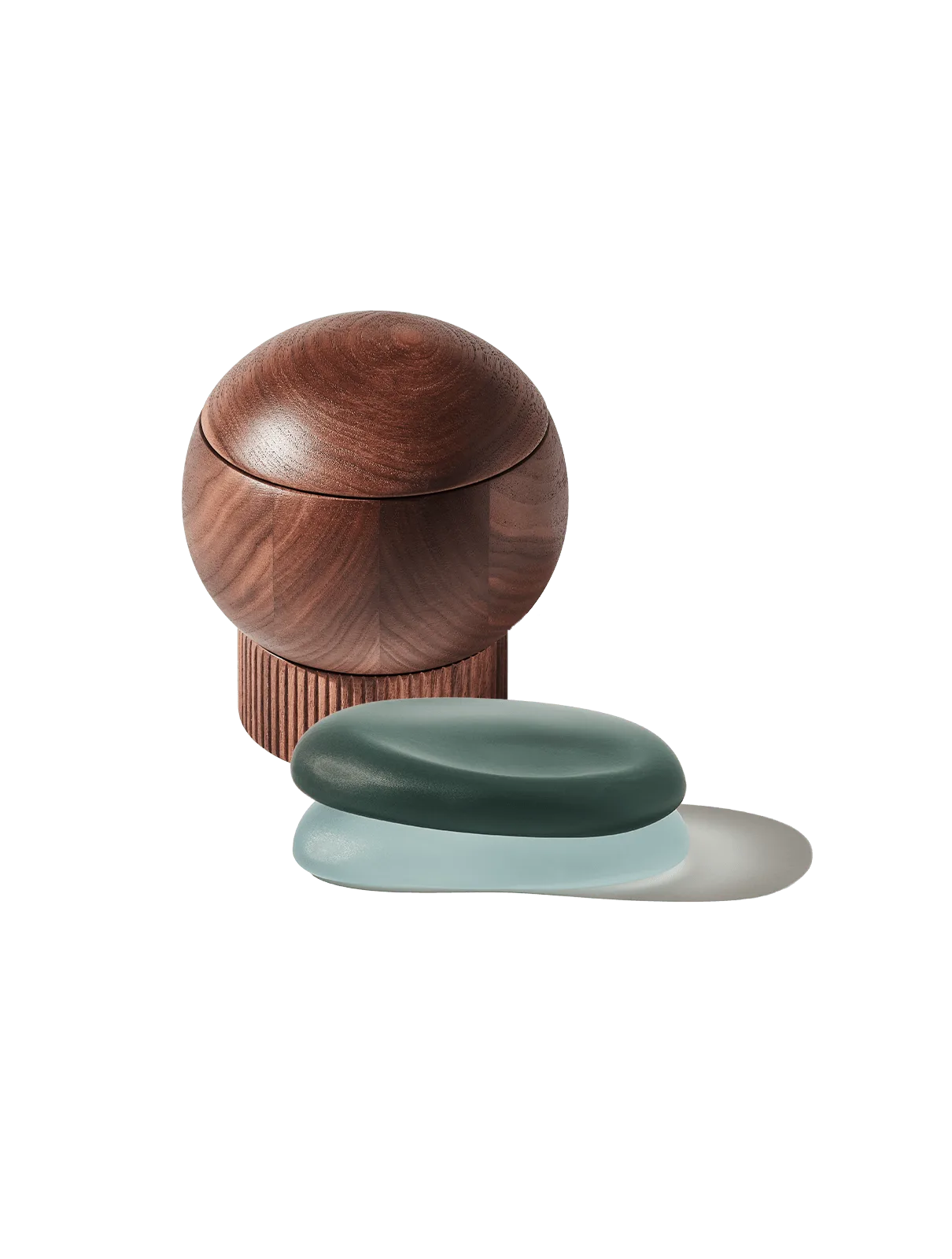
Bamboo is one of the fastest-growing plants on Earth, making it an incredibly renewable resource. It requires minimal water and no pesticides to thrive. Bamboo tableware—such as cutting boards, bowls, and utensils—is lightweight, durable, and naturally antimicrobial. However, look for products that use food-safe adhesives and finishes. Wood, particularly from reclaimed or certified sustainable forests, offers a similar eco-friendly profile. For example, the The MK Free Board from Material is crafted from responsibly sourced wood, providing a sturdy, plastic-free surface for meal prep that aligns with green kitchen principles.

The MK Free Board
Recycled and Upcycled Materials
Recycled glass, aluminum, and even post-consumer plastics are being transformed into stunning tableware. Recycled glass dinnerware, for instance, uses less energy to produce than virgin glass and keeps waste out of landfills. Some artisans create unique pieces from upcycled ceramic scraps or discarded industrial materials. These products often have a distinctive, handcrafted look that adds character to any table setting.
Natural Fibers and Textiles
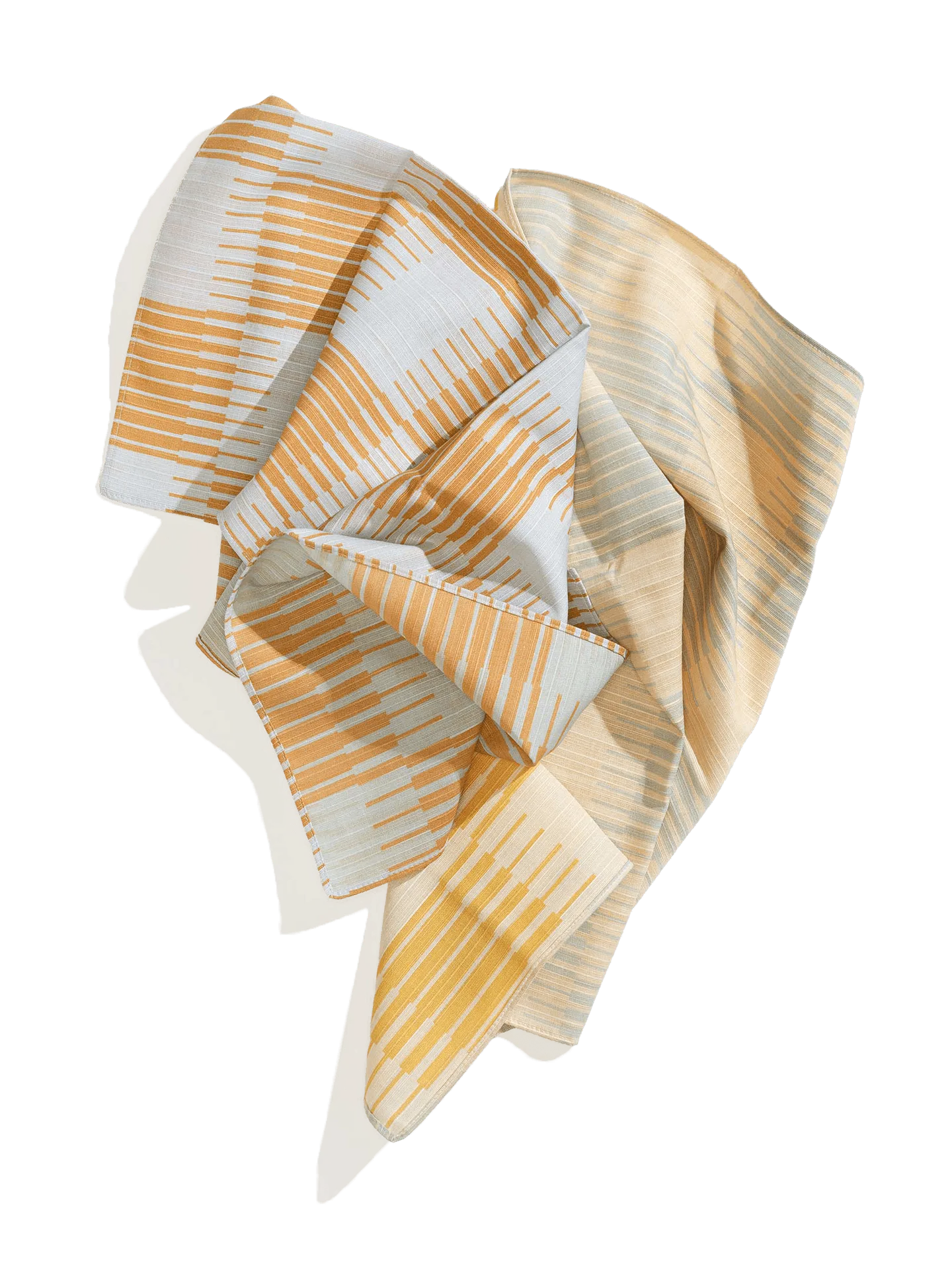
Table linens made from organic cotton, linen, hemp, or even Tencel are biodegradable and grown without harmful chemicals. Linen, in particular, is a champion of sustainable textiles—it requires less water than cotton and can be grown in poor soil. Material's Dinner Napkins Double Sided Checker - Quiet Season exemplify this trend, offering a reversible, pattern-rich design that reduces the need for multiple napkin sets. These napkins are made from natural fibers, ensuring they are both beautiful and kind to the planet.
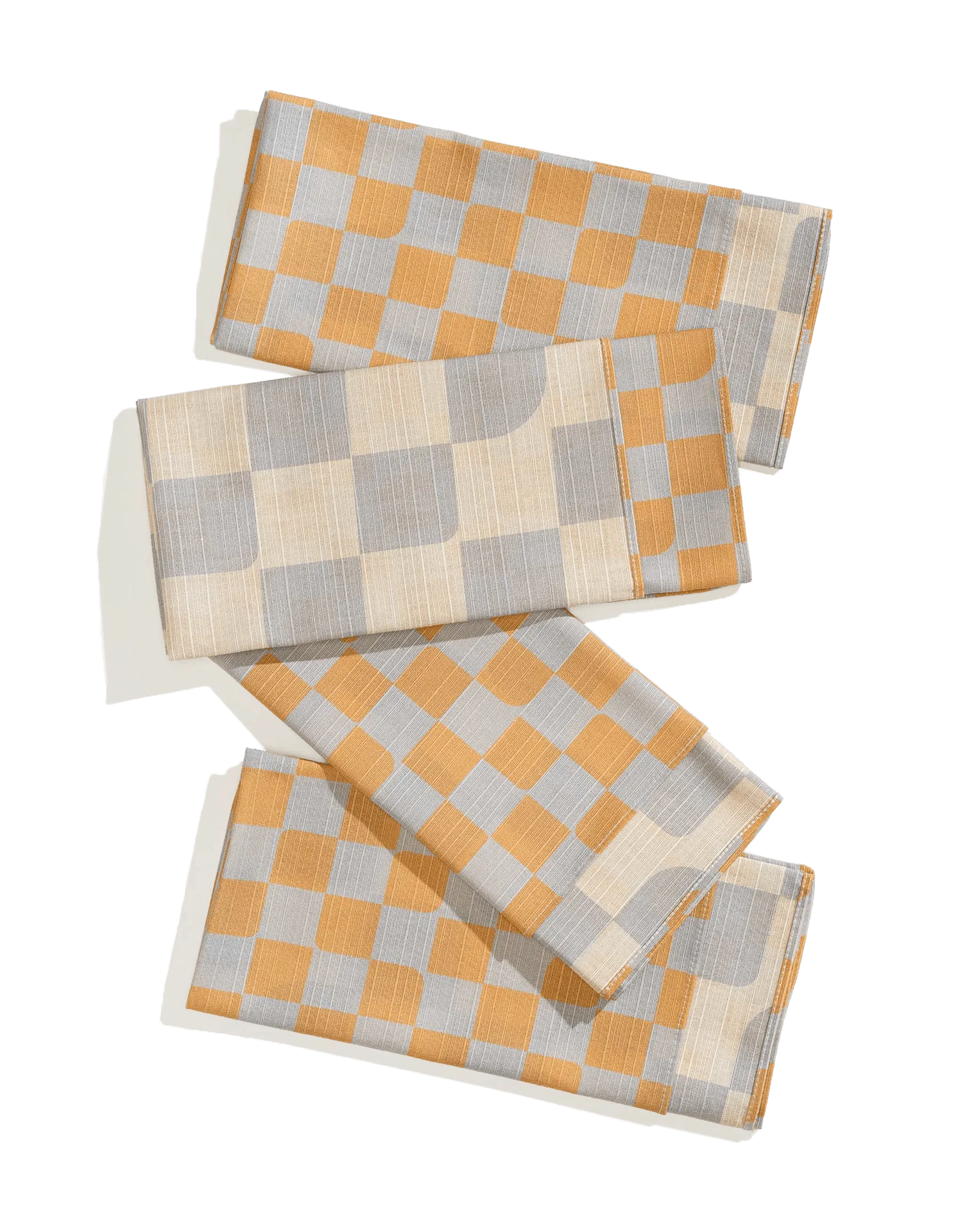
Dinner Napkins Double Sided Checker - Quiet Season
Biodegradable and Compostable Plastics
While traditional plastics are a major environmental problem, new bioplastics made from cornstarch, sugarcane, or potato starch offer a temporary solution. These materials can break down in industrial composting facilities, though they require proper disposal. Look for certifications like BPI (Biodegradable Products Institute) to ensure genuine compostability. However, they are best used for disposable items like party plates rather than everyday dinnerware.
How to Choose Sustainable Dinnerware
When shopping for eco-friendly dinnerware, consider the entire lifecycle of the product: raw materials, manufacturing, packaging, shipping, and end-of-life disposal. Here are practical tips:
- Check certifications: Look for FSC (Forest Stewardship Council) for wood, GOTS (Global Organic Textile Standard) for textiles, or Fair Trade for ethical labor.
- Prioritize durability: A well-made plate that lasts for decades is more sustainable than a cheap one that chips and ends up in a landfill.
- Choose versatile designs: Neutral colors and timeless patterns mix and match easily, reducing the urge to buy new sets frequently.
- Support local artisans: Handmade pottery or woodwork often has a lower carbon footprint than mass-produced imports.
Brands and Products Leading the Green Kitchen Movement
Several brands are making waves with their commitment to sustainability. Material, for instance, offers a curated selection of tableware that prioritizes eco-friendly materials and thoughtful design. Let's explore some standout products that embody these values.
Cutting Boards and Prepware
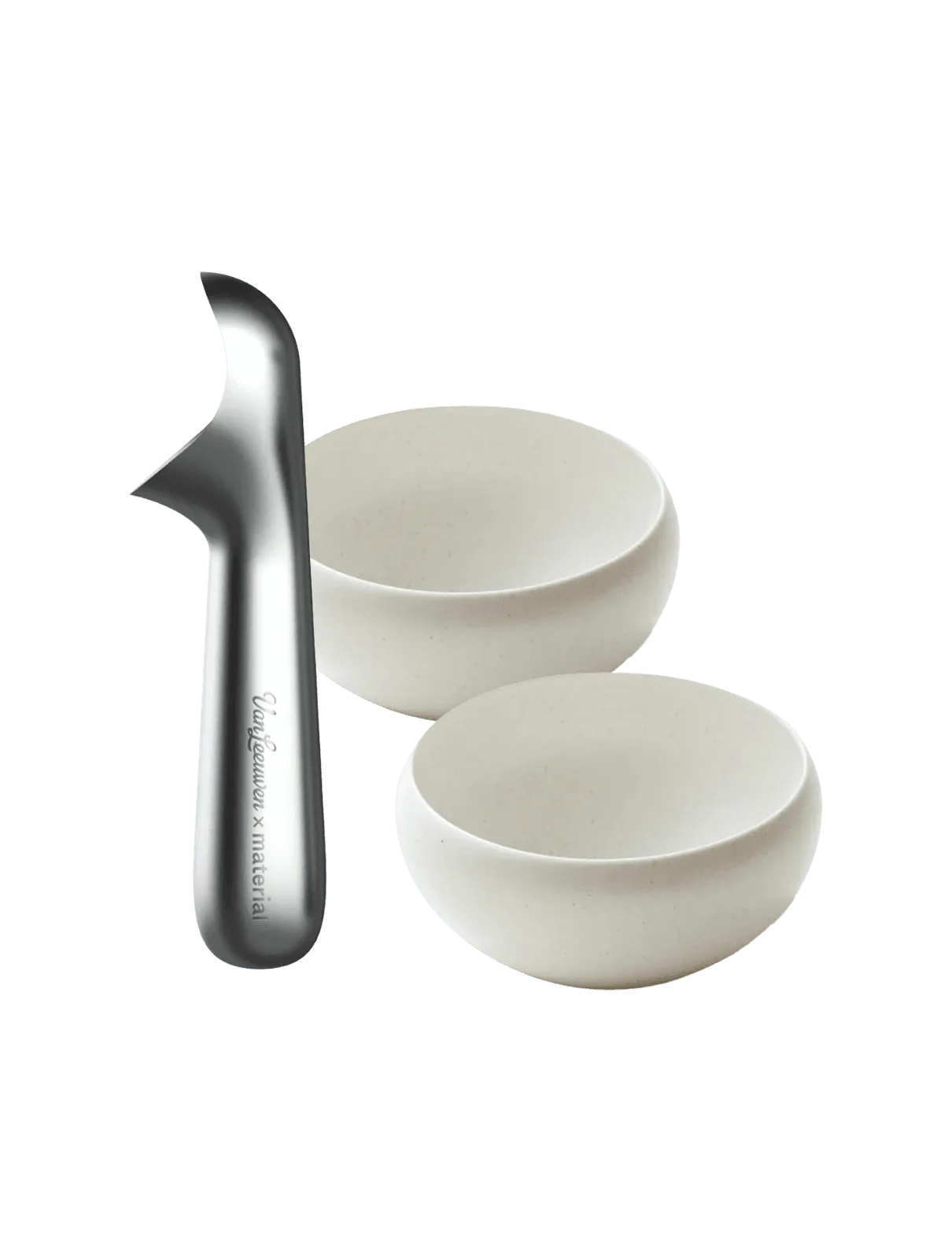
High-quality cutting boards are the backbone of any green kitchen. The The MK Free Board is a prime example: made from sustainably harvested wood, it resists knife marks and bacterial growth without the need for plastic. For those who prefer metal tools, Material's The 8" Knife pairs a durable stainless steel blade with an ergonomic handle, ensuring longevity and reducing the need for frequent replacements.
Table Linens and Textiles
Reusable cloth napkins and tablecloths are a cornerstone of sustainable dining. The Dinner Napkins Double Sided Checker - Quiet Season offer a practical and stylish alternative to paper napkins. Made from natural fibers, they can be washed and reused countless times, drastically reducing waste. Pair them with the Tablecloth Reversible Grid, which offers two looks in one, maximizing versatility while minimizing material use.
Cutlery and Flatware
Stainless steel flatware is inherently sustainable if it's made from recycled stainless steel or if it's built to last. Material's Pantry Cutlery and French Country Cutlery are both crafted from high-quality materials that resist corrosion and bending, meaning they can be passed down through generations. For a complete set, the The Trio of Knives provides essential blades for every kitchen task, reducing the need for single-use plastic cutters.
Bowls and Serveware
Bowls made from natural materials like ceramic or wood are both beautiful and sustainable. The The Medium Goun Bowl is a versatile piece that can be used for salads, soups, or snacks. Its timeless design ensures it won't go out of style, encouraging long-term use over disposable alternatives.
Trivets and Accessories
Protecting your table from heat damage doesn't have to involve synthetic materials. The Artisan Felt Pom Pom Trivet is made from wool felt, a renewable and biodegradable resource. It adds a playful touch to your table while preventing heat damage, reducing the need for disposable coasters.
The Future of Sustainable Tableware
The tableware industry is evolving rapidly, with innovations in materials like mushroom-based leather, algae-derived bioplastics, and even lab-grown ceramics. As consumers demand more transparency, brands are responding with detailed sustainability reports and carbon-neutral shipping options. The trend toward minimalism also supports sustainability—buying fewer, higher-quality pieces reduces overall consumption. By staying informed and making mindful choices, you can enjoy a beautiful table that reflects your values.
Care Tips for Longevity
To maximize the lifespan of your sustainable tableware, follow these care guidelines:
- Wood and bamboo: Hand wash with mild soap and dry immediately. Oil periodically with food-grade mineral oil to prevent cracking.
- Natural fiber linens: Wash in cold water with eco-friendly detergent. Air dry or tumble dry on low heat to reduce energy use.
- Stainless steel: Dishwasher safe, but hand drying prevents water spots. Avoid abrasive pads that can scratch the surface.
- Ceramics: Use gentle dish soap and avoid sudden temperature changes to prevent cracking.
Making the switch to sustainable tableware is a rewarding journey that benefits both your home and the planet. By choosing products crafted from renewable, recycled, or biodegradable materials, you reduce waste and support a more responsible economy. Material's collection offers a range of eco-friendly options that blend style with substance, from the wood-based The MK Free Board to the reusable Dinner Napkins Double Sided Checker - Quiet Season. Start your green kitchen transformation today and enjoy the peace of mind that comes with sustainable living.
Ready to elevate your tabletop with eco-friendly elegance? Explore The Medium Goun Bowl—a versatile, sustainably crafted piece that perfectly complements your green kitchen. Visit Material's full collection to find more sustainable tableware that fits your lifestyle.