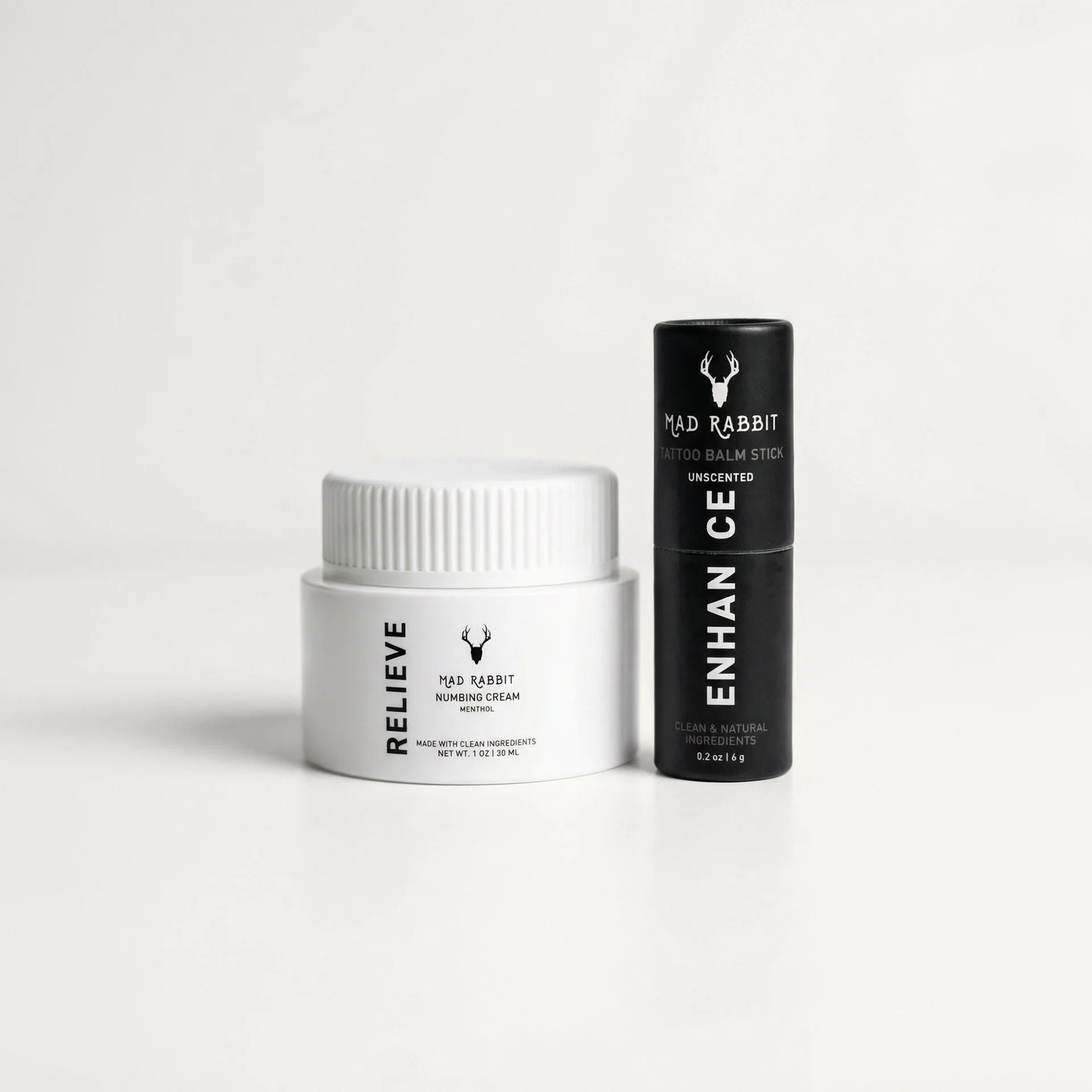
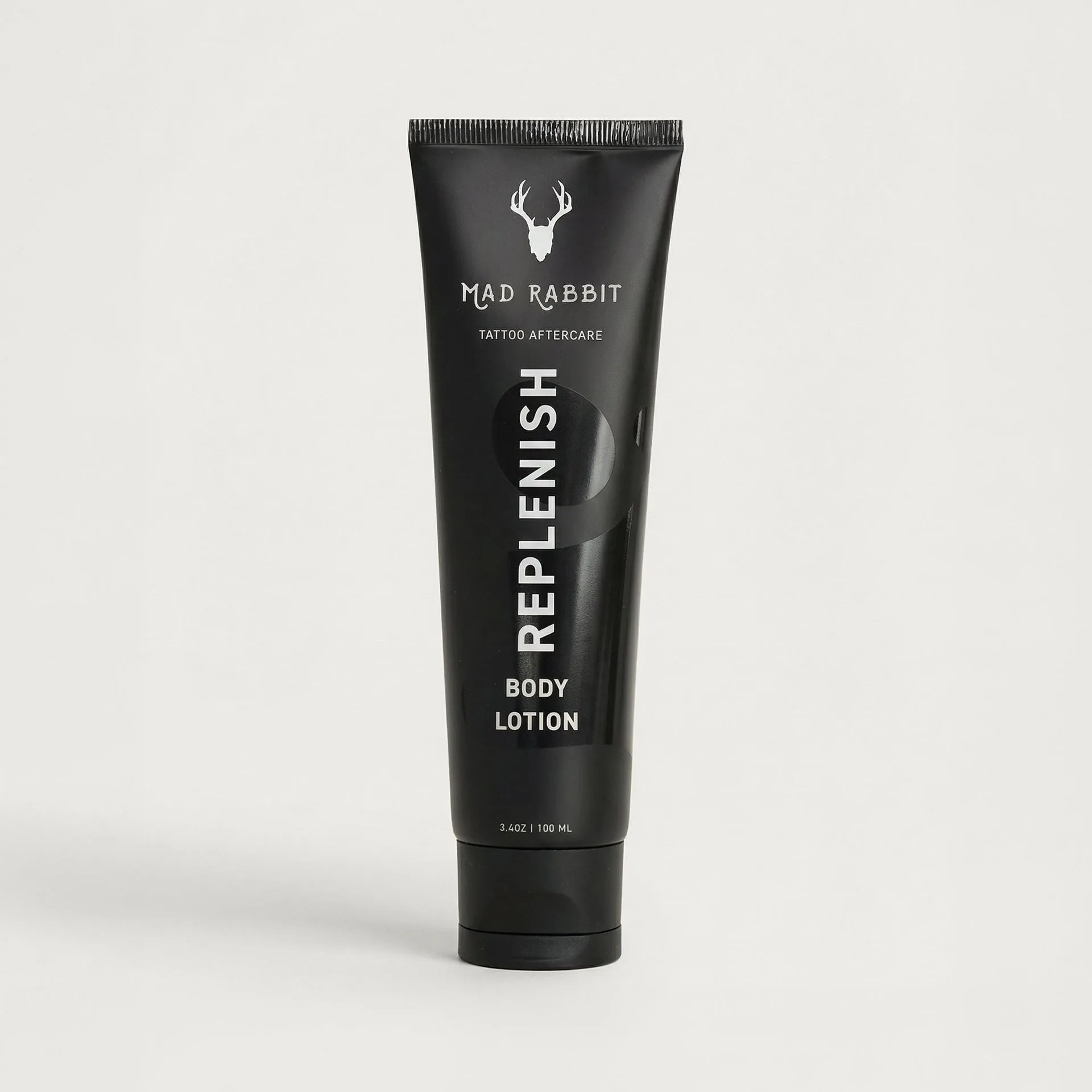
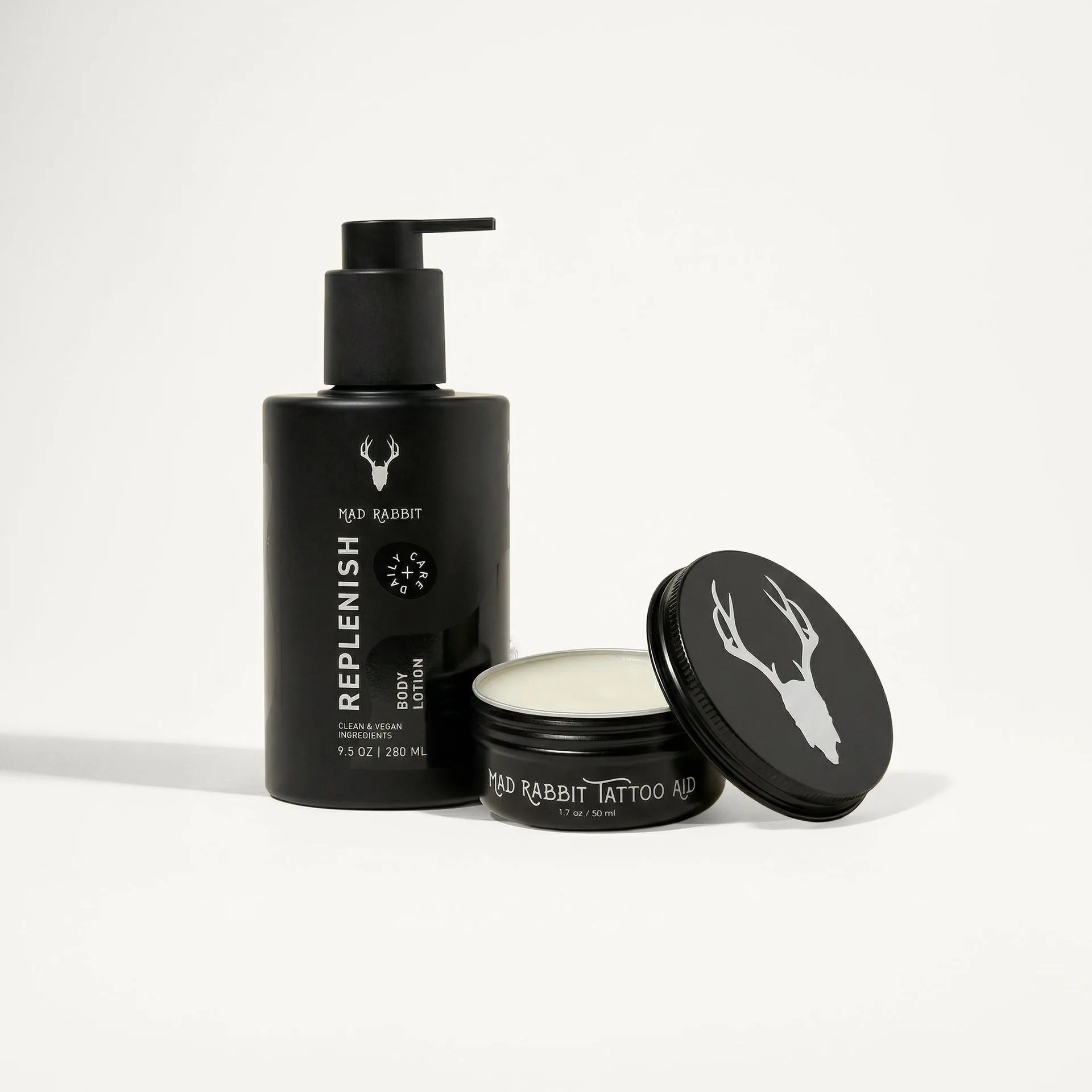
Getting a new tattoo is an exciting experience, but the journey from fresh ink to fully healed artwork requires patience and proper care. Understanding the tattoo healing timeline is crucial for anyone who wants their tattoo to look vibrant and last a lifetime. Whether you're a first-timer or a seasoned collector, knowing what to expect week by week helps you avoid common mistakes and ensure optimal healing. In this guide, we'll walk you through each tattoo healing stage, explain how long a tattoo takes to heal, and provide actionable aftercare advice—including how products like the Tattoo Soothing Gel and Daily Tattoo Lotion Tube can support your recovery.
Why Understanding the Tattoo Healing Timeline Matters
Every tattoo goes through a predictable tattoo healing process, but the exact duration varies based on size, placement, your skin type, and how well you follow aftercare. On average, the surface layer heals within 2 to 3 weeks, while deeper layers can take up to 6 months to fully settle. By knowing the week by week tattoo healing stages, you can identify normal signs of healing versus potential complications like infection or allergic reactions.
Mad Rabbit's aftercare philosophy emphasizes purpose-driven products that align with each phase of recovery. For instance, during the initial weeping stage, a gentle cleanser is key, while later stages benefit from deep moisturization. Let's break down the timeline.
Week 1: The Fresh Wound Stage (Days 1–7)
What Happens to Your Tattoo
Immediately after the tattoo session, your skin is essentially an open wound. The tattooed area will be red, swollen, and may ooze plasma, ink, and blood. This is the most critical phase of the tattoo healing timeline. Your body's inflammatory response kicks in to begin repair.
What You Should Do
- Leave the initial bandage on for the time recommended by your artist (usually 2–6 hours).
- Wash gently with mild, fragrance-free soap twice a day.
- Apply a thin layer of a soothing product. The Tattoo Soothing Gel is ideal here because it contains aloe vera and cucumber extract to calm inflammation without clogging pores.
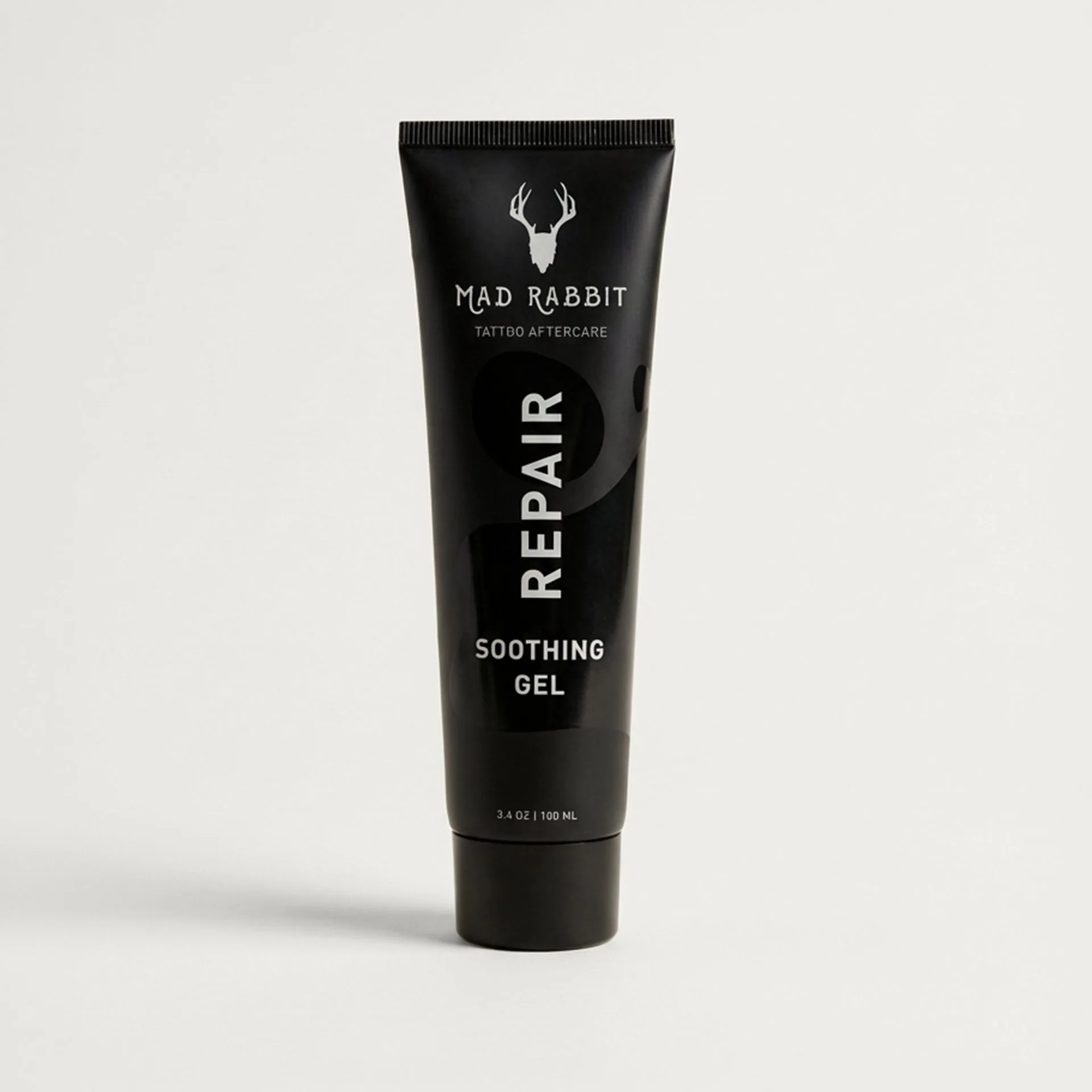
Tattoo Soothing Gel
- Avoid soaking in water, direct sunlight, and tight clothing.
Common Symptoms & Normal vs. Concerning
Normal
Concerning (See a Doctor)
Mild redness and swelling
Spreading redness beyond the tattoo
Slight oozing of clear plasma
Thick, yellow, or green pus
Tenderness to touch
Fever or chills
Itching (begins near the end of the week)
Severe pain that worsens
Week 2: The Peeling & Itching Stage (Days 8–14)
What Happens to Your Tattoo
By the second week, the swelling subsides, and your tattoo enters the peeling phase. Dead skin cells flake off, often taking a bit of ink with them—don't panic, this is normal. The area will be intensely itchy as new skin forms underneath. This is a key tattoo healing stage where many people make mistakes.
What You Should Do
- Resist the urge to scratch or pick at flakes—this can cause scarring and color loss.
- Keep the tattoo moisturized with a non-comedogenic lotion. The Daily Tattoo Lotion Tube is perfect for this stage because it hydrates without heavy oils, reducing itchiness while protecting the healing barrier.
- Continue washing twice daily and pat dry with a clean paper towel.
- Wear loose, breathable fabrics like cotton.
Pro Tip for Itch Relief
If the itch becomes unbearable, apply a cold compress (wrapped in a clean cloth) for 10 minutes. Avoid over-moisturizing, as this can suffocate the skin and prolong healing. Stick to a lightweight lotion like the Daily Tattoo Lotion Tube twice a day.
Week 3: The Flaking & Fading Stage (Days 15–21)
What Happens to Your Tattoo
Peeling continues but becomes less intense. Your tattoo may look dull, cloudy, or as if the colors have faded—this is due to a thin layer of dead skin sitting on top. Don't judge the final result yet. The skin underneath is still healing and will regain clarity over the next few weeks.
What You Should Do
- Continue moisturizing 1–2 times daily.
- Still avoid direct sun exposure—UV rays can damage healing skin and cause permanent fading.
- You can now gently exfoliate the area if your artist approves, but avoid harsh scrubs.
- If your tattoo is near a joint, be gentle with movement to prevent cracking.
Week 4: The Surface Healing Milestone (Days 22–28)
What Happens to Your Tattoo
By the end of the fourth week, the outermost layer of skin is typically healed. The tattoo is no longer flaking, and the redness is gone. However, deeper layers (the dermis) are still mending. This is why many artists say it takes 4 to 6 weeks for the tattoo healing process to be complete on the surface.
What You Should Do
- Switch to a regular moisturizing routine to keep the skin supple.
- You can resume most activities, including swimming and gym workouts, but keep the tattoo clean afterward.
- Start applying a tattoo-specific sunscreen (SPF 30+) if you'll be outdoors.
Weeks 5–8: Deep Healing & Final Settlement
What Happens to Your Tattoo
During weeks 5 through 8, the deeper layers continue to remodel collagen and regenerate tissue. The tattoo may still feel slightly raised or tight in some spots. Colors will gradually return to their intended vibrancy as the skin fully hydrates. This is the final stretch of the tattoo healing timeline for most people.
What You Should Do
- Moisturize daily with a lotion that supports long-term skin health. The Daily Tattoo Lotion Tube remains a great choice for ongoing care.
- Continue sun protection religiously—UV exposure is the #1 cause of tattoo fading.
- Massage the area gently to improve circulation and prevent scar tissue buildup.
Months 3–6: Full Maturation
What Happens to Your Tattoo
Although your tattoo may look fully healed within 4–6 weeks, the underlying tissue takes up to 6 months to reach full strength. During this period, the ink settles into the dermis and any slight blurring or thickening becomes stable. The tattoo's texture will feel like the surrounding skin.
What You Should Do
- Maintain a consistent daily skincare routine.
- Avoid excessive weight gain or loss that could distort the tattoo's shape.
- Use a moisturizer with antioxidants to support skin elasticity.
Factors That Affect the Tattoo Healing Timeline
Several variables can speed up or slow down your tattoo healing stages:
- Placement: Areas with thin skin (e.g., wrists, ankles) heal faster than thick-skinned spots (e.g., back, chest).
- Size and color: Large, multicolored tattoos take longer due to more trauma.
- Your health: Good nutrition, hydration, and sleep support faster recovery.
- Aftercare quality: Using the right products at the right time makes a significant difference.
Common Myths About Tattoo Healing
Let's debunk a few misconceptions that can derail your tattoo healing process:
- Myth: You can speed up healing with heat.
Fact: Heat encourages inflammation—stick to cool compresses. - Myth: Vaseline or petroleum jelly is best.
Fact: These can trap bacteria and cause breakouts. Use specialized aftercare. - Myth: Itching means infection.
Fact: Itching is a normal part of the healing process—only concerning if accompanied by pus or fever.
When to Seek Professional Help
While most tattoos heal without issues, watch for signs of infection or allergic reaction:
- Increasing pain or redness after 48 hours.
- Foul-smelling discharge or hot skin.
- Rash spreading beyond the tattoo area.
- Unexplained fever.
If any of these occur, consult a healthcare provider promptly.
Final Tips for a Smooth Recovery
To maximize your tattoo's appearance and longevity:
- Follow your artist's aftercare instructions precisely.
- Use products designed for tattooed skin—like Tattoo Soothing Gel in the early stages and Daily Tattoo Lotion Tube for long-term maintenance.
- Stay patient—the tattoo healing timeline cannot be rushed.
- Protect your investment with sun protection forever.
Ready to give your tattoo the care it deserves? Explore Daily Tattoo Lotion Tube to keep your ink vibrant and moisturized long after the healing journey ends. Your art will thank you.