Discovering a tick on your skin can be unsettling, but knowing exactly what to do next can make all the difference in protecting your health. Tick testing is an essential step after any tick bite, providing critical information about potential disease transmission. This comprehensive guide will walk you through why testing matters, how to use a tick testing kit, and what to do with the results to prevent Lyme disease and other tick-borne illnesses.
Why Tick Testing Matters After a Bite
Not all ticks carry disease, but those that do can transmit pathogens within 24 to 48 hours of attachment. Lyme disease, anaplasmosis, babesiosis, and ehrlichiosis are just a few of the serious conditions ticks can spread. Testing the tick itself—rather than waiting for symptoms in you or your pet—offers a proactive approach to health management. A positive result allows you to seek early treatment, while a negative result provides peace of mind.
According to the Centers for Disease Control and Prevention (CDC), early diagnosis of Lyme disease significantly improves outcomes. Tick bite testing is a straightforward, affordable way to gain that early insight. Many people don't realize that a single tick can carry multiple pathogens, making comprehensive analysis vital.
How to Safely Remove a Tick Before Testing
Proper tick removal is the first step in accurate testing. Follow these steps:
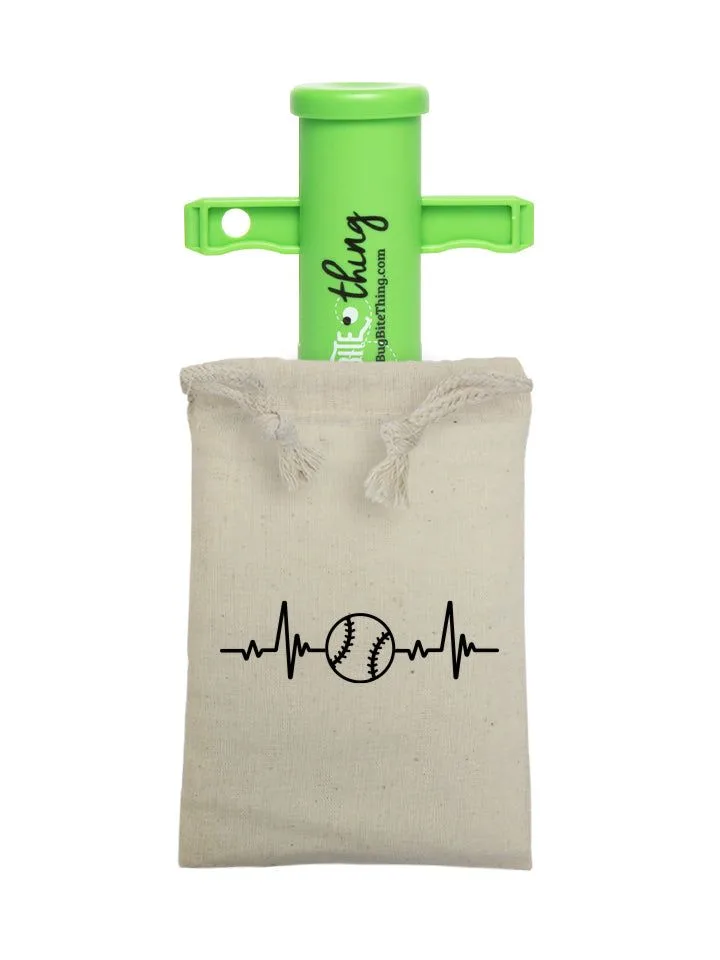
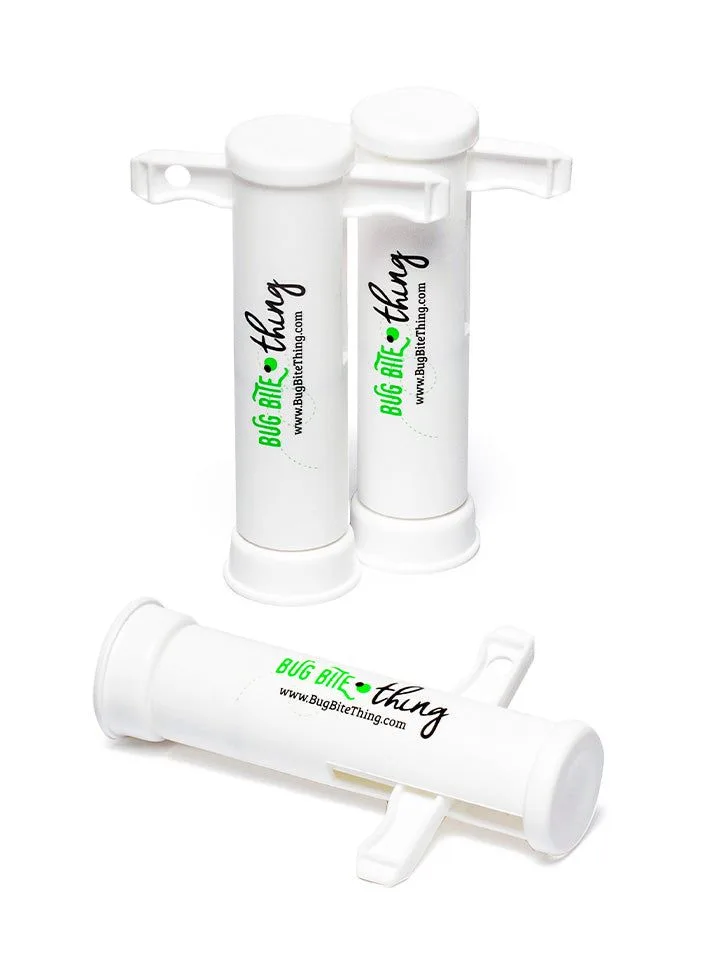
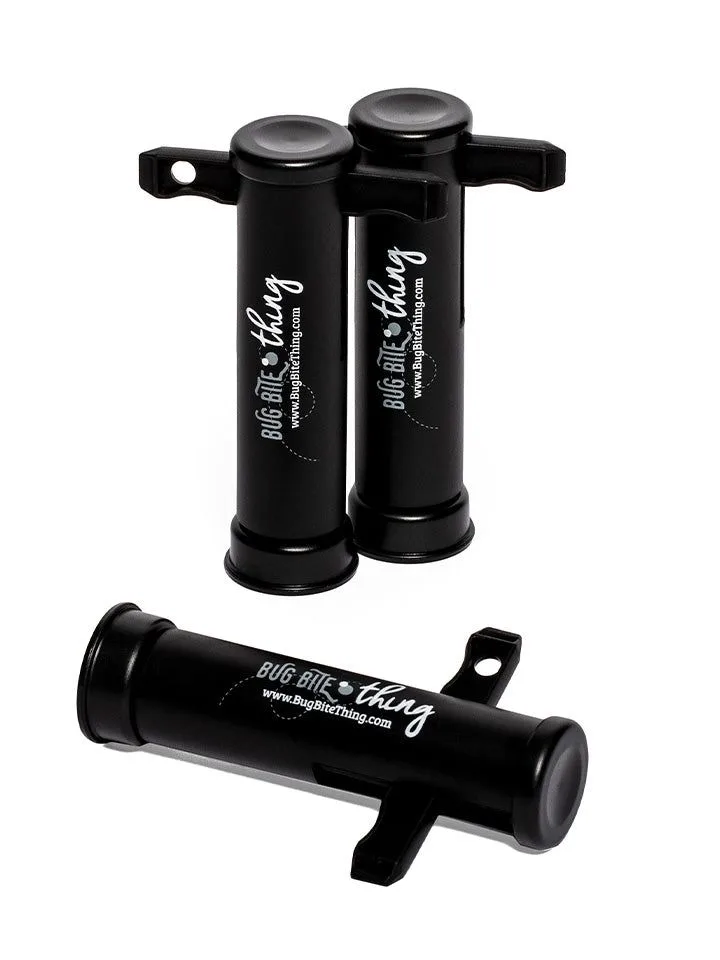
- Use fine-tipped tweezers or a dedicated Bug Bite Thing Tick Remover to grasp the tick as close to the skin's surface as possible.
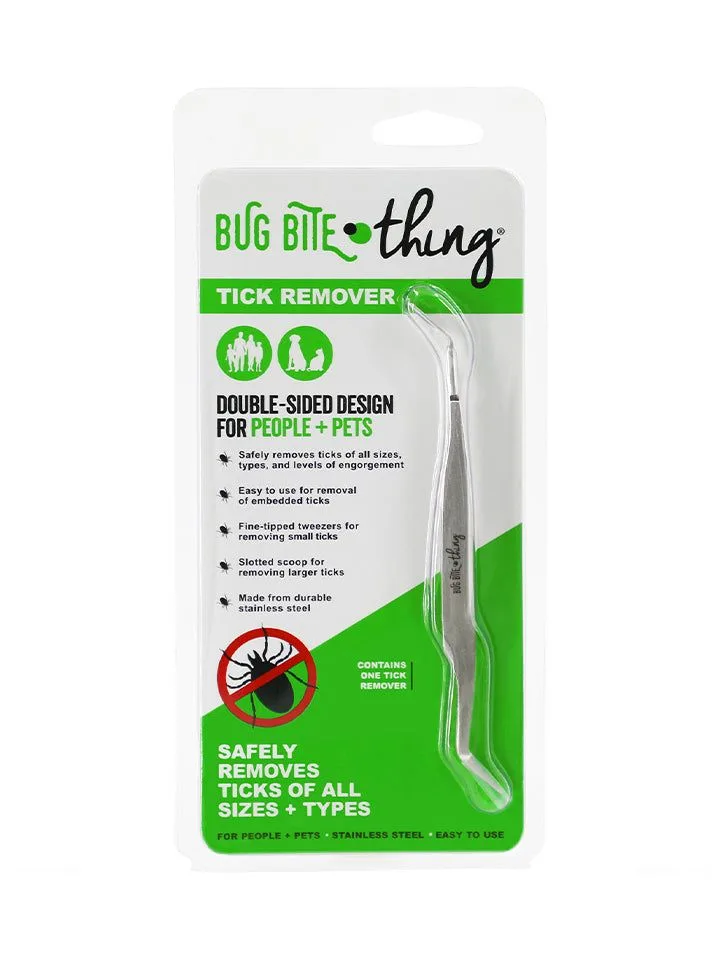
Bug Bite Thing Tick Remover
- Pull upward with steady, even pressure. Do not twist or jerk, as this can cause mouthparts to break off and remain in the skin.
- After removal, clean the bite area and your hands with rubbing alcohol or soap and water.
- Place the tick in a clean, dry container or a sealed plastic bag. Do not crush it.
Removing the tick intact preserves its body for accurate laboratory analysis. If any mouthparts remain, they can sometimes be tested separately, but a whole tick yields the most reliable results.
What Is a Tick Testing Kit and How Does It Work?
A tick testing kit is a specialized package that includes everything you need to send a tick to a certified laboratory for pathogen analysis. The Bug Bite Thing® Tick Testing Kit - Powered by TickReport™ is a trusted option that uses advanced PCR (polymerase chain reaction) technology to detect DNA from bacteria, parasites, and viruses. Here’s how it works:
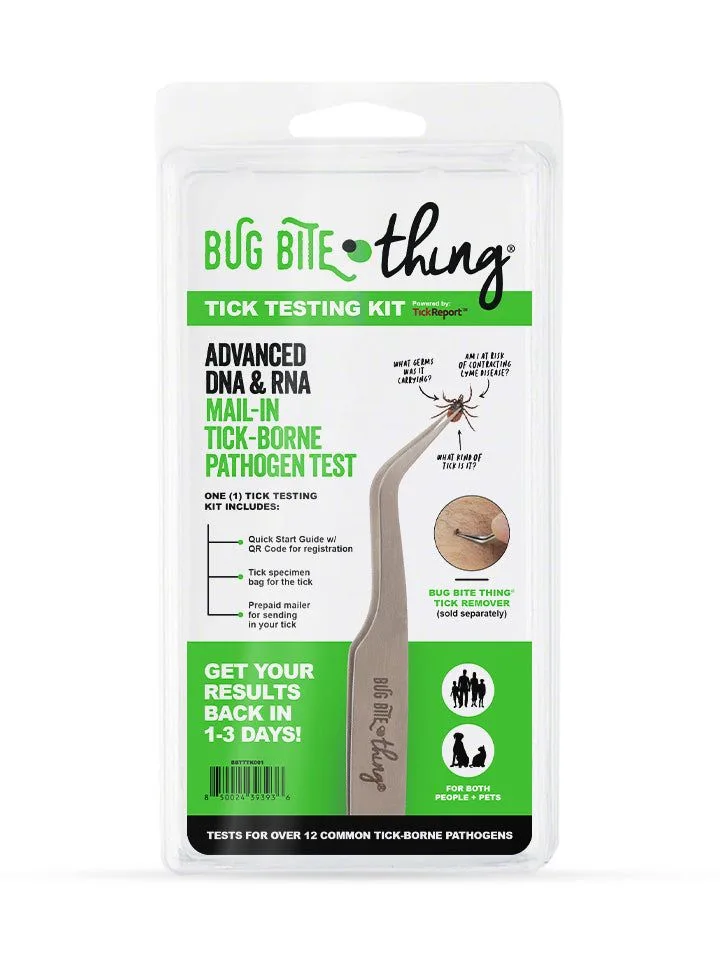
Bug Bite Thing® Tick Testing Kit - Powered by TickReport™
- Collect the tick after safe removal.
- Place it in the provided vial with the preservative solution.
- Complete the submission form with your contact details and bite information.
- Mail the kit to the laboratory using the prepaid envelope included.
- Receive your results via email within 24–72 hours after the lab receives your sample.
The report details which pathogens were found and their potential health risks. This is far more comprehensive than visual identification, which can only guess at the tick species and cannot confirm infection status.
Understanding the Results: What to Do After Tick Testing
Once you receive your test results, take the following actions:
Result
Recommended Action
Negative for all tested pathogens
No further action needed. Monitor the bite area for any rash or symptoms for 30 days.
Positive for Lyme disease (Borrelia burgdorferi)
Contact your healthcare provider immediately. Early antibiotic treatment (doxycycline or amoxicillin) is highly effective.
Positive for other pathogens (e.g., Babesia, Anaplasma)
Seek medical evaluation. These may require different treatments than Lyme disease.
Inconclusive or insufficient sample
Consider retesting if you still have the tick, or consult your doctor for symptom monitoring.
Remember, a negative tick test does not guarantee you won't develop symptoms, as co-infections or rare pathogens may not be included in the panel. Always consult a healthcare professional if you experience fever, fatigue, muscle aches, or a bullseye rash.
Preventing Tick Bites in the First Place
While testing is crucial after a bite, prevention remains your best defense. Wear long sleeves and pants in wooded or grassy areas, use EPA-approved insect repellents, and perform thorough tick checks after outdoor activities. If you do get bitten, immediate removal is key. The Bug Bite Thing Suction Tool is excellent for reducing the reaction from tick bites and other insect bites by removing saliva and venom. Pair it with a tick remover for a complete outdoor safety kit.
Common Myths About Tick Testing Debunked
- Myth: If the tick is small, it can't transmit disease. Fact: Nymphal ticks (the size of a poppy seed) are actually the most likely to transmit Lyme disease because they are small and often go unnoticed.
- Myth: You only need to test if you have symptoms. Fact: Many tick-borne illnesses have a delayed onset of symptoms. Testing the tick gives you a head start on treatment.
- Myth: All tick testing kits are the same. Fact: Quality varies. Choose a kit from a reputable lab like TickReport™, which is accredited and uses validated methods.
Frequently Asked Questions About Tick Bite Testing
How soon after a tick bite should I test?
Ideally, test as soon as possible after removal. The tick's DNA remains stable for several days if stored properly (in a sealed container at room temperature). However, testing within 48 hours maximizes accuracy.
Can I test a tick that has been dead for a while?
Yes, as long as the tick is not decomposed or crushed beyond recognition. Dried or intact ticks can still yield viable DNA for PCR testing.
Does insurance cover tick testing?
Most insurance plans do not cover tick testing. However, the cost of a kit like the Bug Bite Thing® Tick Testing Kit is modest compared to the potential medical expenses of an untreated infection.
Should I test ticks found on my pets?
Absolutely. Pets can bring ticks indoors, putting your family at risk. Testing ticks from pets helps protect everyone in the household.
Conclusion: Take Control After a Tick Bite
Knowledge is power when it comes to tick-borne diseases. By using a reliable tick testing kit, you can transform anxiety into actionable information. Safe removal, prompt testing, and informed follow-up are your best tools for lyme disease prevention. Don't let a tiny tick cause big trouble—test it, know the risks, and protect your health.
Ready to be prepared? Explore the Bug Bite Thing® Tick Testing Kit - Powered by TickReport™ today and get the peace of mind you deserve after every outdoor adventure.