Thinking about switching your puppy to a freeze-dried raw diet? You're not alone. Many pet parents are drawn to the convenience and nutritional density of freeze-dried raw puppy food. Unlike traditional raw diets that require freezer space and thawing, freeze-dried options retain the benefits of raw ingredients—like enzymes and probiotics—without the mess. But puppies have sensitive digestive systems, so a gradual transition is key to avoiding upset stomachs.
This guide walks you through the entire transition puppy to raw food process, from choosing the right formula to monitoring your pup's progress. We'll cover timing, mixing ratios, and what to expect during each phase. Plus, we'll highlight a few products that make the switch smoother, such as chicken salmon freeze dried raw morsels for puppies and other balanced recipes.
Why Choose Freeze-Dried Raw for Puppies?
Freeze-dried raw food offers a middle ground between fresh raw and kibble. The freeze-drying process removes moisture while preserving natural nutrients, so you get a shelf-stable product that rehydrates quickly. For puppies, this means a diet rich in protein, healthy fats, and minimal processing—often closer to what their wild ancestors ate. Many owners find that puppies transition more easily to freeze-dried raw than to frozen raw because the texture is less foreign when rehydrated.
Another advantage is portion control. With freeze-dried raw puppy food, you can rehydrate exactly what your pup needs per meal, reducing waste. Brands like Open Farm offer recipes with single-source proteins and added superfoods, which can be gentler on developing digestive systems. For example, the RawMix Grain-Free Kitten Kibble is designed for growing felines, while options for dogs include formulas with chicken, salmon, and other novel proteins.
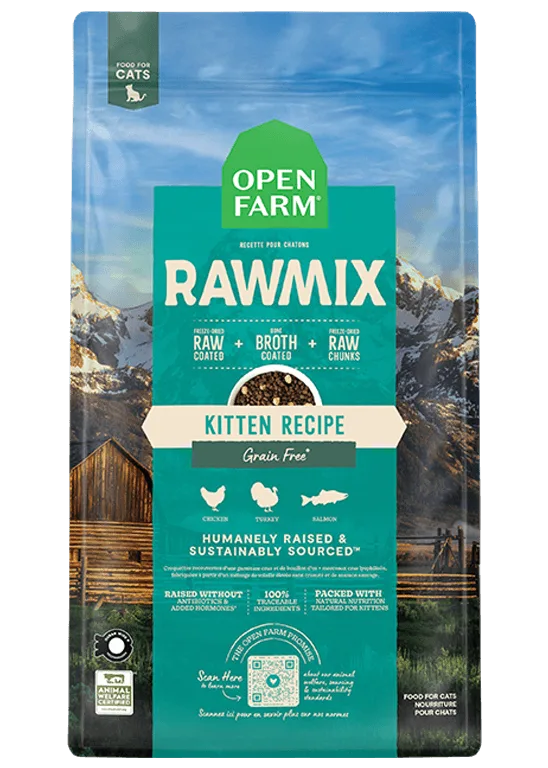
RawMix Grain-Free Kitten Kibble
- Freeze-dried raw retains more nutrients than heavily processed kibble.
- Rehydrating the food mimics the moisture content of fresh raw diets.
- Puppies often accept the texture more readily than frozen raw.
Step 1: Choose the Right Freeze-Dried Raw Formula for Your Puppy
Before starting the transition puppy to raw food journey, select a formula that matches your puppy's age, size, and any known sensitivities. Look for products labeled as complete and balanced for growth—this ensures they meet AAFCO nutrient profiles for puppies. Avoid adult-only formulas, as they may lack the calcium and phosphorus ratios needed for proper bone development.
For puppies with sensitive stomachs, consider a single-protein source like chicken or salmon. Chicken salmon freeze dried raw morsels for puppies can be a great starting point because these proteins are generally well-tolerated and highly palatable. Open Farm's RawMix Grain-Free Kitten Kibble is one example of a species-appropriate option for cats, while for dogs, you might explore the Turkey & Salmon Morsels in Gravy for Cats or similar dog-specific morsels. Always check the label for the life stage statement.
- Choose a formula specifically labeled for puppies or all life stages.
- Single-protein recipes reduce the risk of food sensitivities during transition.
- Rehydrate with warm (not hot) water to release aromas and soften the food.
Step 2: The 7-Day Gradual Transition Schedule
A slow transition helps your puppy's digestive enzymes adapt to the new food. Start with a 75% old food to 25% freeze-dried raw ratio for the first two days. If your puppy tolerates it well, move to a 50/50 mix for days three and four. Then increase to 75% new food for days five and six. By day seven, you can offer 100% freeze-dried raw. Always rehydrate the freeze-dried morsels according to package directions—usually adding about 1 part water to 2 parts food.
During each phase, monitor your puppy's stool consistency, energy levels, and appetite. Loose stools or vomiting may indicate the transition is too fast. In that case, extend the 50/50 phase for an extra two to three days. Puppies with especially sensitive systems may need a 10- to 14-day transition. Remember that freeze-dried raw expands in the stomach once rehydrated, so stick to the recommended serving size to prevent overfeeding.
- Days 1-2: 75% old food, 25% freeze-dried raw (rehydrated).
- Days 3-4: 50% old food, 50% freeze-dried raw.
- Days 5-6: 25% old food, 75% freeze-dried raw.
- Day 7: 100% freeze-dried raw (if tolerated).
Step 3: Monitor Your Puppy's Health and Adjust as Needed
Even with a gradual transition, some puppies experience mild digestive upset. Signs like gas, soft stools, or a slight decrease in appetite are common during the first few days. If these symptoms persist beyond 48 hours, slow down the transition or try a different protein source. Chicken salmon freeze dried raw morsels for puppies are often a safe bet, but you can also rotate in options like the Homestead Turkey Pâté for Cats or Goodbowl Grass-Fed Beef Freshly Crafted Recipe for variety.
Hydration is crucial when feeding freeze-dried raw. Because the food is rehydrated, your puppy may drink less water than usual. Ensure fresh water is always available, and consider adding a splash of bone broth or water to the rehydrated meal if your puppy seems reluctant to eat. Also, track your puppy's weight weekly—freeze-dried raw is calorie-dense, so portion adjustments may be needed as your puppy grows.
- Watch for loose stools, gas, or vomiting—these signal the transition is too fast.
- Keep fresh water available at all times, even with rehydrated food.
- Weigh your puppy weekly to adjust portions as they grow.
Troubleshooting Common Transition Challenges
Some puppies refuse freeze-dried raw at first, especially if they're used to highly palatable kibble. To encourage acceptance, try crumbling the rehydrated morsels over their old food or mixing in a small amount of a topper like the Icelandic Herring & Salmon Oil For Cats (for cats) or a dog-safe oil. You can also warm the food slightly—never microwave freeze-dried raw, as it can destroy nutrients; instead, use warm water.
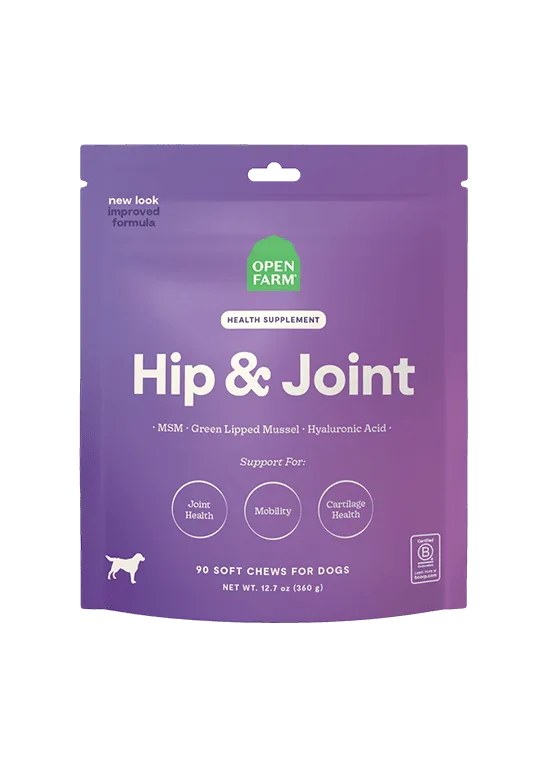
If your puppy develops diarrhea during the transition, pause the switch and revert to the previous successful ratio. Add a probiotic supplement designed for puppies to support gut health. Open Farm's Hip & Joint Supplement Chews for Dogs are formulated for joint support, but you'll want a general probiotic for digestive issues. Always consult your veterinarian before introducing new supplements, especially for puppies under six months.
- Picky puppies: Mix rehydrated morsels with a small amount of their favorite food.
- Diarrhea: Pause transition, add a probiotic, and consult your vet.
- Never microwave freeze-dried raw—use warm water instead.
Transitioning your puppy to freeze-dried raw food doesn't have to be stressful. By choosing a high-quality formula like chicken salmon freeze dried raw morsels for puppies, following a gradual schedule, and watching your pup's cues, you can set them up for a lifetime of balanced nutrition. Remember that every puppy is different—adjust the timeline as needed and enjoy watching your pup thrive on a diet closer to nature.