Cats are masters at hiding discomfort, which makes it tricky to know when they need extra nutritional support. While a high-quality diet is the foundation of feline health, certain life stages, health conditions, or environmental factors may call for targeted supplementation. From shiny coats to joint mobility, the right cat supplements can make a noticeable difference in your pet's well-being.
But with so many options on the market, it's easy to feel overwhelmed. Should you add omega-3s? What about probiotics? And are those trendy 'all-in-one' powders really necessary? In this guide, we'll break down the most common and beneficial supplements for cats, explain how they work, and help you decide which ones your feline truly needs. We'll also highlight some trusted products from Open Farm that can simplify your choices.
Why Consider Cat Supplements?
Even the best commercial cat foods are formulated to meet AAFCO nutritional standards, but they may not account for individual variations in age, health status, or lifestyle. For instance, senior cats often need extra joint support, while indoor cats may benefit from additional fiber or omega-3s to maintain skin and coat health. Supplements can fill these gaps without requiring a complete diet overhaul.
Additionally, some cats have specific medical conditions—such as allergies, digestive issues, or urinary tract concerns—that can be managed or improved with targeted supplementation. Always consult your veterinarian before starting any new supplement, especially if your cat is on medication or has a chronic condition. A tailored approach ensures safety and effectiveness.
- Always introduce one supplement at a time to monitor for adverse reactions.
- Look for supplements with transparent sourcing and third-party testing for purity.
Omega-3 Fatty Acids: For Skin, Coat, and Joint Health
Omega-3 fatty acids, particularly EPA and DHA from marine sources, are among the most researched and beneficial supplements for cats. They support a healthy inflammatory response, promote a glossy coat, reduce dry, flaky skin, and may even help with joint stiffness in older felines. Cats cannot efficiently convert plant-based ALA to EPA/DHA, so fish oil or algal oil is the most effective source.
Open Farm offers a pure and potent option with their Icelandic Herring & Salmon Oil For Dogs, which is also safe for cats when dosed appropriately. This oil is sustainably sourced and cold-pressed to retain nutrients. For cats who prefer a different texture, consider incorporating a salmon-based food like Icelandic Salmon & Capelin Wet Food for Dogs into their rotation—it naturally provides omega-3s in a whole-food form.
- Start with a low dose (e.g., 1/4 of the dog dosage) and observe your cat's response.
- Store fish oil in the refrigerator to prevent rancidity.
Probiotics and Digestive Enzymes: Gut Health Matters
A healthy gut is central to overall feline health. Probiotics introduce beneficial bacteria that can improve digestion, reduce gas, and help manage occasional diarrhea or constipation. Digestive enzymes, on the other hand, assist in breaking down food components, which is especially helpful for older cats or those with pancreatic insufficiency. Many cats on a dry-food-only diet may lack natural enzymes found in fresh prey.
You can support your cat's digestive health by choosing foods that already contain probiotics, like some wet foods or toppers. Open Farm's Salmon Topper for Dogs is a versatile option that can be added to your cat's meal—it's gently cooked and includes bone broth, which is naturally rich in collagen and gut-soothing nutrients. For a more comprehensive approach, look for a dedicated feline probiotic supplement recommended by your vet.
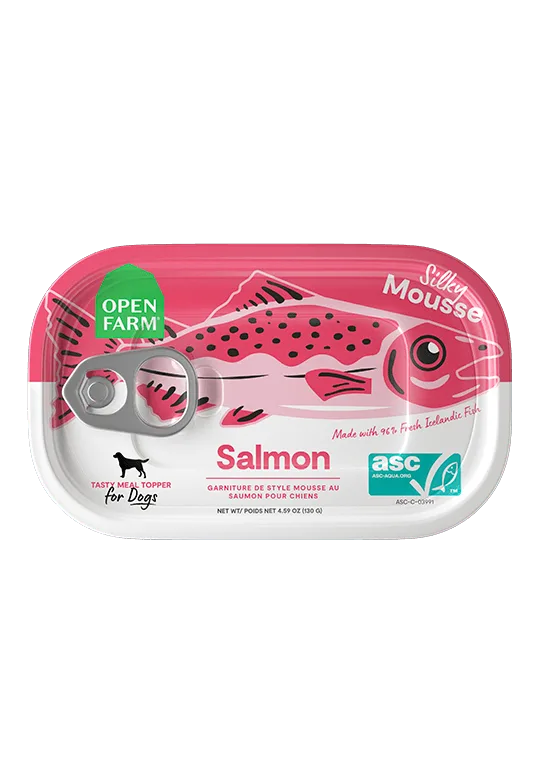
Salmon Topper for Dogs
- Look for probiotics with multiple strains (e.g., Lactobacillus, Bifidobacterium) and guaranteed live cultures.
- Avoid giving probiotics at the same time as antibiotics—separate by at least 2 hours.
Joint Support: Glucosamine, Chondroitin, and MSM
As cats age, cartilage in their joints can wear down, leading to arthritis and decreased mobility. Supplements containing glucosamine, chondroitin sulfate, and MSM (methylsulfonylmethane) can help maintain joint health, reduce inflammation, and support cartilage repair. These ingredients are especially beneficial for breeds prone to hip dysplasia or for cats who are overweight.
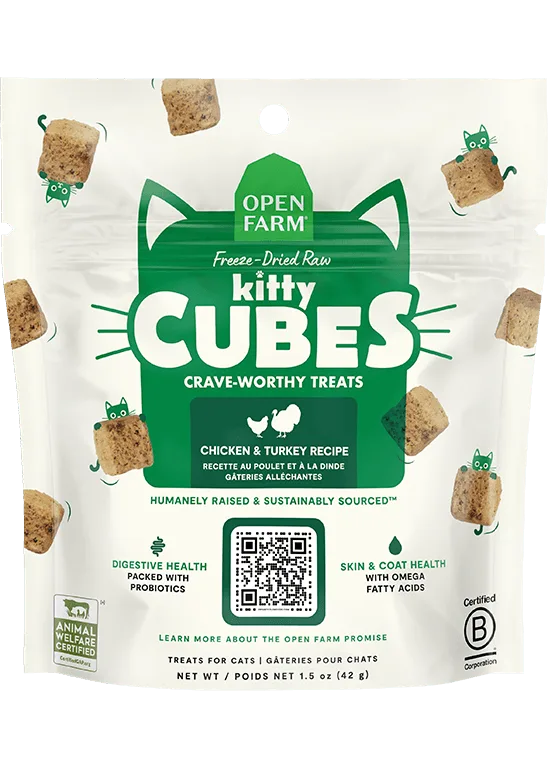
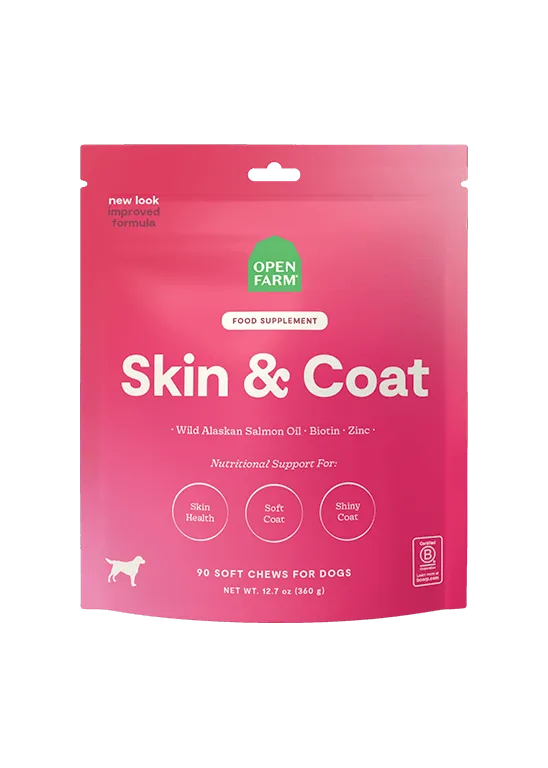
While many joint supplements are formulated specifically for cats, you can also find multi-symptom bundles that address skin and joint health simultaneously. Open Farm's Skin & Coat Bundle for Cats is an excellent choice—it combines omega-3-rich fish oil with other skin-supporting nutrients, which can indirectly benefit joints by reducing systemic inflammation. Always follow the dosage instructions based on your cat's weight.
- Joint supplements may take 4–8 weeks to show noticeable improvement.
- Combine with weight management and low-impact exercise for best results.
Calming Aids: For Stress and Anxiety
Cats can experience stress from changes in routine, travel, new pets, or even loud noises. Chronic stress can lead to unwanted behaviors like inappropriate urination, over-grooming, or hiding. Calming supplements often contain ingredients like L-theanine, chamomile, valerian root, or colostrum to promote relaxation without sedation.
Open Farm's Calming Health Supplement Chews for Dogs are formulated with colostrum and other natural ingredients to support calm behavior. While designed for dogs, many cat owners find these chews effective for their felines when broken into smaller pieces (always check with your vet first). For a gentler approach, consider incorporating a calming environment with pheromone diffusers alongside dietary support.
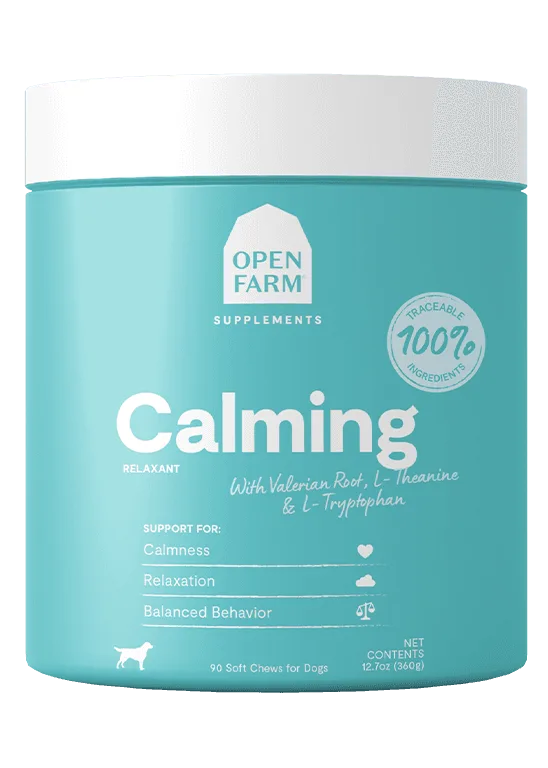
Calming Health Supplement Chews for Dogs
- Use calming supplements proactively before known stressors (e.g., vet visits, travel).
- Combine with environmental enrichment (scratching posts, hiding spots) for best results.
How to Choose the Right Cat Supplement
With so many options, it helps to narrow down your cat's specific needs. Start by evaluating their age, lifestyle, and any health concerns. A senior cat with a dull coat and stiff joints may benefit from omega-3s and joint supplements, while a young indoor cat prone to hairballs might need more fiber or a probiotic. Always choose products from reputable brands that provide clear sourcing information and avoid artificial additives.
Open Farm stands out for its commitment to transparency and sustainability. Their products are made with ethically sourced ingredients, and many are third-party tested for safety. Whether you choose a targeted supplement like the Icelandic Herring & Salmon Oil For Dogs or a whole-food topper like the Salmon Topper for Dogs, you're supporting your cat's health with clean, nutritious ingredients. Remember, supplements are meant to complement—not replace—a balanced diet.
- Check the label for species-specific formulations (cats have different needs than dogs).
- Avoid supplements with fillers like corn, wheat, or artificial preservatives.
Your cat's health is a journey, and the right supplements can be a valuable part of that path. By focusing on high-quality, species-appropriate options from trusted brands like Open Farm, you can support your feline's skin, coat, digestion, joints, and overall vitality. Start with one supplement, monitor your cat's response, and adjust as needed. For an easy first step, explore the Skin & Coat Bundle for Cats to give your cat a radiant coat and healthy skin from the inside out.