When a natural disaster strikes—whether it's a hurricane, earthquake, flood, or wildfire—one of the first essentials to disappear is clean drinking water. Contaminated water can cause serious illness, especially in the chaotic aftermath of an emergency. That's why having a reliable emergency water filtration system is not just a convenience; it's a survival necessity. In this comprehensive guide, we'll explore the best natural disaster water filter options, how to use them, and how to prepare your home and family for any crisis.
Why Emergency Water Filtration Matters in Natural Disasters
In a disaster, municipal water systems can break, pipes can burst, and floodwaters can introduce bacteria, viruses, parasites, and chemical contaminants into your tap water. Boiling water is effective but requires fuel, which may be scarce. Chemical tablets can leave a bad taste and may not remove all contaminants. A portable survival water filter, on the other hand, provides immediate, clean water without heat or electricity. It’s a cornerstone of any disaster preparedness kit.
Top LifeStraw Products for Emergency Water Filtration
LifeStraw offers a range of filters designed specifically for rugged, emergency use. Below are the top picks for different disaster scenarios.
1. LifeStraw Mission – The Ultimate Family Emergency Filter
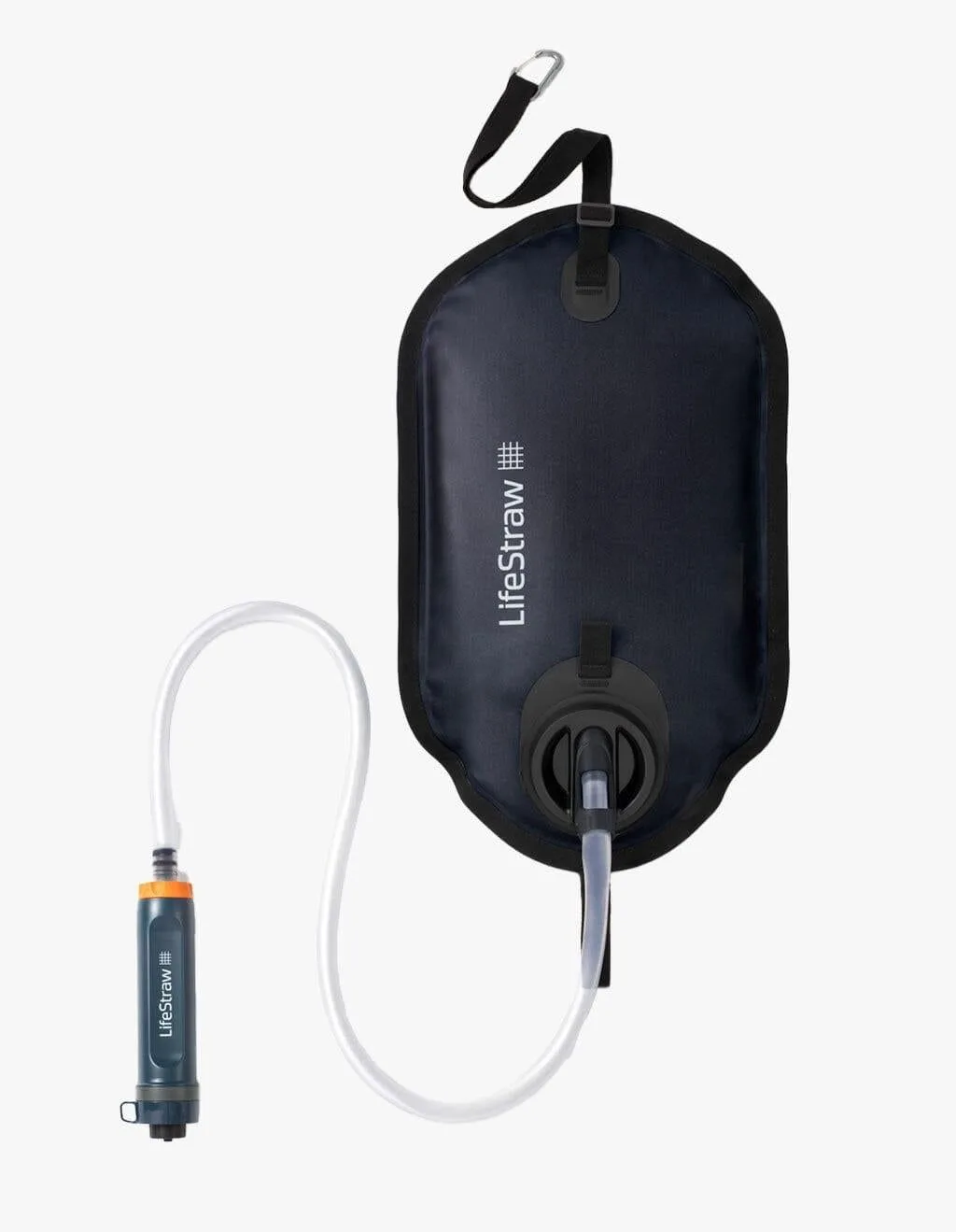
For household or group use during a disaster, the LifeStraw Mission is a gravity-powered system that filters up to 12 liters per hour. It removes 99.9999% of bacteria and 99.999% of viruses, making it ideal for sheltering in place or setting up a base camp. Simply fill the dirty water bag, hang it, and let gravity do the work. It’s lightweight, durable, and requires no pumping—perfect when you need to conserve energy.
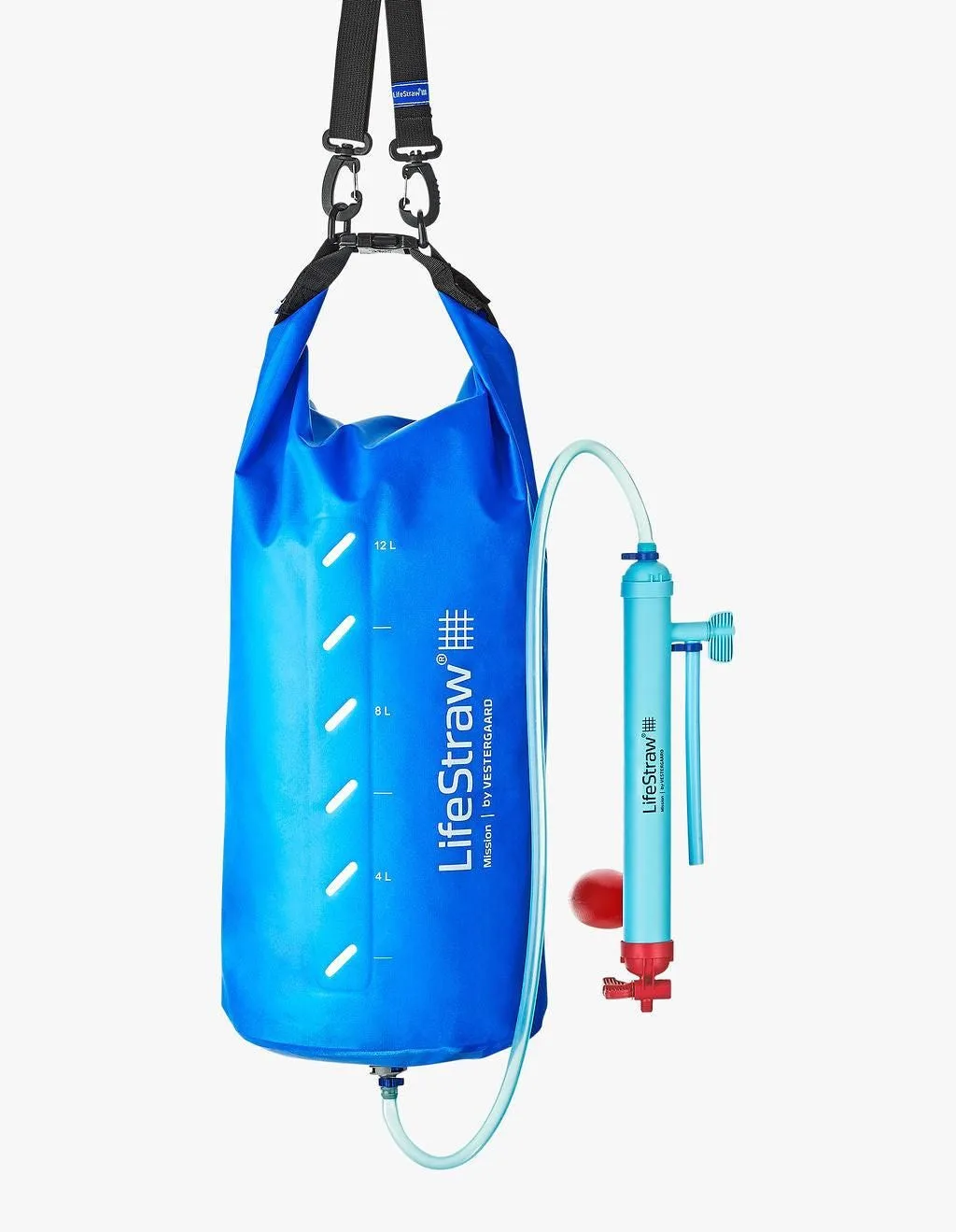
LifeStraw Mission
2. Disaster Master: LifeStraw Personal 25-Pack
When you need to support a larger group or multiple households, the Disaster Master: LifeStraw Personal 25-pack is an excellent investment. Each personal straw filters up to 1,000 gallons of water and removes 99.9999% of bacteria. This bulk pack is ideal for community shelters, emergency response teams, or families preparing for long-term emergencies.
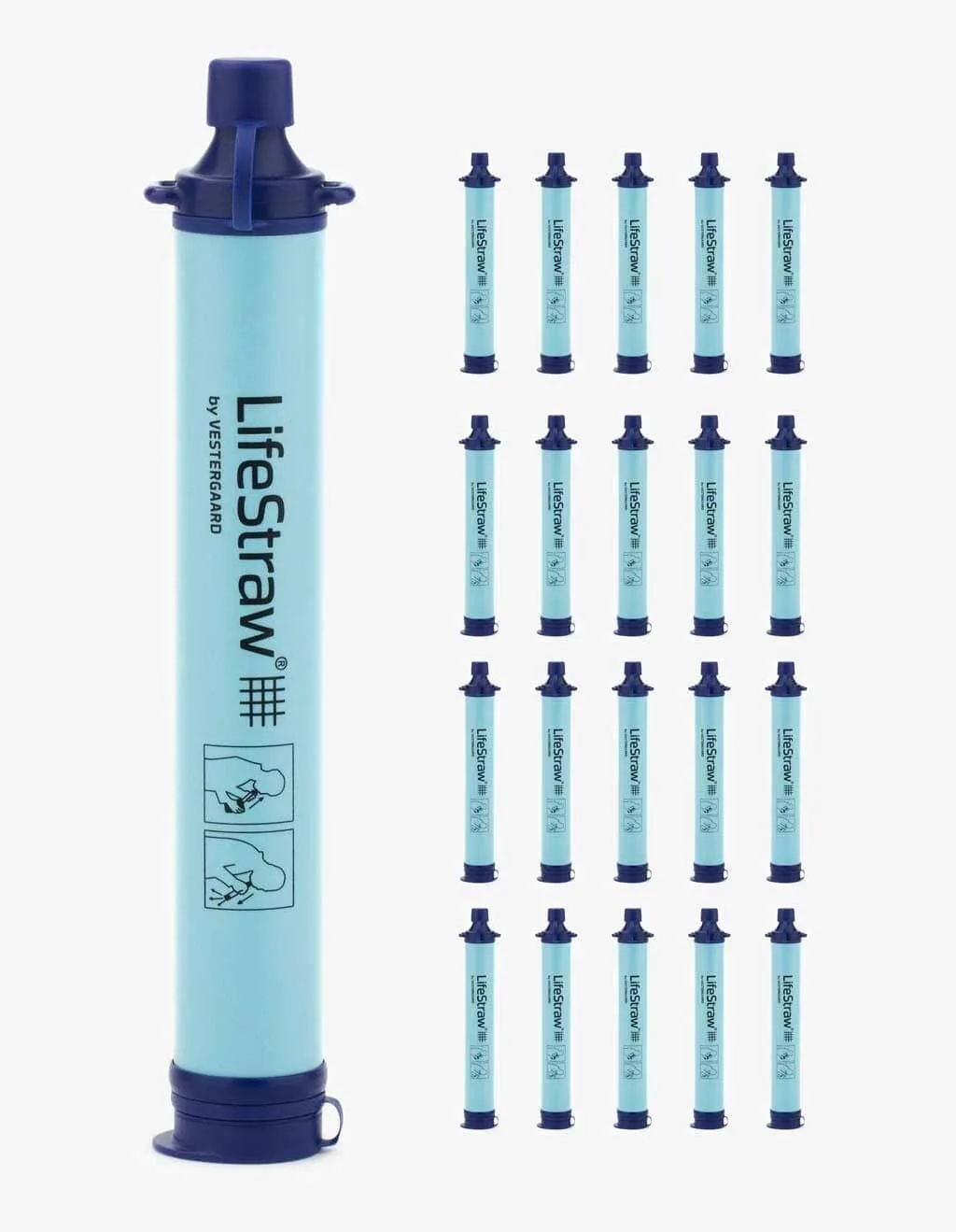
Disaster Master: LifeStraw Personal 25-pack
3. LifeStraw Go Series Stainless Steel 1L – Daily Hydration on the Go
For individual use during evacuations or daily emergency walks, the LifeStraw Go Series Stainless Steel 1L is a reusable bottle with a built-in filter. It’s BPA-free, insulated, and filters up to 1,000 gallons. It fits easily in a bug-out bag or car emergency kit.
How to Choose the Right Emergency Water Filter
Consider these factors when selecting a natural disaster water filter:
- Capacity: How many people need water? For a family, a gravity or larger system like LifeStraw Mission works best. For individuals, a bottle or straw is sufficient.
- Filter Life: Look for filters rated for at least 1,000 gallons. Spare filters like the LifeStraw Max Replacement Filters ensure your system lasts through extended emergencies.
- Portability: In a disaster, you may need to move quickly. Lightweight straws and bottles are easier to carry.
- Contaminant Removal: Ensure the filter removes bacteria, parasites, and preferably viruses. LifeStraw’s hollow fiber membrane technology meets these standards.
Step-by-Step Emergency Water Filtration Plan
Phase 1: Prepare Your Kit
Before a disaster, assemble a disaster preparedness kit that includes at least one personal filter per person and a family-sized system. Store spare filters and a LifeStraw Carabiner for easy attachment to bags.
Phase 2: Identify Safe Water Sources
During a disaster, look for clear, moving water if possible. Avoid water that is heavily silted or contains chemical odors. Lake, river, or collected rainwater are good options. If you have a LifeStraw, you can even filter from a muddy puddle—the prefilters handle sediment.
Phase 3: Filter and Store
Use your chosen filter to draw water directly into clean containers. For gravity systems, fill the dirty bag and wait. For straws, drink directly from the source or use the included bottle. Store filtered water in sealed containers for later use.
Phase 4: Maintain Hygiene
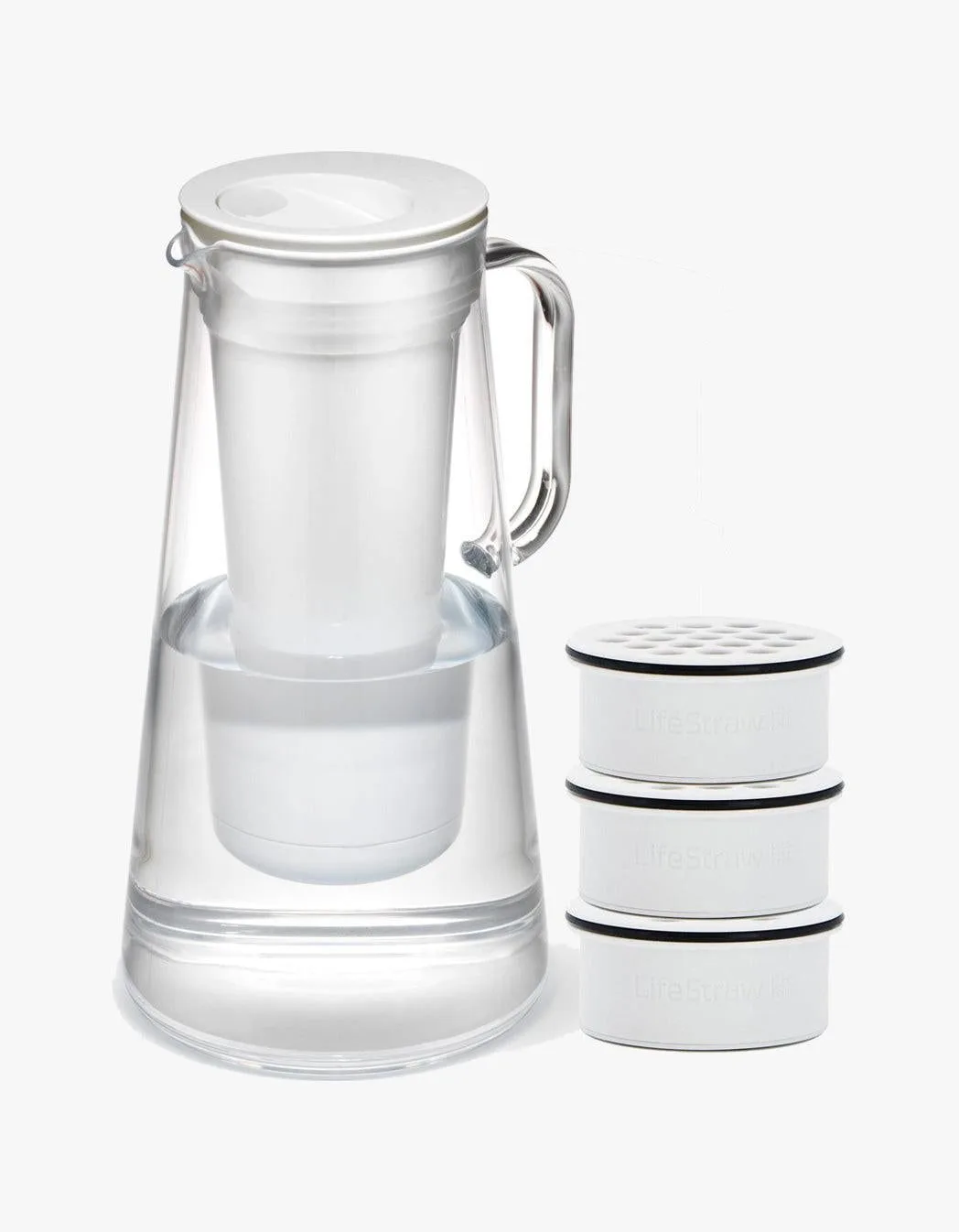
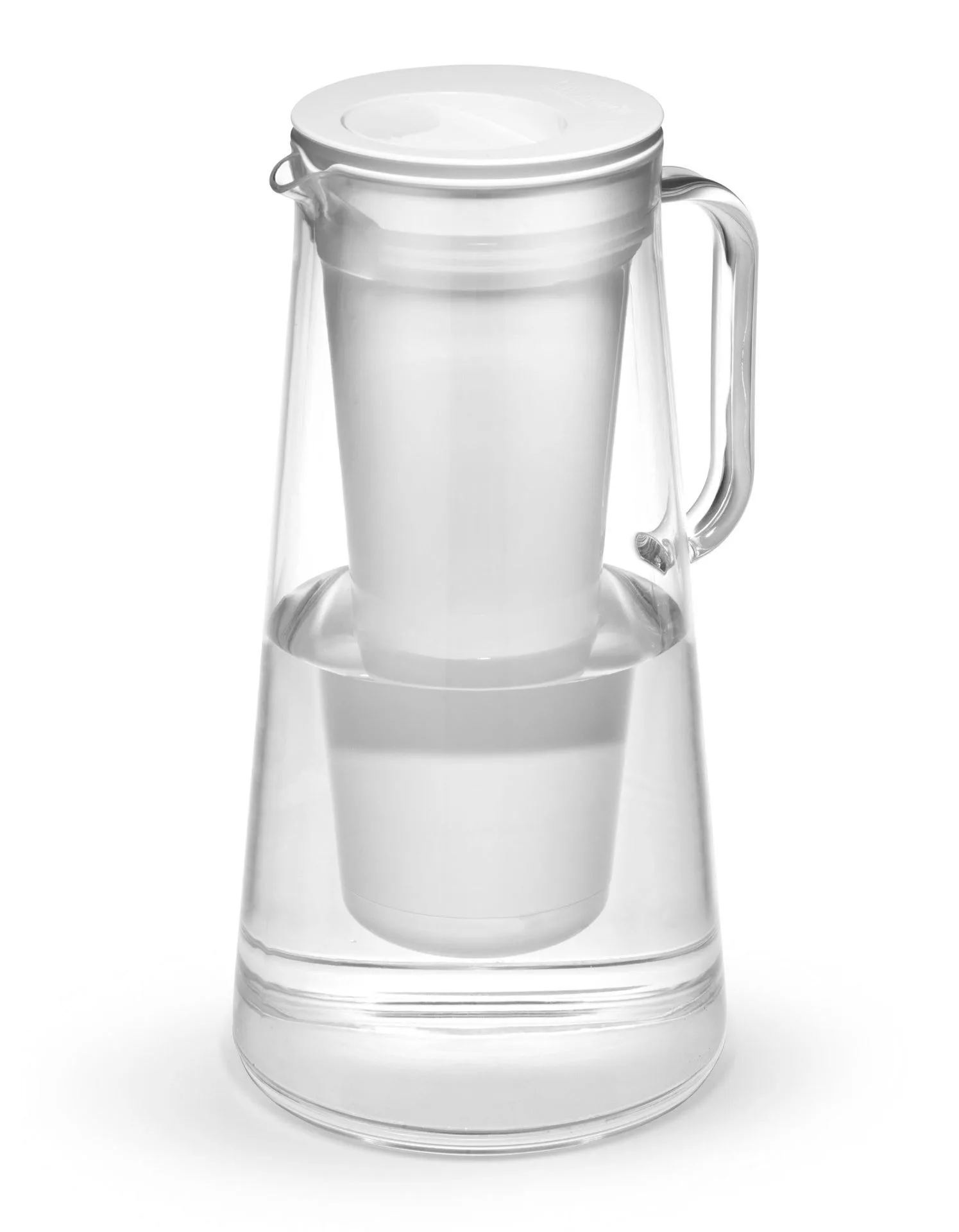
Clean the filter’s exterior with clean water. Do not use bleach or boiling water on the filter membrane. Replace filters as needed—LifeStraw offers LifeStraw Home Pitcher Replacement cartridges for home setups.
Comparing LifeStraw Emergency Filters: Quick Table
Product
Best For
Capacity
Filter Life
LifeStraw Mission
Family/Group
12 L/hour
18,000 L
Disaster Master 25-pack
Community/Shelter
Individual straws
1,000 gal each
LifeStraw Go Stainless Steel 1L
Individual daily use
1 L bottle
1,000 gal
Additional Tips for Disaster Water Safety
- Rotate your emergency water supply every 6 months. Store at least 1 gallon per person per day for 3-7 days.
- Combine methods: Use a filter for bacteria and parasites, then treat with UV or tablets for viruses if needed. LifeStraw’s membrane filters already remove many viruses.
- Practice using your filter before a disaster. Set up the LifeStraw Mission in your backyard to ensure you know how it works.
Conclusion: Be Prepared, Stay Hydrated
Natural disasters are unpredictable, but your emergency water filtration plan doesn’t have to be. By investing in a high-quality survival water filter from LifeStraw and following the steps above, you can ensure clean water for you and your loved ones when it matters most. Start building your emergency kit today.
Ready to prepare? Explore the LifeStraw Mission for robust family filtration or the Disaster Master 25-pack for community readiness. Don't wait until the next storm—secure your water supply now.