Meal prepping has become a cornerstone of healthy eating for fitness enthusiasts, busy professionals, and families alike. But while much of the conversation focuses on recipes and macros, the containers you use can have a significant impact on your health and the environment. Plastic containers, while lightweight and cheap, often leach chemicals, degrade over time, and contribute to the global plastic waste crisis. Enter glass containers: the durable, non-toxic, and infinitely recyclable alternative that is winning over meal prep enthusiasts around the world.
In this article, we’ll explore why glass containers are the eco-friendly choice for sustainable meal prep, how they preserve food quality, and practical tips for making the switch. Whether you’re a seasoned meal prepper or just starting out, investing in glass storage can transform your routine for the better.
The Environmental Impact of Plastic vs. Glass
Plastic food containers are a major contributor to the 300 million tons of plastic waste generated each year. Most plastic containers are not recyclable in practice due to contamination or low-grade resins, and those that are recycled often end up downcycled into lower-quality products. Glass, on the other hand, is made from natural materials like sand, soda ash, and limestone, and can be recycled endlessly without losing purity or strength. According to the EPA, recycling glass reduces emissions and saves raw materials, making it a far more sustainable choice for meal prep.
Additionally, glass containers do not degrade with repeated washing or exposure to acidic foods like tomato sauce or citrus. Plastic containers can warp, stain, and develop scratches where bacteria hide, leading to frequent replacement. Glass lasts for years, reducing overall waste and the carbon footprint associated with manufacturing and shipping new containers. By choosing glass, you’re making a long-term investment in both your health and the planet.
- Glass is 100% recyclable and can be recycled indefinitely without loss of quality.
- Plastic containers contribute to microplastic pollution and often end up in landfills.
- Glass does not absorb food odors or stains, keeping your meal prep fresh and clean.
Health Benefits: Why Glass Is Safer for Your Food
One of the biggest concerns with plastic food storage is chemical leaching. Many plastic containers contain bisphenol A (BPA) or other endocrine-disrupting compounds that can migrate into food, especially when heated or used for oily or acidic dishes. Even BPA-free plastics may contain substitutes like BPS, which have similar health risks. Glass, being chemically inert, does not release any harmful substances into your meals, no matter how hot or acidic they are.
This makes glass containers ideal for meal preppers who often reheat leftovers, store marinated proteins, or keep soups and stews. You can safely microwave, oven-bake, or freeze glass containers (check manufacturer guidelines) without worrying about toxins. For athletes and health-conscious individuals, this peace of mind is invaluable. Pairing glass storage with high-quality, nutrient-dense foods like MEAL ONE High Protein Overnight Oats ensures your meals stay as clean as your containers.
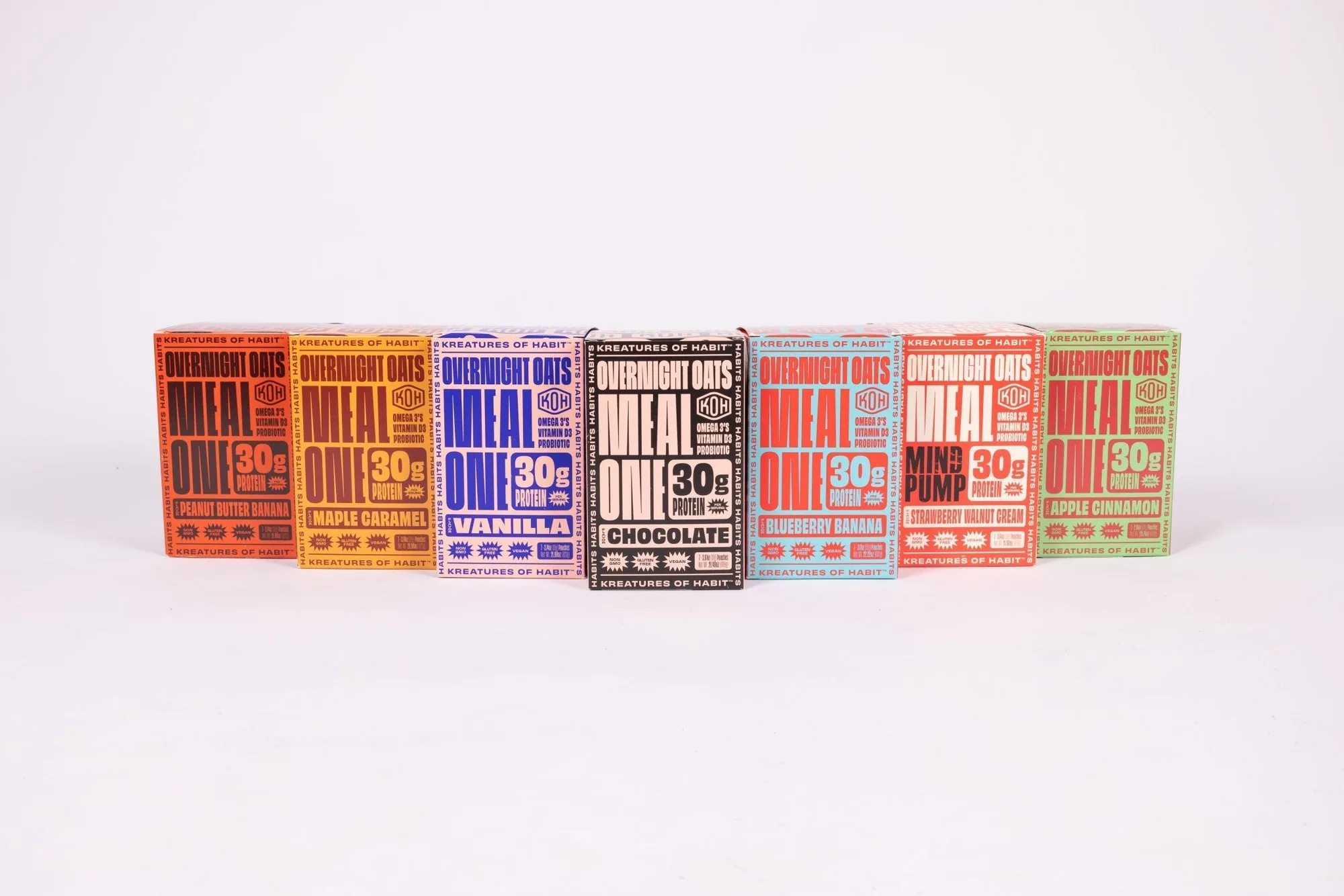
MEAL ONE High Protein Overnight Oats
Practical Tips for Switching to Glass Containers
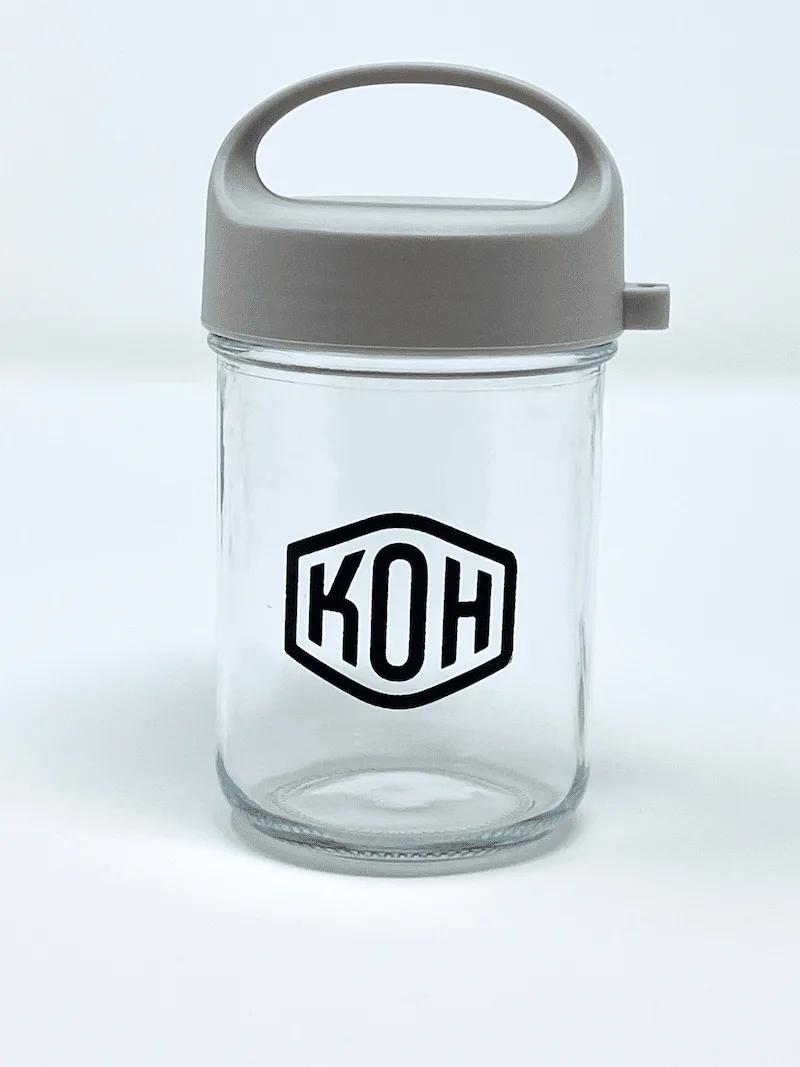
Transitioning from plastic to glass doesn’t have to be overwhelming. Start by replacing your most-used containers—those for storing leftovers, prepped ingredients, and on-the-go meals. Look for glass containers with airtight, leak-proof lids, ideally made from BPA-free silicone or bamboo. The https://tastio.shop/products/kreature-kontainer-glass-92895Kreature Kontainer - Glass is a perfect example of a durable, eco-friendly option that is designed for meal prep convenience. Its clear glass body allows you to see contents at a glance, and the secure lid keeps food fresh for days.
Another tip is to invest in a set of uniform-sized containers for easy stacking and portion control. Glass containers are heavier than plastic, so consider your carrying needs. If you take lunch to work, choose a sturdy, insulated bag to protect the glass. For dry ingredients like oats or snacks, you can still use glass jars or containers with wide mouths for easy scooping. Remember to let hot food cool slightly before sealing to prevent condensation, which can lead to soggy meals.
- Start with a few versatile sizes: small for sauces, medium for sides, large for main dishes.
- Use glass containers for both fridge and freezer storage—just leave headspace for expansion.
- Label containers with a dry-erase marker or reusable labels to track meal prep dates.
How Glass Containers Enhance Food Freshness and Flavor
Glass is non-porous, meaning it does not absorb food odors, flavors, or bacteria. This is a game-changer for meal preppers who frequently store strong-smelling foods like garlic, onions, or fish. With plastic, these odors can linger even after washing, affecting the taste of subsequent meals. Glass keeps each dish tasting exactly as intended, with no cross-contamination of flavors.
Additionally, glass provides a superior airtight seal when paired with quality lids. This reduces oxidation and slows spoilage, keeping your prepped meals fresh for three to five days or longer. For ingredients like overnight oats, which benefit from a consistent temperature and moisture level, glass containers are ideal. You can prepare a batch of MEAL ONE High Protein Overnight Oats in a glass jar and enjoy a creamy, fresh texture every morning. The transparency of glass also helps you monitor portion sizes and food quality at a glance.
Cost-Effectiveness and Long-Term Value
While glass containers often have a higher upfront cost than plastic, they pay for themselves over time through durability and reduced waste. A single glass container can last for decades if handled carefully, whereas plastic containers may need replacement every few months due to cracking, staining, or warping. This makes glass a more economical choice for dedicated meal preppers.
Moreover, many glass containers are oven-safe (without lids), allowing you to bake, roast, or reheat directly in the container, reducing the need for additional dishes. This convenience saves time and energy. For those who value sustainability, the long lifespan of glass means fewer resources are consumed over the product’s lifecycle. By choosing glass, you align your meal prep habits with a zero-waste mindset.
- Invest in tempered glass containers that can withstand thermal shock.
- Check for dishwasher-safe glass to simplify cleaning and maintenance.
- Buy in sets or bundles to save money and ensure lid compatibility.
Switching to glass containers is one of the simplest yet most impactful changes you can make for a healthier, more sustainable meal prep routine. From preserving food quality to reducing plastic waste, glass offers unmatched benefits for eco-conscious enthusiasts. Ready to upgrade your kitchen storage? Explore the Kreature Kontainer - Glass and discover how easy it is to make the switch today.