Indoor plants bring life, color, and a sense of calm to any space. But nothing disrupts that tranquility faster than discovering tiny bugs crawling on your beloved leaves. Houseplant pests are a common frustration for plant parents, but the good news is you don't need harsh chemical sprays to banish them. Natural pest control for plants is effective, safe for your family and pets, and often uses ingredients you already have at home.
In this guide, we’ll walk you through the five most common houseplant pests—spider mites, mealybugs, aphids, fungus gnats, and scale—and show you exactly how to treat them using organic plant pest remedies. Whether you’re a seasoned collector or a new plant parent, these natural solutions will help you keep your indoor jungle thriving.
1. Spider Mites: The Tiny Web Weavers
How to Identify Spider Mites
Spider mites are minuscule arachnids—often smaller than a pinhead—that cluster on the undersides of leaves. They leave behind fine, silky webbing between stems and leaves, and you may notice tiny yellow or white speckles (called stippling) on the upper leaf surfaces. As the infestation worsens, leaves can turn bronze or brown and drop off.
Natural Treatment for Spider Mites
- Isopropyl alcohol spray: Mix 1 part rubbing alcohol with 3 parts water and a few drops of mild dish soap. Spray thoroughly on all leaf surfaces, especially the undersides, every 3–4 days for two weeks.
- Neem oil solution: Combine 1 teaspoon of cold-pressed neem oil, 1 teaspoon of mild liquid soap, and 1 liter of water. Shake well and spray weekly. Neem oil suffocates mites and disrupts their life cycle.
- Increase humidity: Spider mites thrive in dry air. Misting your plants daily or using a pebble tray can help deter them.
For persistent cases, consider using a product like Arber Plant Protectant, a plant-based concentrate that effectively targets spider mites without synthetic chemicals.
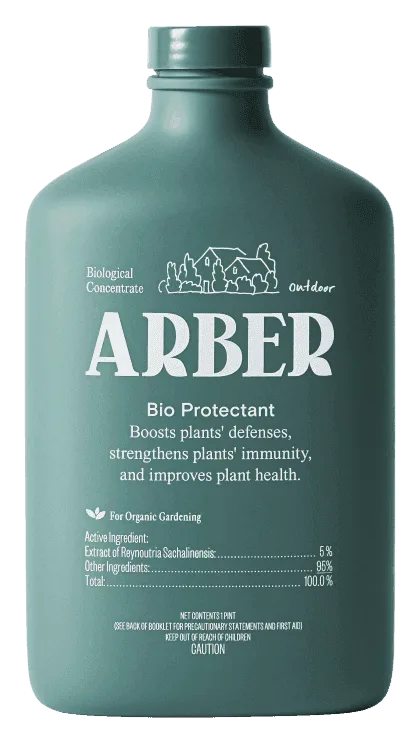
Arber Plant Protectant
2. Mealybugs: The Fluffy White Invaders
How to Identify Mealybugs
Mealybugs look like small tufts of cotton or white fuzz tucked into leaf axils, along stems, and under leaves. They suck sap from your plant, causing yellowing, wilting, and stunted growth. They also excrete a sticky substance called honeydew, which can attract ants or lead to sooty mold.
Natural Treatment for Mealybugs
- Rubbing alcohol swab: Dip a cotton swab in 70% isopropyl alcohol and dab it directly onto each mealybug. This dissolves their waxy coating and kills them instantly.
- Insecticidal soap spray: Mix 1 tablespoon of pure liquid castile soap (like Dr. Bronner’s) with 1 liter of water. Spray the entire plant, paying extra attention to crevices. Repeat every 5–7 days.
- Introduce beneficial insects: Ladybugs and green lacewings are natural predators of mealybugs. You can order them online for indoor use.
If you prefer a ready-to-use natural remedy, Arber Plant Protectant also works well against mealybugs—just follow the label instructions for indoor plants.
3. Aphids: The Sap-Sucking Swarms
How to Identify Aphids
Aphids are small, pear-shaped insects that come in green, black, brown, pink, or yellow. They often cluster on new growth, flower buds, and the undersides of leaves. Signs of aphids include curled or distorted leaves, sticky honeydew, and the presence of ants farming them for honeydew.
Natural Treatment for Aphids
- Strong water blast: Use a spray bottle or a gentle shower head to blast aphids off your plant. Repeat every few days until they’re gone.
- Garlic or chili spray: Blend 2 cloves of garlic (or 1 chili pepper) with 1 cup of water, strain, and add a drop of soap. Spray on affected areas. The strong odor repels aphids.
- Diatomaceous earth (DE): Dust food-grade DE on dry leaves and soil. The microscopic sharp edges cut aphids’ exoskeletons, causing them to dehydrate.
Keep your plants strong and well-fed to resist aphid attacks. Proper nutrition and a healthy growing medium—like a quality Potting Mix—support robust growth that naturally deters pests.
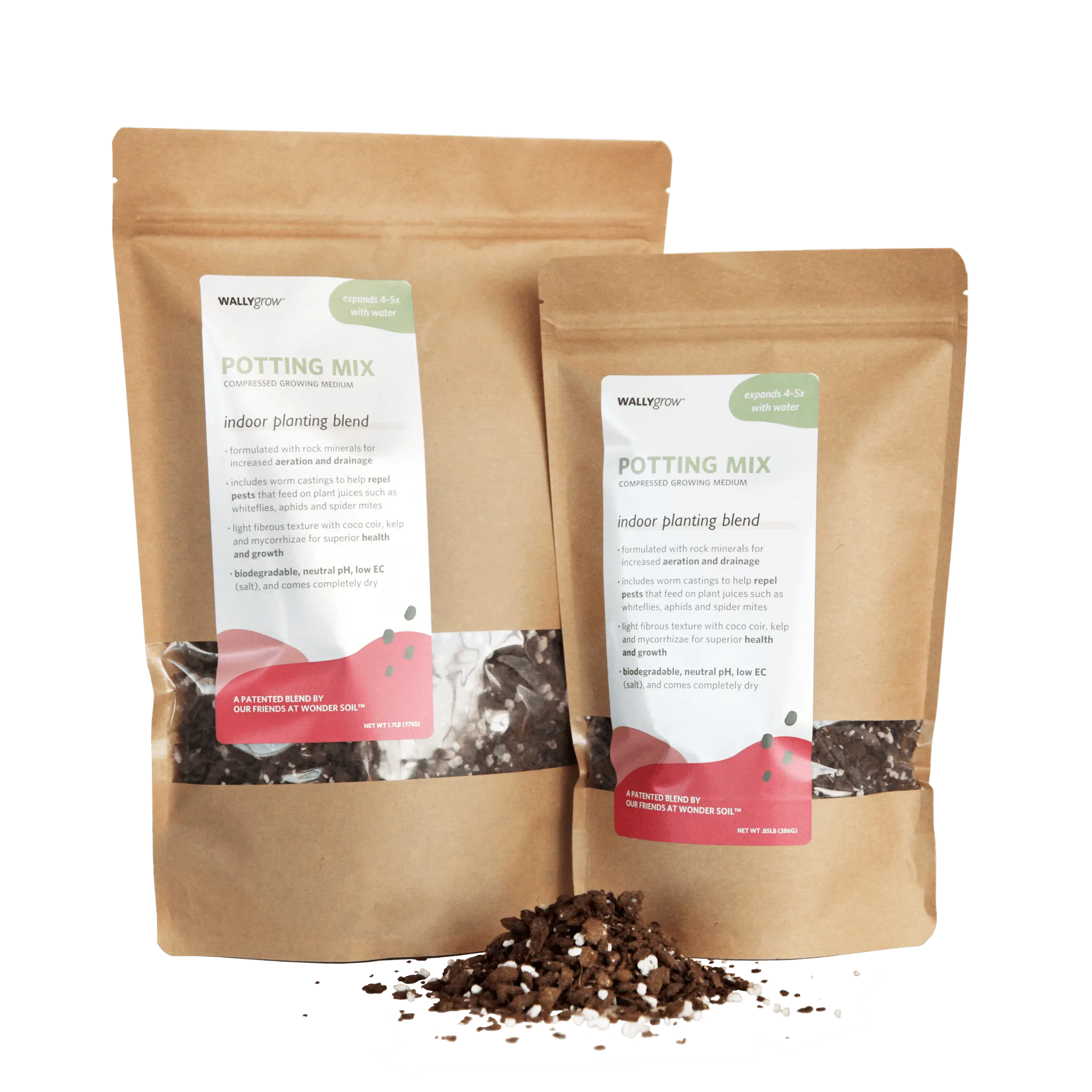
Potting Mix
4. Fungus Gnats: The Annoying Little Flies
How to Identify Fungus Gnats
Fungus gnats are tiny black flies (about 1/8 inch) that hover around the soil surface and fly up when you water. Their larvae—small, clear worms with black heads—live in moist soil and feed on organic matter and plant roots, causing yellowing leaves and weak growth.
Natural Treatment for Fungus Gnats
- Allow soil to dry: Fungus gnat larvae need moisture to survive. Let the top 1–2 inches of soil dry out between waterings.
- Yellow sticky traps: Place yellow sticky traps near the soil surface to catch adult flies. This reduces egg-laying.
- Mosquito dunks (Bti): Soak a quarter of a mosquito dunk (containing Bacillus thuringiensis israelensis) in your watering can overnight. Use this water for your plants—it kills larvae without harming plants.
- Hydrogen peroxide drench: Mix 1 part 3% hydrogen peroxide with 4 parts water and water your plant. The solution kills larvae on contact and oxygenates roots.
5. Scale: The Stubborn Brown Bumps
How to Identify Scale
Scale insects look like small, oval, brown or tan bumps attached to stems and leaf veins. They don’t move once they settle, and they feed by sucking sap. Infested plants may have sticky leaves, yellowing, and a general decline in health. Soft scale produces honeydew, while hard scale does not.
Natural Treatment for Scale
- Manual removal: Gently scrape off scale with your fingernail, a soft toothbrush, or a cotton swab dipped in rubbing alcohol. This is most effective for light infestations.
- Horticultural oil spray: Mix 2 tablespoons of neem oil (or canola oil) with 1 liter of water and a few drops of soap. Spray thoroughly, coating all scale bumps. The oil suffocates them. Repeat weekly for at least three weeks.
- Systemic control: For heavy infestations, consider a plant-based systemic like Arber Plant Protectant, which moves through the plant’s tissues and targets sucking insects from the inside.
Prevention: Your Best Defense Against Houseplant Pests
Natural treatments are effective, but preventing pests in the first place saves you time and stress. Here are some proactive tips:
- Quarantine new plants: Keep new arrivals separate from your collection for at least two weeks to monitor for pests.
- Inspect regularly: Check leaves, stems, and soil at least once a week. Early detection is key.
- Clean leaves: Dust and debris can hide pests. Wipe leaves with a damp cloth every few weeks.
- Use sterile potting mix: Always use fresh, sterile soil like Potting Mix to avoid introducing eggs or larvae.
- Avoid overwatering: Excess moisture attracts fungus gnats and weakens roots, making plants more vulnerable.
When to Consider Organic Commercial Products
Sometimes a homemade remedy isn’t enough, especially for widespread or recurring infestations. That’s where organic commercial products shine. They’re formulated to be effective while staying safe for your plants, pets, and the environment. Look for products containing neem oil, insecticidal soap, or beneficial bacteria like Bti.
For a versatile, plant-based solution, Arber Plant Protectant is an excellent choice. It targets a wide range of pests—including spider mites, mealybugs, aphids, and scale—without synthetic chemicals. Just mix and spray as directed.
Final Thoughts
Dealing with houseplant pests doesn’t have to mean reaching for toxic pesticides. With the natural remedies outlined above, you can banish common bugs while keeping your indoor garden healthy and your home chemical-free. Remember, consistency is key—treat every few days until the infestation is gone, and always follow up with good preventive care.
Your plants work hard to bring you joy and cleaner air. Return the favor by giving them the gentle, natural care they deserve.
Ready to protect your plant family naturally? Explore our full range of organic pest control solutions and plant care essentials. Start with Arber Plant Protectant—your go-to ally for a pest-free indoor jungle.