Bug bites are an inevitable part of spending time outdoors, especially during warmer months. While most bites are harmless and heal on their own, the way you treat them can make a huge difference in how quickly you recover and whether complications like infection or scarring occur. Unfortunately, many people unknowingly make bug bite treatment mistakes that worsen symptoms or prolong discomfort. In this guide, we’ll walk you through five common errors and share proven insect bite relief tips to help you heal faster and more comfortably.
Mistake #1: Scratching the Bite Immediately
It’s almost instinctual—when a mosquito or ant bites you, your first reaction is to scratch. But scratching is one of the biggest bug bite treatment mistakes you can make. Scratching breaks the skin, introduces bacteria from your nails, and triggers a stronger inflammatory response. This can lead to redness, swelling, and even secondary infections like cellulitis.
What to do instead
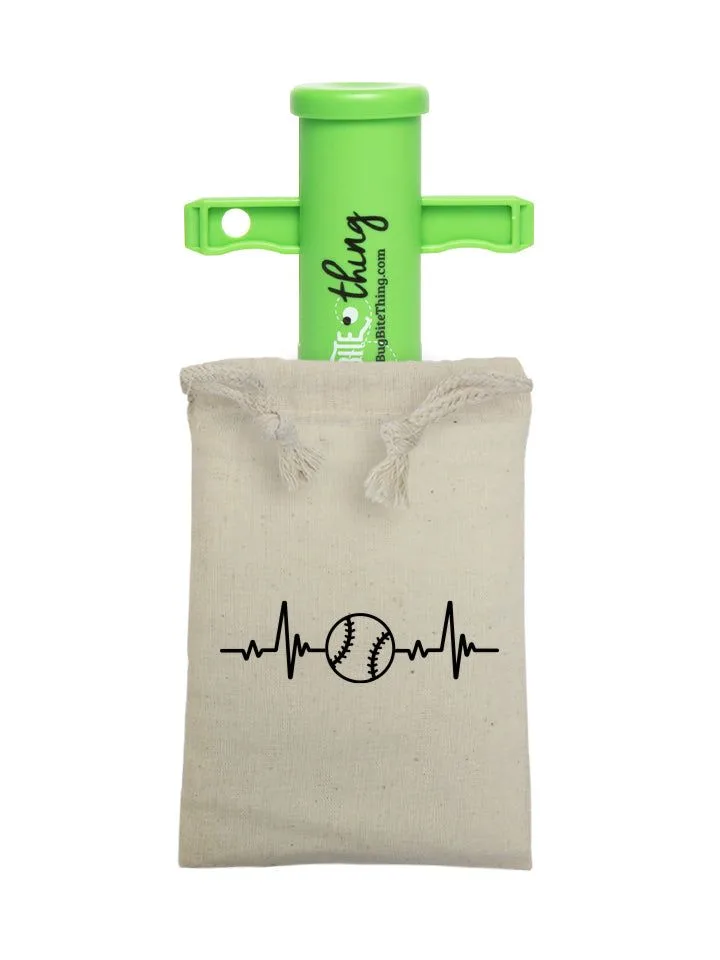
Instead of scratching, apply a clean, cold compress to numb the area and reduce itching. Better yet, use a suction tool designed for bug bites. The Bug Bite Thing Suction Tool extracts saliva, venom, and other irritants from the bite site, which can dramatically reduce itching and swelling within seconds. This non-toxic, chemical-free approach stops the urge to scratch by addressing the root cause of the irritation.
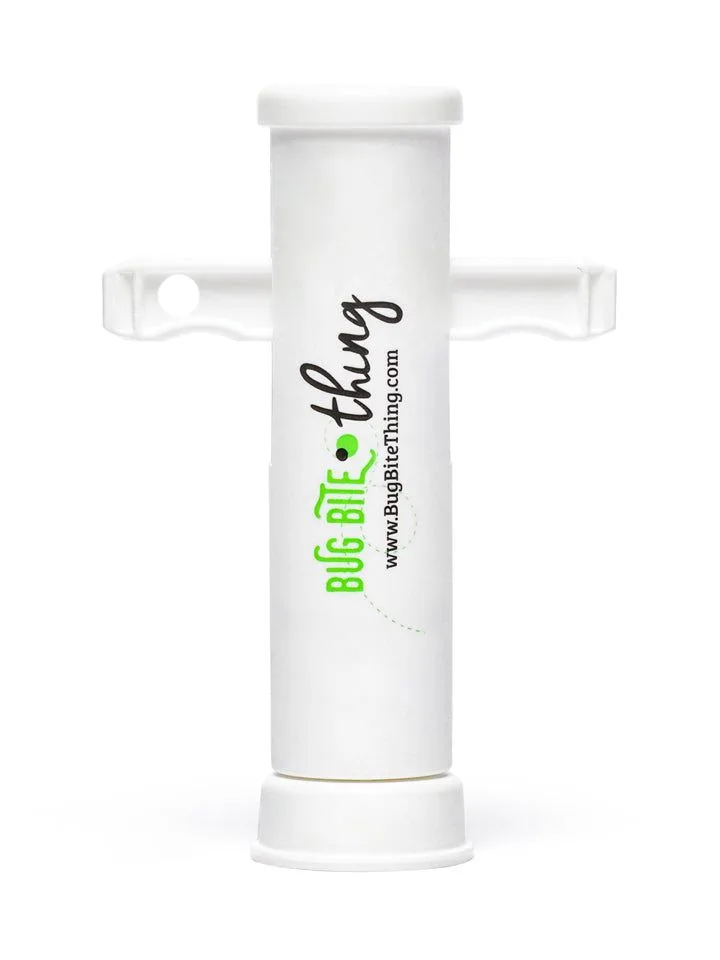
Bug Bite Thing Suction Tool
Mistake #2: Relying Only on Topical Creams and Antihistamines
Many people reach for hydrocortisone cream, calamine lotion, or oral antihistamines as their first line of defense. While these can provide temporary relief, they often mask symptoms without treating the underlying problem: the irritants left under the skin. Over-reliance on creams can also delay healing and sometimes cause skin thinning with prolonged use.
A more effective insect bite relief tip
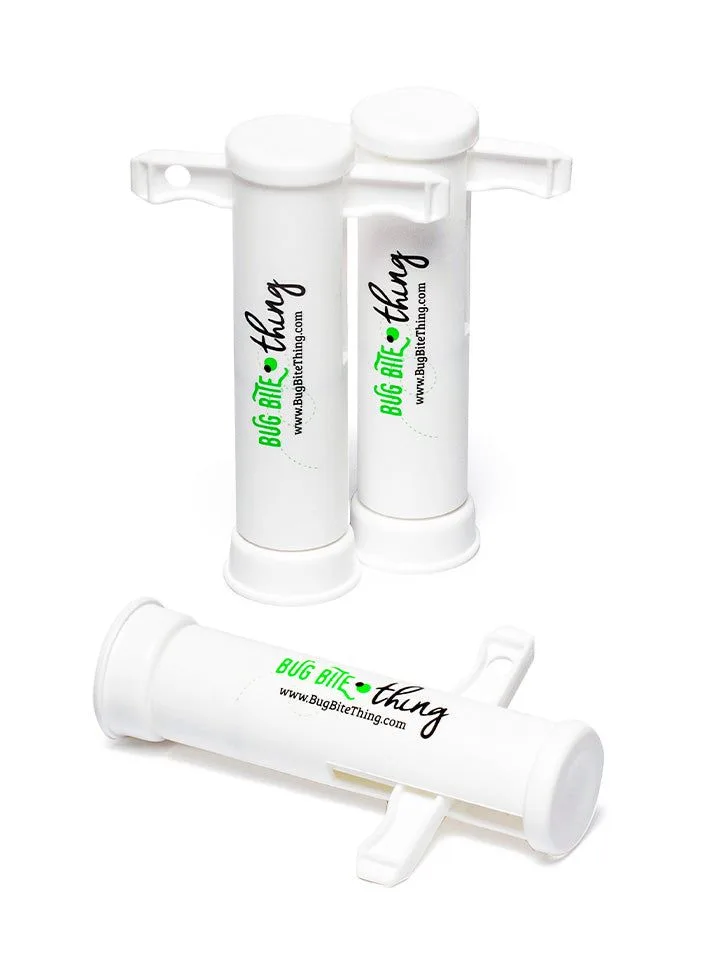
For fast, lasting relief, combine a suction device with topical treatments. The Bug Bite Thing Suction Tool - White works by creating a vacuum that pulls out the saliva and venom that trigger itching and swelling. After suction, you can apply a gentle moisturizer or anti-itch cream, but many users find that no additional products are needed. This two-step approach is safer and more effective than relying solely on creams.
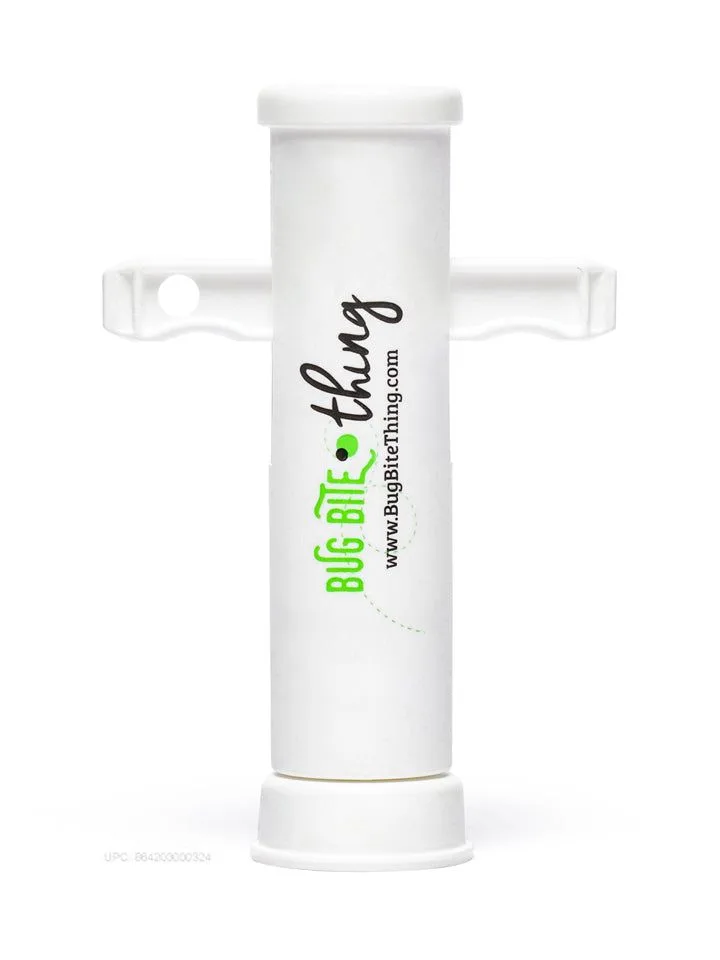
Bug Bite Thing Suction Tool - White
Mistake #3: Ignoring Ticks and Their Potential Risks
Not all bug bites are created equal. Tick bites are particularly dangerous because they can transmit Lyme disease, anaplasmosis, and other serious illnesses. A common mistake is removing a tick and then forgetting about it, assuming the bite is harmless. This oversight can lead to delayed diagnosis and treatment of tick-borne diseases.
How to avoid this mistake
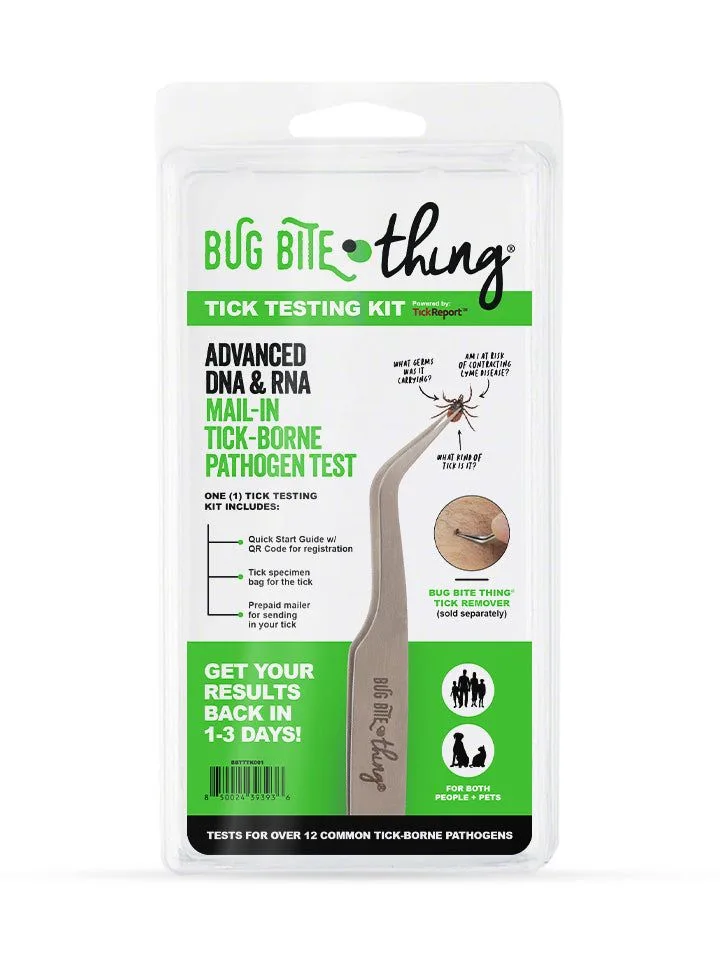
Always remove ticks properly using a dedicated tool like the Bug Bite Thing Tick Remover, which safely grasps the tick close to the skin for gentle, complete removal. After removal, don’t throw the tick away—test it. The Bug Bite Thing® Tick Testing Kit - Powered by TickReport™ allows you to send the tick to a lab for analysis. You’ll receive a detailed report on whether the tick carried any pathogens, giving you peace of mind or the information you need to seek early treatment.
Mistake #4: Applying Heat or Ice Incorrectly
Many people know that cold compresses help reduce swelling, but applying ice directly to the skin or leaving it on too long can cause frostbite or tissue damage. On the other hand, some believe heat can “neutralize” insect venom, but excessive heat can actually burn the skin and worsen inflammation.
The right way to use temperature
Wrap ice or a cold pack in a thin cloth and apply for no more than 10–15 minutes at a time. If you prefer heat, use a warm (not hot) compress for only a few minutes to increase blood flow and help flush out irritants—but only after using a suction tool first. Suction is a safer, more controlled method to remove irritants without temperature risks.
Mistake #5: Using Dirty Tools or Fingers to Treat Bites
When you use unwashed hands, old tweezers, or unsanitary tools to handle a bite, you risk introducing bacteria that can cause infection. This is especially true when trying to pop a blister or pick at a bite. Even if you’re using a suction device, cleanliness is critical.
Best practices for hygiene
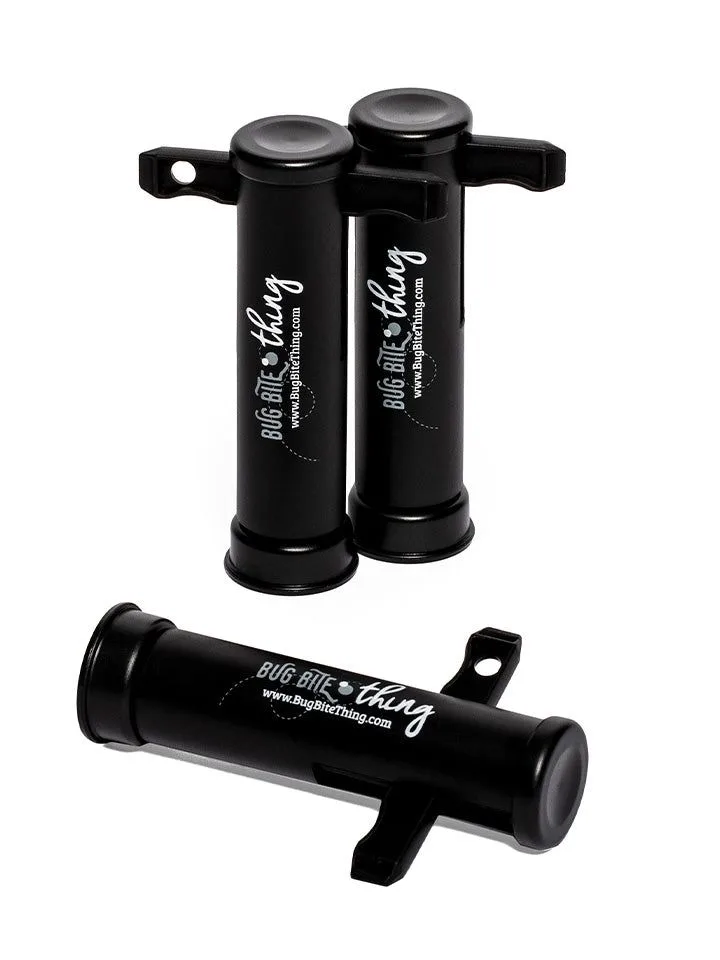
Always wash your hands with soap and water before treating any bite. Clean the bite area with mild soap and water as well. If you use a reusable suction tool, wash it thoroughly after each use. The Bug Bite Thing tools are made from durable, easy-to-clean materials, and many users keep one in their bag, car, or first aid kit. For families, the Bug Bite Thing Suction Tool - White/Black/Pink / 3-Pack is a great option because each family member can have their own, reducing cross-contamination risks.
Why Avoiding These Mistakes Matters for Your Health
Correcting these bug bite treatment mistakes can significantly reduce your risk of infection, scarring, and prolonged discomfort. When you treat bites promptly and properly, you also lower the chance of developing a secondary bacterial infection or an allergic reaction. By adopting a proactive approach—using suction, proper tick removal and testing, and hygienic practices—you can enjoy the outdoors without worrying about the aftermath of bites.
Additional Insect Bite Relief Tips for Sensitive Skin
If you have sensitive skin or are prone to allergic reactions, here are a few extra insect bite relief tips:
- Elevate the affected area if it’s on a limb to reduce swelling.
- Avoid tight clothing over the bite to prevent friction and irritation.
- Use fragrance-free moisturizers to soothe the skin without adding irritants.
- Monitor for signs of infection like increasing redness, warmth, or pus—if you see these, consult a healthcare provider.
When to See a Doctor
While most bug bites resolve on their own with proper care, you should seek medical attention if you experience difficulty breathing, swelling of the lips or throat, dizziness, or a rapid heartbeat—these could be signs of a severe allergic reaction. Also, if a tick bite site develops a bullseye rash or you have flu-like symptoms after a bite, see a doctor immediately.
Conclusion: Treat Smarter, Not Harder
By avoiding these five common mistakes, you can transform your bug bite treatment routine from reactive to proactive. The key is to remove irritants quickly and safely, use hygienic tools, and never ignore potential tick-borne illnesses. With the right approach, you can minimize itching, swelling, and worry—and get back to enjoying your time outdoors.
Ready to upgrade your insect bite relief toolkit? Explore the Bug Bite Thing Suction Tool - Black for a sleek, portable option that fits easily in your pocket or bag. It’s the smart, drug-free way to find relief from bug bites fast.