If you’ve ever stood in front of your skincare shelf wondering whether to reach for an ampoule or a serum first, you’re not alone. The terms “ampoule” and “serum” are often used interchangeably, but they serve distinct purposes in a skincare routine. Understanding the difference between ampoule vs serum can transform how you layer products, helping you target specific concerns without overwhelming your skin. In this guide, we’ll break down what makes each unique, when to use them, and how to layer them for maximum absorption and efficacy.
What Is a Serum?
A serum is a concentrated skincare product designed to deliver active ingredients deep into the skin. Serums typically have a lightweight, watery or gel-like consistency and are formulated with high concentrations of key ingredients like vitamin C, hyaluronic acid, niacinamide, or peptides. They target specific concerns such as hyperpigmentation, fine lines, dehydration, or dullness. Because serums have smaller molecules than moisturizers, they penetrate quickly and work at a cellular level. Most serums are water-based and can be used daily, both morning and night.
What Is an Ampoule?
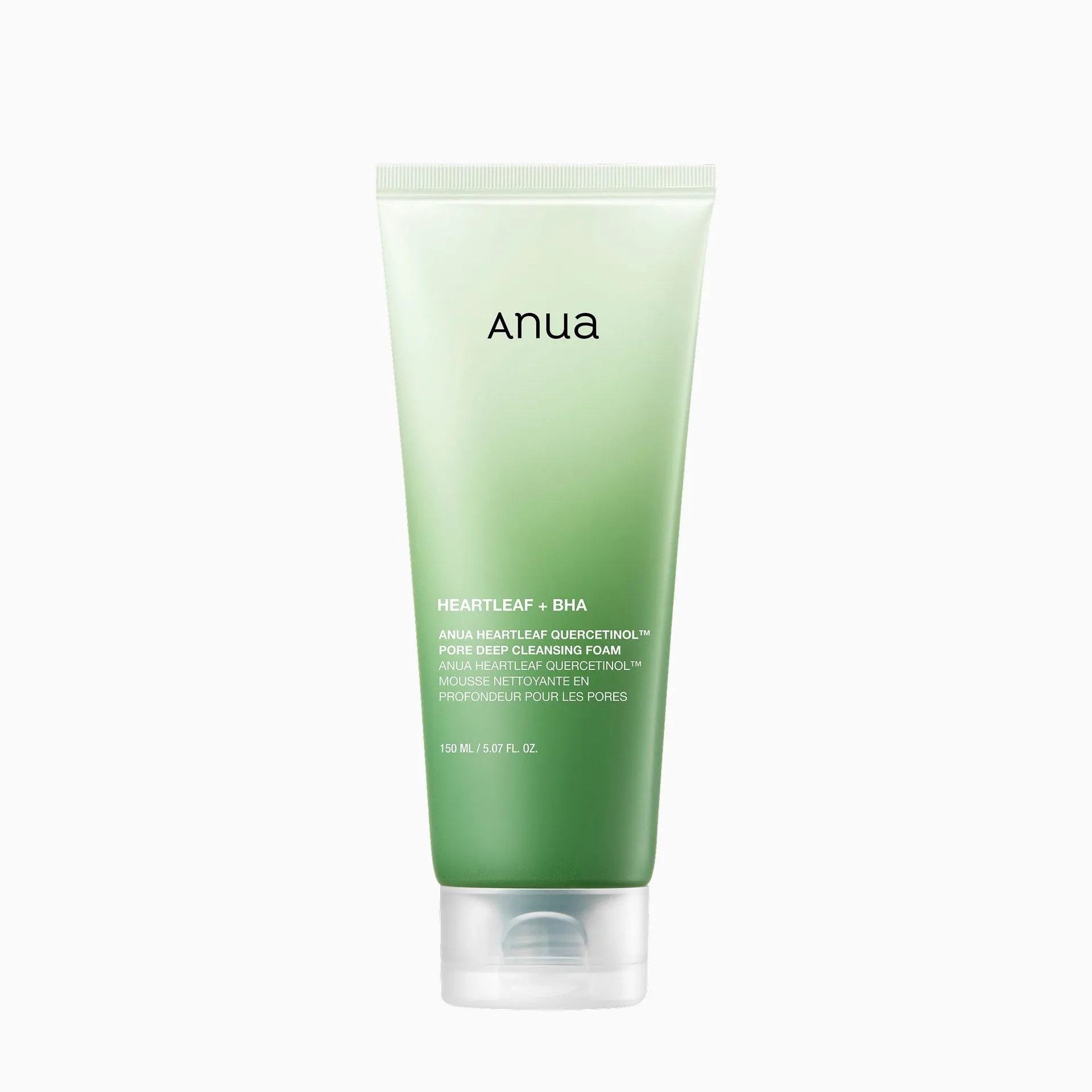
An ampoule is an even more concentrated treatment than a serum. Traditionally packaged in small, single-dose vials (ampoules), these products deliver a potent dose of active ingredients to address acute skin issues—think post-procedure recovery, intense dehydration, or sudden breakouts. Ampoules have a higher viscosity and richer texture than serums, often containing a blend of humectants, antioxidants, and soothing agents. They are designed for short-term use (e.g., a 7- or 14-day treatment course) or as a boost within your routine. For example, an ampoule with heartleaf extract can calm inflamed skin quickly.
Ampoule vs Serum: Key Differences at a Glance
Factor
Serum
Ampoule
Concentration
Moderate to high
Very high (often 2–3x a serum)
Texture
Lightweight, watery
Thicker, more viscous
Usage
Daily (AM & PM)
Short-term or as needed
Target
Ongoing concerns
Specific, urgent issues
Packaging
Pump or dropper bottle
Single-dose vials or dropper
When to Use an Ampoule vs a Serum
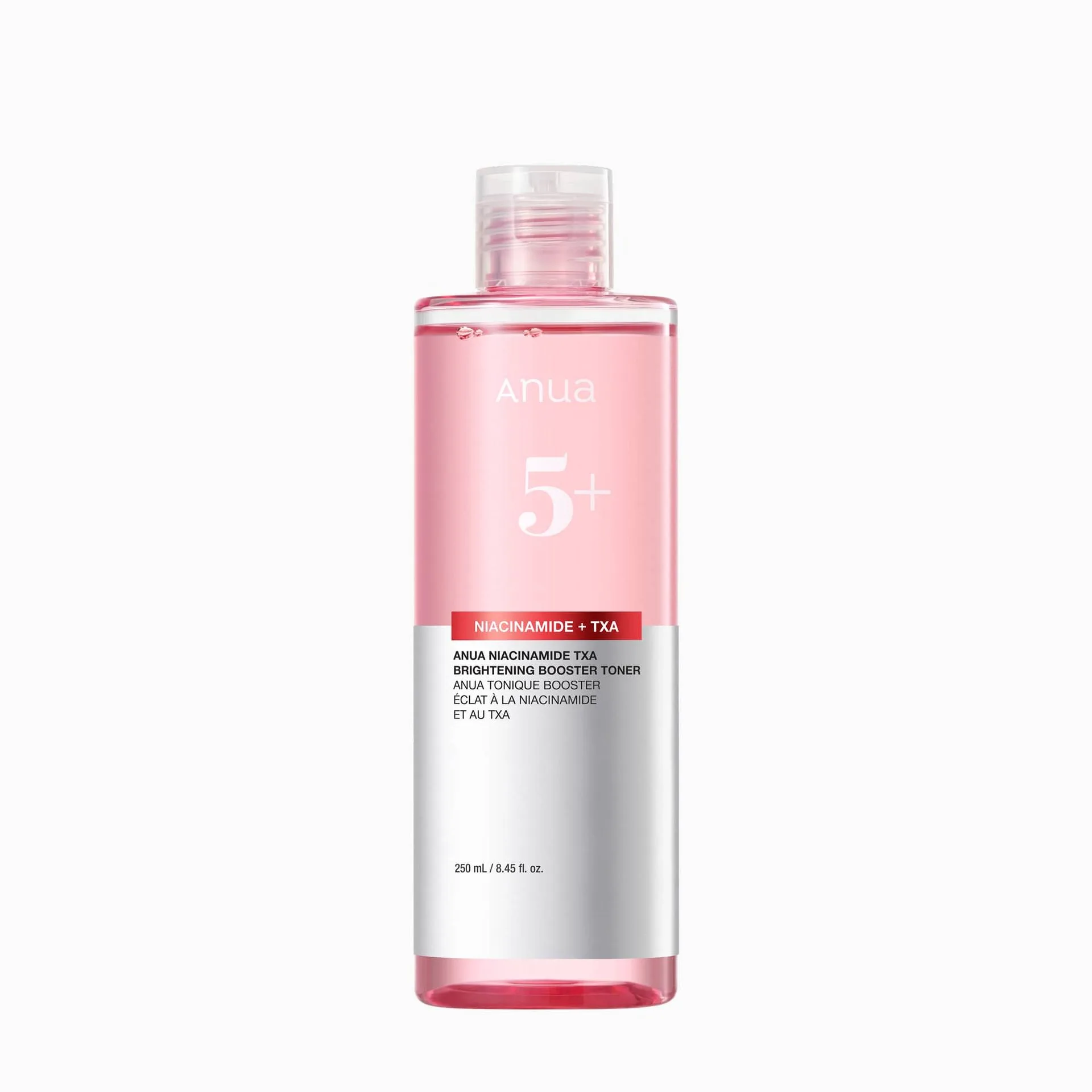
Choose a serum when you want to maintain a consistent skincare routine for long-term goals like brightening, hydration, or anti-aging. For instance, a niacinamide serum works well for daily pores and texture refinement.
Choose an ampoule when your skin needs a powerful intervention—after a breakout, during seasonal changes, or when you need rapid soothing. An ampoule with centella or heartleaf can reduce redness overnight.
How to Layer Ampoules and Serums in Your Routine
Layering is where the magic happens. The general rule is to apply products from thinnest to thickest consistency. Here’s a step-by-step guide:
- Cleanse: Start with a double cleanse. Use an oil-based cleanser like Heartleaf Pore Control Cleansing Oil to remove makeup and sunscreen, then follow with a water-based cleanser.
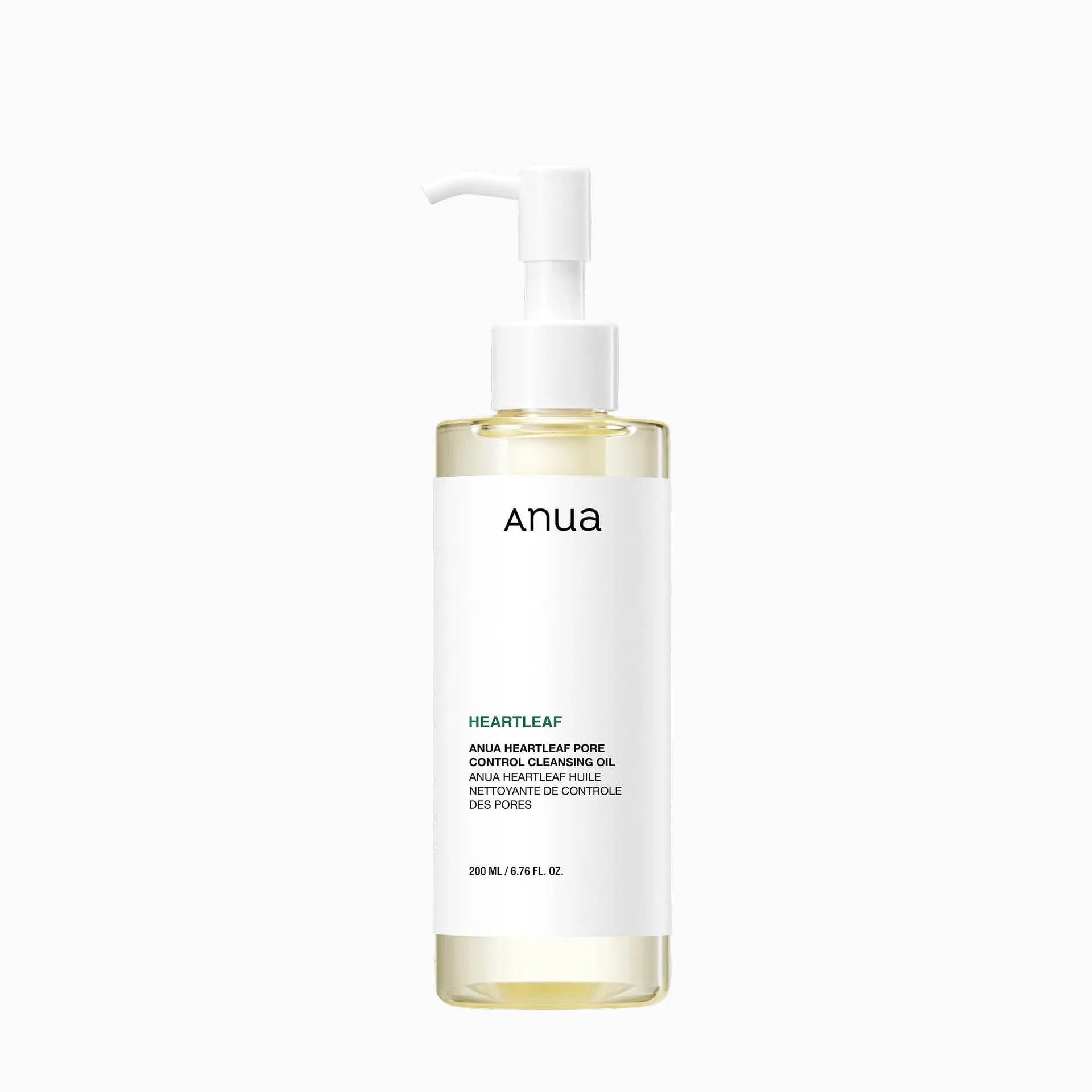
Heartleaf Pore Control Cleansing Oil
- Tone: Apply an exfoliating or hydrating toner to prep the skin.
- Ampoule (if using): Apply your ampoule first because it’s more concentrated but often slightly thicker than a serum. Pat gently for absorption.
- Serum: Follow with your serum. This ensures the serum’s active ingredients—like vitamin C or hyaluronic acid—penetrate after the ampoule has delivered its targeted dose.
- Moisturize: Lock everything in with a moisturizer such as Heartleaf 70% Intense Calming Cream to soothe and hydrate.
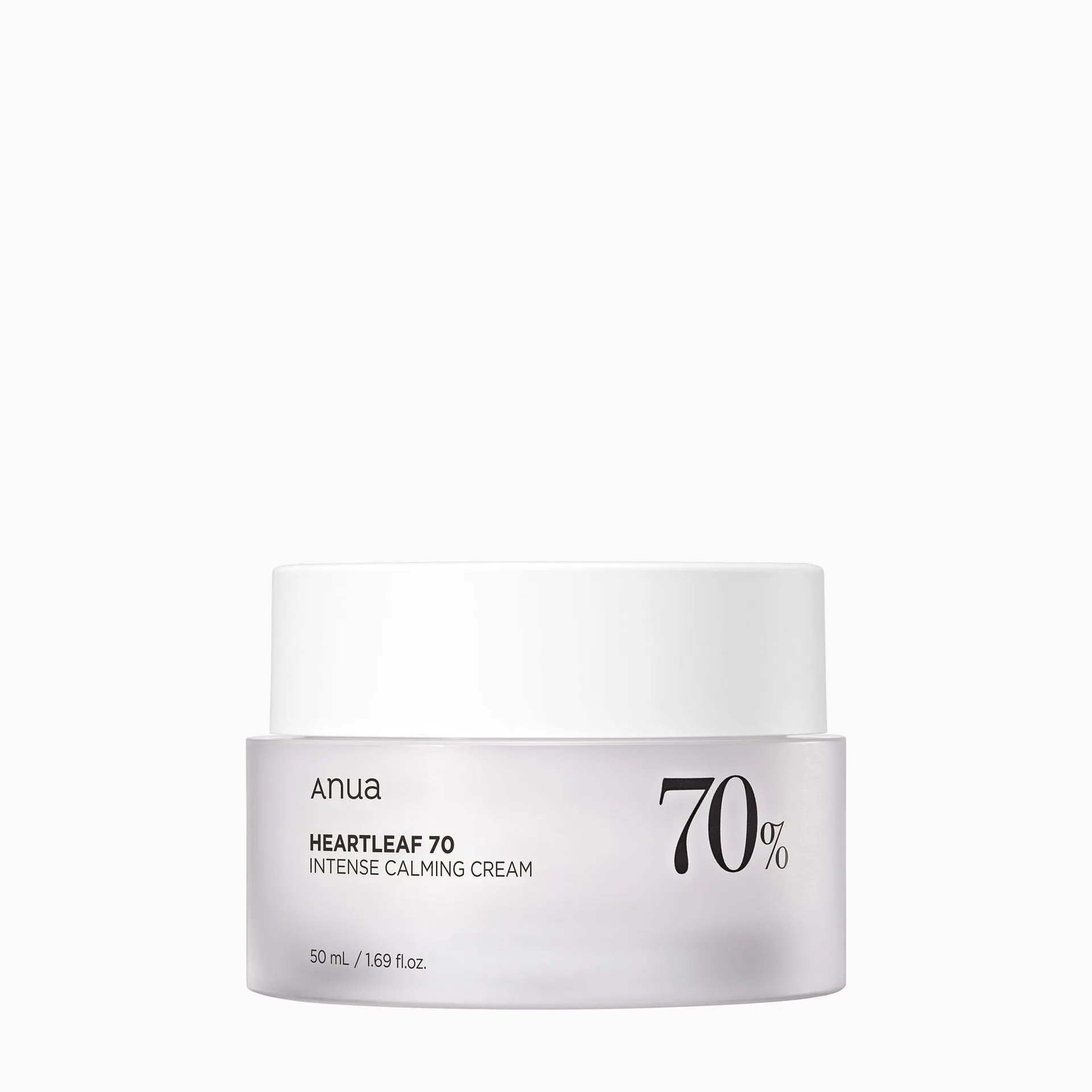
Heartleaf 70% Intense Calming Cream
- Sunscreen (AM): Finish with a broad-spectrum sunscreen like Zero-cast Moisturizing Finish Sunscreen for daily protection.
Common Mistakes When Layering Ampoules and Serums
- Using too many actives: Avoid layering multiple strong serums and ampoules with same ingredients (e.g., two vitamin C products) to prevent irritation.
- Skipping waiting time: Let each product absorb for 30–60 seconds before applying the next layer to enhance penetration.
- Overdoing ampoules: Ampoules are potent; using them daily for months may sensitize your skin. Stick to short courses.
- Mixing incompatible ingredients: For example, avoid using retinol with strong acids at the same time. Research pH compatibility.
Can You Use an Ampoule and Serum Together?
Absolutely—and it’s often recommended for maximum benefits. The key is to choose complementary ingredients. For example, you might use a hydrating ampoule with hyaluronic acid followed by a brightening serum with niacinamide. Alternatively, if you have acne-prone skin, start with a calming ampoule containing heartleaf extract, then follow with a clarifying serum. Always patch-test first, especially if you have reactive skin.
How to Choose the Right Ampoule or Serum for Your Skin Type
Oily or acne-prone skin: Look for lightweight, non-comedogenic formulas with salicylic acid, niacinamide, or tea tree. Ampoules with zinc or centella can reduce inflammation.
Dry or dehydrated skin: Opt for serums with hyaluronic acid, glycerin, or ceramides. Ampoules with squalane or panthenol provide intense moisture.
Sensitive skin: Stick to soothing ingredients like heartleaf, chamomile, or allantoin. Avoid high concentrations of exfoliants. An ampoule like heartleaf extract can calm redness quickly.
Aging or mature skin: Serums with peptides, retinol, or vitamin C are excellent for collagen production. Ampoules with PDRN or growth factors can boost regeneration.
Real-World Example: Building a Routine with Anua Products
To make this practical, here’s a sample routine using Anua favorites:
Morning: Cleanse → Tone with Heartleaf 77 Clear Pad → Apply a brightening serum (e.g., niacinamide serum) → Moisturize with Heartleaf 70% Intense Calming Cream → Sunscreen.
Evening: Double cleanse → Tone → Use a targeted ampoule (e.g., a calming heartleaf ampoule for spots) → Apply a hydrating serum → Night cream. If you’re dealing with a stubborn pimple, add a spot patch like the Triple Acid Spot Care Microdart Patch after serum for direct treatment.
Final Thoughts: Ampoule vs Serum—Which One You Need?
Both ampoules and serums are powerful allies in skincare, but they serve different roles. Think of serums as your daily foundation—consistent, reliable, and focused on long-term goals. Ampoules are your emergency boosters—intense, targeted, and short-term. By layering them correctly, you can address multiple concerns without overcomplicating your routine.
Ready to upgrade your skincare regimen? Start with a serum suited to your main concern, and add an ampoule when your skin needs extra TLC. Explore the full range of Anua serums and ampoules to find your perfect match. For a convenient start, check out the All-in-one Viral Routine Kit that includes curated products for a balanced routine.