If you struggle with persistent redness, post-acne marks, or sensitive breakouts, you've likely encountered two powerhouse soothing ingredients: azelaic acid and CICA (Centella Asiatica). Both are celebrated in Korean skincare for their calming properties, but they work in very different ways. Choosing between them can be confusing, especially when your skin needs relief without irritation.
In this article, we'll break down the science behind azelaic acid and CICA, compare their benefits for redness and acne, and help you decide which ingredient deserves a spot in your routine. Whether you're new to soothing ingredients or looking to refine your regimen, this guide will empower you to make an informed choice.
What Is Azelaic Acid and How Does It Work?
Azelaic acid is a naturally occurring dicarboxylic acid found in grains like wheat, barley, and rye. In skincare, it's prized for its multitasking abilities: it reduces inflammation, unclogs pores, and fades hyperpigmentation. Unlike harsh exfoliants, azelaic acid works gently by normalizing skin cell turnover and inhibiting the growth of acne-causing bacteria (Propionibacterium acnes).
For redness-prone skin, azelaic acid is a game-changer. It targets the underlying inflammation that causes rosacea and persistent redness, making it a top choice for those with sensitive, reactive complexions. Its ability to brighten dark spots without bleaching surrounding skin adds to its appeal. In Korean skincare, azelaic acid is often found in serums and spot treatments designed to calm and clarify.
- Reduces redness by calming inflammatory pathways
- Unclogs pores and prevents new breakouts
- Fades post-inflammatory hyperpigmentation (PIH)
- Safe for sensitive skin when used at low concentrations (5-10%)
What Is CICA and Why Is It So Popular in Korean Skincare?
CICA, short for Centella Asiatica (also known as Gotu Kola or Tiger Grass), is a medicinal herb used for centuries in traditional Asian medicine. In modern K-beauty, CICA is revered for its exceptional wound-healing and anti-inflammatory properties. It contains active compounds like madecassoside, asiaticoside, and asiatic acid, which boost collagen synthesis and strengthen the skin barrier.
For acne-prone and sensitive skin, CICA provides immediate relief from irritation, stinging, and redness. It's especially effective for calming active breakouts and soothing the skin after harsh treatments like exfoliation or retinoid use. Unlike azelaic acid, CICA doesn't directly target bacteria or pigment, but it excels at repairing the skin's protective barrier, making it ideal for those with compromised or dehydrated skin.
- Instantly soothes redness and irritation
- Accelerates wound healing and reduces scarring
- Strengthens the skin barrier to prevent future sensitivity
- Works well with other active ingredients
Azelaic Acid vs CICA: Key Differences at a Glance
While both ingredients calm redness, their mechanisms and best-use cases differ significantly. Azelaic acid is more of a corrective ingredient—it actively treats inflammation, bacteria, and pigmentation. CICA is a restorative ingredient—it repairs and protects the skin barrier while providing immediate comfort. Choosing between them depends on your primary skin concern.
If your main issue is persistent redness from rosacea or acne, azelaic acid offers targeted therapeutic benefits. If your skin feels raw, tight, or reactive after using other products, CICA is your go-to for barrier repair. Many Korean skincare enthusiasts use both in rotation: azelaic acid in the morning for oil control and brightening, and CICA at night for deep recovery.
- Azelaic acid: best for acne, redness, and dark spots
- CICA: best for barrier repair, sensitivity, and immediate soothing
- Combine both for a comprehensive redness-relief routine
How to Incorporate Azelaic Acid and CICA Into Your Routine
To get the most out of these ingredients, start with a gentle cleanser to prep your skin. For azelaic acid, apply it after toner and before moisturizer—use it once daily, gradually increasing to twice if tolerated. For CICA, look for serums or creams that list Centella Asiatica extract high on the ingredient list. You can layer CICA over azelaic acid, but avoid mixing with strong acids like AHAs/BHAs in the same session.
A practical example: In the morning, use a CICA-rich moisturizer to soothe and protect your skin throughout the day. In the evening, apply an azelaic acid serum to target acne and redness while you sleep. If your skin feels overloaded, alternate nights between the two. Products like the https://purebeautytools.store/products/heartleaf-centella-red-spot-cream-51498Heartleaf Centella Red Spot Cream combine soothing botanicals with targeted acne care, offering a hybrid approach for those who want both benefits in one step.
- Patch test before combining new actives
- Use azelaic acid on clean, dry skin for best absorption
- Follow with a moisturizer containing CICA for added barrier support
Which Ingredient Is Right for Your Skin Type?
For oily, acne-prone skin with dark spots, azelaic acid is the clear winner. It controls breakouts, reduces redness, and evens tone without clogging pores. For dry, sensitive, or barrier-damaged skin, CICA provides essential hydration and repair. Combination skin types can benefit from both: use azelaic acid on breakout-prone areas (like the T-zone) and CICA on drier or irritated zones.
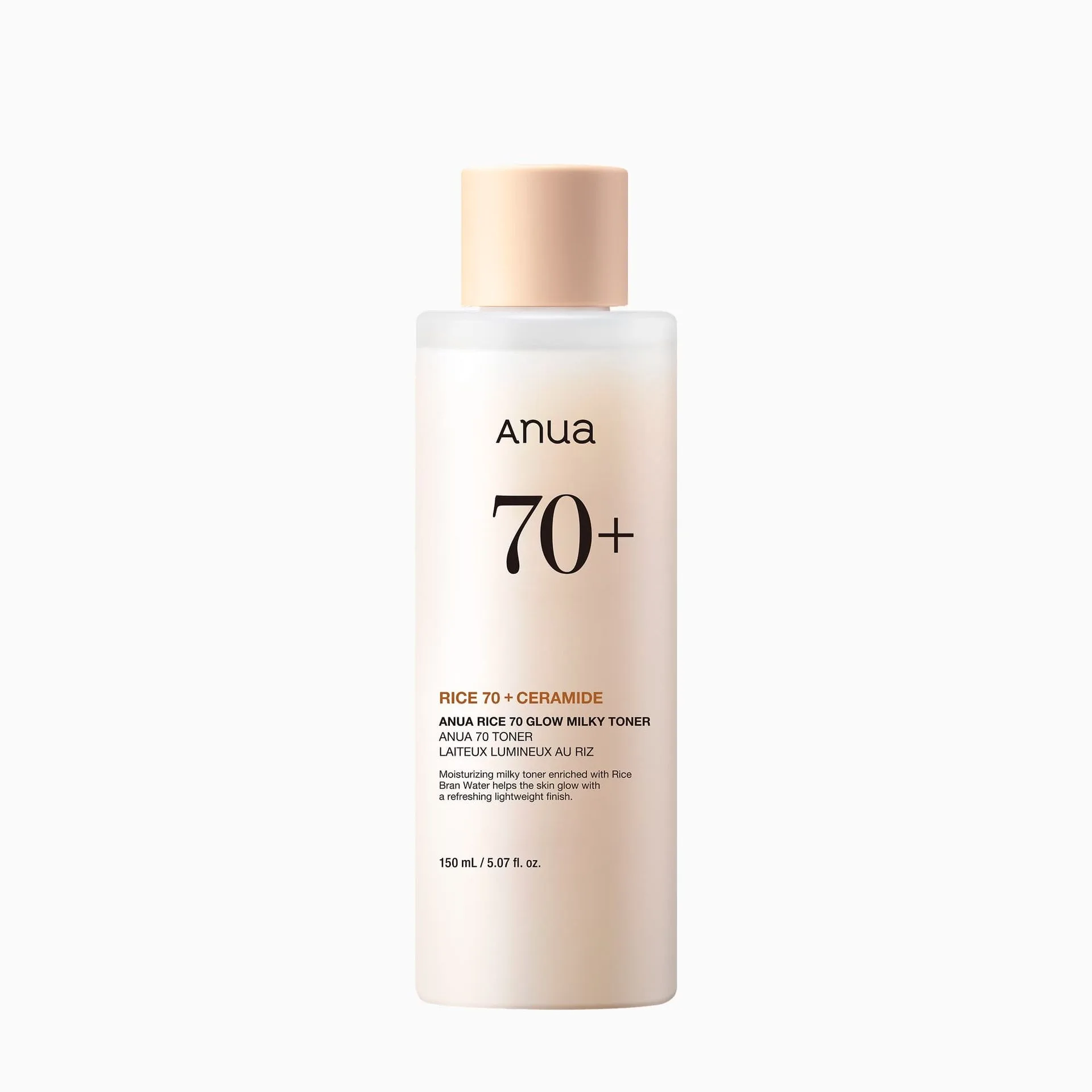
If you're new to active ingredients, start with CICA to build tolerance, then introduce azelaic acid slowly. Many Korean skincare routines incorporate CICA as a base layer of calm, allowing stronger actives to work more effectively. For a gentle yet effective introduction, consider a toner like the https://purebeautytools.store/products/rice-70-glow-milky-toner-51531Rice 70 Glow Milky Toner, which hydrates and preps the skin without irritation, creating the perfect canvas for either ingredient.
- Oily/acne skin: azelaic acid first, then CICA for recovery
- Sensitive/red skin: CICA as daily treatment, azelaic acid for spot use
- Combination skin: zone-target your application
Whether you choose azelaic acid, CICA, or a combination of both, the key is to listen to your skin's needs. Azelaic acid excels at correcting existing issues like acne and hyperpigmentation, while CICA strengthens your skin's resilience for long-term calm. For a balanced routine that soothes and refines, explore our curated selection of soothing ingredients—including the Heartleaf Centella Red Spot Cream—designed to bring harmony to even the most reactive skin.