When you’re dealing with redness, irritation, or dehydration, the sheer number of skincare ingredients can feel overwhelming. Two of the most discussed ingredients today are azelaic acid and hyaluronic acid. Both are celebrated in Korean skincare for their gentle yet effective results, but they target very different concerns. Azelaic acid is a powerhouse for calming redness and evening out skin tone, while hyaluronic acid is the gold standard for deep, lasting hydration. Understanding the differences between an azelaic acid serum and a hyaluronic acid moisturizer is key to building a routine that soothes and nourishes your skin without irritation.
In this comprehensive guide, we’ll break down how each ingredient works, who should use them, and how to combine them for the best results. Whether you’re new to Korean skincare or looking to refine your routine, this comparison will help you choose the right products for your needs.
What Is Azelaic Acid and How Does It Help Redness?
Azelaic acid is a naturally occurring dicarboxylic acid found in grains like barley and wheat. It has become a beloved ingredient in the skincare world for its ability to address multiple concerns at once. Its primary claim to fame is its effectiveness as a redness soothing serum.
Key Benefits of Azelaic Acid
- Reduces Redness and Inflammation: Azelaic acid works by calming the inflammatory response in the skin, making it a go-to for conditions like rosacea, acne, and general sensitivity.
- Unclogs Pores: It helps exfoliate the skin’s surface gently, preventing the buildup of dead skin cells that can lead to breakouts.
- Fades Hyperpigmentation: By inhibiting tyrosinase, an enzyme involved in melanin production, azelaic acid can lighten dark spots and post-acne marks over time.
- Antibacterial Properties: It targets the bacteria that contribute to acne, making it a dual-action ingredient for both redness and breakouts.
Azelaic acid is generally well-tolerated by most skin types, including sensitive skin, because it works without causing the harsh peeling or dryness associated with stronger acids. For those seeking a targeted approach to redness, an azelaic acid serum can be a game-changer.
What Is Hyaluronic Acid and How Does It Hydrate?
Hyaluronic acid (HA) is a humectant that occurs naturally in the skin, eyes, and joints. Its superpower is holding onto water—up to 1,000 times its weight. In skincare, hyaluronic acid is prized for its ability to attract and lock in moisture, plumping the skin and reducing the appearance of fine lines.
Key Benefits of Hyaluronic Acid
- Intense Hydration: HA draws moisture from the environment and deeper layers of the skin to the surface, providing immediate and long-lasting hydration.
- Plumps and Smooths: Well-hydrated skin appears fuller, smoother, and more youthful.
- Supports Skin Barrier: By maintaining optimal moisture levels, HA strengthens the skin barrier, which is essential for preventing moisture loss and protecting against irritants.
- Non-Irritating: Hyaluronic acid is extremely gentle and suitable for all skin types, even the most sensitive or reactive.
A quality hyaluronic acid moisturizer is a staple in any Korean skincare routine because it delivers hydration without weight or greasiness. For dehydrated skin, HA is the ultimate thirst-quencher.
Azelaic Acid vs Hyaluronic Acid: A Side-by-Side Comparison
To help you decide which ingredient deserves a spot in your routine, here’s a quick comparison table:
Feature
Azelaic Acid
Hyaluronic Acid
Primary Function
Reduces redness, inflammation, and hyperpigmentation
Attracts and retains moisture for deep hydration
Best For
Rosacea, acne-prone, sensitive, or uneven skin tone
Dry, dehydrated, or aging skin needing plumpness
Texture
Lightweight, often gel-like or serum
Gel, serum, or cream—usually watery or slick
Irritation Potential
Low to moderate (some tingling initially)
Very low—generally non-irritating
How to Layer
Apply before moisturizer, after cleansing
Apply on damp skin, then seal with moisturizer
Best Used
AM or PM, but avoid mixing with strong exfoliants
Both AM and PM, daily
This comparison makes it clear that azelaic acid and hyaluronic acid serve complementary roles. One targets redness and pigmentation, while the other focuses on hydration and barrier support.
Can You Use Azelaic Acid and Hyaluronic Acid Together?
Yes, absolutely! In fact, combining them can be a powerful strategy for a balanced skincare routine. Here’s why:
- Synergy: Azelaic acid works to calm inflammation and improve skin texture, while hyaluronic acid ensures the skin stays hydrated and resilient. Together, they address both the cause (redness, irritation) and the symptom (dehydration).
- Layering Order: Apply azelaic acid first (after cleansing and toning) on dry skin. Then, follow with a hyaluronic acid serum or moisturizer on damp skin to lock in hydration. This prevents the azelaic acid from being diluted while maximizing absorption.
- Gentle Routine: Both ingredients are gentle enough for daily use, even for sensitive skin. Start with a low concentration of azelaic acid (10% or less) and build up tolerance.
For a complete regimen, consider products that combine these ingredients with complementary actives. For example, the PDRN Hyaluronic Acid Capsule 100 Serum delivers intense hydration with a lightweight formula, making it an excellent partner for an azelaic acid serum. Alternatively, the 8 Hyaluronic Acid Hydrating Gentle Foaming Cleanser can prep the skin without stripping it, ensuring that the azelaic acid works effectively.
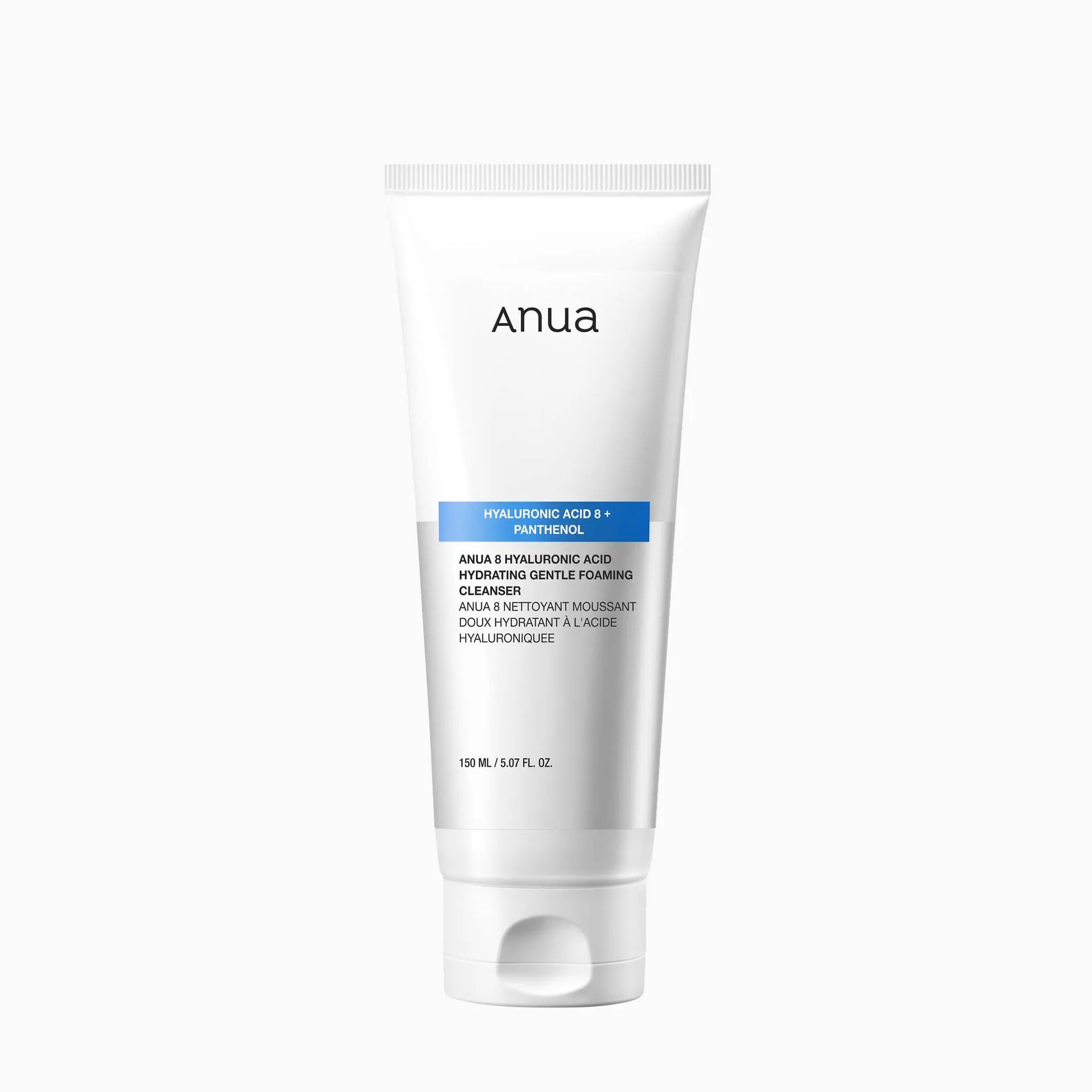
8 Hyaluronic Acid Hydrating Gentle Foaming Cleanser
How to Choose the Right Ingredient for Your Skin Type
If You Have Redness, Rosacea, or Acne-Prone Skin
Choose an azelaic acid serum as your primary active. It will calm inflammation, reduce redness, and help clear breakouts without drying you out. Look for products that also contain soothing botanicals like heartleaf or centella for added comfort. A product like the Heartleaf Centella Red Spot Cream pairs beautifully with an azelaic acid serum to target red spots.
If You Have Dry, Dehydrated, or Mature Skin
Prioritize a hyaluronic acid moisturizer or serum. HA will replenish moisture and plump up fine lines. For a richer experience, consider a cream that combines HA with ceramides or peptides. The PDRN Hyaluronic Acid 100 Moisturizing Cream is an excellent choice for deep hydration that supports the skin barrier.
If You Have Combination or Sensitive Skin
Use both! Start with azelaic acid in the evening to tackle redness and uneven tone, and layer a hyaluronic acid moisturizer in the morning for all-day hydration. Always patch test new products and introduce them slowly.
Korean Skincare Routine: How to Incorporate Both
Here’s a sample routine that includes both azelaic acid and hyaluronic acid, using gentle Korean skincare products:
- Oil Cleanser: Heartleaf Pore Control Cleansing Oil removes makeup and sunscreen without stripping.
- Water-Based Cleanser: 8 Hyaluronic Acid Hydrating Gentle Foaming Cleanser cleanses while hydrating.
- Toner: A hydrating toner like a hyaluronic acid toner or gentle exfoliating toner (e.g., BHA 2% Gentle Exfoliating Toner for congestion, or a calming one for redness).
- Treatment: Apply your azelaic acid serum to target redness and uneven tone. Wait 5-10 minutes.
- Hydration: Pat in a hyaluronic acid serum or essence on damp skin.
- Moisturizer: Seal everything with a hyaluronic acid moisturizer or a barrier-repairing cream.
- Sunscreen (AM only): Finish with a broad-spectrum SPF to protect your skin.
For a simplified approach, consider a bundle that combines both hydration and soothing actives. The Glass Skin Essential Set is a curated collection that includes key products to achieve a luminous, calm complexion.
Common Mistakes to Avoid
- Overusing Azelaic Acid: Start with once daily, then increase to twice if tolerated. More is not better—it can lead to irritation.
- Skipping Moisturizer with Hyaluronic Acid: HA needs to be sealed with an occlusive moisturizer to prevent it from drawing moisture out of the skin.
- Mixing with Strong Actives: Avoid using azelaic acid with potent exfoliating acids (glycolic, lactic) in the same routine unless your skin is very resilient.
- Not Using Sunscreen: Azelaic acid can increase sun sensitivity, so daily SPF is non-negotiable.
Final Thoughts: Which One Should You Pick?
There is no winner or loser in the azelaic acid vs hyaluronic acid debate—they are teammates, not competitors. If your primary concern is redness, irritation, or pigmentation, an azelaic acid serum should be your first line of defense. If your skin feels tight, flaky, or dehydrated, a hyaluronic acid moisturizer is non-negotiable. For most people, the best results come from using both in a well-structured routine.
At Gentle yet Effective Korean Skincare, we believe in ingredients that work with your skin, not against it. Whether you're soothing redness or quenching thirst, our curated selection of Korean skincare products makes it easy to build a routine that delivers real results.
Ready to calm and hydrate your skin? Explore the PDRN Deep Hydrating Prep & Boost Duo for a powerful hydration boost that pairs perfectly with redness-targeting treatments.