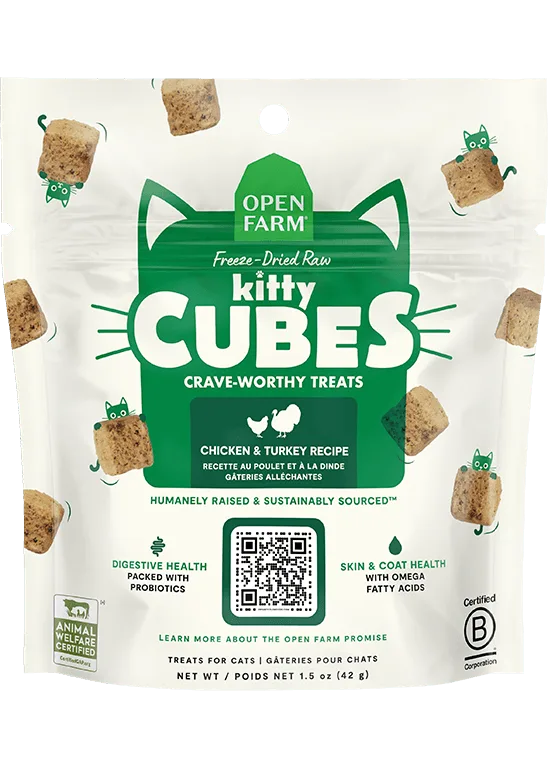
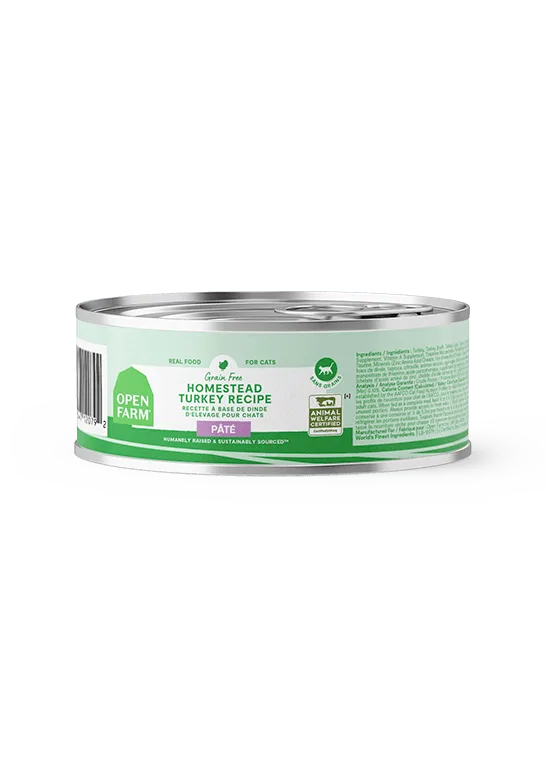
Raw feeding for cats has gained popularity among pet parents seeking a more natural diet for their feline companions. By mimicking what cats would eat in the wild—raw meat, organs, and bones—this approach aims to support overall health, from shinier coats to better digestion. However, transitioning to a raw diet requires careful planning to ensure nutritional balance and safety.
In this beginner's guide, we'll explore the potential benefits of a raw diet for cats, the risks you need to consider, and practical steps to make the switch smoothly. Whether you're curious about raw feeding or ready to start, this guide will help you make informed decisions for your cat's well-being.
What Is a Raw Diet for Cats?
A raw diet for cats typically consists of uncooked muscle meat, organ meats, bones, and sometimes small amounts of vegetables or supplements. The philosophy behind raw feeding is that cats are obligate carnivores, meaning their bodies are designed to thrive on a diet of animal-based proteins and fats. Commercial raw foods often come in frozen or freeze-dried forms, making them convenient for busy pet owners.
Many raw diets follow the Biologically Appropriate Raw Food (BARF) model or the Prey Model Raw diet. The BARF diet includes some plant matter, while the Prey Model focuses strictly on animal parts. Both approaches aim to provide high-quality protein and essential nutrients without the fillers or artificial additives found in some commercial cat foods.
- Always source raw meat from reputable suppliers to minimize bacterial contamination.
- Consult a veterinarian or a pet nutritionist before starting a raw diet.
- Start with a single protein source to monitor your cat's tolerance.
Key Benefits of Raw Feeding for Cats
One of the most commonly reported benefits of raw feeding is improved coat condition and skin health. The natural fats and oils in raw meat can lead to a softer, shinier coat and reduced shedding. Additionally, many cat owners notice better dental health, as chewing raw meaty bones helps scrape away plaque and tartar.
Raw diets may also support healthier digestion and smaller, less smelly stools. The high moisture content in raw food can contribute to better hydration, which is crucial for urinary tract health. For cats with food sensitivities, a raw diet allows you to control exactly what goes into their bowl, often leading to fewer allergic reactions.
- Improved coat shine and reduced shedding are often seen within weeks.
- Chewing raw bones can naturally clean teeth and freshen breath.
- Raw diets typically have higher moisture content than dry kibble.
Risks and Considerations
Raw feeding is not without risks. The primary concern is bacterial contamination, such as Salmonella or E. coli, which can affect both cats and humans in the household. Proper handling, storage, and hygiene are essential. Additionally, an unbalanced raw diet can lead to nutritional deficiencies, particularly in taurine, an essential amino acid for cats.
Another risk is physical injury from bones. While raw bones are generally safer than cooked ones, they can still cause choking, tooth fractures, or intestinal blockages. Cats with compromised immune systems, kittens, or senior cats may be more vulnerable to these risks. It's crucial to work with a veterinarian to ensure the diet meets your cat's specific needs.
- Thaw raw food in the refrigerator, not on the counter, to prevent bacterial growth.
- Avoid feeding cooked bones, as they can splinter and cause internal damage.
- Consider using a commercial raw food product to ensure balanced nutrition.
How to Transition Your Cat to a Raw Diet
Transitioning to a raw diet should be gradual to avoid digestive upset. Start by mixing a small amount of raw food with your cat's current diet, increasing the proportion over 7 to 10 days. Some cats may be hesitant at first, so offering the raw food at room temperature can make it more appealing.
You can also incorporate high-quality toppers to ease the transition. For example, the Salmon & Cod Topper for Cats is a nutrient-rich option that adds flavor and moisture to meals. Another helpful product is the Icelandic Herring & Salmon Oil For Cats, which provides omega-3 fatty acids to support skin, coat, and joint health during the switch.
- Introduce one new protein at a time to monitor for allergies or sensitivities.
- Use a food scale to ensure you're feeding the correct portion size.
- Keep a journal of your cat's appetite, stool quality, and energy levels.
Choosing the Right Raw Food Products
When selecting raw food for your cat, look for products that are complete and balanced according to AAFCO guidelines. Commercial raw diets often undergo rigorous testing to ensure they meet nutritional standards. Freeze-dried raw options offer convenience and a longer shelf life while retaining most of the nutritional benefits of fresh raw food.
For a balanced raw diet, consider combining different protein sources. The RawMix Open Prairie Grain-Free Cat Kibble is a freeze-dried raw option that provides high-quality protein from beef and chicken. You can also add variety with the Chicken & Salmon Pâté for Cats, which offers a smooth texture that many cats love.
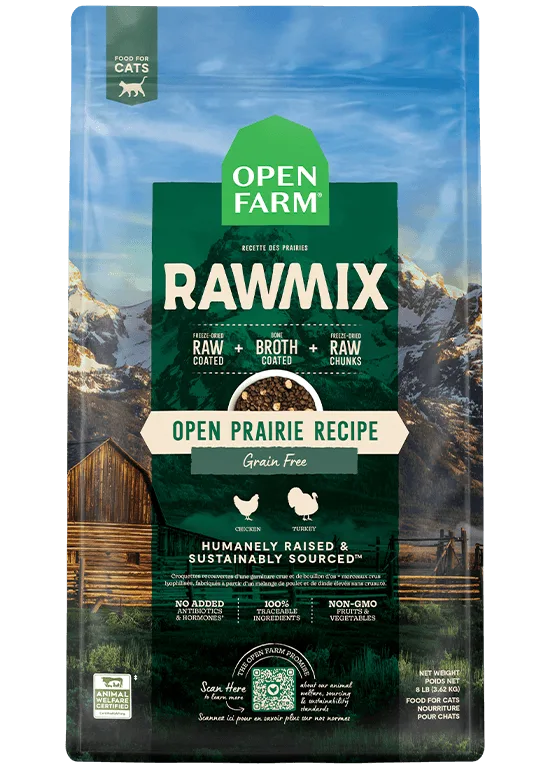
RawMix Open Prairie Grain-Free Cat Kibble
- Look for raw foods that include organs like liver and kidney for essential nutrients.
- Rotate proteins to provide a broader range of amino acids and minerals.
- Store raw food in the freezer and thaw only what you need for each meal.
Raw feeding can be a rewarding way to support your cat's health, but it requires careful planning and commitment. By understanding the benefits and risks, and by choosing high-quality, balanced products, you can provide a diet that aligns with your cat's natural instincts. Start your journey with a trusted option like the RawMix Open Prairie Grain-Free Cat Kibble, and always consult your veterinarian to tailor the diet to your cat's unique needs.