For many noodle lovers, the first encounter with a steaming bowl of ramen or a plate of squiggly noodles can be both exciting and intimidating. While a fork is always an option, using chopsticks can elevate the experience, connecting you more deeply with the culture and craftsmanship behind your meal. This beginner's guide will walk you through everything you need to know about pairing chopsticks with noodle dishes, from basic techniques to selecting the right chopsticks for different noodle types.
Whether you are a complete novice or someone looking to refine your skills, understanding the relationship between chopsticks and noodles is key. Different noodle shapes, textures, and sauces call for different chopstick styles and handling methods. By the end of this guide, you'll feel confident picking up a pair of chopsticks and enjoying your favorite noodle soup or dry noodle dish like a pro.
Why Chopsticks Matter for Noodle Dishes
Chopsticks are not just utensils; they are an extension of the dining experience. For noodle dishes, especially those with slippery, long strands like ramen or udon, chopsticks offer better control compared to a fork. They allow you to pick up a precise amount of noodles, twirl them gently, and dip them into broth or sauce without making a mess. This precision is especially important for dishes like the A-Sha Chili Crisp Squiggly Noodle, where each curly strand is coated in a flavorful chili crisp that you want to savor in every bite.
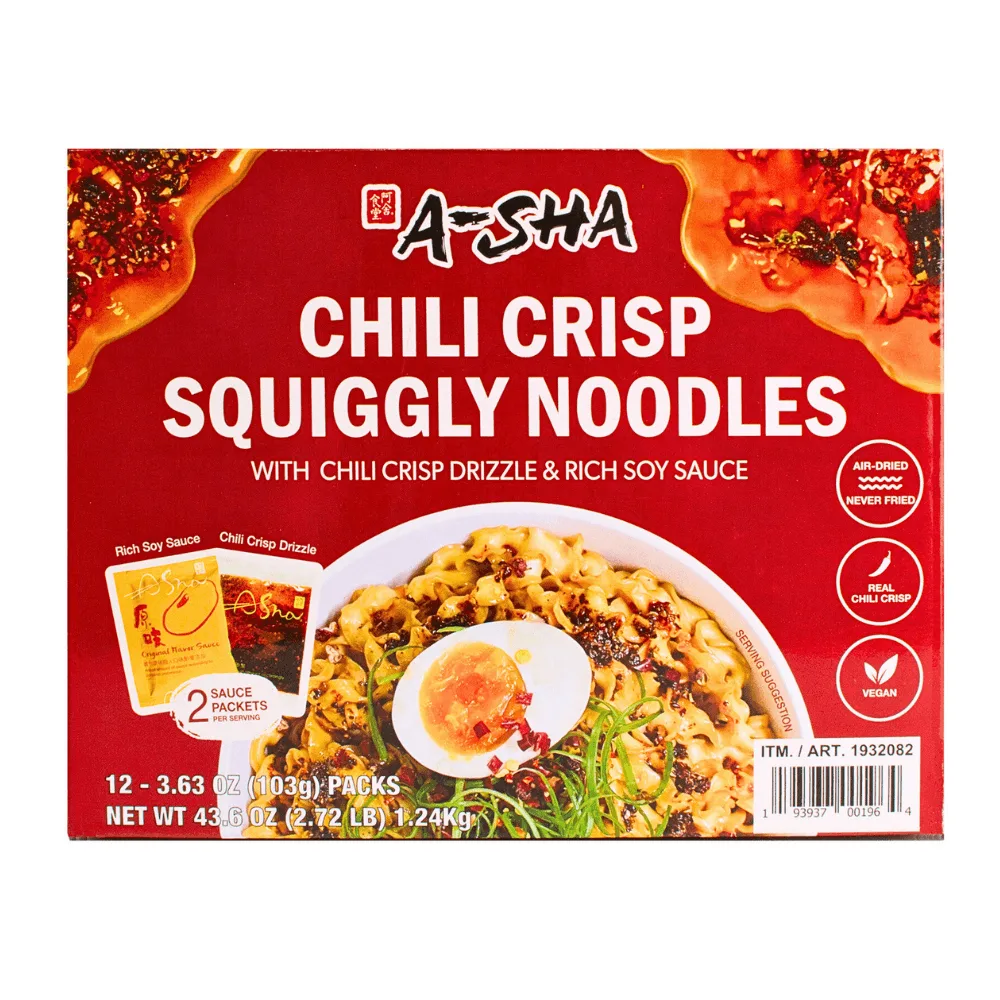
A-Sha Chili Crisp Squiggly Noodle
Moreover, using chopsticks encourages a slower, more mindful eating pace. This can enhance your appreciation of the textures and flavors in your bowl. For thicker, chewier noodles like the A-Sha Meteor Noodles with Danzai Sauce, chopsticks help you grasp the substantial strands without crushing them. The right pair of chopsticks can also prevent noodles from slipping back into the bowl, a common frustration for beginners.
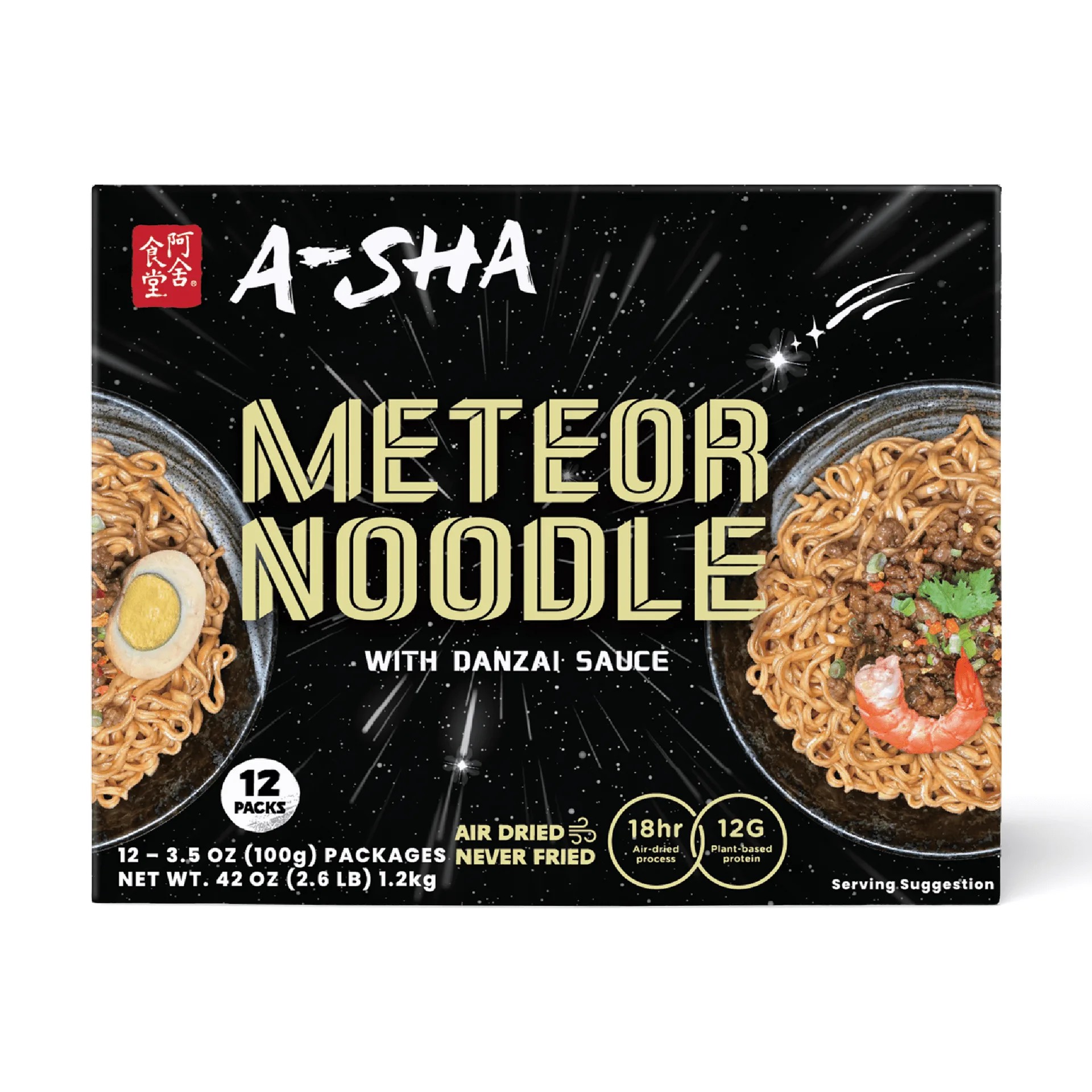
A-Sha Meteor Noodles with Danzai Sauce
- Chopsticks provide better grip for long, slippery noodles.
- They allow for precise dipping into broth or sauce.
- Using chopsticks encourages mindful eating and better flavor appreciation.
Choosing the Right Chopsticks for Your Noodles
Not all chopsticks are created equal. The material, length, and tip shape can affect how well you handle different noodle dishes. For beginners, wooden or bamboo chopsticks are recommended because they offer a non-slip surface, making it easier to grip noodles. They are also lightweight and comfortable for extended use. If you are eating a broth-based noodle soup, such as the Hello Kitty Chicken Noodle Soup, longer chopsticks (around 10-11 inches) help you reach deep into the bowl without getting your fingers wet.
For dry or stir-fried noodles, consider chopsticks with a slightly rougher texture or squared edges, which provide extra grip. Plastic or metal chopsticks can be slippery, so they are better suited for experienced users. If you enjoy a spicy broth like the Prince Katsu Chili Lime Noodle Soup, look for chopsticks with a pointed tip to easily pick up small ingredients like chili flakes or lime zest. Ultimately, the best chopsticks are the ones that feel comfortable in your hand and match the noodle dish you are eating.
- Bamboo or wooden chopsticks offer the best grip for beginners.
- Longer chopsticks (10-11 inches) are ideal for deep noodle soups.
- Rough or squared chopsticks help with dry or stir-fried noodles.
Basic Chopstick Techniques for Noodle Eating
Mastering the basic grip is the first step. Hold one chopstick like a pencil, resting it between your thumb and index finger, and let it rest on your ring finger. This chopstick remains stationary. The second chopstick is held like a pen, moving up and down with your thumb and index finger to pinch food. Practice opening and closing the tips without crossing them. Once you have the grip, try picking up a single noodle strand. Start with thicker noodles like those in the A-Sha Zimm’s PB&C, as they are easier to grasp.
For long noodles, use a twirling motion. Insert the chopsticks into the bowl, gather a small bundle of noodles against the side, and gently twist the chopsticks to wrap the noodles around them. Lift the bundle to your mouth, tilting your head slightly to avoid dripping broth. For soup-based dishes, it is acceptable to bring the bowl closer to your mouth and use the chopsticks to guide the noodles. Remember, practice makes perfect, and even experienced users sometimes drop a noodle or two.
- Keep one chopstick stationary and move the other to pinch.
- Twirl long noodles around chopsticks against the bowl side.
- Bring the bowl closer to your mouth for soup noodles.
Pairing Chopsticks with Specific Noodle Styles
Different noodle styles benefit from specific chopstick techniques. For thin, delicate noodles like those in ramen, use a gentle pinch and lift motion to avoid breaking them. For thick, chewy noodles such as udon or the squiggly variety, a firm grip and twirl work best. Saucy noodles like the A-Sha Chili Crisp Squiggly Noodle require careful handling to keep the sauce from dripping. Use the chopsticks to scoop up a small portion and let excess sauce drip back into the bowl before lifting.
For noodle soups, such as the Hello Kitty Chicken Noodle Soup, use the chopsticks to lift noodles while simultaneously using a spoon to catch broth. This two-utensil technique is common in many Asian cultures and ensures you get both noodles and soup in each bite. For dry noodles like the Prince Katsu Chili Lime Noodle Soup, mix the noodles thoroughly with the sauce using chopsticks before eating. The chopsticks help distribute the chili lime flavor evenly across every strand.
- Thin noodles: gentle pinch and lift.
- Thick noodles: firm grip and twirl.
- Saucy noodles: let excess drip before lifting.
Common Mistakes and How to Avoid Them
One of the most common mistakes beginners make is holding chopsticks too tightly. This leads to hand fatigue and poor control. Relax your grip and let the chopsticks do the work. Another mistake is using chopsticks that are too short or too long for the bowl. For deep bowls of soup, longer chopsticks are a must. Also, avoid stabbing noodles with chopsticks, as this can break them and is considered impolite in many cultures. Instead, use a sliding motion to pick up noodles.
Finally, do not be afraid to ask for a fork if you are really struggling. Enjoying your meal is more important than perfect technique. However, with a little practice, you will find that chopsticks actually make noodle eating more enjoyable. Start with a forgiving noodle dish like the A-Sha Zimm’s PB&C, which has a peanut butter-based sauce that helps noodles stick together, making them easier to pick up. Over time, you can graduate to more challenging dishes.
- Relax your grip to avoid hand fatigue.
- Use the right chopstick length for your bowl depth.
- Avoid stabbing noodles; use a sliding motion instead.
Pairing chopsticks with your favorite noodle dishes is a skill that enhances both the flavor and the fun of eating. Whether you are enjoying a spicy bowl of A-Sha Chili Crisp Squiggly Noodle or a comforting soup like Hello Kitty Chicken Noodle Soup, the right chopstick technique can make every meal more satisfying. Start practicing today, and soon you will be twirling noodles with confidence. Explore our full collection of noodle dishes and find your perfect match for your next chopstick adventure.