Wooden stacking toys have been a staple in nurseries and playrooms for generations, and for good reason. Unlike plastic alternatives that beep and flash, these simple, tactile toys invite children to explore, experiment, and learn at their own pace. From a baby’s first grasp to a toddler’s proud tower, stacking toys support critical developmental milestones in a natural, screen-free way.
In this article, we’ll dive into the specific benefits of wooden stacking toys—covering fine motor skills, cognitive development, sensory stimulation, and how they align with Montessori principles. We’ll also highlight a few complementary products from Mushie that can enrich your child’s playtime experience.
Why Wooden Stacking Toys Are a Montessori Favorite
Montessori philosophy emphasizes hands-on, self-directed learning with natural materials. Wooden stacking toys fit perfectly into this framework because they are simple, open-ended, and encourage concentration. A child decides which ring to place next, how to balance pieces, and when to start over—all without adult intervention. This autonomy builds confidence and problem-solving skills.
The texture, weight, and warmth of wood also provide rich sensory feedback. Unlike plastic, wood feels organic and varies slightly in grain, offering subtle tactile differences that engage a baby’s sense of touch. For parents seeking a Montessori stacking toy, look for pieces that are easy to grasp, have smooth edges, and come in natural or non-toxic finishes.
- Encourages independent play and decision-making
- Natural materials support sensory development
- Open-ended design grows with the child
How Stacking Toys Build Fine Motor Skills
Fine motor skills involve the small muscles in the hands and fingers, and they are essential for tasks like writing, buttoning, and using utensils. Stacking toys are excellent fine motor skills toys because they require precise hand-eye coordination. A baby must reach for a ring, grasp it with a pincer grip, and guide it onto a peg—all while maintaining balance.
As children progress, they learn to stack in a specific order (e.g., largest to smallest) or create patterns. This repetition strengthens neural pathways and improves dexterity. Pairing stacking play with other fine motor activities, like using a Suction Spinner Toy, can further enhance grip strength and coordination in a fun, mess-free way.
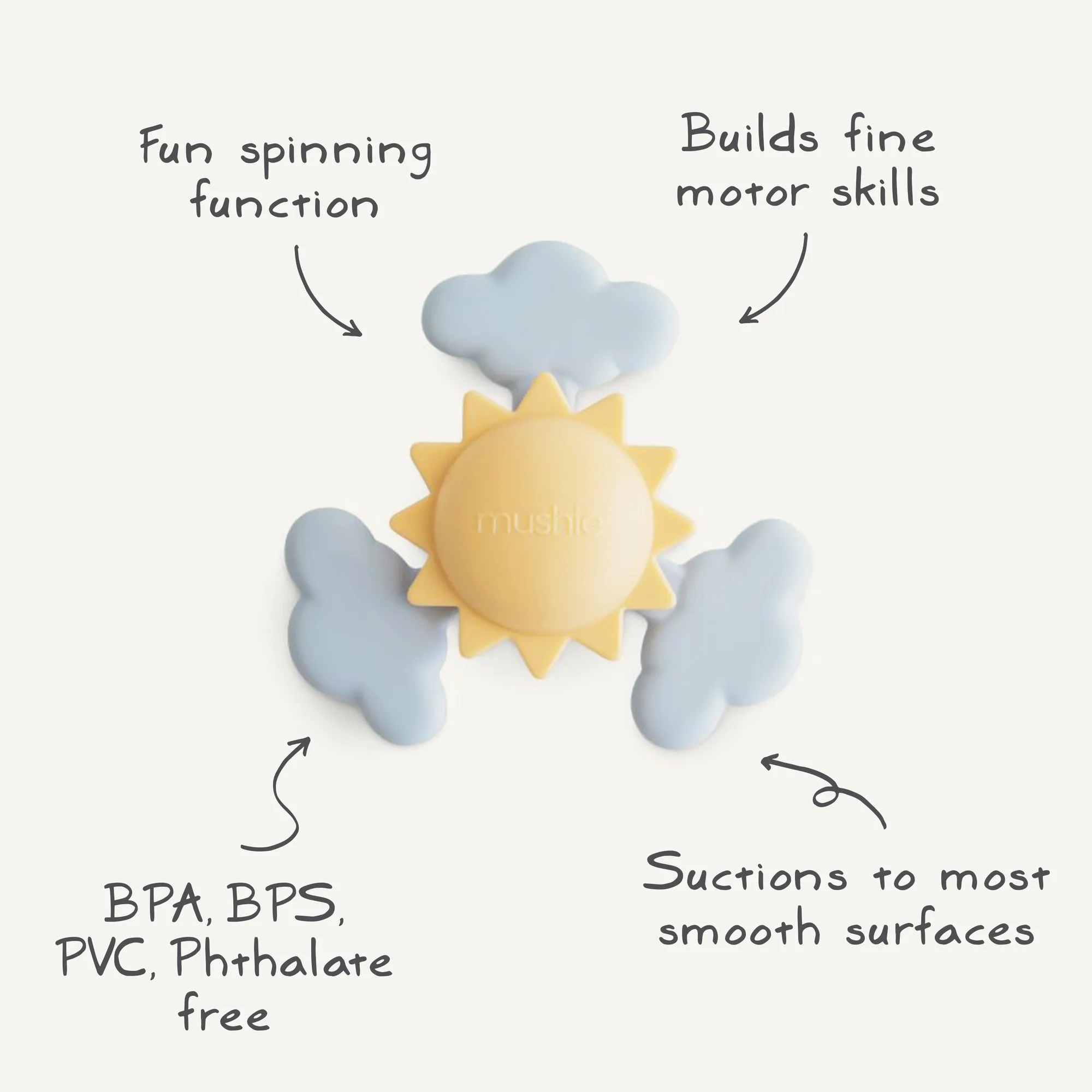
Suction Spinner Toy
- Promotes pincer grasp and hand-eye coordination
- Repetitive stacking reinforces muscle memory
- Combines with other toys for varied motor challenges
Cognitive Growth Through Shape Sorting and Problem Solving
Many wooden stacking toys double as a baby shape sorter, where children must match blocks to corresponding holes or stack rings by size. This introduces early concepts of geometry, size comparison, and cause and effect. When a ring doesn’t fit, the child learns to try a different approach—a foundational lesson in perseverance.
These toys also support spatial awareness and logical thinking. A toddler might experiment with stacking blocks in a new order to see if the tower stays upright. Over time, they learn to plan ahead and anticipate outcomes. For added cognitive challenge, consider introducing the Nesting Stars Toy, which combines stacking with nesting and color recognition.
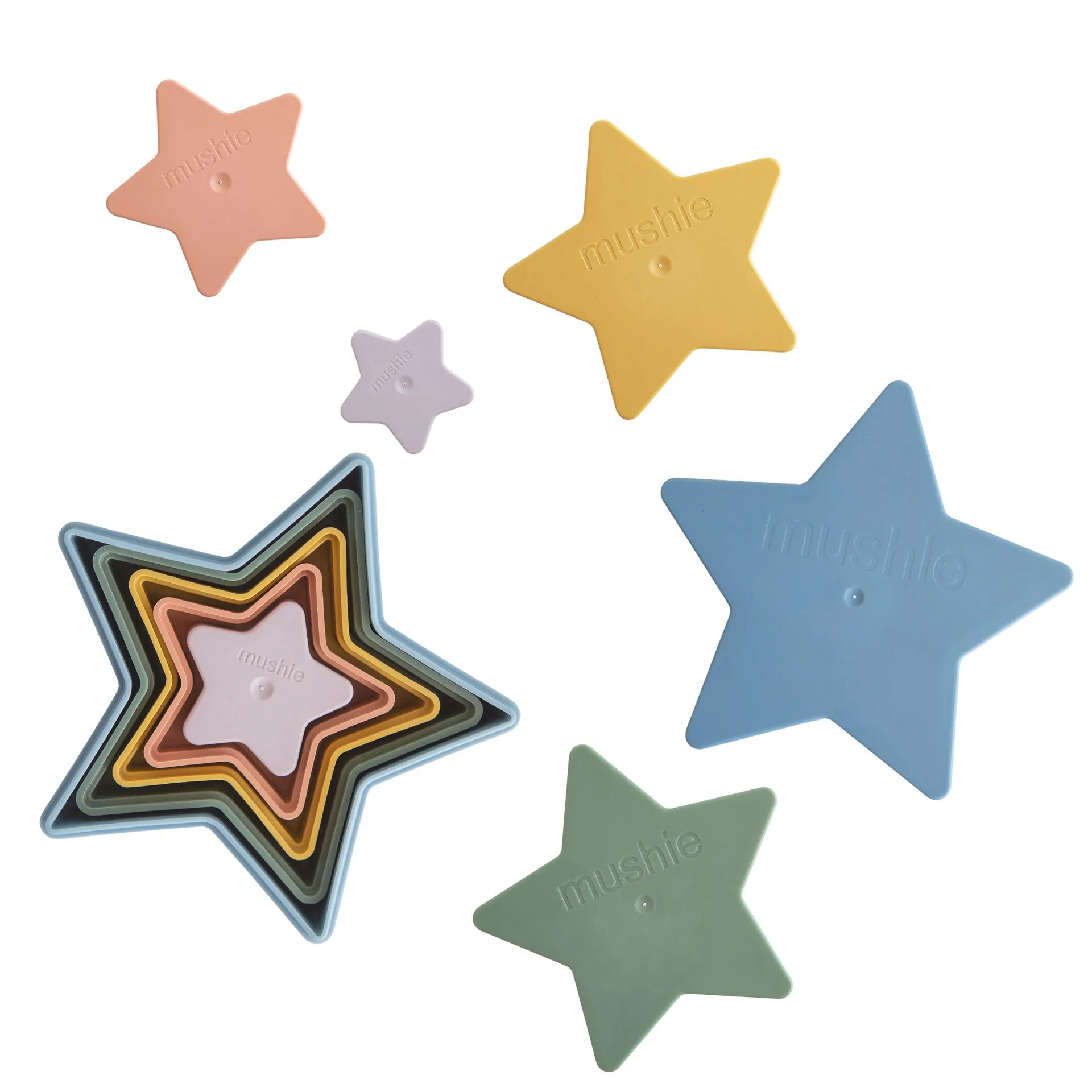
Nesting Stars Toy
- Teaches size, shape, and order concepts
- Encourages trial-and-error learning
- Builds early math and logic skills
Sensory Play and Calming Effects
Wooden toys offer a multi-sensory experience that plastic often lacks. The sound of rings clacking together, the smooth feel of sanded wood, and the subtle scent of natural timber all contribute to a calming, focused play session. For babies who are easily overstimulated by electronic toys, wooden stacking toys provide a quiet alternative that promotes mindfulness.
Sensory play is also linked to emotional regulation. When a child concentrates on stacking, they enter a state of flow that reduces anxiety and builds patience. To extend sensory play into bath time, the Mold Free Bath Play Set offers water-safe stacking fun that keeps little hands busy while developing motor skills in a completely different environment.
- Natural materials reduce overstimulation
- Promotes focus and calm
- Versatile for dry and wet play
Choosing the Right Wooden Stacking Toy for Your Child
When selecting an early childhood development toy, prioritize safety and durability. Look for solid wood construction, non-toxic paints or stains, and pieces that are large enough to prevent choking. Age-appropriate designs matter: infants benefit from simple ring stackers with a wide base, while toddlers enjoy more complex shape sorters and nesting sets.
Also consider how the toy fits into your daily routine. A compact stacking set can travel to grandma’s house or be used during quiet time. For babies under one year, the FRIGG Moon Silicone Pacifier 2-Pack is a great comfort item to pair with play, while older toddlers will love the HEX Connect Building Toy Set for more advanced construction challenges.
- Check for non-toxic finishes and smooth edges
- Match complexity to your child’s age and skill level
- Look for toys that grow with the child
Wooden stacking toys are more than just playthings—they are powerful tools for building fine motor skills, cognitive abilities, and sensory awareness in a calm, natural way. Whether you are introducing a baby to their first ring stacker or helping a toddler master shape sorting, these timeless toys support every stage of early childhood development. Explore Mushie’s collection of thoughtfully designed wooden and silicone toys to find the perfect addition to your child’s playroom.