If you’ve ever stepped on a cold, wet hairball in the middle of the night, you know how frustrating feline hairballs can be. While occasional hairballs are normal, frequent vomiting of hair may signal that your cat’s diet needs a closer look. The good news is that choosing the right cat food for hairballs can make a significant difference in reducing these unpleasant episodes.
Hairballs form when cats ingest loose fur during grooming and the hair doesn’t pass smoothly through the digestive tract. A diet rich in specific fibers, moisture, and appropriate textures can help move that hair along naturally. In this guide, we’ll explore the key nutritional strategies for hairball control, including fiber types, food textures, and practical diet tips to keep your cat comfortable and hairball-free.
The Role of Fiber in Hairball Control
Fiber is the cornerstone of any hairball-control diet. It works by adding bulk to the stool and helping hair pass through the intestines rather than accumulating in the stomach. However, not all fibers are created equal. Soluble fibers like psyllium husk and beet pulp absorb water and form a gel that can gently move hair along, while insoluble fibers like cellulose provide roughage that stimulates intestinal contractions.
When shopping for cat food for hairballs, look for ingredients such as pumpkin, flaxseed, or chicory root, which offer a balanced mix of soluble and insoluble fibers. These natural sources are gentle on the stomach and support regular bowel movements. A gradual increase in fiber is recommended to avoid digestive upset—start by mixing a small amount of high-fiber food with your cat’s current diet over several days.
- Choose foods with named fiber sources like pumpkin, flaxseed, or chicory root rather than vague terms like “cellulose” or “fiber blend.”
Texture Matters: Wet vs. Dry Food for Hairballs
The texture of your cat’s food can influence how easily hair passes through the digestive system. Wet food, with its high moisture content, helps keep the digestive tract hydrated and softens stool, making it easier for hair to move along. Many cats also find wet food more palatable, which encourages consistent eating—important for maintaining a regular fiber intake.
On the other hand, dry kibble can provide a mild abrasive effect that may help remove loose fur from the mouth before it’s swallowed. However, dry food alone may not provide enough moisture to prevent hairballs. A combination approach often works best: feed a high-quality wet food as the main meal and offer a small amount of dry kibble as a treat or topper. For example, you might consider the Goodbowl Harvest Chicken Freshly Crafted Recipe for its balanced moisture and fiber profile, or try the Goodbowl Harvest Chicken & Brown Rice Cat Kibble as a complementary dry option.
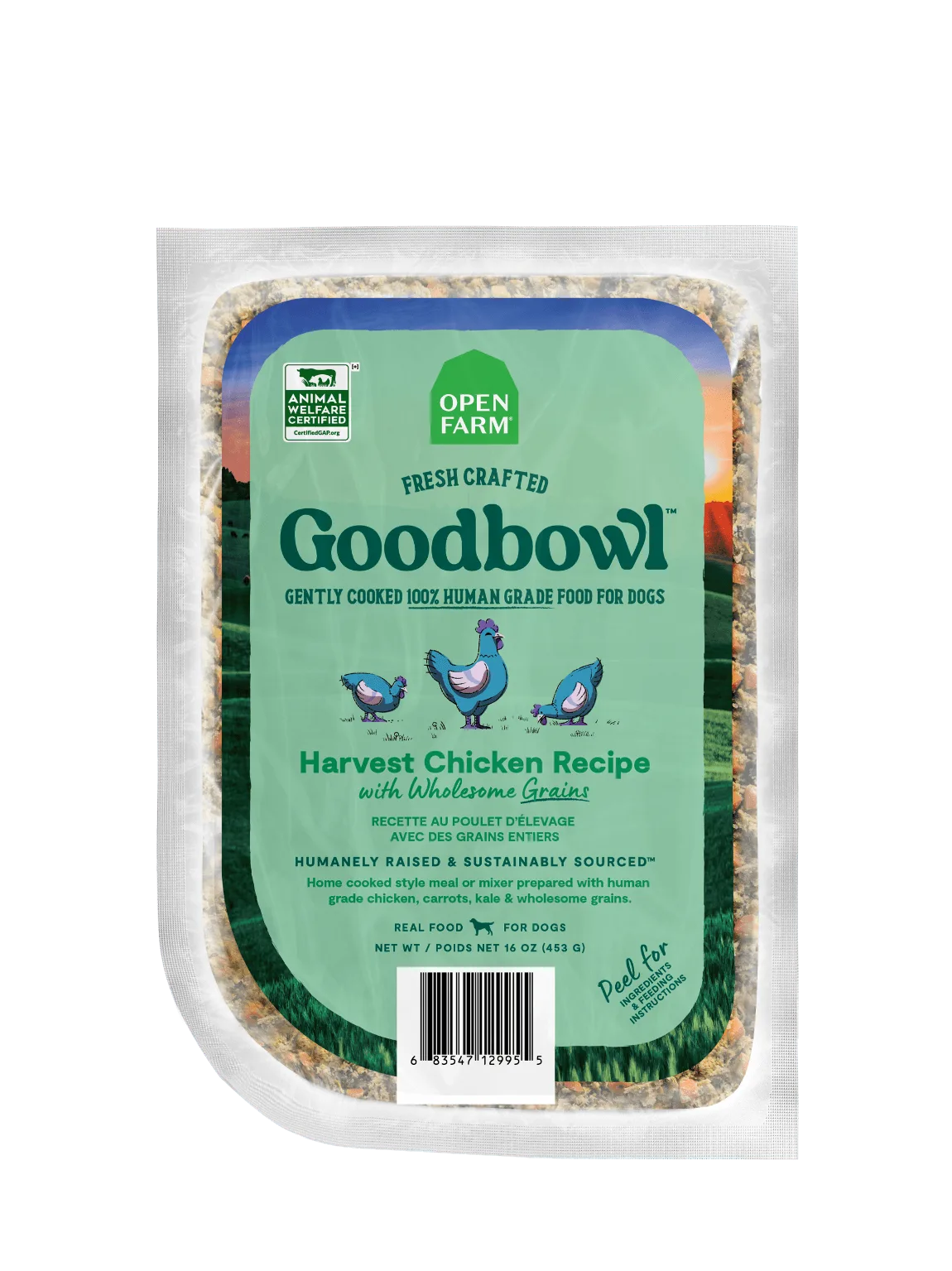
Goodbowl Harvest Chicken Freshly Crafted Recipe
- Wet food provides hydration that softens stool and helps hair pass, while dry kibble may reduce fur ingestion during grooming.
Key Ingredients to Look For and Avoid
Beyond fiber, certain ingredients can support hairball control by improving skin and coat health, which reduces shedding. Omega-3 and omega-6 fatty acids from fish oil or flaxseed help maintain a healthy coat, meaning less loose fur for your cat to swallow. Probiotics and prebiotics also promote a balanced gut microbiome, which aids digestion and regular elimination.
Conversely, avoid foods with excessive fillers like corn, wheat, or soy, which offer little nutritional value and can slow digestion. Artificial preservatives and by-products may also irritate sensitive stomachs. Instead, look for whole proteins like chicken, salmon, or whitefish as the first ingredient. A product such as the Salmon & Cod Topper for Cats can be a great way to add beneficial fats and moisture to your cat’s existing diet, supporting both coat health and digestion.
- Omega-3s from fish oil reduce shedding and improve coat quality, indirectly lowering hairball risk.
- Probiotics support regular bowel movements, helping hair pass smoothly.
Practical Diet Tips for Reducing Hairballs
Transitioning your cat to a hairball-control diet should be done gradually over 7–10 days to avoid gastrointestinal upset. Start by mixing 25% of the new food with 75% of the old, then slowly increase the proportion. Monitor your cat’s stool consistency and hairball frequency during this period.
In addition to diet, regular grooming is essential. Brushing your cat daily removes loose fur before it can be ingested. For long-haired breeds, consider a professional grooming session every few months. Providing a hairball remedy or a small amount of pumpkin puree as a topper can also help. And always ensure fresh water is available—hydration is key to keeping the digestive system moving.
- Brush your cat daily to reduce the amount of fur they swallow.
- Add a teaspoon of plain pumpkin puree to meals for a natural fiber boost.
- Ensure constant access to clean, fresh water to support digestion.
Choosing the best cat food for hairballs doesn’t have to be complicated. By focusing on high-fiber ingredients, the right texture, and a balanced diet that supports coat health, you can significantly reduce those unpleasant hairball episodes. Start by exploring options like the Goodbowl Harvest Chicken Freshly Crafted Recipe or the Salmon & Cod Topper for Cats to give your feline friend the digestive support they need.