Choosing the right flatware for everyday use can feel overwhelming with so many materials and finishes available. Whether you are setting a casual family dinner or hosting a weekend brunch, your cutlery needs to balance durability, comfort, and style without demanding constant polishing or special care. The three most common materials—stainless steel, silverplate, and titanium—each offer distinct advantages and trade-offs.
In this guide, we break down how each material performs in real daily use, covering weight, maintenance, scratch resistance, and overall value. By the end, you will know exactly which type suits your lifestyle and tabletop aesthetic.
Stainless Steel Flatware: The Everyday Workhorse
Stainless steel is the most popular choice for everyday flatware because it is affordable, dishwasher-safe, and resistant to rust and stains. High-quality stainless steel sets, such as those made from 18/10 grade, contain 18% chromium and 10% nickel, giving them a bright, silver-like shine and excellent corrosion resistance. Lower grades like 18/0 are less expensive but may be prone to spotting and magnetic properties.
For daily use, look for flatware that feels balanced in the hand—not too heavy, not too light. Many modern stainless steel designs offer ergonomic handles and a polished finish that resists scratches. A well-made stainless steel set can last for decades with minimal care, making it the smartest investment for most households.
- Dishwasher safe and low maintenance
- Available in a wide range of styles and weights
- Resists rust, stains, and pitting when made from 18/10 grade
Silverplate Flatware: Elegance with Extra Care
Silverplate flatware consists of a base metal (usually brass or nickel silver) coated with a thin layer of pure silver. It offers the classic, warm luster of sterling silver at a fraction of the cost. However, the silver layer can wear off over time, especially on high-use pieces like forks and spoons, revealing the base metal underneath.
Caring for silverplate requires more effort than stainless steel. It should be hand-washed with mild soap and dried immediately to prevent tarnish. Regular polishing is needed to maintain its shine. For occasional entertaining or special occasions, silverplate adds a touch of tradition, but for daily meals, the upkeep may become tedious.
- Elegant appearance with traditional appeal
- Requires hand washing and regular polishing
- Silver layer may wear away on frequently used pieces
Titanium Flatware: Lightweight and Scratch-Resistant
Titanium flatware is a newer option gaining popularity for its exceptional strength-to-weight ratio and scratch resistance. It is significantly lighter than stainless steel yet extremely durable, making it ideal for those who prefer a delicate feel without sacrificing sturdiness. Titanium is also naturally non-reactive and hypoallergenic, so it will not impart any metallic taste to food.
One drawback is that titanium flatware often comes with a higher price tag and may be harder to find in traditional patterns. Its matte, dark gray finish appeals to modern, minimalist tablescapes. While it is generally dishwasher-safe, some manufacturers recommend hand washing to preserve the finish. For those who prioritize lightweight performance and contemporary style, titanium is a compelling choice.
- Extremely lightweight yet strong
- Scratch- and corrosion-resistant
- Non-reactive and hypoallergenic
Comparing Weight, Feel, and Durability
When selecting flatware for daily use, the weight and feel in your hand matter just as much as the material. Stainless steel offers a substantial, familiar weight that many people associate with quality. Silverplate can feel similar but may be slightly lighter due to its core material. Titanium stands out as the lightest option, which some find more comfortable for extended meals.
Durability testing shows that high-quality stainless steel (18/10) and titanium both resist bending and scratching well, while silverplate is more prone to damage over time. If you have children or frequently host casual dinners, stainless steel or titanium will better withstand the rigors of daily use. For formal settings, silverplate remains a timeless choice.
Maintenance and Longevity: Which Material Lasts Longest?
Maintenance is a key factor for everyday flatware. Stainless steel is the clear winner for low upkeep—just load it in the dishwasher and go. Titanium also requires little care but may need gentle washing to avoid surface dulling. Silverplate demands the most attention: hand washing, drying, and periodic polishing to prevent tarnish.
In terms of longevity, a good stainless steel set can last a lifetime with no special treatment. Titanium is equally durable but may show minor surface scratches over years of use. Silverplate, if well cared for, can also last decades, but the silver layer will eventually thin. For most households, stainless steel offers the best balance of durability and convenience.
- Stainless steel: dishwasher-safe, lasts decades
- Titanium: low maintenance, but handle with care to preserve finish
- Silverplate: high maintenance, beautiful but requires regular polishing
Style and Design Options for Every Table
Beyond material, the design of your flatware sets the tone for your dining experience. Stainless steel is available in countless patterns—from classic beveled edges to contemporary matte finishes. For a sleek, modern look, titanium's dark, brushed surface pairs beautifully with minimalist dinnerware. Silverplate often features ornate detailing that complements traditional china and crystal.
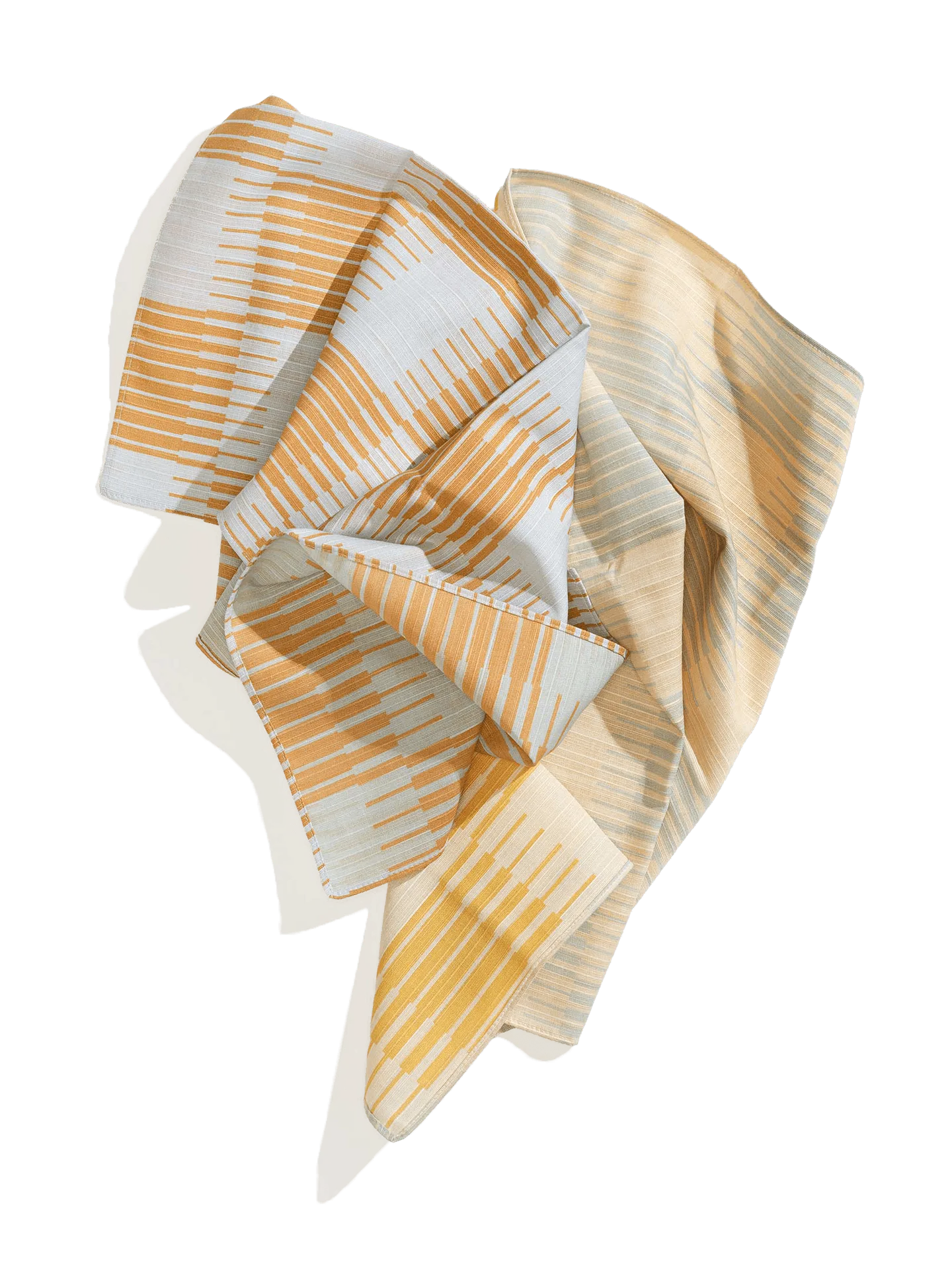
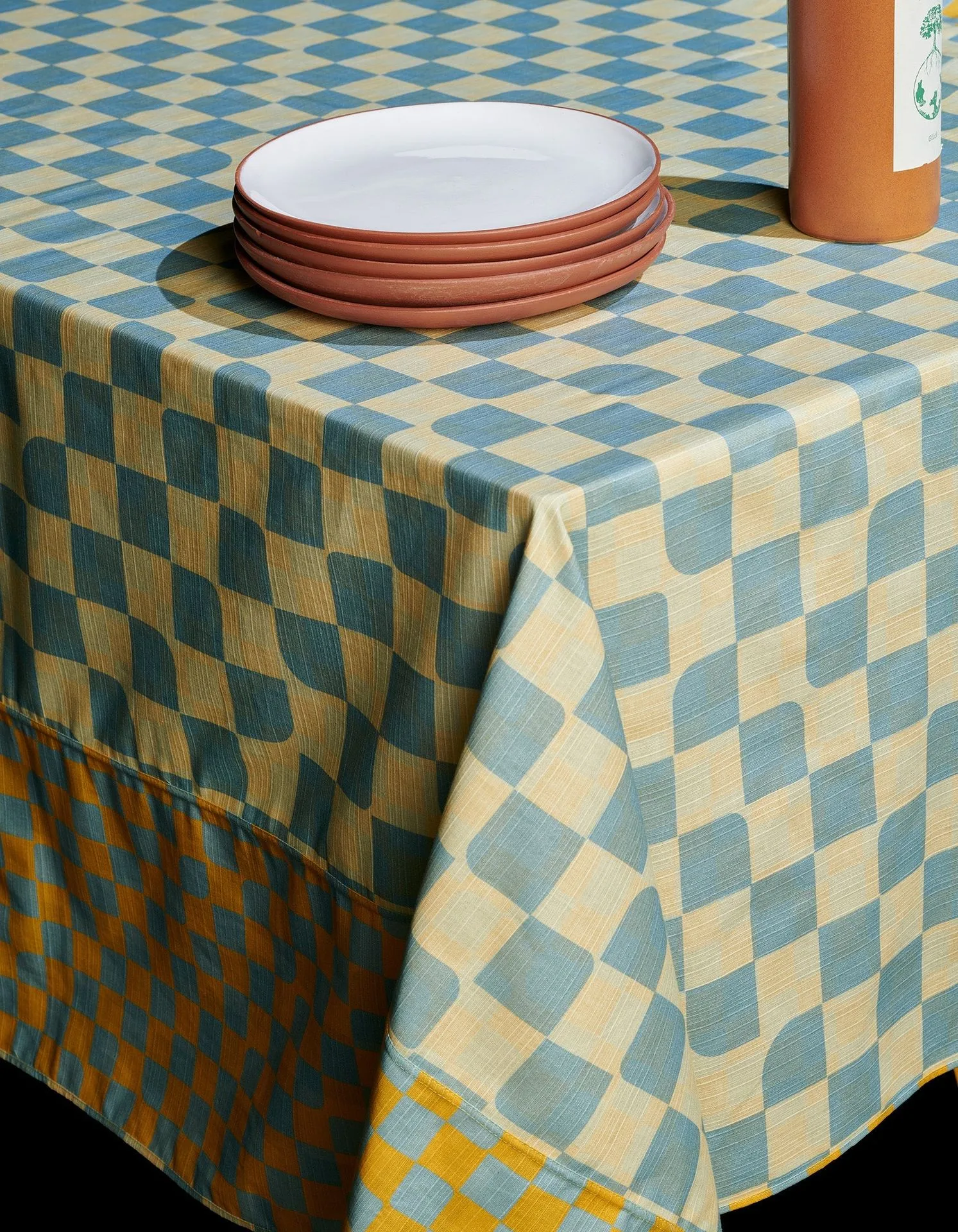
If you are building a cohesive tablescape, consider how your flatware interacts with other elements like dinner napkins and oven mitts. For example, pairing a simple stainless steel set with patterned napkins can create visual interest without overwhelming the table. The right flatware should feel like a natural extension of your personal style.
Price and Value: What to Expect at Each Level
Price is often a deciding factor. Stainless steel flatware is the most budget-friendly, with quality sets starting around $30 for a 20-piece service. Silverplate sits in the mid-to-high range, typically $100–$300 for a full set, depending on brand and design. Titanium flatware is the most expensive, often exceeding $200 for a basic set due to the cost of materials and manufacturing.
When evaluating value, consider how often you will use the flatware. For daily meals, investing in a durable stainless steel set saves money over time and eliminates the stress of special care. If you entertain frequently and enjoy the ritual of polishing, silverplate adds elegance. Titanium is best for those who prioritize lightweight performance and modern aesthetics.
- Stainless steel: $30–$150, best value for daily use
- Silverplate: $100–$300, requires maintenance
- Titanium: $200+, premium lightweight option
Ultimately, the best flatware for everyday use comes down to your priorities: low maintenance and durability point to stainless steel, timeless elegance calls for silverplate, and modern lightweight performance favors titanium. Whichever you choose, pairing your flatware with complementary linens and serveware elevates every meal. Explore our selection of high-quality flatware and tabletop essentials to find pieces that fit your daily routine and personal style.