Choosing the right knives can transform your cooking experience. Whether you're a weekend meal prepper or an aspiring home chef, having the best kitchen knives makes prep faster, safer, and more enjoyable. But with so many options—from German steel to Japanese edge geometry—it's easy to feel overwhelmed. This knife buying guide breaks down everything you need to know to select home cook knives that fit your style, budget, and skill level. We'll cover knife types, materials, handles, and how to build a versatile set without overspending.
Why Your Knife Choice Matters
A quality knife is the workhorse of your kitchen. Dull or poorly balanced blades lead to uneven cuts, wasted ingredients, and even injuries. Conversely, a sharp, well-designed knife glides through produce, reduces prep time, and gives you control for precision work. For home cooks, investing in a few core knives is far smarter than buying a 20-piece block full of redundant tools. Think of your knife collection as a toolkit: you need the right tool for each job, not every tool ever made.
Essential Knife Types for the Home Kitchen
Every home cook should own three or four foundational knives. Here's what to look for in each.
1. Chef's Knife (8-inch or 10-inch)
The chef's knife is the most versatile blade in any kitchen. It handles chopping, slicing, dicing, and mincing for vegetables, herbs, and even boneless meats. An 8-inch chef's knife suits most hand sizes and tasks, while a 10-inch offers extra reach for larger produce or meat. When choosing, look for a full tang (the metal extends through the handle) for balance and a comfortable, ergonomic grip. High-carbon stainless steel is a popular choice—it holds an edge well and resists rust. For a reliable option, consider pairing your chef's knife with a sturdy set of plates, like the Dinner Plate Set of 4, to complete your tabletop.
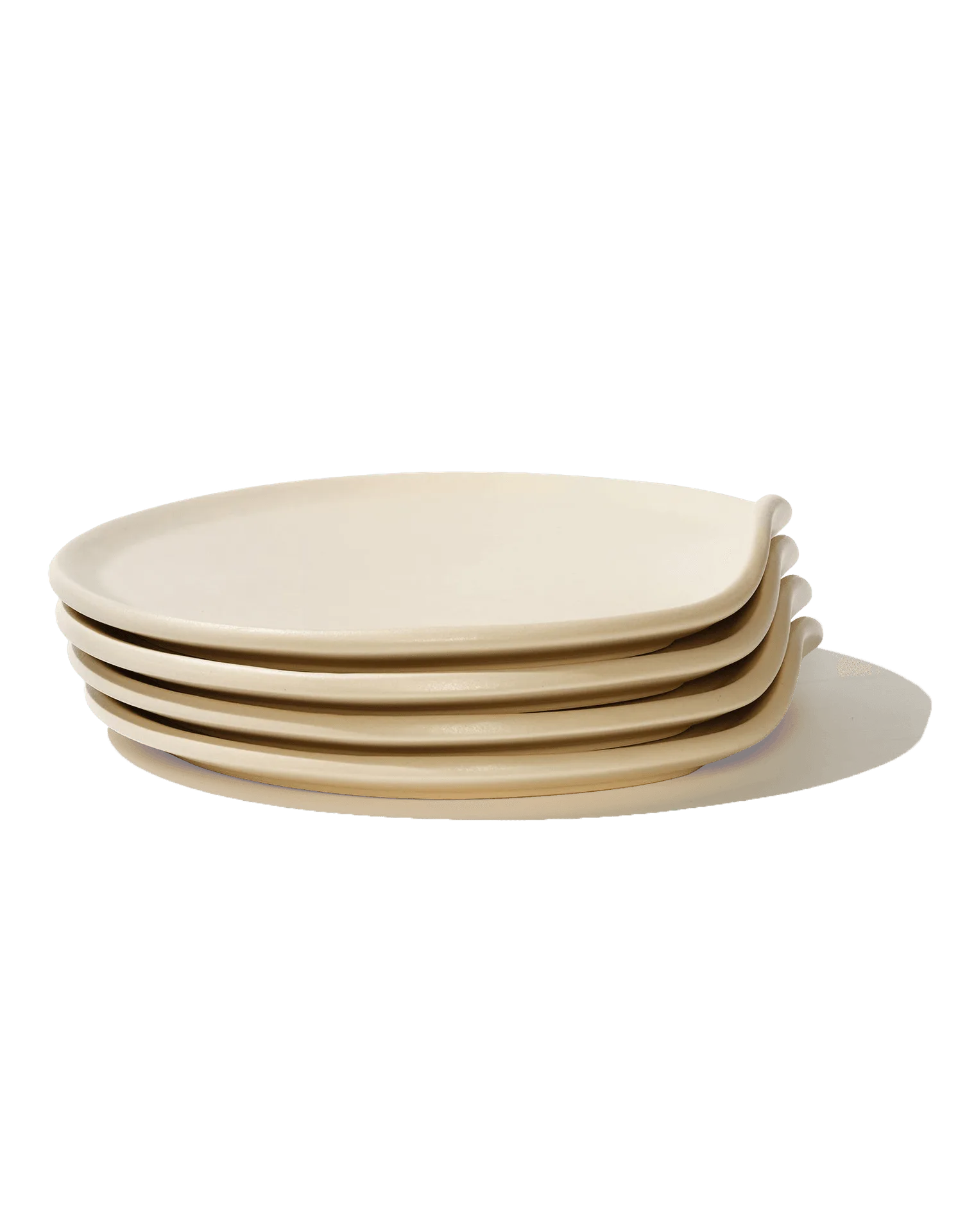
Dinner Plate Set of 4
2. Paring Knife (3-4 inches)
A paring knife is your go-to for small, detailed work: peeling apples, deveining shrimp, trimming strawberries, or scoring pastry. Its short blade gives you precision and control. Look for a blade that feels nimble in your hand—often a straight edge or a slight curve works best. A good paring knife costs far less than a chef's knife but is equally essential.
3. Bread Knife (8-10 inches, serrated)
A serrated bread knife is a must for crusty loaves, delicate tomatoes, and cakes. The saw-like teeth grip the surface and slice without crushing. A longer blade (at least 8 inches) helps you cut through large loaves in one smooth motion. Serrated knives also stay sharp longer than straight edges, making them low-maintenance.
4. Utility Knife (5-7 inches)
This middle-ground knife bridges chef's and paring knives. It's handy for slicing cheese, cutting sandwiches, or trimming small cuts of meat. While not essential, a utility knife can reduce the need to switch between larger and smaller blades during prep.
Knife Materials: Blade and Handle
Understanding materials helps you make an informed best kitchen knives choice.
Blade Steel
- High-Carbon Stainless Steel: The most common choice for home cooks. It resists corrosion, holds a sharp edge, and is easy to sharpen. Examples include German steel (like X50 Cr MoV15) and Japanese VG-10.
- Carbon Steel: Extremely sharp and easy to hone, but prone to rust and staining. It requires more care—you must dry it immediately after washing. Preferred by chefs who value edge retention above all.
- Ceramic: Ultra-hard and lightweight, ceramic blades stay sharp for years but are brittle and difficult to sharpen. Best for slicing soft fruits and vegetables, not for bones or frozen foods.
Handle Materials
- Wood: Classic, warm, and comfortable, but requires oiling and is not dishwasher-safe.
- Plastic/Polypropylene: Durable, lightweight, and easy to clean. Often found on entry-level knives.
- Stainless Steel: Hygienic and durable, but can be slippery when wet. Look for textured or riveted handles for grip.
- Composite (e.g., G10, Micarta): High-end, non-slip, and nearly indestructible. Common in premium Japanese and custom knives.
How to Test Knife Quality Before Buying
If possible, hold a knife in your hand before purchasing. Here's a quick checklist:
- Balance: The knife should feel balanced at the bolster (where blade meets handle). It shouldn't feel head-heavy or handle-heavy.
- Weight: A chef's knife should have enough mass to cut through dense vegetables without forcing, but not so heavy that it tires your wrist.
- Grip: Your hand should wrap comfortably around the handle. If it feels too thick or thin, look for another model.
- Edge: A straight edge should be even and free of nicks. Serrated edges should have uniform teeth.
Building Your Knife Set on a Budget
You don't need a full block of knives. Start with a chef's knife, a paring knife, and a bread knife. Add a utility knife later if needed. For storage, use a magnetic strip, knife guard, or drawer insert—avoid dulling your blades in a cluttered drawer. A quality sharpener (honing rod and whetstone) is a wise investment to maintain edges. And don't forget that your knives deserve a clean, organized workspace. Pair them with proper storage and care items from our kitchen collection.
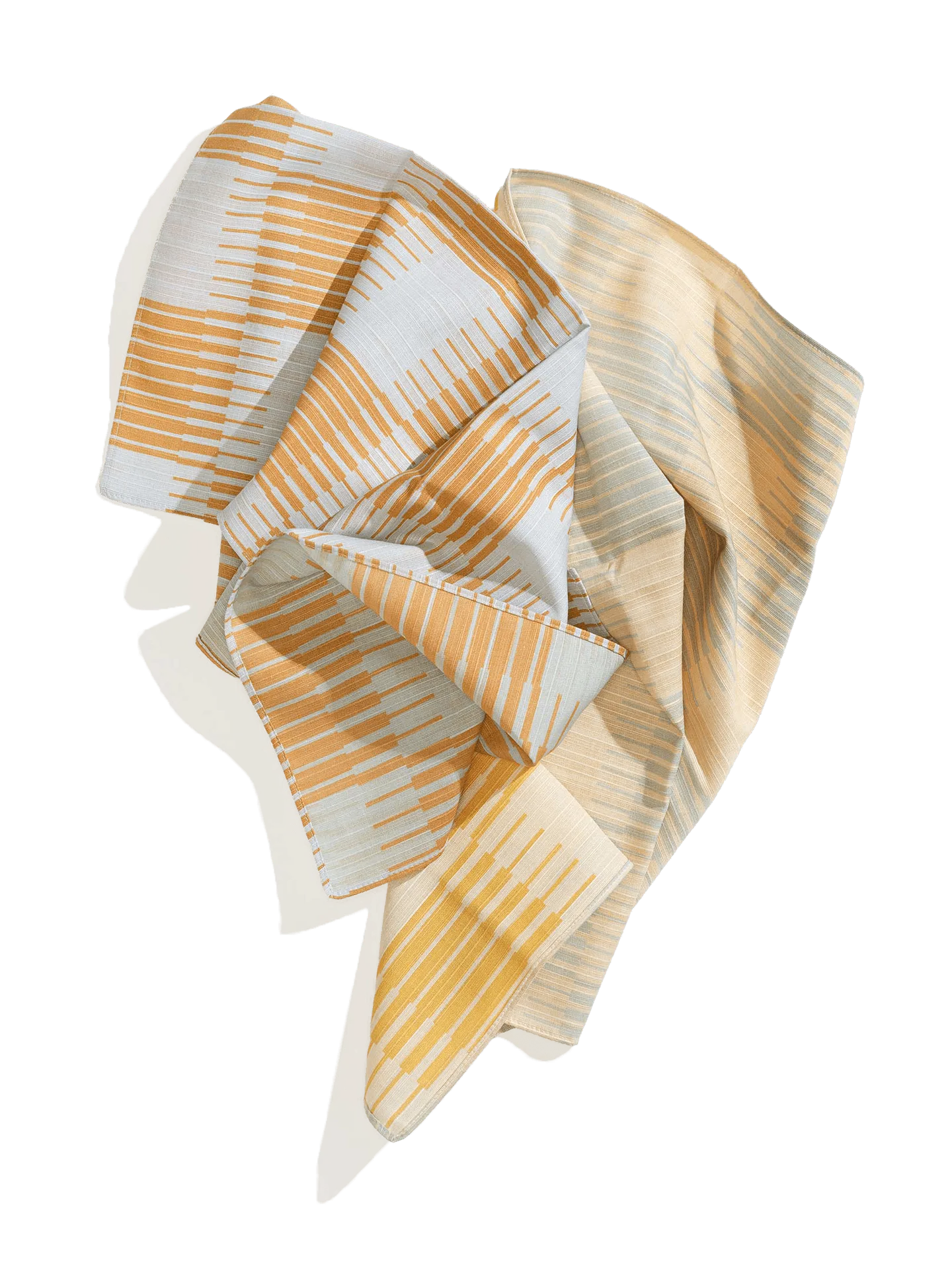
For instance, if you often prepare large meals, a versatile chef's knife combined with a set of everyday plates like the The Small Goun Plate makes plating effortless. Or, if you love hosting, keep your knives sharp and your table setting refined with complementary dinner napkins such as the Dinner Napkins Sabi Mixed Sets—they add a touch of elegance to any meal.
Common Mistakes Home Cooks Make
- Buying a full knife block: You'll end up with redundant knives and spend more money. Curate your own set.
- Ignoring maintenance: Even the best knife dulls over time. Hone weekly, sharpen every few months, and hand-wash only.
- Using the wrong cutting board: Glass, stone, or metal boards ruin edges. Use wood or soft plastic boards.
- Storing knives loosely: They'll chip and dull. Use a block, strip, or blade guards.
How to Choose Between Western and Japanese Knives
Western knives (e.g., German, French) are typically heavier, with a thicker blade and a curved belly for rocking cuts. They're durable and forgiving for beginners. Japanese knives are lighter, harder (often HRC 60-64), and have a sharper edge angle (15 degrees vs. 20 degrees). They excel at precision slicing but are more brittle. For most home cooks, a German-style chef's knife is a safer first purchase. As you advance, add a Japanese santoku or gyuto for finer work.
Care and Longevity
To make your home cook knives last a lifetime:
- Hand-wash with mild soap and dry immediately. Never put knives in the dishwasher.
- Use a honing rod (steel) before each use to realign the edge.
- Sharpen with a whetstone or professional service every 3-6 months.
- Store in a knife block, on a magnetic strip, or in a drawer with edge guards.
Conclusion
Selecting the best kitchen knives for your home doesn't have to be complicated. Focus on a chef's knife, paring knife, and bread knife from reputable brands with quality steel and a comfortable handle. Avoid gimmicky sets and invest in maintenance tools. With the right blades, you'll cook more efficiently and enjoy every slice, chop, and dice.
Ready to upgrade your kitchen arsenal? Explore our premium selection at Material—from essential knives to beautiful dinnerware that makes every meal special. Start with a trusted chef's knife and pair it with the Dinner Plate Set of 4 for a complete, stylish kitchen experience.