When you’ve just cooked a steaming bowl of A-Sha Beef Noodle Soup or Hakka Wide Noodles - Original Flavor, the last thing you want is for your broth to go lukewarm before you finish. The bowl you use plays a huge role in heat retention, and the choice often comes down to ceramic versus plastic. In this ramen bowl comparison, we’ll explore which material keeps your noodles hotter, plus other factors like durability, weight, and aesthetics.
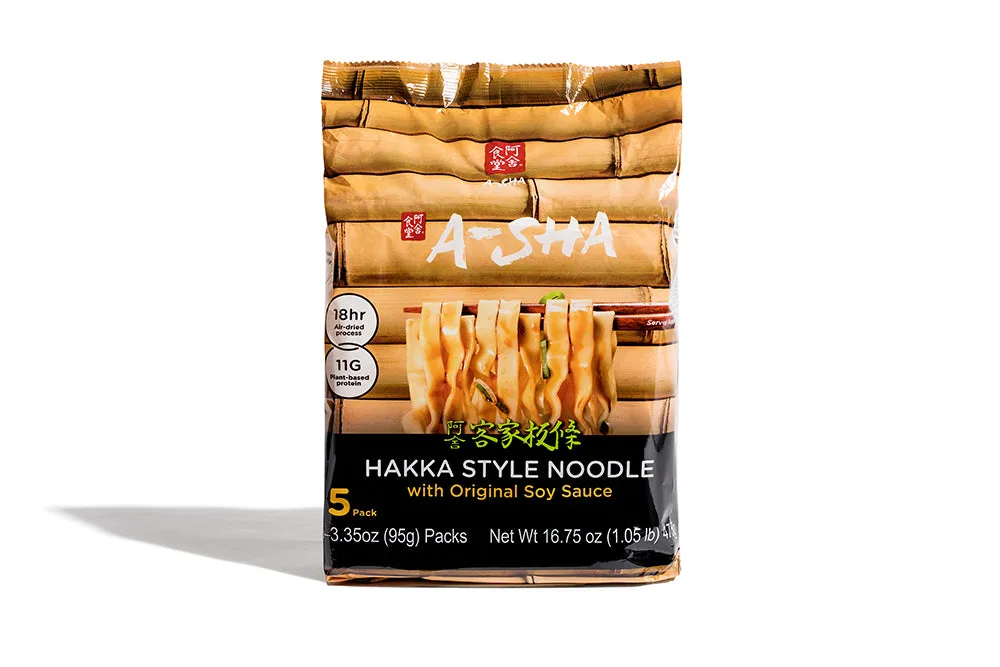
Hakka Wide Noodles - Original Flavor
Whether you’re a casual noodle lover or a dedicated ramen enthusiast, the best ramen bowl can elevate your dining experience. Let’s dive into the science and practicality of ceramic and plastic bowls, so you can enjoy every last slurp at the perfect temperature.
Heat Retention: Ceramic Wins by a Landslide
Ceramic bowls are the undisputed champions when it comes to keeping your noodles hot. Ceramic is a dense material that absorbs heat and releases it slowly, meaning your broth stays steaming for much longer. This is especially important for rich, hearty soups like A-Sha Spicy Dan Dan Meteor Noodle Box, where the flavor profile depends on the broth staying hot to fully release its aromatics.
Plastic bowls, on the other hand, are poor heat retainers. Plastic does not absorb heat well; instead, it quickly transfers heat to the surrounding air, causing your noodles to cool down rapidly. If you’re someone who takes their time eating or likes to savor every bite, plastic may leave you with a cold meal halfway through.
- Ceramic bowls keep broth hot for 15–20 minutes longer than plastic bowls on average.
- Plastic bowls are better for quick meals where you eat within 5–10 minutes.
- If you enjoy slow, mindful eating, ceramic is the clear winner.
Durability and Practicality: Plastic Takes the Lead
While ceramic excels at heat retention, plastic bowls are far more durable and practical for everyday use. Plastic is lightweight, shatterproof, and often dishwasher-safe, making it ideal for busy households, outdoor dining, or families with children. You can drop a plastic bowl without worrying about cracks or chips.
Ceramic bowls, while beautiful, are fragile. A single drop can ruin your favorite bowl, and they are heavier, which can be a downside if you have limited storage or hand strength. However, many ceramic ramen bowls are microwave-safe and oven-safe, adding versatility that plastic cannot match.
- Plastic bowls are virtually indestructible and great for travel or camping.
- Ceramic bowls may chip or crack if mishandled, but offer better heat retention.
- Consider your lifestyle: if you’re clumsy or have kids, plastic might be the smarter choice.
Aesthetics and Experience: Ceramic Elevates the Ritual
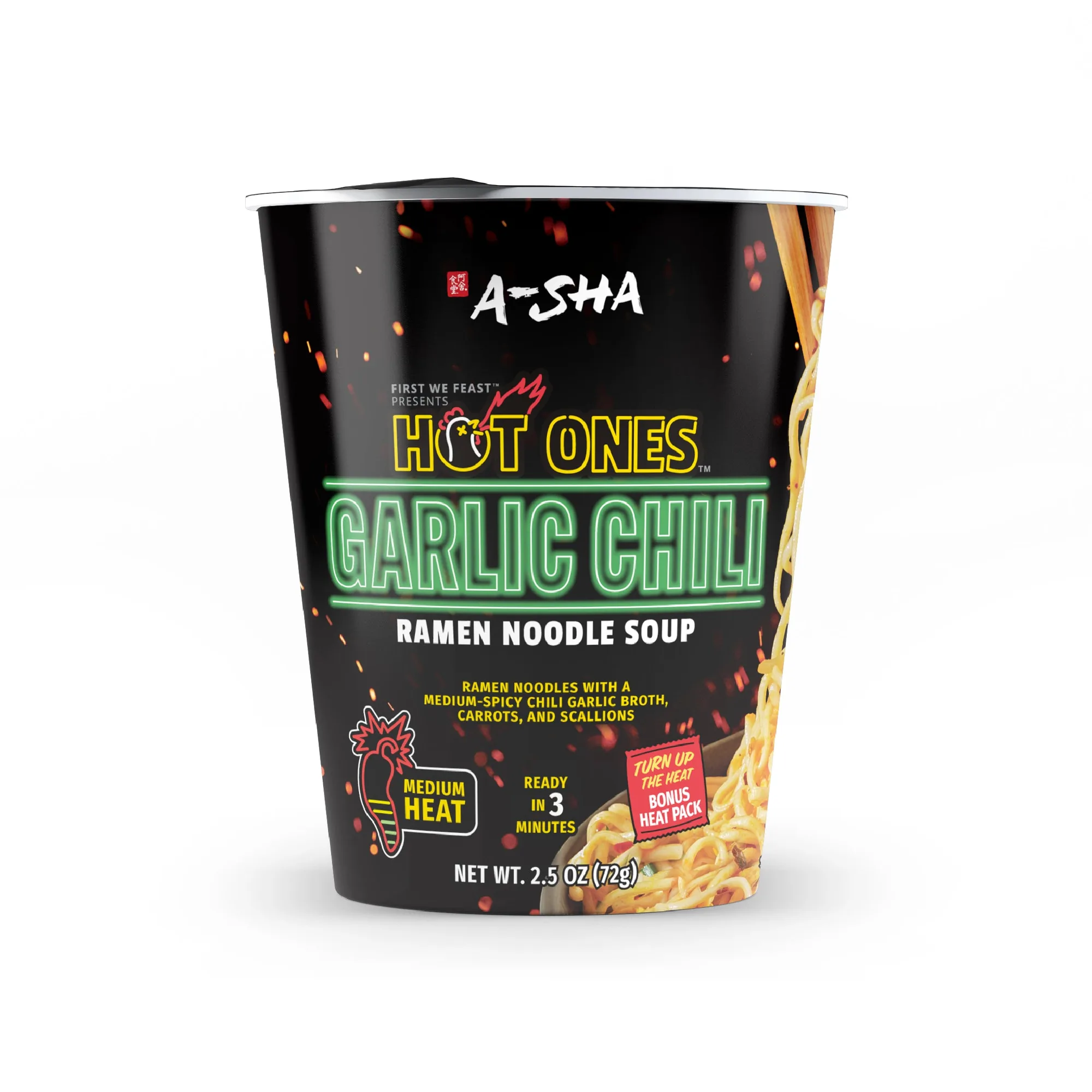
Eating ramen is as much about the experience as it is about the taste. Ceramic bowls often come in beautiful glazes, traditional Japanese or Taiwanese designs, and earthy textures that make the meal feel special. For premium noodle experiences like the A-Sha x Hot Ones Taiwanese Tingly Pepper Noodles, serving them in a ceramic bowl enhances the visual appeal and complements the artisanal quality of the noodles.
Plastic bowls, while available in many colors and styles, generally lack the same tactile warmth and elegance. They can feel cheap or utilitarian, which might detract from the enjoyment of a carefully prepared bowl of noodles. If presentation matters to you, ceramic is the way to go.
- Ceramic bowls add a touch of tradition and luxury to your meal.
- Plastic bowls are more casual and better suited for quick, no-fuss eating.
- Choose ceramic for special occasions or when you want to impress guests.
Which Bowl Material Is Best for You?
The answer depends on your priorities. If heat retention and an elevated dining experience are most important, invest in a high-quality ceramic ramen bowl. It will keep your A-Sha Beef Noodle Soup or Hakka Wide Noodles - Original Flavor hot from the first bite to the last, and it looks stunning on the table.
If you value durability, portability, and low maintenance, a plastic bowl is a practical choice. It’s perfect for lunchboxes, picnics, or households where breakage is a concern. Some modern plastic bowls even feature double-wall insulation to improve heat retention, though they still fall short of ceramic.
- For maximum heat retention: ceramic is the best ramen bowl material.
- For everyday convenience: plastic is lightweight and unbreakable.
- Consider owning both: a ceramic bowl for home and a plastic bowl for on-the-go.
Ultimately, the best ramen bowl is the one that matches your lifestyle and eating habits. If you want to keep your noodles piping hot and enjoy a premium experience, ceramic is unbeatable. For those who need something tough and portable, plastic gets the job done. Whichever you choose, pairing it with top-quality noodles like A-Sha x Hot Ones Taiwanese Tingly Pepper Noodles will make every bowl a delight. Explore our selection of gourmet noodles to find your next favorite.