Honey is a pantry staple that adds natural sweetness and depth to everything from morning oatmeal to evening tea. But with so many varieties on the shelf—clover, wildflower, manuka, and Australian honeys—choosing the best honey for your pantry can feel overwhelming. Each type brings a unique flavor profile and nutritional benefits, making the decision as much about taste as it is about health.
In this guide, we'll compare honey varieties by taste, texture, and nutrition, with a special focus on Australian honeys. Whether you're drizzling it over a bowl of Maple Cinnamon Almond Superfood Oatmeal Bags or stirring it into a cup of tea, understanding honey's nuances will help you make a smarter, more delicious choice for your kitchen.
Why Honey Belongs in Your Pantry
Honey is more than just a sweetener—it's a natural source of antioxidants, enzymes, and trace minerals. Unlike refined sugar, honey offers a range of health benefits, including antibacterial properties and potential allergy relief. For oatmeal lovers, honey pairs beautifully with superfood ingredients like oats, nuts, and dried fruit, enhancing both flavor and nutrition.
When you stock your pantry with quality honey, you're investing in a versatile ingredient that can be used in baking, marinades, dressings, and beverages. The key is to choose a honey that aligns with your taste preferences and dietary goals. Australian honeys, in particular, are prized for their purity and unique floral sources.
- Honey contains natural antioxidants that support immune health.
- It has a lower glycemic index than refined sugar, making it a smarter sweetener for many.
- Raw, unprocessed honey retains more beneficial enzymes and nutrients.
Understanding Honey Varieties: Floral Source and Flavor
The flavor of honey is determined by the flowers from which bees collect nectar. Clover honey is mild and floral, while wildflower honey has a more complex, slightly tangy taste. Manuka honey, from New Zealand, is known for its strong, earthy flavor and high antibacterial activity. Australian honeys, such as Ironbark and Orange Blossom, offer distinct profiles that are worth exploring.
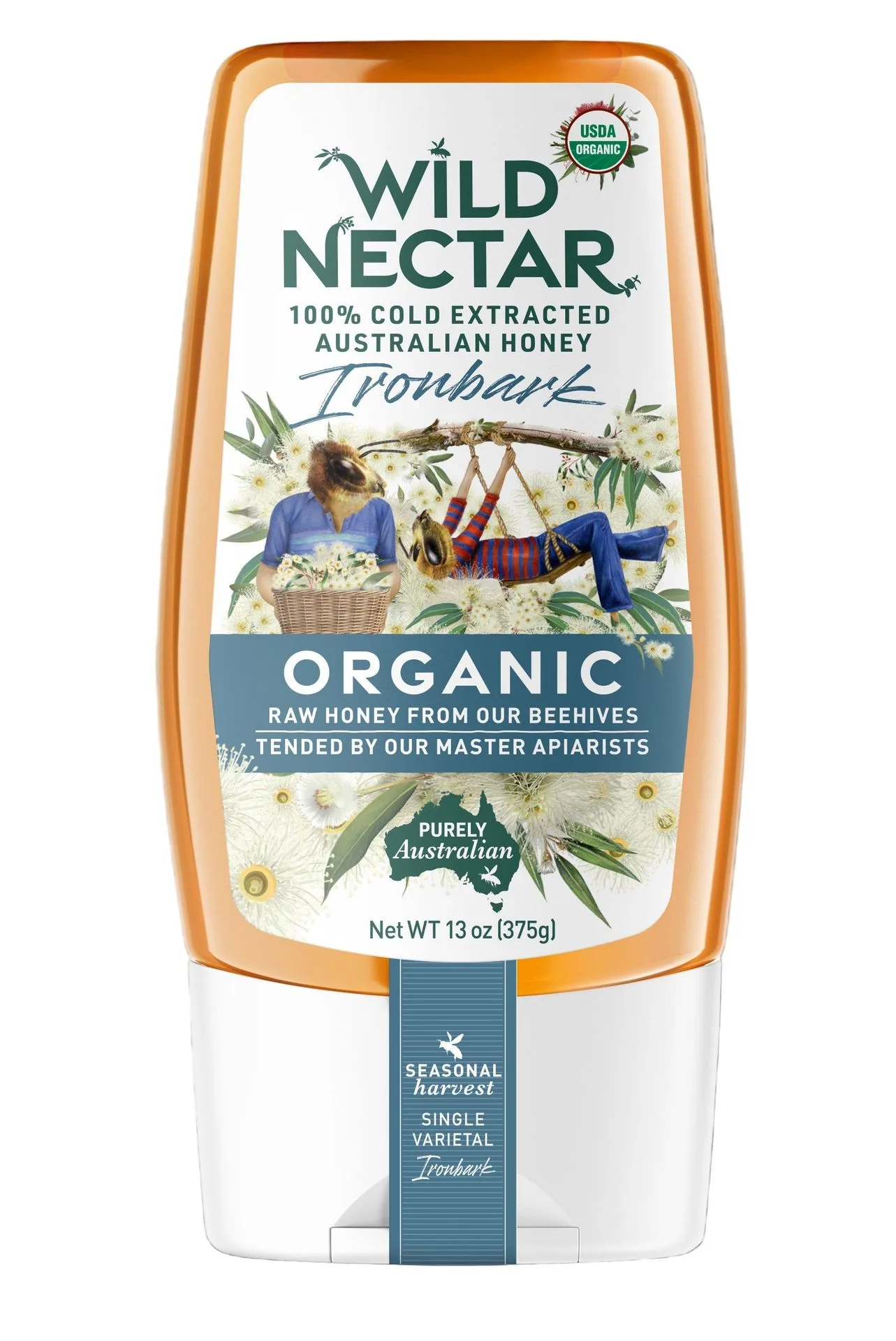
Wild Nectar Australian Organic Ironbark Honey is a rich, dark honey with a robust, molasses-like flavor. It's ideal for adding depth to hearty oatmeal or drizzling over yogurt. In contrast, Wild Nectar Australian Orange Blossom Honey is lighter, with citrusy notes that brighten up breakfast bowls and tea. Understanding these flavor differences helps you select the best honey for your pantry based on your intended use.
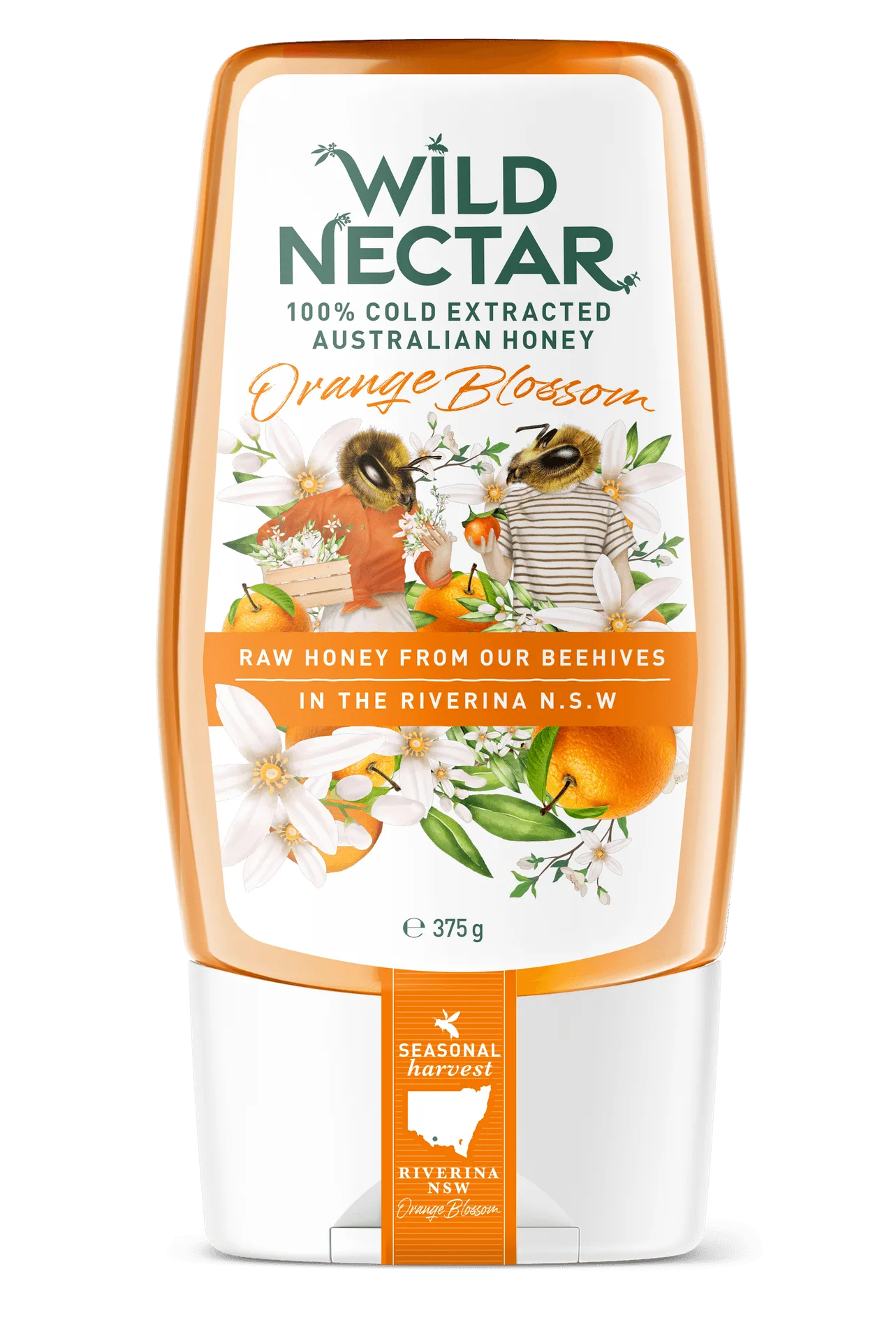
Wild Nectar Australian Orange Blossom Honey
- Light honeys (e.g., orange blossom, clover) have delicate, fruity flavors—great for tea and light desserts.
- Dark honeys (e.g., ironbark, manuka) offer bold, intense flavors—perfect for oatmeal, marinades, and baking.
Nutritional Comparison: What to Look For
When comparing honey nutrition, look at factors like antioxidant content, glycemic index, and whether the honey is raw or processed. Raw honey retains pollen and enzymes that can support digestion and immunity. Darker honeys generally have higher antioxidant levels than lighter ones, making them a more nutrient-dense choice.
Australian honeys like Wild Nectar Australian Organic Ironbark Honey are often raw and unfiltered, preserving their natural goodness. They contain trace amounts of vitamins and minerals, including B vitamins, iron, and zinc. For a lighter option, Wild Nectar Australian Orange Blossom Honey still offers antioxidants but with a milder flavor. Both are excellent additions to a healthy pantry, especially when paired with superfood oatmeal.
- Choose raw honey for maximum nutritional benefits.
- Darker honeys typically have higher antioxidant levels.
- Check labels for added sugars or syrups—pure honey should list only honey as the ingredient.
How to Use Honey in Your Oatmeal and Snacks
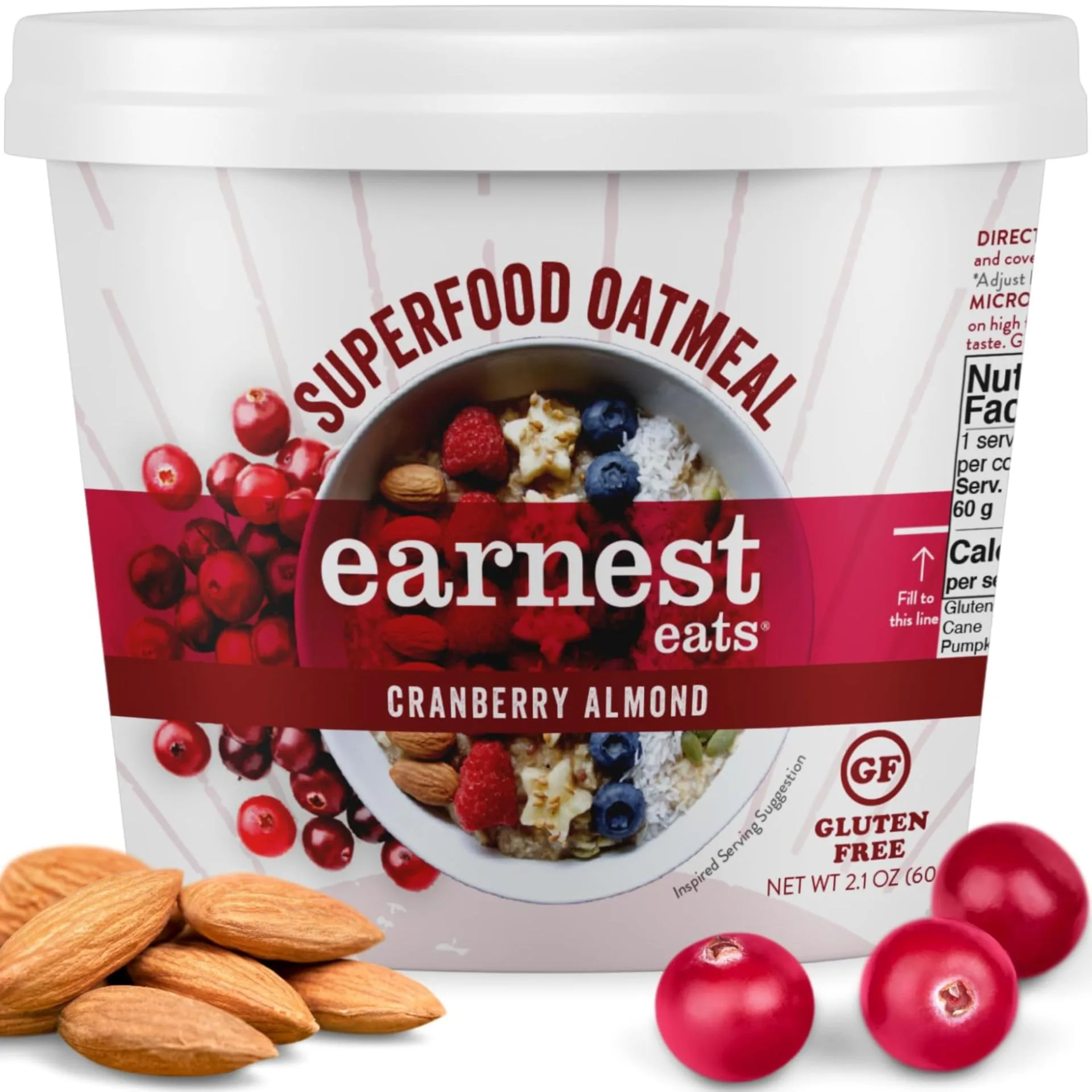
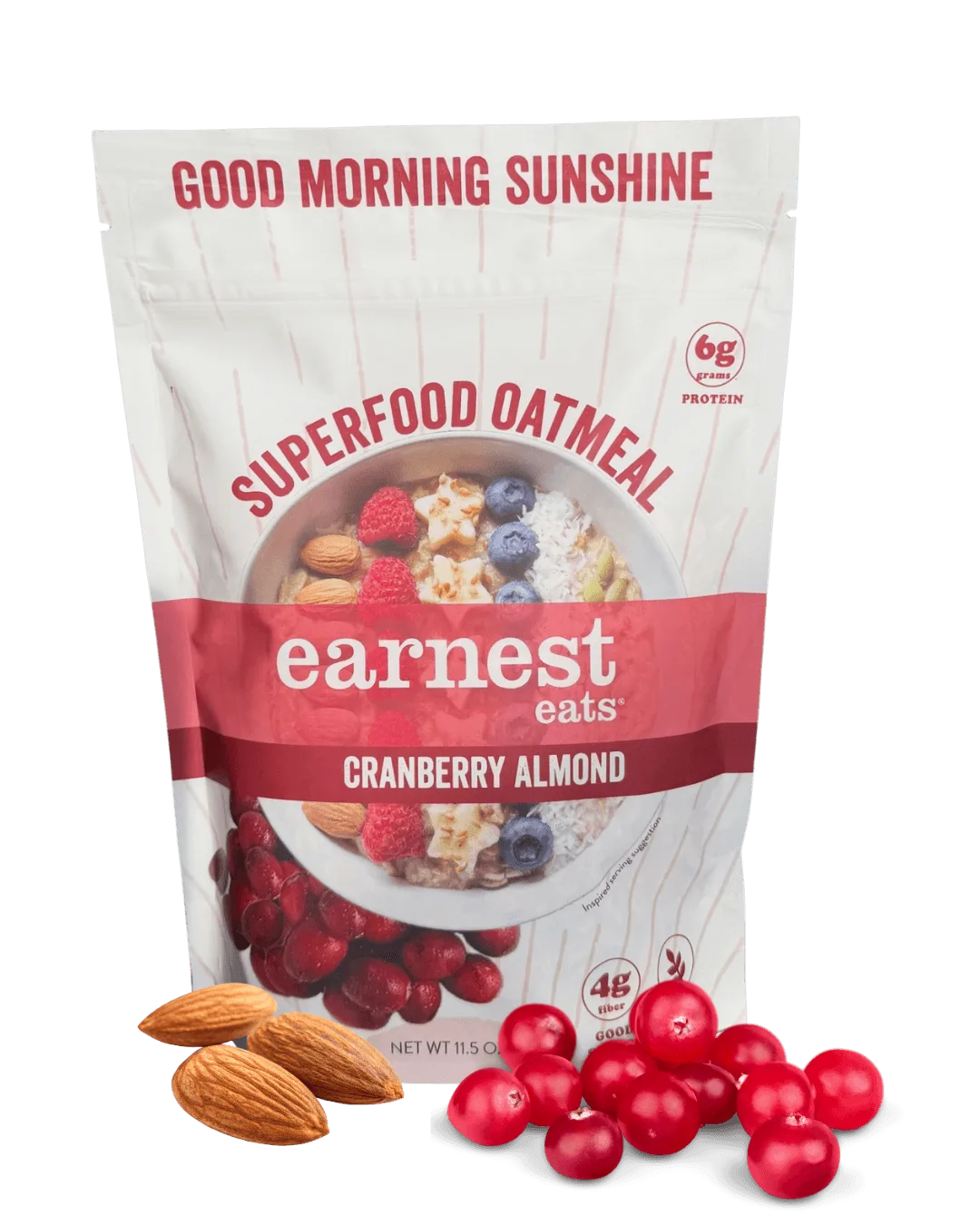
Honey is a natural companion to oatmeal, enhancing both sweetness and texture. For a warm breakfast, stir a spoonful of Wild Nectar Australian Organic Ironbark Honey into a bowl of Maple Cinnamon Almond Superfood Oatmeal Bags for a deep, caramel-like flavor. Alternatively, drizzle Wild Nectar Australian Orange Blossom Honey over a cup of Cranberry Almond Superfood Oatmeal Cups for a bright, citrusy kick.
Beyond oatmeal, honey can be used in energy bars, dressings, and even as a glaze for roasted vegetables. Storing honey in a cool, dark place ensures it stays liquid and flavorful. If it crystallizes, simply place the jar in warm water to restore its smooth consistency.
- Add honey after cooking oatmeal to preserve its enzymes and flavor.
- Use honey as a natural sweetener in homemade granola or trail mix.
- Pair honey with cinnamon, nuts, and dried fruit for a classic oatmeal topping.
Choosing the best honey for your pantry comes down to understanding your taste preferences and nutritional priorities. Whether you opt for the bold richness of Wild Nectar Australian Organic Ironbark Honey or the delicate sweetness of Wild Nectar Australian Orange Blossom Honey, you're adding a versatile, healthful ingredient to your kitchen. Explore these Australian honeys and discover how they can transform your oatmeal and snacks into something truly special.