If you're looking for a simple yet powerful toy that supports your baby's development, a coin and tube sorting set might be exactly what you need. This Montessori-inspired activity is beloved by parents and educators for its ability to engage infants and toddlers in purposeful play while building essential skills.
In this review, we'll explore what makes a coin and tube sorting set a standout choice for fine motor skills, hand-eye coordination, and early cognitive development. We'll also compare it to other popular baby toys and offer tips for choosing the best set for your child.
What Is a Coin and Tube Sorting Set?
A coin and tube sorting set typically includes a wooden or plastic box with a slot on top and several colorful coins or discs that fit through the slot. The child's task is to grasp the coin, orient it correctly, and drop it into the slot. Once inside, the coin lands with a satisfying clatter or disappears into a hidden compartment, providing immediate feedback.
This simple cause-and-effect toy is a classic Montessori material because it isolates one skill at a time—in this case, the pincer grasp and wrist rotation. Unlike electronic toys that flash lights and play music, the coin drop relies on the child's own effort, encouraging concentration and problem-solving.
- Tip: Look for a set with coins that are large enough to prevent choking but small enough to challenge fine motor skills. A diameter of about 1.5 inches is ideal for babies 6 months and up.
Key Benefits for Infant and Toddler Development
A coin and tube sorting set is more than just a fun activity—it's a tool for building foundational skills. For infants around 6-12 months, the act of picking up a coin and guiding it into the slot strengthens the pincer grasp, which is crucial for later tasks like holding a pencil or using utensils. The repetition also improves hand-eye coordination and spatial awareness.
As your child grows into toddlerhood, the same toy can be used for color recognition, counting, and even simple sorting games. Some sets come with coins in different colors or shapes, adding a layer of cognitive challenge. This longevity makes the coin drop toy a worthwhile investment compared to single-stage toys that are quickly outgrown.
- Look for a wooden coin drop toy if you prefer natural materials; plastic versions are lighter and easier to clean.
How to Use a Coin and Tube Sorting Set with Your Baby
Introduce the toy by demonstrating the action slowly: pick up a coin, show it to your baby, and drop it into the slot with a cheerful sound. Let your baby explore the coins and the box freely at first—they may mouth the coins or bang them together, which is normal sensory exploration.
Once your baby shows interest in the slot, gently guide their hand to help them drop a coin. Over time, they will learn to coordinate the movement independently. To keep the activity fresh, you can hide the coins under a cloth for a game of peek-a-boo or line them up for a simple counting lesson.
- Always supervise play with small parts. While most coin drop toys are designed with safety in mind, coins can be a choking hazard if they are small enough to fit through a toilet paper roll.
Comparing Coin Drop Toys to Other Baby Toys
How does a coin and tube sorting set stack up against other popular infant toys? Unlike a rattle, which primarily stimulates auditory senses, the coin drop engages multiple senses—touch, sight, and sound—while requiring active problem-solving. Compared to a teether like the Bear Teether or Daisy Rattle Teether, the coin drop serves a different purpose: it's a cognitive and motor skill builder rather than a soothing tool.
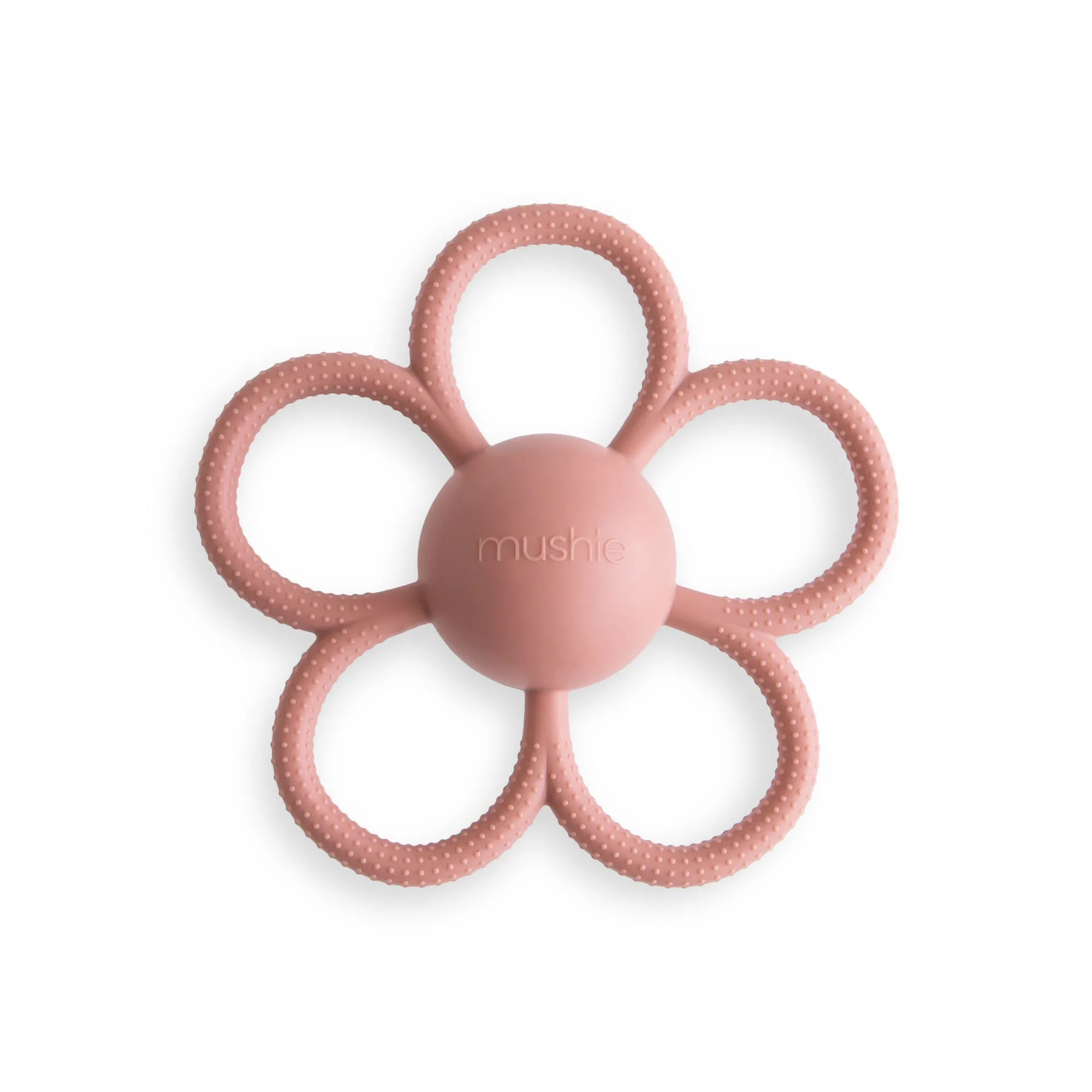
Daisy Rattle Teether
For parents looking to support infant cognitive development, a cause and effect toy like this is a must-have. It's also a great alternative to electronic toys because it encourages quiet, focused play. If you're building a Montessori-inspired toy collection, a coin and tube sorting set pairs well with other open-ended toys like stacking rings and shape sorters.
- Consider adding a Silicone Baby Rattle Toy for variety in texture and sound, but remember that the coin drop offers a unique learning opportunity that rattles don't.
What to Look for When Buying a Coin and Tube Sorting Set
When shopping for a coin and tube sorting set, prioritize safety and durability. Choose toys made from non-toxic materials like food-grade silicone or solid wood with water-based paint. Check that the slot is wide enough to accommodate the coins easily but not so wide that the toy loses its challenge.
Some sets include a clear plastic tube so children can watch the coins fall, adding visual interest. Others have a drawer or removable bottom for easy retrieval. Consider your child's age and skill level: a simpler set with larger coins is best for beginners, while a set with multiple slots or shaped coins can grow with your child.
- A wooden coin drop toy is often more durable and aesthetically pleasing, while a silicone version may be softer and easier to clean. Choose based on your priorities.
A coin and tube sorting set is a timeless, Montessori-inspired toy that delivers real developmental benefits. By encouraging fine motor skills, hand-eye coordination, and cognitive growth through simple cause-and-effect play, it's a valuable addition to any baby's toy collection. Whether you choose a classic wooden version or a modern silicone design, this toy will engage your child for months to come.