A great bowl of noodles is about more than just the broth and toppings—the vessel you serve it in matters just as much. The right noodle bowl keeps your soup hot, makes eating comfortable, and elevates the entire dining experience. Whether you're a ramen enthusiast, a pho lover, or someone who enjoys a hearty udon dinner, choosing the perfect bowl can transform a simple meal into a ritual.
In this guide, we'll walk you through the key factors to consider when picking a noodle bowl: size for portion control, shape for broth retention, and material for heat insulation and durability. We'll also highlight a standout option from our collection—The Goun Noodle Bowl—and show you how to build a complete table setting around it.
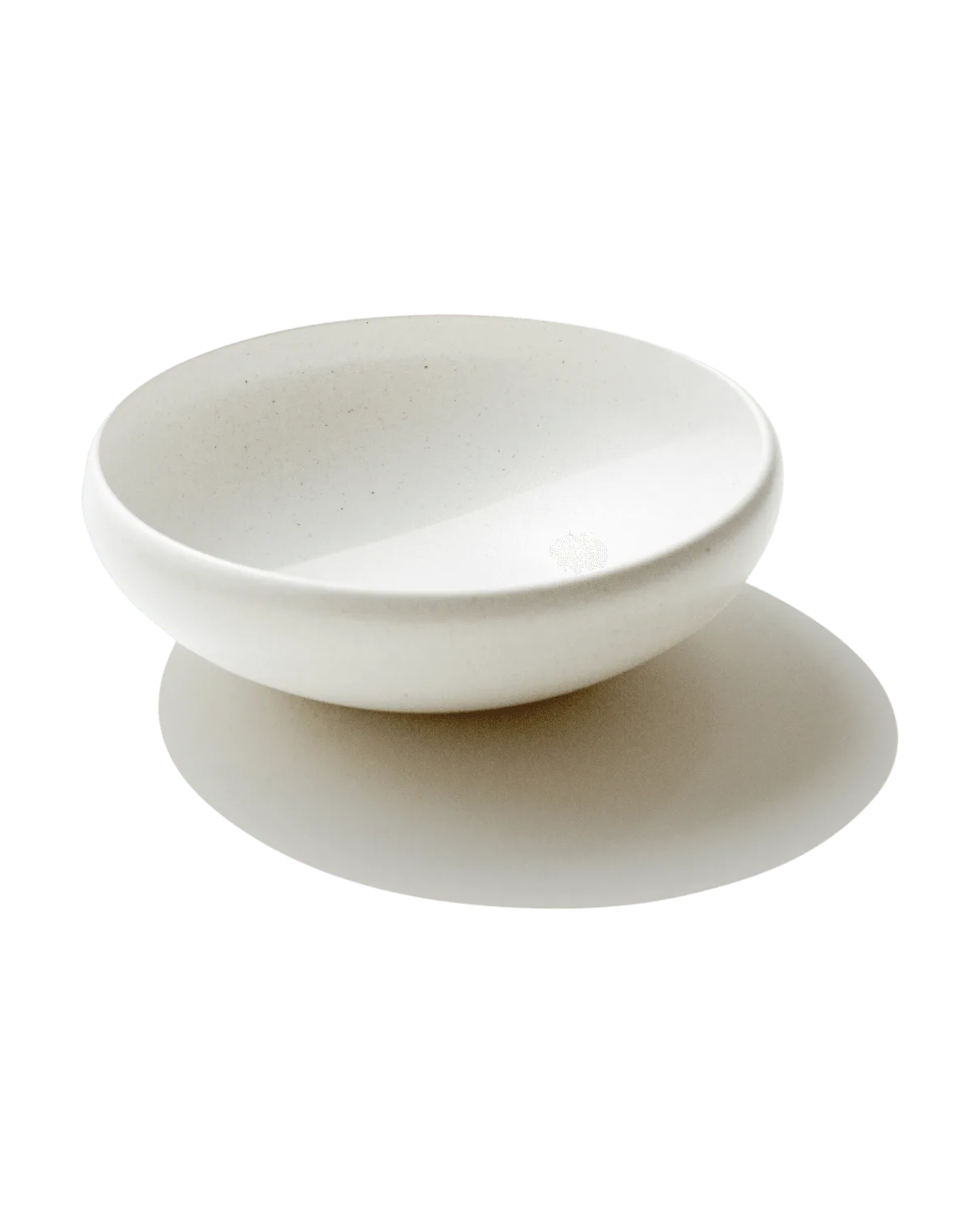
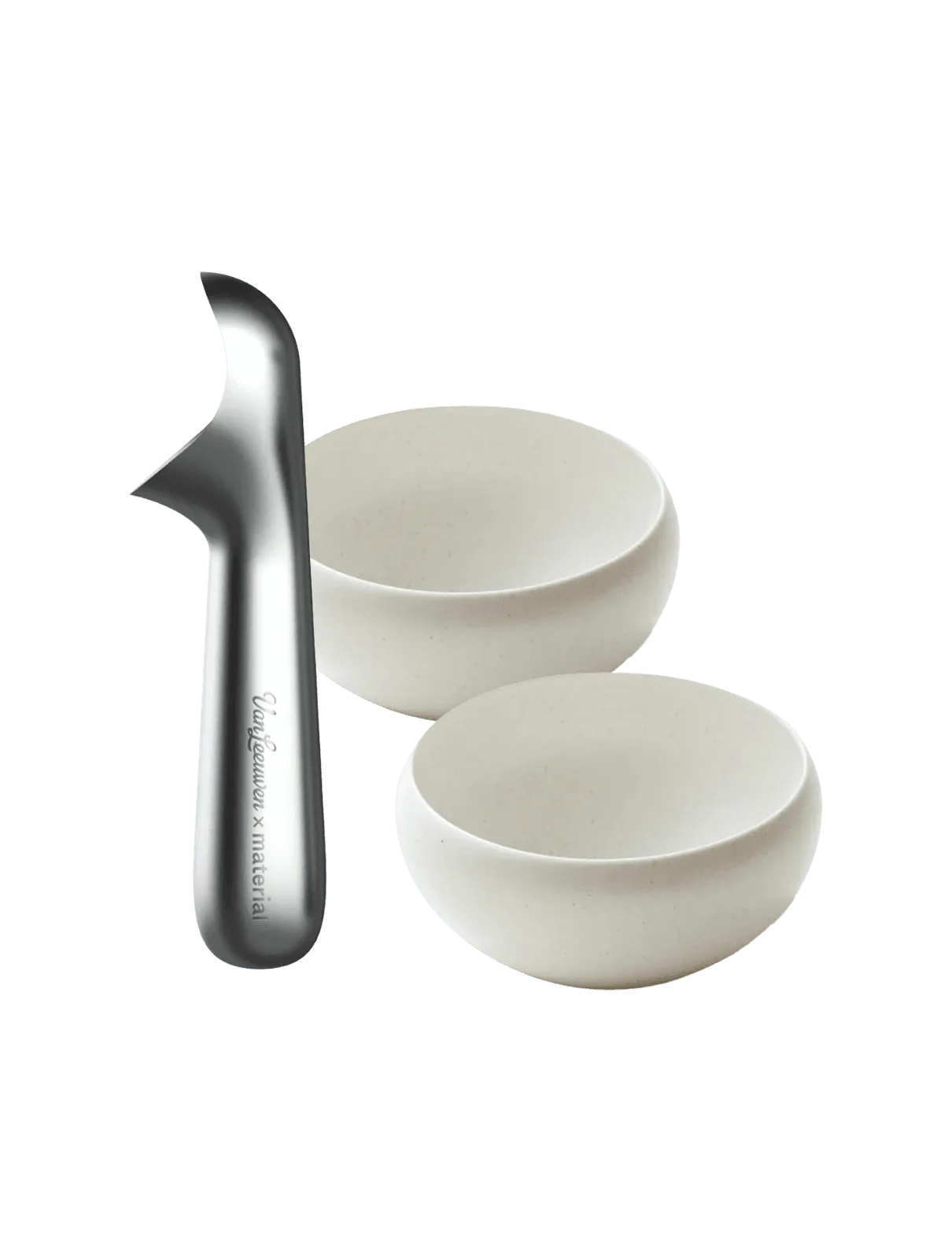
The Goun Noodle Bowl
Why Noodle Bowl Size Matters More Than You Think
Noodle bowls come in a wide range of sizes, typically from 20 ounces for a light appetizer portion to over 40 ounces for a hearty main course. The size you choose depends on what you're serving. Ramen, for example, is often served in bowls holding 32 to 40 ounces to accommodate the broth, noodles, and toppings like chashu, soft-boiled egg, and scallions. A bowl that's too small will spill over when you add all the components, while one that's too large can make the portion look skimpy.
For pho or udon, which are typically broth-heavy, a wider bowl with a capacity around 36 ounces is ideal. This allows the flavors to mingle and gives you room to add herbs, lime, and chili. If you're serving dry noodles or stir-fried dishes, a shallower bowl works better. The key is to match the bowl size to the dish's liquid-to-solid ratio. A well-sized bowl not only looks balanced but also keeps the temperature consistent—more liquid means slower cooling.
- Small (20-24 oz): Perfect for appetizer portions or light broths like miso soup with noodles.
- Medium (28-32 oz): Good for standard ramen or udon bowls with moderate toppings.
- Large (36-40+ oz): Best for hearty ramen, pho, or noodle soups with many add-ons.
Shape and Design: How It Affects Your Eating Experience
The shape of a noodle bowl isn't just about aesthetics—it directly impacts how you eat. Traditional Japanese ramen bowls are wide and slightly tapered, with a flat bottom that helps the noodles stay submerged in broth. The wide rim also makes it easier to hold the bowl with both hands, a common practice in Japanese culture to warm your palms on a cold day. A deeper bowl with a narrower opening, on the other hand, is better for soups with a lot of solid ingredients, as it keeps everything contained.
Another design element to consider is the foot or base. Bowls with a small foot are easier to pick up, while those with a wider base are more stable and less likely to tip over. Some bowls also feature a slight lip or spout for pouring, though this is less common in traditional designs. For a versatile option that works for both ramen and other dishes, look for a bowl with a gentle curve and a rim that's wide enough to rest chopsticks or a spoon. The Goun Noodle Bowl is a great example of this balance—its elegant shape accommodates generous portions while feeling comfortable in your hands.
- Wide rim: Allows for easy gripping and keeps hands safe from hot broth.
- Tapered sides: Helps noodles stay in the liquid, preventing them from drying out.
- Flat bottom: Provides stability on the table and makes stacking easier for storage.
Material Choices: Ceramic, Porcelain, or Stoneware?
The material of your noodle bowl affects heat retention, durability, and even the flavor of your soup. Ceramic bowls are a popular choice because they heat evenly and retain warmth for a long time—perfect for slow slurpers. Porcelain, while similar, is more vitrified and less porous, making it more resistant to staining and chipping. Stoneware is heavier and more durable, ideal for everyday use, but it can take longer to heat up. Each material has its pros and cons, so your choice depends on your lifestyle and how often you plan to use the bowl.
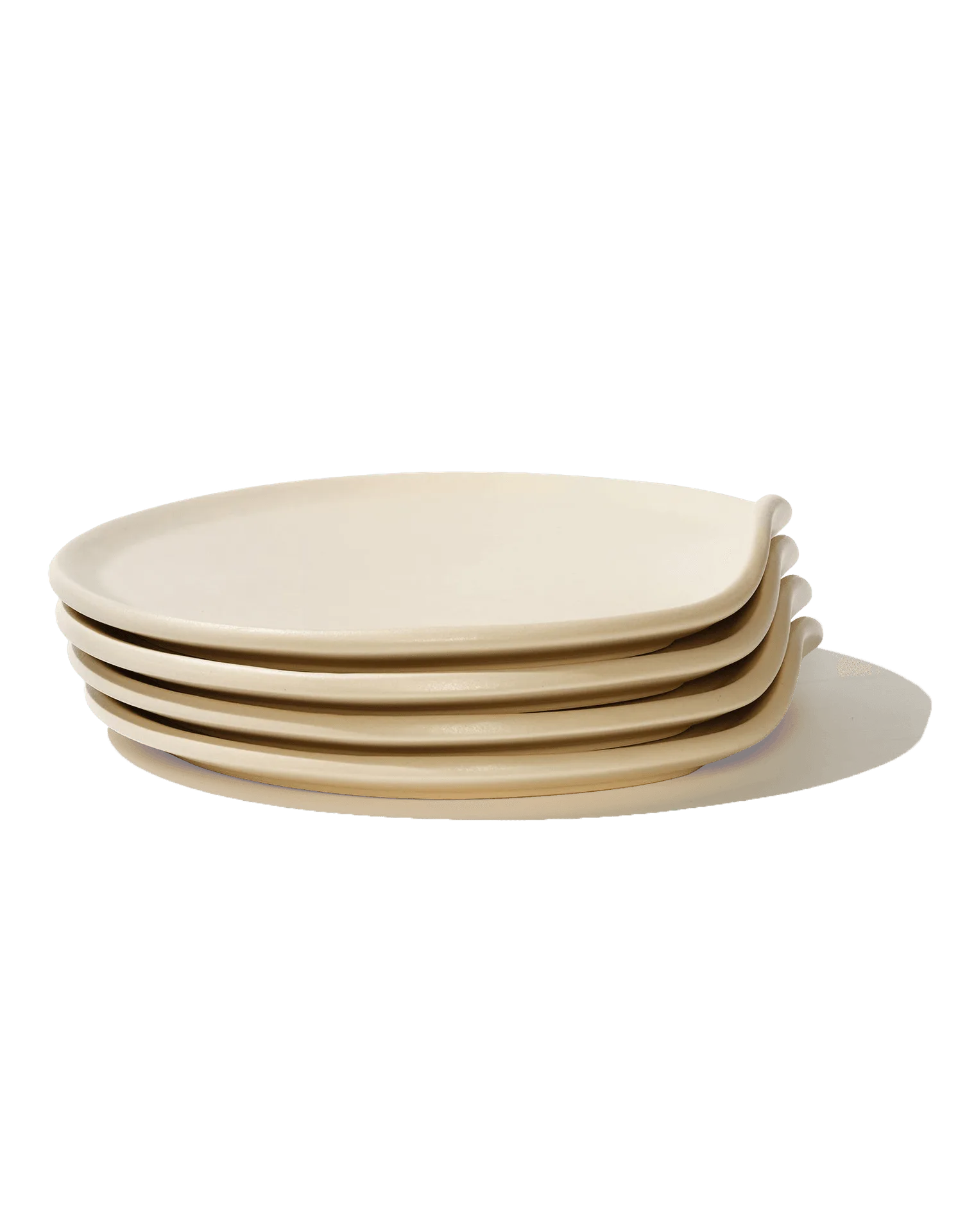
For those who love the look of handmade pottery, ceramic bowls offer unique glazes and textures that add character to your table. Porcelain bowls, like those in many Japanese dinnerware sets, have a refined finish that's easy to clean and resists odors. If you're looking for something that can withstand the dishwasher and microwave, check the manufacturer's guidelines. Many high-quality bowls, including The Goun Noodle Bowl, are microwave and dishwasher safe, making them convenient for daily use. Pairing your noodle bowl with complementary pieces like a Serve Platter can create a cohesive table setting for noodle nights or dinner parties.
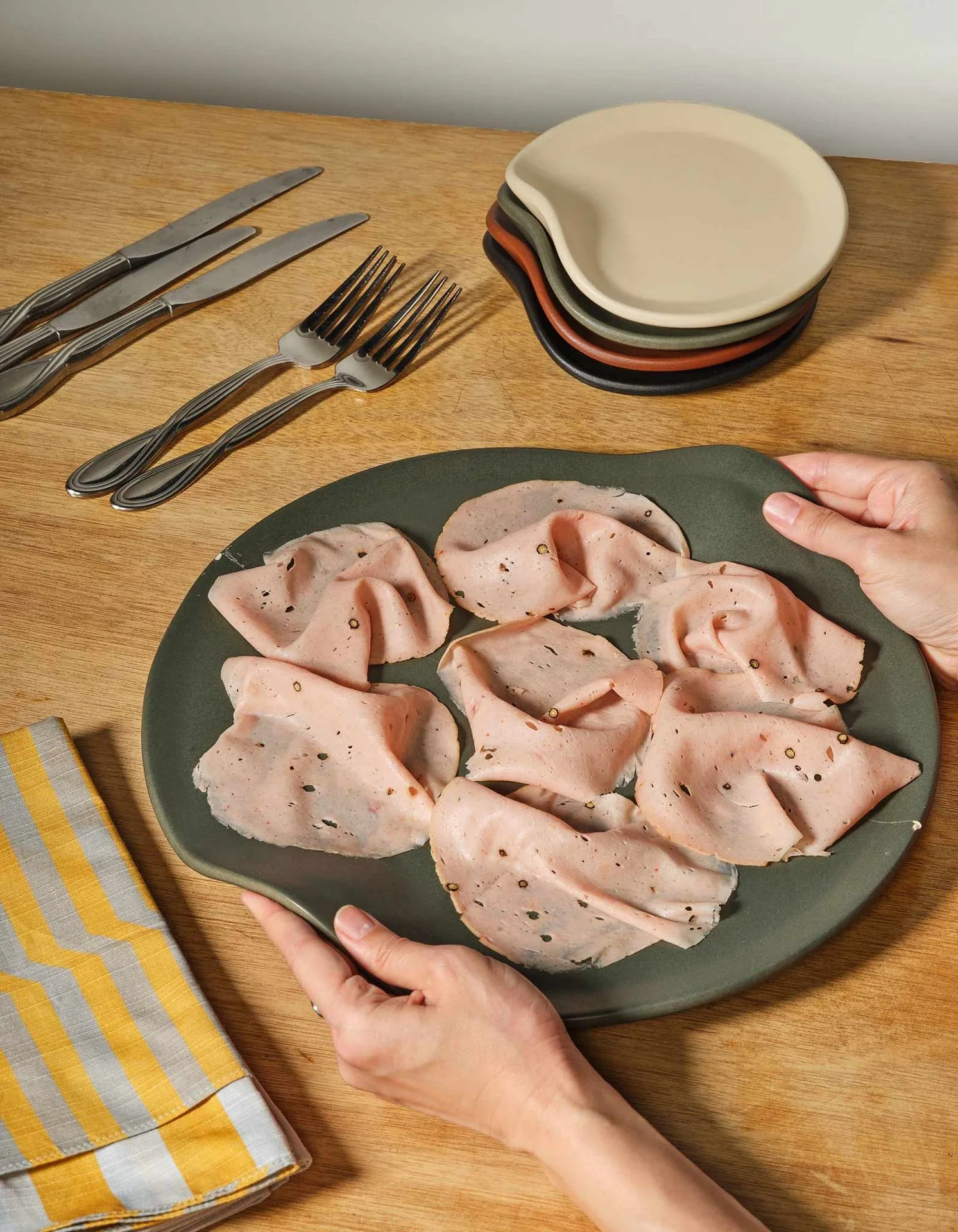
Serve Platter
- Ceramic: Excellent heat retention, handmade feel, but can be fragile.
- Porcelain: Non-porous, stain-resistant, elegant finish, often lighter than stoneware.
- Stoneware: Very durable, heavy, great for everyday use, may not heat as quickly.
Styling Your Noodle Bowl for a Complete Tablescape
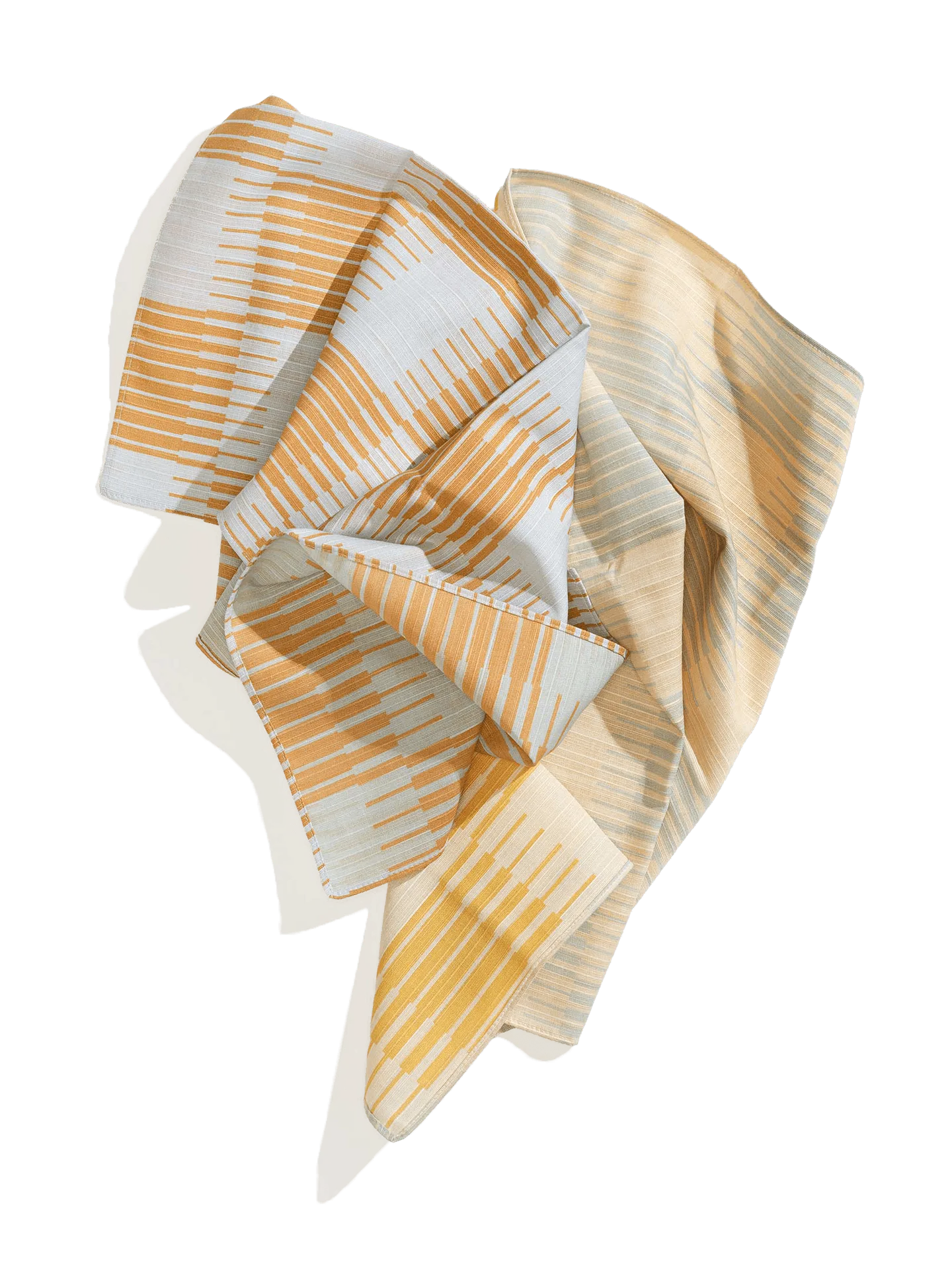
Once you've chosen your noodle bowl, consider how it fits into your overall table setting. A beautiful bowl deserves to be complemented by the right linens, flatware, and serveware. For a cohesive look, start with a neutral tablecloth like the Tablecloth Reversible Grid, which provides a clean backdrop that lets your bowl's color and pattern stand out. Add a set of Dinner Napkins Double Sided Checker - High Season for a pop of pattern that ties the whole table together without overwhelming the main dish.
When it comes to utensils, a simple stainless steel chopstick set or a classic spoon works well. If you're serving a side dish or appetizer, consider using small plates or bowls from the same collection. The key is to keep the focus on the noodle bowl while creating a harmonious environment. A well-styled table not only impresses guests but also makes the meal feel more intentional and enjoyable.
- Use a neutral tablecloth to let the bowl shine.
- Add patterned napkins for visual interest without clashing.
- Keep flatware simple and functional to avoid distraction.
Choosing the right noodle bowl is a small but impactful decision that enhances your cooking and dining experience. By considering size, shape, and material, you can find a bowl that suits your favorite noodle dishes and your personal style. Start your search with The Goun Noodle Bowl—it's a versatile, beautifully crafted option that works for ramen, udon, and beyond. Explore our full collection of dinnerware and tabletop essentials to build a table you'll love coming home to.