Choosing the right lubricant can make or break your intimate experience, especially if you have sensitive skin. With so many options on the market, understanding lube ingredients is essential for avoiding irritation, allergic reactions, and discomfort. This guide breaks down the most common lubricant components, highlights what to look for, and warns you about ingredients to avoid.
Whether you're new to using lube or a seasoned enthusiast, knowing how to read a label empowers you to select a product that enhances pleasure without compromising your skin's health. From natural lube ingredients to hypoallergenic formulas, we'll cover everything you need to make an informed choice.
Why Lube Ingredients Matter for Sensitive Skin
Your skin is your body's largest organ, and the delicate tissues in intimate areas are especially vulnerable to harsh chemicals. Many commercial lubricants contain preservatives, fragrances, and additives that can cause stinging, redness, or even infections. For individuals with conditions like eczema, psoriasis, or frequent yeast infections, choosing a lube with gentle, skin-safe ingredients is non-negotiable.
The good news is that many brands now prioritize sensitive skin lubricants with simple, clean formulas. By focusing on water-based or silicone-based options free from common irritants, you can enjoy comfortable, worry-free intimacy. Always check the ingredient list before buying, and consider doing a patch test on a small area of skin before full use.
- Look for products labeled 'hypoallergenic' or 'dermatologist tested'.
- Avoid lubes with more than 10 ingredients to minimize risk of irritation.
- Patch test on your inner arm 24 hours before intimate use.
Common Lube Ingredients to Avoid
Certain ingredients are notorious for causing irritation, especially for sensitive skin. Here are the top offenders to watch out for:
Glycerin is a common humectant in water-based lubes, but it can feed yeast and lead to infections in people prone to thrush. Parabens, used as preservatives, have been linked to skin allergies and hormonal disruption. Propylene glycol, a penetration enhancer, can cause stinging and contact dermatitis. Finally, artificial fragrances and flavors often contain phthalates or other allergens that can disrupt your natural pH balance.
- Glycerin – avoid if you are prone to yeast infections.
- Parabens – linked to skin irritation and potential health risks.
- Propylene glycol – can cause stinging on sensitive skin.
- Artificial fragrances and flavors – common allergens.
Safe and Soothing Lube Ingredients to Look For
For sensitive skin, the best lube ingredients are simple, natural, and pH-balanced. Aloe vera is a top choice because it soothes and moisturizes without irritation. Vegetable glycerin (derived from plants) is a safer alternative to synthetic glycerin, though still use caution if you are yeast-prone. Xanthan gum and guar gum are natural thickeners that provide a silky feel without harsh chemicals.
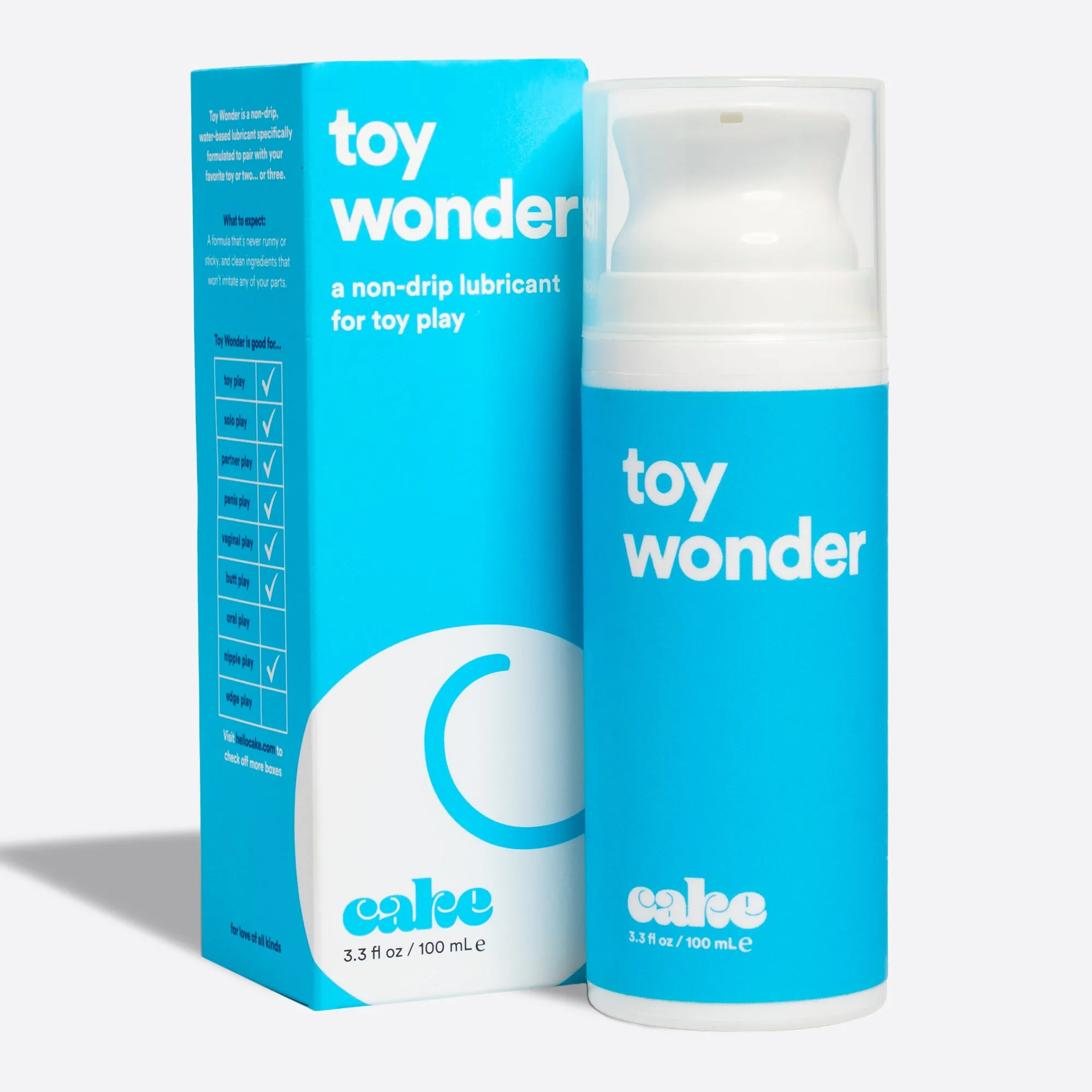
Coconut oil is a popular natural option for external use, but it can degrade latex condoms. For a reliable, condom-safe choice, look for water-based lubes with minimal ingredients. Our Water-Based Lube is an excellent example, formulated without glycerin or parabens, making it ideal for sensitive skin. For a touch of flavor without irritation, our Vanilla Chai Lube uses natural flavors and gentle ingredients.
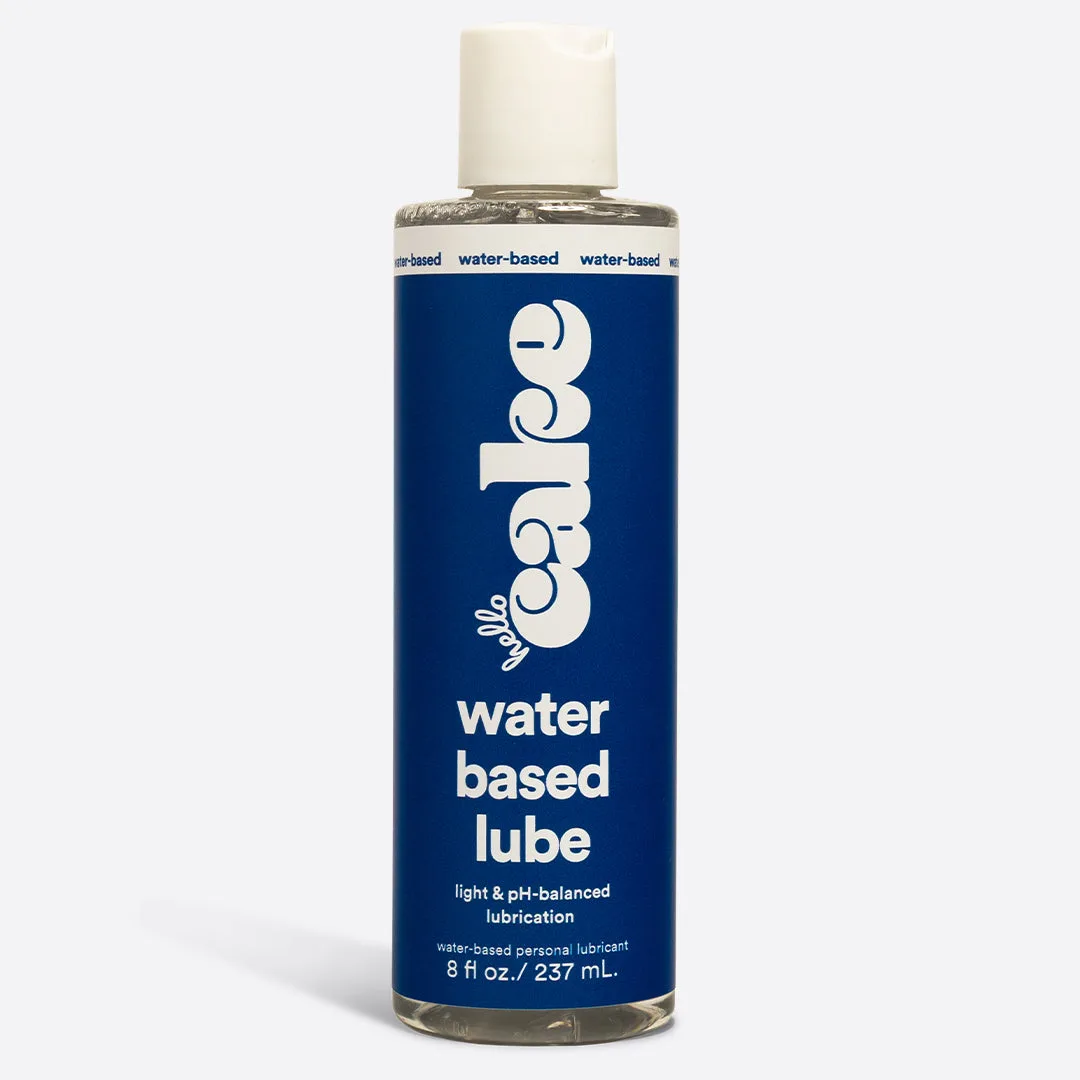
Water-Based Lube
- Aloe vera – cooling and anti-inflammatory.
- Vegetable glycerin – mild humectant (use caution if yeast-prone).
- Xanthan gum – natural thickener for smooth glide.
- Coconut oil – great for external use, not condom-safe.
Water-Based vs. Silicone-Based Lubes for Sensitive Skin
Water-based lubes are generally the best choice for sensitive skin because they are easy to wash off, non-staining, and compatible with all toys and condoms. They often contain fewer ingredients than silicone-based options and can be formulated without common irritants. However, they may require reapplication during longer sessions.
Silicone-based lubes, like our Silicone-Based Lube, are longer-lasting and hypoallergenic, making them a great option for people who want a single application to last. They are free from water-soluble irritants like glycerin and propylene glycol, but they can be harder to clean and may not be suitable for silicone toys. Both types can be safe for sensitive skin if you choose a high-quality, ingredient-conscious brand.
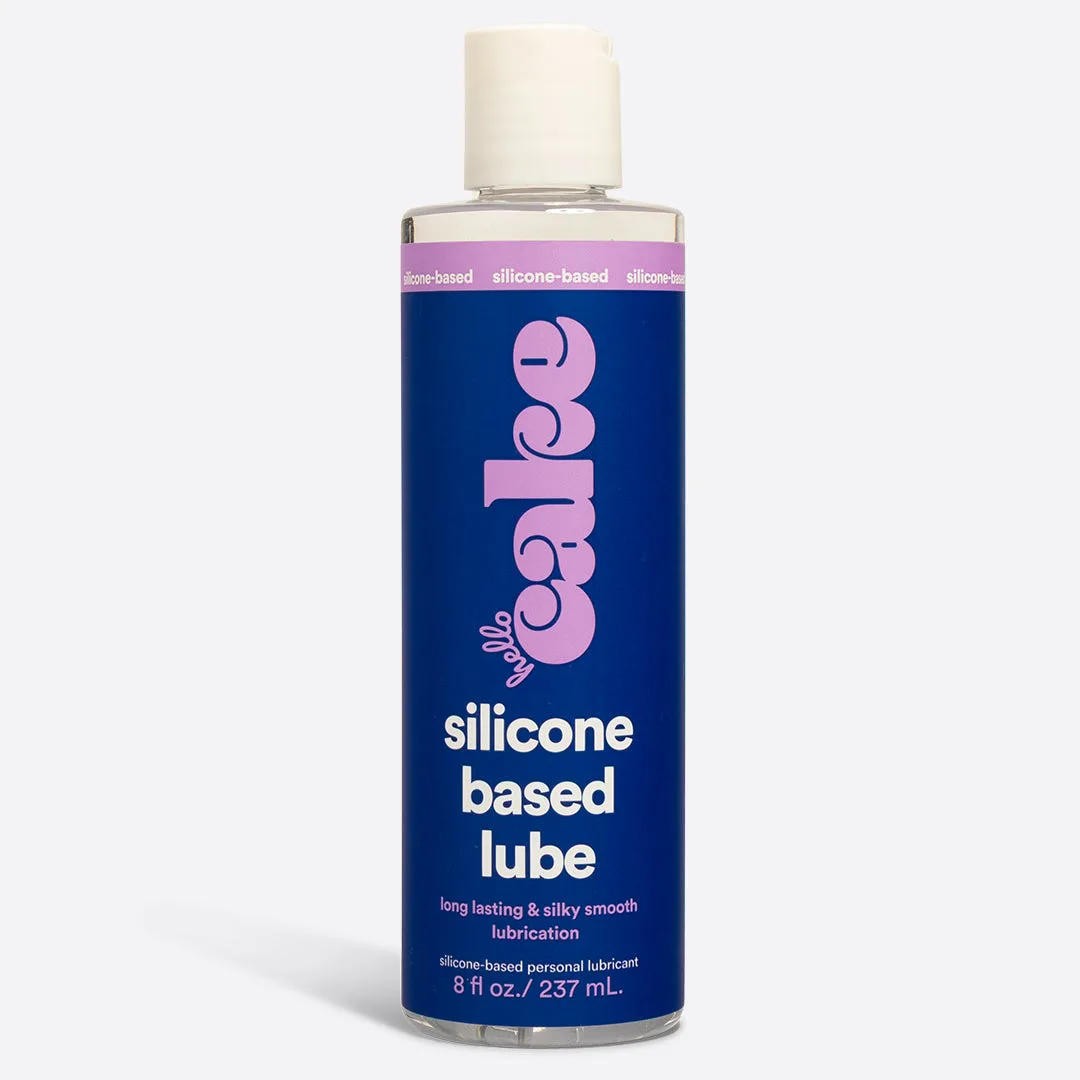
Silicone-Based Lube
- Water-based: easy to clean, condom-safe, toy-safe.
- Silicone-based: long-lasting, hypoallergenic, but not for silicone toys.
- Always check the ingredient list regardless of base type.
How to Choose the Right Lube for Your Needs
Start by identifying your primary concerns: Are you prone to infections? Do you have allergies to specific chemicals? Are you using condoms or toys? For everyday use with a partner, a gentle water-based lube is a versatile, safe bet. For solo play or anal use, a silicone-based lube can provide extra comfort and longevity.
If you enjoy flavored lubes, opt for those sweetened with natural ingredients like stevia or fruit extracts rather than artificial sweeteners. Our Vanilla Chai Lube uses a natural flavor profile that is less likely to cause irritation. For those who want a cooling or warming sensation, look for products with menthol or cinnamon oil in low concentrations, but test first. Always prioritize products with transparent labeling and third-party testing.
- For daily use: water-based with aloe and no glycerin.
- For long sessions: silicone-based hypoallergenic formula.
- For flavored fun: choose natural sweeteners and flavors.
Finding the perfect lubricant for sensitive skin doesn't have to be a guessing game. By understanding lube ingredients and knowing what to avoid, you can select a product that keeps you comfortable and confident. Start your journey with our Water-Based Lube, a gentle, hypoallergenic option designed for even the most delicate skin. Explore our full range of sensitive-friendly lubricants and discover the difference clean ingredients can make.