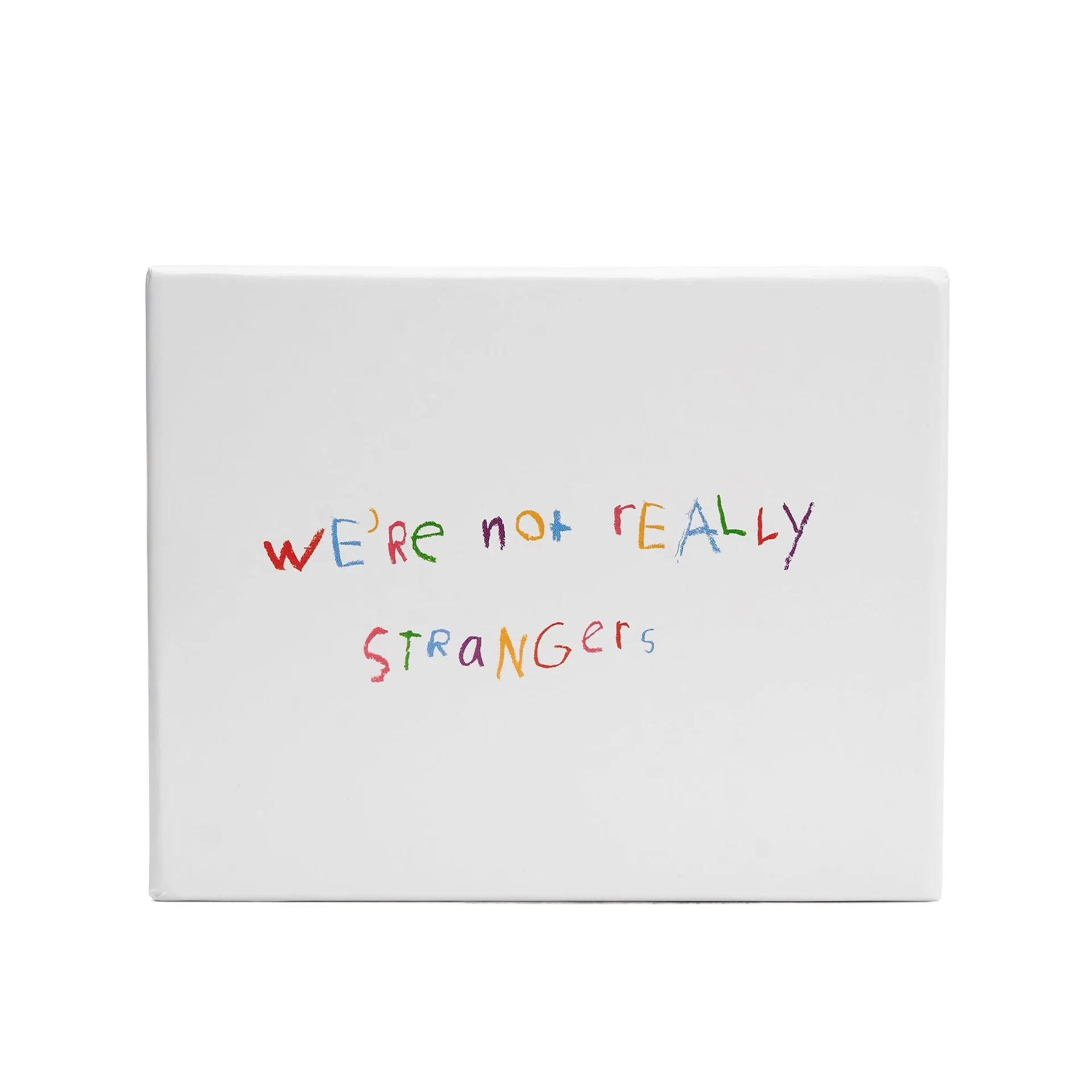
Game night has long been a staple of social gatherings, but the type of game you choose can dramatically shape the experience. Traditional board games like Monopoly, Scrabble, or Catan are designed around competition, strategy, and winning. Conversation card games, on the other hand, prioritize connection, vulnerability, and understanding. As more people seek meaningful interactions in an increasingly digital world, the debate between conversation card games vs board games has become more relevant than ever.
In this article, we'll compare these two categories across several dimensions—depth of connection, accessibility, replayability, emotional impact, and suitability for different social settings. Whether you're planning a date night, a family reunion, or a party with friends, understanding the strengths of each can help you choose the right game for the moment.
The Core Difference: Competition vs Connection
Board games thrive on competition. Players race to accumulate the most points, build the strongest empire, or eliminate opponents. This structure can create excitement, tension, and even laughter, but it rarely fosters deep emotional intimacy. Conversation card games flip the script entirely. They remove the win-lose dynamic and replace it with prompts that encourage sharing personal stories, exploring feelings, and building trust. For example, the Self Love Game is designed specifically to help players reflect on their own worth and share those reflections with others, creating a safe space for vulnerability.

Self Love Game
When comparing conversation card games vs board games for connection, the former clearly wins. A study on social bonding found that activities involving self-disclosure and active listening—hallmarks of conversation games—significantly increase feelings of closeness between participants. Board games can still be fun and social, but they rarely leave players feeling truly seen or understood.
- Conversation card games: focus on sharing, listening, and empathy
- Board games: focus on rules, strategy, and winning
- Choose conversation games when your goal is to deepen relationships
Accessibility and Learning Curve
One of the biggest barriers to board games is the learning curve. Many popular board games require reading a lengthy rulebook, understanding complex mechanics, and remembering numerous exceptions. This can be intimidating for new players or those who just want to relax. Conversation card games are refreshingly simple: draw a card, read the prompt, answer honestly. There are no turns to track, no points to tally, and no winners or losers. This makes them accessible to people of all ages and backgrounds.
For families, the Family Edition offers prompts tailored to different generations, making it easy for grandparents, parents, and kids to participate without confusion. Similarly, the Breakup Edition provides a guided format for navigating difficult emotions after a relationship ends, without the pressure of competition. In the conversation card games vs board games debate, accessibility is a clear advantage for card games, especially in mixed-age or mixed-experience groups.
- Board games often require 20-30 minutes to learn rules
- Conversation card games can be explained in under 2 minutes
- Great for impromptu gatherings or events with diverse attendees
Emotional Depth and Vulnerability
Board games rarely elicit deep emotional responses beyond frustration or triumph. Conversation card games, by design, invite players to share fears, dreams, regrets, and joys. This vulnerability is the engine of connection. When someone answers a prompt like 'What is something you've never told anyone at this table?' the room shifts—laughter may give way to silence, then to genuine empathy. This emotional depth is hard to replicate with dice and game pieces.
The Ick Edition takes a lighter approach, exploring the funny, awkward, and cringey quirks that make relationships interesting. It allows players to laugh together while still revealing personal preferences and boundaries. In the conversation card games vs board games comparison, the emotional range of conversation games is unmatched. They can make you laugh, cry, and think—all in one sitting.
- Conversation games create space for authentic emotional expression
- Board games rarely move beyond surface-level reactions
- Ideal for couples, close friends, or therapy groups
Replayability and Longevity
Board games often have high replayability because of variable setups, expansions, and strategies. However, conversation card games also offer strong replay value, especially when played with different people. The same prompt can yield completely different answers depending on the group dynamic, the mood, or the relationship between players. Additionally, many conversation card sets contain hundreds of prompts, ensuring that even repeated play feels fresh.
For those looking for a comprehensive experience, the Hard Launch Bundle combines multiple editions into one package, offering endless combinations of questions and activities. This bundle is perfect for couples who want to explore their relationship over time, revisiting prompts as they grow together. When weighing conversation card games vs board games for long-term use, both have merits, but conversation games excel in creating evolving, relationship-centered experiences.
- Board games: replayable through expansions and strategy variations
- Conversation card games: replayable through changing participants and life stages
- Consider bundling multiple editions for maximum variety
Social Settings and Group Dynamics
Different games suit different social contexts. Board games often work best in groups of 3-6 players who are comfortable with competition and have enough time for a full session. Conversation card games are more flexible—they can be played one-on-one, in small groups, or even in large circles where everyone takes turns. They also adapt well to different settings: a quiet coffee date, a family dinner, a road trip, or a virtual hangout over video call.
For parties with a mix of friends and strangers, conversation card games can serve as icebreakers that quickly build rapport. The E-Gift Card option allows recipients to choose their own conversation game, making it a thoughtful last-minute gift for hosts or friends. In the conversation card games vs board games debate, versatility and adaptability give card games the edge for modern, fast-paced social lives.
- Board games: best for scheduled, longer gatherings with consistent groups
- Conversation card games: ideal for spontaneous, intimate, or diverse settings
- Great for travel, dates, family reunions, and team-building events
Ultimately, the choice between conversation card games and board games depends on your intention. If you want to laugh, compete, and pass the time, a board game is a solid pick. But if you want to truly connect, understand, and bond with the people around you, conversation card games are unmatched. Start with the Self Love Game to explore your inner world, or bring the Family Edition to your next gathering. Whichever you choose, you're investing in something far more valuable than a win—you're investing in relationship.