When it comes to hearty, flavorful beans, two varieties often steal the spotlight in Southern and Latin kitchens: Creole red beans and Cuban black beans. Both are beloved for their versatility, but they bring distinctly different personalities to the table. Whether you're simmering a pot of red beans and rice or crafting a classic Cuban bowl, understanding the differences can elevate your cooking and nutrition choices.
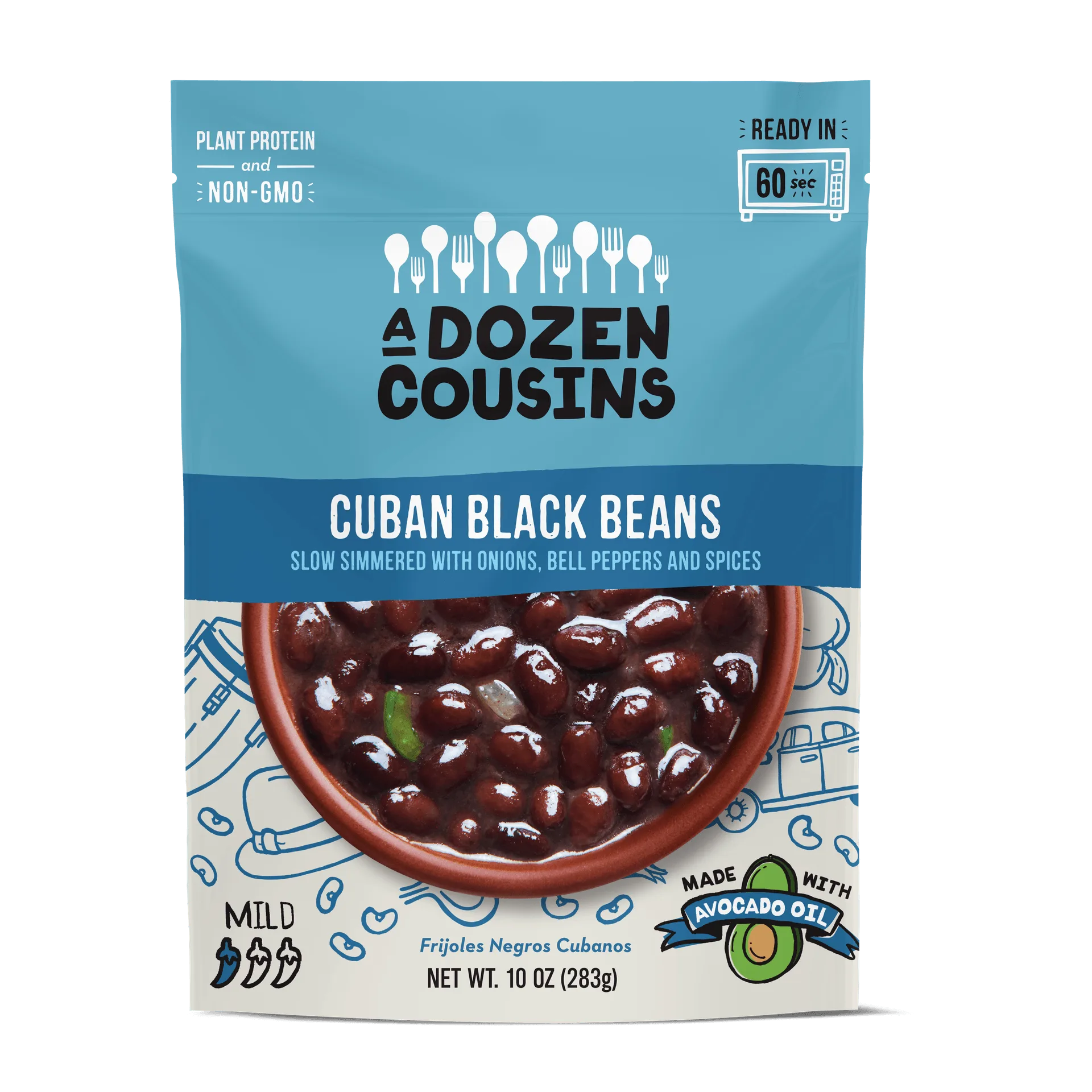
Cuban black beans
In this face-off, we'll break down the flavor profiles, textures, nutritional benefits, and best uses for Creole red beans versus Cuban black beans. Plus, we'll show you how pre-seasoned options like those from A Dozen Cousins can save you time without sacrificing taste.
Flavor Profile: Earthy Red vs. Rich Black
Creole red beans are known for their mild, earthy flavor with a slightly sweet undertone. They absorb spices beautifully, making them a staple in Louisiana-style dishes like red beans and rice, gumbo, and jambalaya. The bean's creamy texture when cooked pairs perfectly with smoky sausage, garlic, and thyme.
Cuban black beans, on the other hand, offer a deeper, more robust flavor with notes of earthiness and a hint of sweetness. They are often cooked with cumin, oregano, bay leaves, and a splash of vinegar or citrus, resulting in a savory, slightly tangy profile. Black beans hold their shape well but become velvety when simmered, making them ideal for soups, stews, and side dishes.
- Creole red beans: mild, slightly sweet, spice-absorbent, creamy texture
- Cuban black beans: deep, earthy, tangy with citrus, velvety when cooked
Texture and Cooking Behavior
Texture is where these two beans truly diverge. Red beans (typically kidney beans) have a firm skin and a soft, mealy interior when fully cooked. They hold up well to long simmering but can become mushy if overcooked. This makes them perfect for dishes where you want some bean integrity, like in a hearty stew.
Black beans have a thinner skin and a buttery, almost creamy interior. They break down more easily, which is why they are often used to create thick, luscious soups and refried preparations. Their natural starchiness helps thicken sauces without adding flour or cream.
- Red beans: firm skin, mealy interior, holds shape in stews
- Black beans: thin skin, creamy interior, breaks down for thick soups
Nutritional Comparison: Which Bean Packs More Punch?
Both beans are nutritional powerhouses, but they have subtle differences. Red beans are slightly higher in iron and folate, making them excellent for energy production and red blood cell health. A one-cup serving of cooked red beans provides about 15 grams of protein and 13 grams of fiber, along with significant amounts of potassium and magnesium.
Black beans edge ahead in fiber content, offering around 15 grams per cup, and are also rich in anthocyanins — antioxidants that give them their dark color and support heart health. They are slightly lower in calories than red beans but provide comparable protein levels. For those focused on gut health, black beans' high soluble fiber content can be particularly beneficial.
- Red beans: higher in iron and folate, 15g protein, 13g fiber per cup
- Black beans: higher in fiber (15g), rich in anthocyanins, slightly lower calories
Culinary Uses: From Gumbo to Moors and Christians
Creole red beans are the heart of Louisiana cooking. They shine in classic red beans and rice, often served on Mondays with smoked sausage and crusty bread. They also work well in chili, bean burgers, and even dips. Their ability to absorb bold spices makes them a favorite for Creole seasoning blends.
Cuban black beans are essential in Latin cuisine, especially in dishes like Moros y Cristianos (black beans and rice), Cuban black bean soup, and as a filling for tacos or burritos. They pair beautifully with citrus-marinated meats and plantains. For a quick, authentic meal, try using A Dozen Cousins' pre-seasoned Refried Black Beans — they deliver that classic flavor without hours of simmering.
- Creole red beans: red beans and rice, gumbo, chili, bean burgers
- Cuban black beans: Moros y Cristianos, black bean soup, tacos, burritos
Convenience Factor: Pre-Seasoned Beans for Busy Cooks
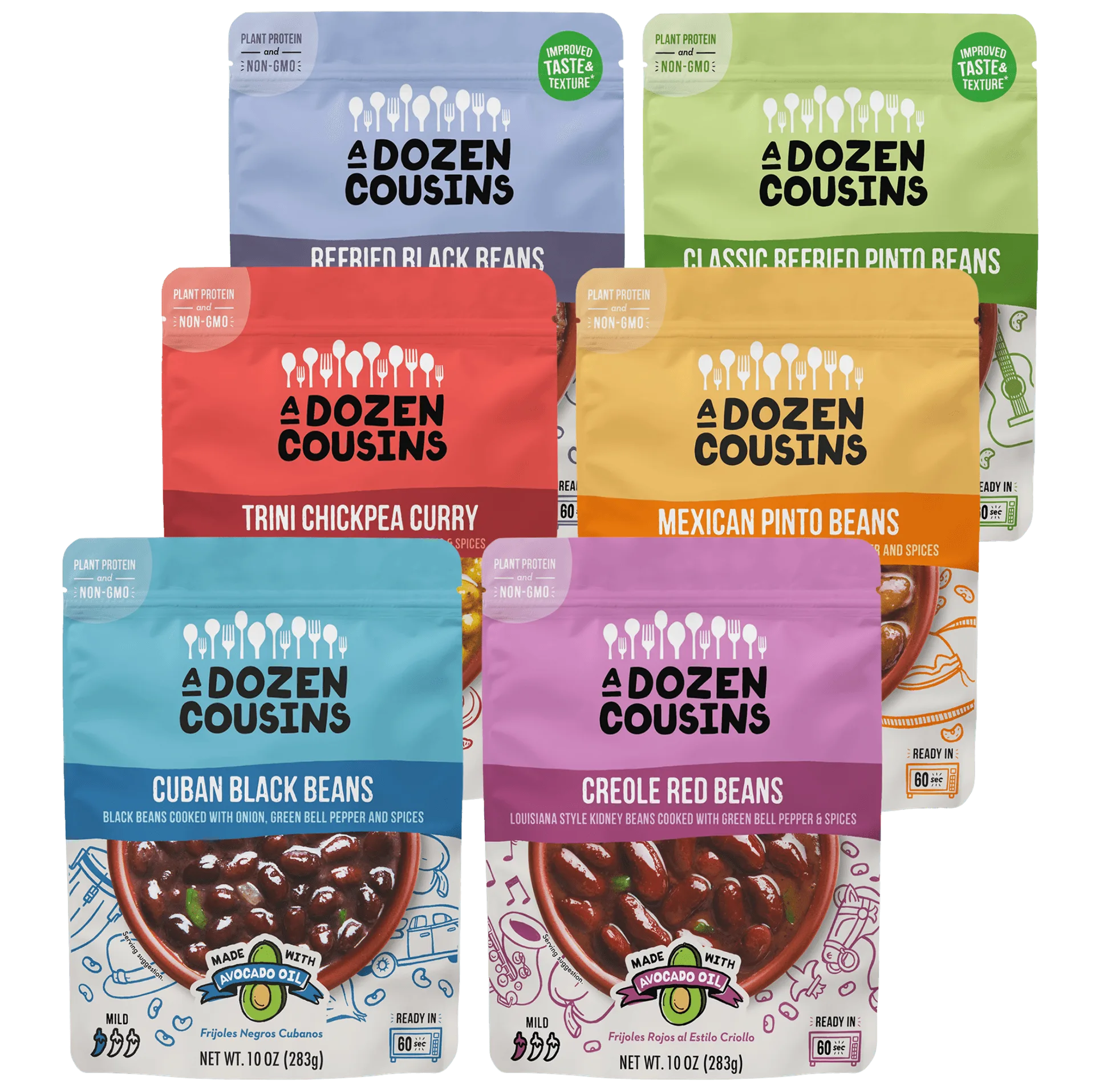
Both beans require soaking and long cooking times when dried, but pre-seasoned options have made enjoying them easier than ever. A Dozen Cousins offers a Bean Variety Pack (12 Pack) that includes both red and black beans, seasoned with authentic spices and ready to heat in minutes. This variety pack is perfect for meal preppers who want to explore both Creole and Cuban flavors without the prep work.
For those who love black beans specifically, the Refried Black Beans are a game-changer. They're creamy, flavorful, and perfect for quick tacos, bowls, or as a side. And if you're looking to build a complete meal, pair any of these beans with the Sea Salt - Rice Cooked in Bone Broth for a protein-rich, satisfying dish.
- Pre-seasoned beans save time and deliver authentic flavor
- Variety packs let you sample both Creole and Cuban styles
- Bone broth rice adds extra protein and nutrients to bean dishes
Whether you lean toward the earthy comfort of Creole red beans or the rich, velvety depth of Cuban black beans, both are excellent choices for flavor and nutrition. For a quick, authentic experience, try the Refried Black Beans from A Dozen Cousins — they bring the taste of Cuba straight to your table in minutes.