Few wardrobe frustrations rival the moment you pull on a fresh dark shirt only to discover a chalky white streak across the armpit. Or worse, you find a stubborn yellow stain that has set into a favorite white blouse after repeated wear. Deodorant stains are an almost universal annoyance, but they don’t have to ruin your clothes or your morning. Understanding what causes these marks and how to address them can save your wardrobe and keep you feeling fresh and confident.
Whether you use a traditional antiperspirant or a natural deodorant like The Glow Deo Daily Deodorant, the right care routine can prevent buildup and discoloration. In this guide, we’ll break down the science behind deodorant stains, share prevention tips, and offer step-by-step removal methods for both white marks and yellow discoloration. By the end, you’ll know exactly how to keep your clothes looking their best.
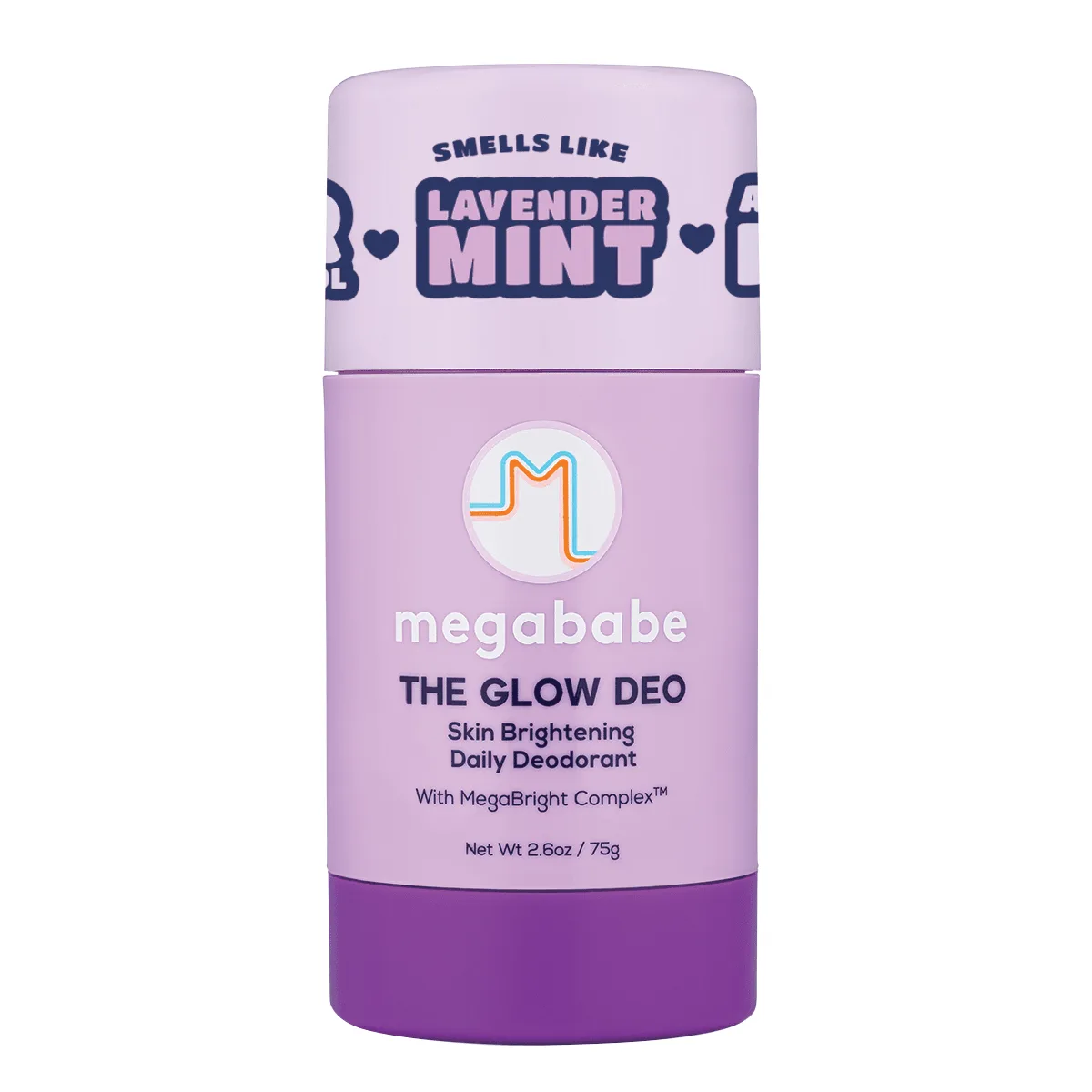
The Glow Deo Daily Deodorant
Why Deodorant Leaves White Marks and Yellow Stains
White marks are the most common and visible type of deodorant stain. They occur when the deodorant or antiperspirant formula dries on the fabric surface rather than being fully absorbed into your skin. Ingredients like aluminum zirconium, baking soda, or cornstarch can leave a powdery residue that clings to fibers. This is especially noticeable on dark-colored clothing and happens when you apply too much product or don’t let it dry before dressing.
Yellow stains are a different beast. They typically result from a chemical reaction between the aluminum compounds in antiperspirants and the proteins in your sweat. Over time, this reaction creates a yellowish discoloration that can become permanent if not treated. Even aluminum-free natural deodorants can cause yellowing due to sweat mixing with ingredients like baking soda or essential oils. The key is to address stains quickly and use the right removal techniques for each type.
- White marks are usually caused by excess product that hasn't dried before contact with fabric.
- Yellow stains develop from the interaction of aluminum salts and sweat proteins over multiple wears.
- Natural deodorants can also leave stains, especially if they contain baking soda or plant-based powders.
How to Prevent Deodorant Stains Before They Happen
Prevention is always easier than removal. One of the simplest steps is to apply deodorant sparingly. A single swipe or two is usually enough for all-day protection. Over-application not only wastes product but also increases the chance of residue transferring to your clothes. Let the deodorant dry completely for 30 to 60 seconds before putting on your shirt. This allows the formula to absorb into your skin rather than sit on the surface.
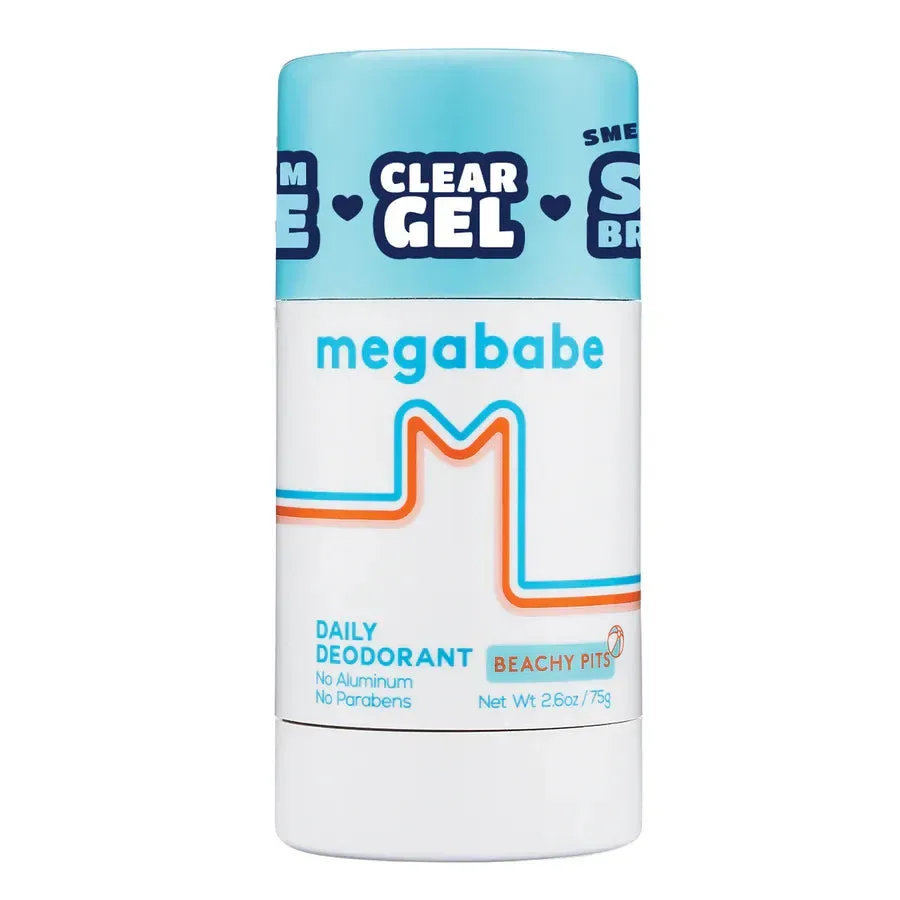
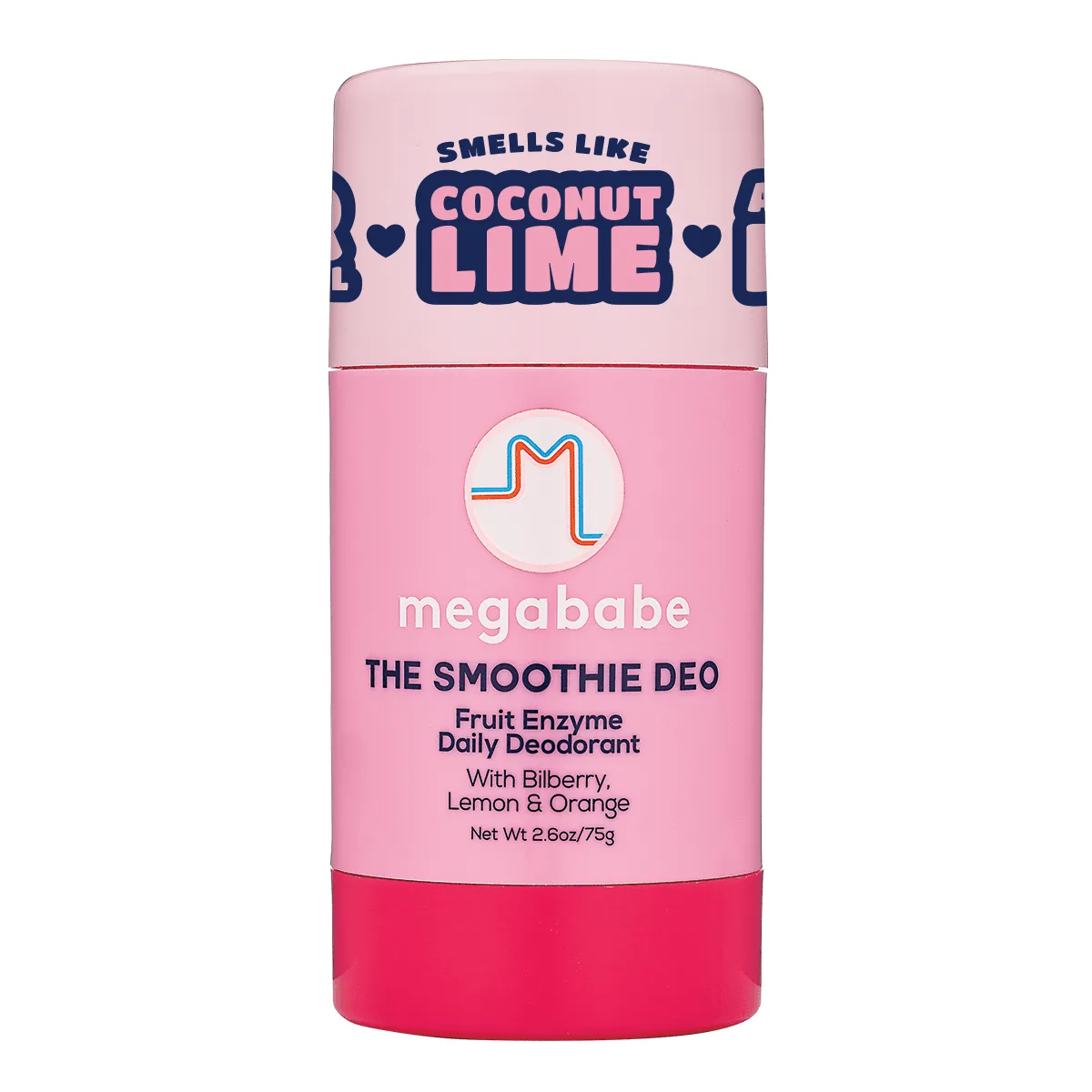
Choosing the right formula can also make a big difference. Many people find that switching to a clear gel or an aluminum-free stick reduces white marks significantly. For example, The Coco Deo offers a coconut oil-based formula that glides on smoothly and dries quickly, leaving minimal residue. If you prefer a solid stick, look for products labeled as “no white marks” or designed for dark clothing. Additionally, washing your underarm area before applying deodorant helps the product adhere better and reduces buildup on fabric.
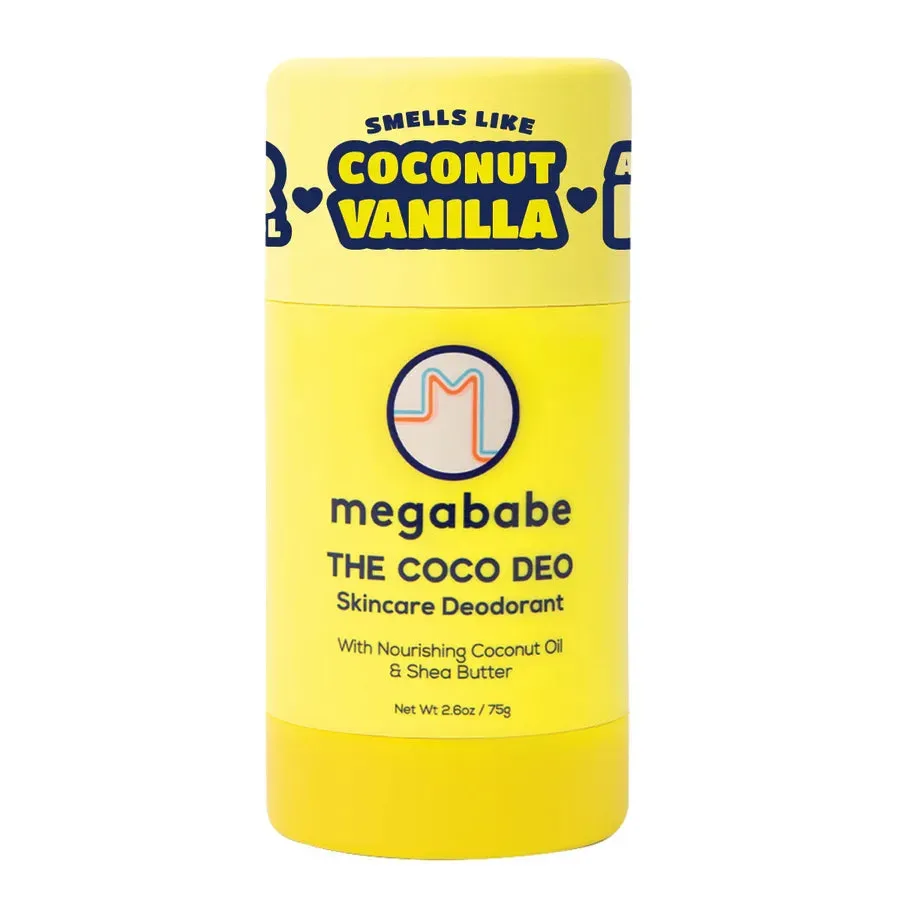
The Coco Deo
- Apply deodorant to clean, dry skin for better absorption and less residue.
- Wait at least 30 seconds after application before dressing to allow the product to dry.
- Consider using a clear gel or aluminum-free formula like The Coco Deo to minimize white marks.
How to Remove White Deodorant Marks from Clothes
White deodorant marks are usually easy to remove because they are surface-level. The quickest fix is to rub the area with a dry, clean cloth or even a pair of pantyhose. The friction lifts the powdery residue without damaging the fabric. If that doesn’t work, lightly dampen a cloth with white vinegar or rubbing alcohol and dab the stain. Test on an inconspicuous area first, especially on delicate fabrics like silk or rayon.
For stubborn white marks, a simple pre-treatment with liquid laundry detergent works wonders. Apply a small drop directly to the stain, gently rub the fabric together, and let it sit for 5 to 10 minutes before washing in warm water. If the stain persists, repeat the process or use a laundry stain remover. Avoid using hot water on fresh marks, as heat can set the residue deeper into the fibers. Always check the care label on your garment before applying any treatment.
- Rub the stain with a dry cloth or pantyhose to lift dry residue immediately.
- Use white vinegar or rubbing alcohol on a damp cloth for stubborn white marks.
- Pre-treat with liquid detergent and wash in warm water for best results.
How to Remove Yellow Deodorant Stains from White and Light-Colored Clothes
Yellow stains are more challenging because they are caused by a chemical reaction that bonds with the fabric. For white cotton shirts, a paste made from baking soda and hydrogen peroxide is a powerful natural remedy. Mix three parts baking soda with one part hydrogen peroxide to form a paste, apply it to the stain, and let it sit for 30 minutes. Then wash as usual. This combination helps break down the aluminum-sweat compounds and lift the yellow discoloration.
Another effective method is to soak the garment in a solution of warm water and oxygen-based bleach, such as OxiClean, for several hours or overnight. Always follow the product instructions and test on a hidden area first. For delicate fabrics, consider using a gentle enzyme cleaner or a specialized stain remover. Remember that heat from a dryer can set yellow stains permanently, so always air-dry treated garments until you confirm the stain is gone. If you’re looking for a deodorant that minimizes yellowing, The Glow Deo Daily Deodorant is formulated with skin-friendly ingredients that are less likely to cause stubborn discoloration.
- Create a baking soda and hydrogen peroxide paste for white cotton stains.
- Soak in oxygen-based bleach solution for several hours to lift set-in yellow marks.
- Avoid machine drying until the stain is completely removed to prevent setting.
When to Replace Your Deodorant or Adjust Your Routine
If you find yourself constantly battling stains despite following prevention tips, it may be time to reconsider your deodorant choice. Some formulas are simply more prone to leaving residue. Aluminum-free and natural deodorants often have a different texture that can feel heavier on the skin, but they are less likely to cause yellowing over time. Products like The Coco Deo use coconut oil and shea butter as a base, which absorbs quickly and leaves minimal residue on clothing.
Your application technique matters too. If you apply deodorant right after a shower when your skin is still damp, the product may not dry properly and can transfer to clothes. Pat your underarms dry first. Also, consider using a deodorant that offers a balanced formula with gentle ingredients. For those who sweat heavily, a clinical-strength formula might be necessary, but you can still find options that are stain-friendly. If stains are a persistent issue, you might also try a deodorant spray or a clear gel for a lighter application.
- Switch to a clear gel or aluminum-free formula if white marks are a recurring problem.
- Apply deodorant to completely dry skin to improve absorption and reduce residue.
- Consider a spray or stick with a lighter texture for less transfer to clothing.
Deodorant stains don’t have to be a permanent part of your wardrobe. With the right prevention habits and a few simple removal techniques, you can keep your clothes looking fresh and stain-free. Whether you choose a natural option like The Coco Deo or a daily favorite like The Glow Deo Daily Deodorant, the key is to apply thoughtfully and treat stains promptly. Explore Megababe’s full range of deodorants to find the perfect match for your skin and your wardrobe.