As more parents become aware of their environmental footprint, the demand for eco-friendly baby products is soaring. Sustainable parenting isn't just a trend—it's a mindful choice that benefits both your little one and the planet. From feeding essentials to nursery must-haves, today's eco-conscious families are seeking out materials that are safe, durable, and biodegradable. In this article, we'll explore the latest trends in sustainable baby gear and share actionable tips for building a greener nursery and daily routine.
Whether you're a first-time parent or adding to your family, making sustainable choices can feel overwhelming. But with a few key swaps and an understanding of what to look for, you can create a healthy, eco-friendly environment for your baby. Let's dive into the materials, products, and habits that define sustainable parenting in 2025.
Why Choose Eco-Friendly Baby Products?
Eco-friendly baby products are designed with both your child's health and the environment in mind. Unlike conventional plastics that may contain harmful chemicals like BPA, phthalates, and PVC, sustainable alternatives use natural, non-toxic materials. This reduces your baby's exposure to potentially hazardous substances while also minimizing waste. Products made from natural rubber, organic cotton, or food-grade silicone are not only safer but often more durable, meaning fewer replacements and less landfill contribution.
Beyond health benefits, choosing sustainable products supports ethical manufacturing practices. Many eco-friendly brands prioritize fair labor, renewable energy, and minimal packaging. By voting with your wallet, you encourage the industry to move toward greener standards. From the FRIGG Little Viking Natural Rubber Pacifier 2-Pack to the https://nexkind.shop/products/extra-soft-muslin-crib-sheet-2-pack-92174Extra Soft Muslin Crib Sheet - 2 Pack, these items exemplify how thoughtful design can merge safety, style, and sustainability.
- Reduces plastic waste and chemical exposure
- Supports ethical and transparent production
- Often more durable, saving money over time
Top Materials in Sustainable Baby Gear
Natural rubber is a standout material in eco-friendly baby products. Harvested from rubber trees, it is biodegradable, renewable, and naturally antimicrobial. Pacifiers and teethers made from natural rubber are soft yet resilient, making them ideal for soothing gums. The FRIGG Little Viking Natural Rubber Pacifier 2-Pack is a perfect example, offering a classic design with an eco-conscious twist. Unlike silicone, natural rubber has a slight tackiness that babies often find comforting, and it breaks down naturally at the end of its life cycle.
Silicone is another popular choice, especially for feeding items and toys. While not biodegradable, high-quality food-grade silicone is extremely durable and can be recycled through specialized programs. It is non-porous, easy to clean, and free from common toxins. The Suction Spinner Ball combines silicone with interactive play, helping toddlers develop fine motor skills while remaining safe for mouthing. For nurseries, organic cotton muslin sheets are a breathable, chemical-free option that gets softer with each wash.
- Natural rubber: biodegradable, soft, antimicrobial
- Food-grade silicone: durable, non-toxic, easy to clean
- Organic cotton: breathable, chemical-free, gentle on skin
Trending Eco-Friendly Baby Products in 2025
This year, parents are gravitating toward multi-functional products that reduce clutter and waste. Suction toys like the HexaPop Suction Toy keep little ones entertained during mealtime without batteries or plastic parts. Similarly, silicone lunchboxes and training chopsticks are replacing single-use plastics in toddler feeding routines. These items are built to last through years of use and can be passed down to siblings or friends.
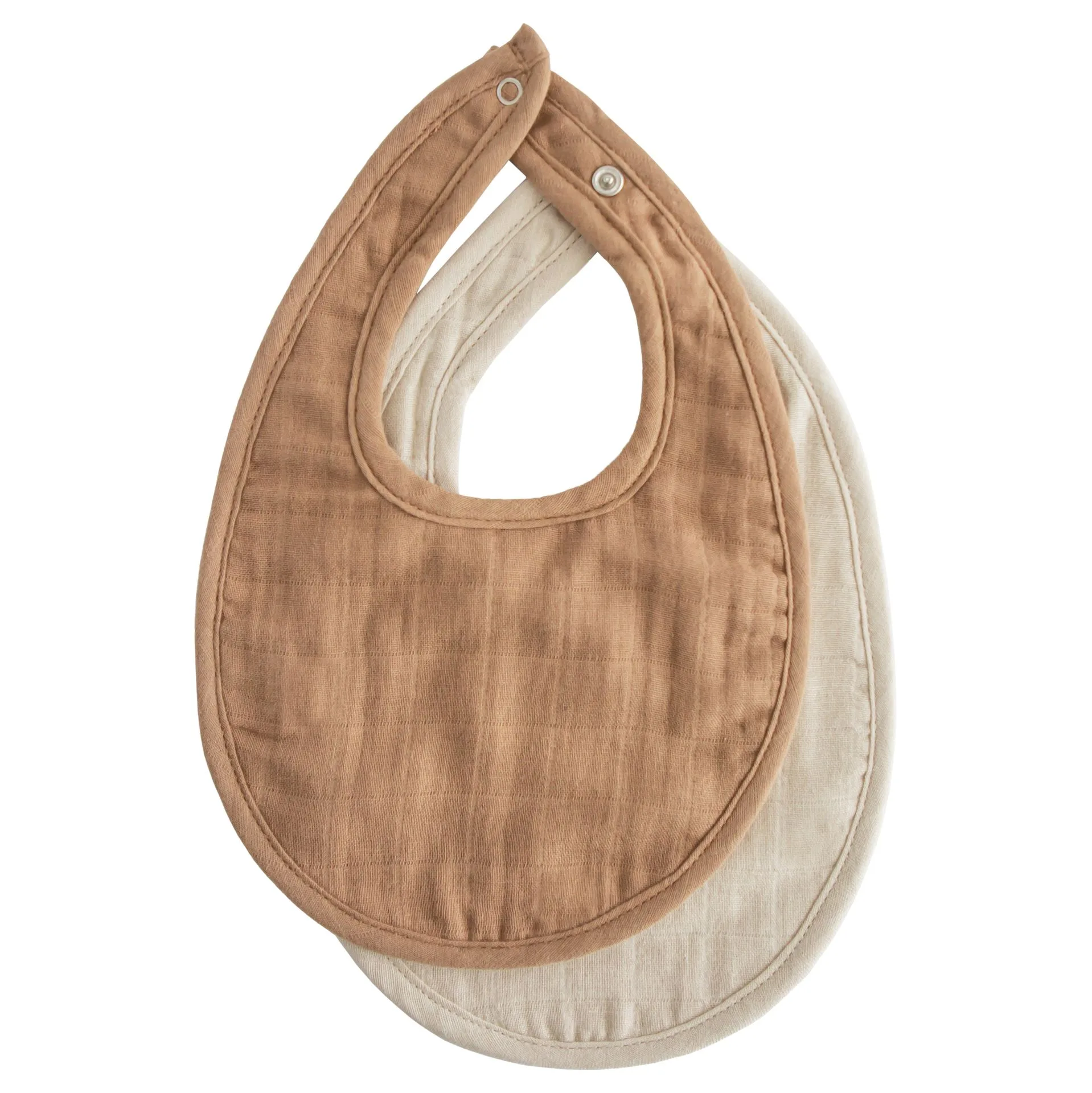
Another rising trend is the use of natural fibers in baby accessories. The Bear Poncho Towel, made from organic cotton or bamboo blends, offers a cozy post-bath wrap that is both absorbent and sustainable. In the nursery, the Extra Soft Muslin Crib Sheet - 2 Pack provides a soft, breathable sleeping surface free from synthetic dyes. Parents are also investing in reusable diaper systems, wooden toys, and glass feeding bottles to further reduce their ecological impact.
- Multi-functional toys like suction spinners reduce waste
- Organic cotton and bamboo towels for bath time
- Reusable and durable feeding gear cuts down on disposables
Tips for Building a Sustainable Baby Registry
When creating a baby registry, focus on quality over quantity. Choose items that will last through multiple stages of development. For example, a Shape Sorting Box made from sustainably sourced wood provides years of educational play. Opt for natural rubber pacifiers and teethers, like the FRIGG Little Viking Natural Rubber Pacifier 2-Pack, which are both safe and biodegradable. Avoid trendy single-use items that will quickly end up in the trash.
Consider second-hand or hand-me-down options for larger gear like cribs, strollers, and high chairs. These items are often built to last and can be thoroughly cleaned. When buying new, look for certifications like GOTS (Global Organic Textile Standard) for textiles or FSC (Forest Stewardship Council) for wood products. Finally, communicate your preferences to friends and family—many will be happy to support your eco-friendly choices.
- Prioritize durable, multi-stage toys and gear
- Embrace second-hand for big-ticket items
- Look for eco-certifications like GOTS and FSC
Embracing eco-friendly baby products is a rewarding journey that benefits your child, your family, and the planet. By choosing natural materials and sustainable brands, you're setting a positive example for the next generation. Start your sustainable parenting journey today by exploring the FRIGG Little Viking Natural Rubber Pacifier 2-Pack, a safe and planet-friendly choice for your little one.