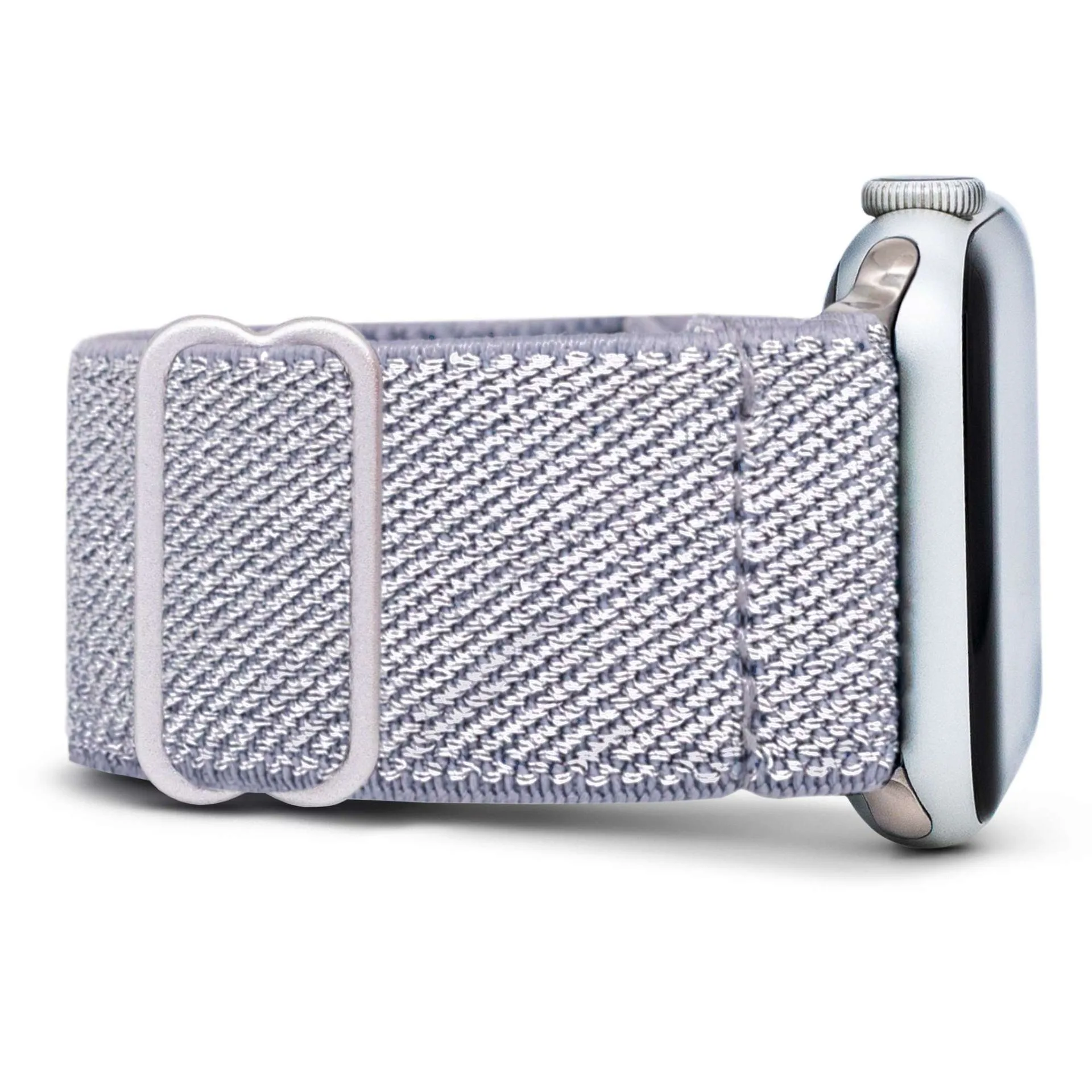
When organizing your office, tackling a DIY project, or even securing items for shipping, you've likely reached for a stretchy band without a second thought. But not all stretchy bands are created equal. The classic rubber band and the woven elastic band serve distinct purposes, and choosing the wrong one can lead to frustration, breakage, or a failed project. Understanding the differences between elastic bands vs. rubber bands is essential for getting the best results, whether you're bundling documents, crafting jewelry, or securing a package.
In this guide, we'll break down the key differences in material, durability, stretch, and best-use scenarios. By the end, you'll know exactly which band to reach for every time.
What Are Rubber Bands?
Rubber bands are made from natural rubber (latex) or synthetic rubber compounds. They are typically extruded into a continuous loop and then cut to size. Their defining characteristics include high elasticity (they can stretch to several times their original length) and a strong snap-back when released. Rubber bands are widely used for bundling, securing, and tension applications, such as holding a stack of papers together or keeping a lid on a container.
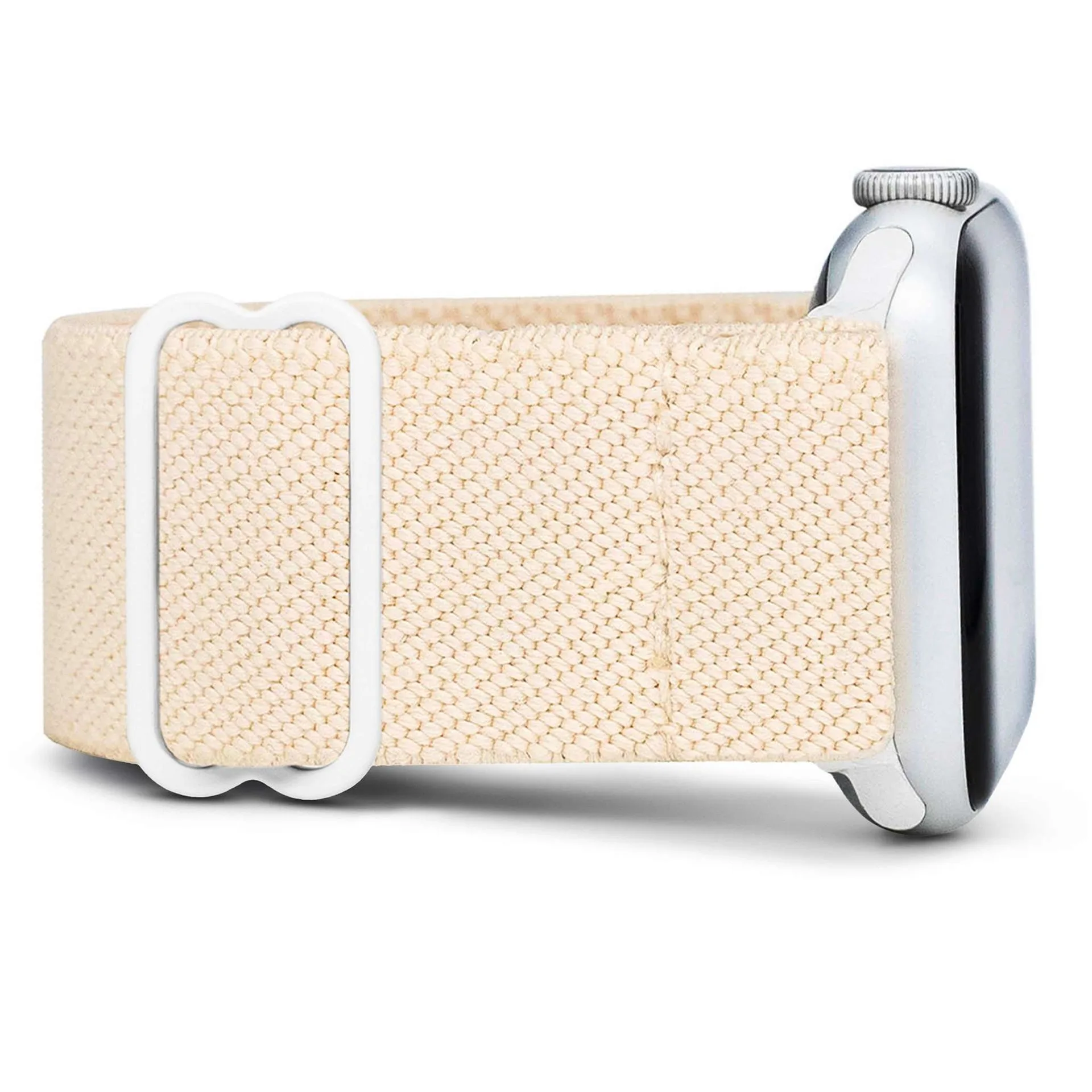
natural
Key Properties of Rubber Bands
- Material: Natural latex or synthetic rubber.
- Stretch: High elongation (often 500% to 700% of original length).
- Recovery: Excellent snap-back (returns to original shape quickly).
- Durability: Susceptible to heat, UV light, and ozone (can become brittle or sticky over time). Allergic reactions to latex are possible.
- Texture: Smooth, non-woven surface.
What Are Elastic Bands?
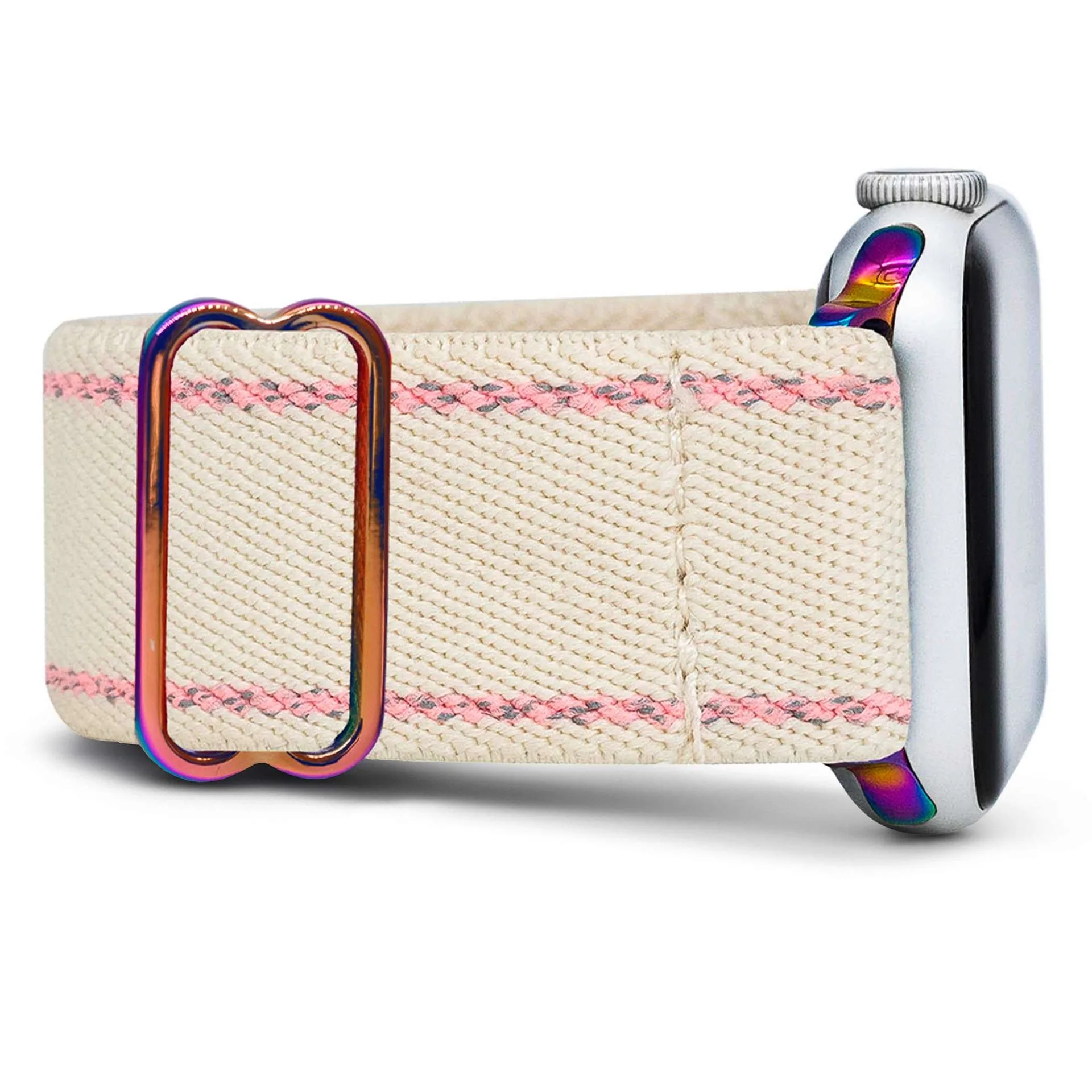
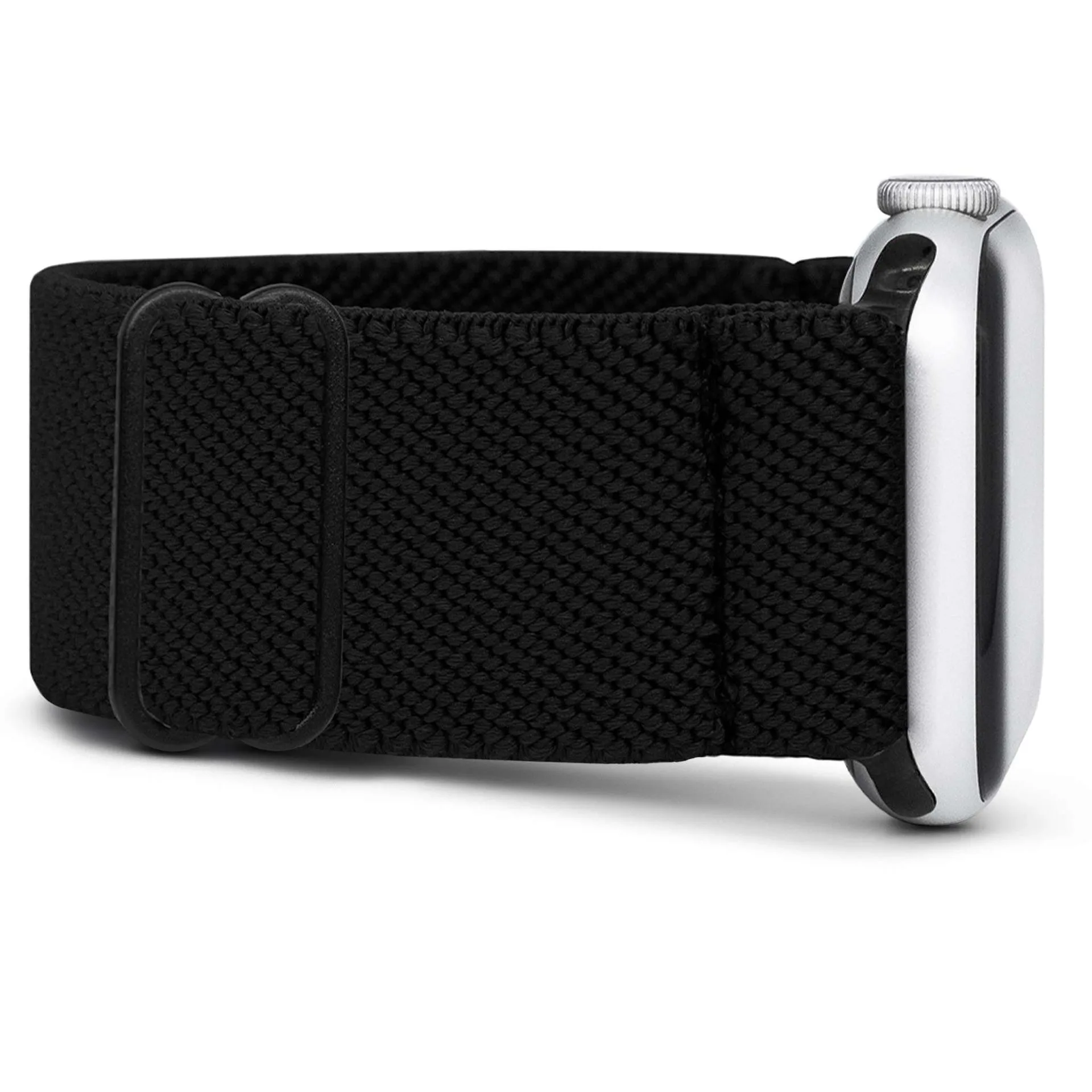
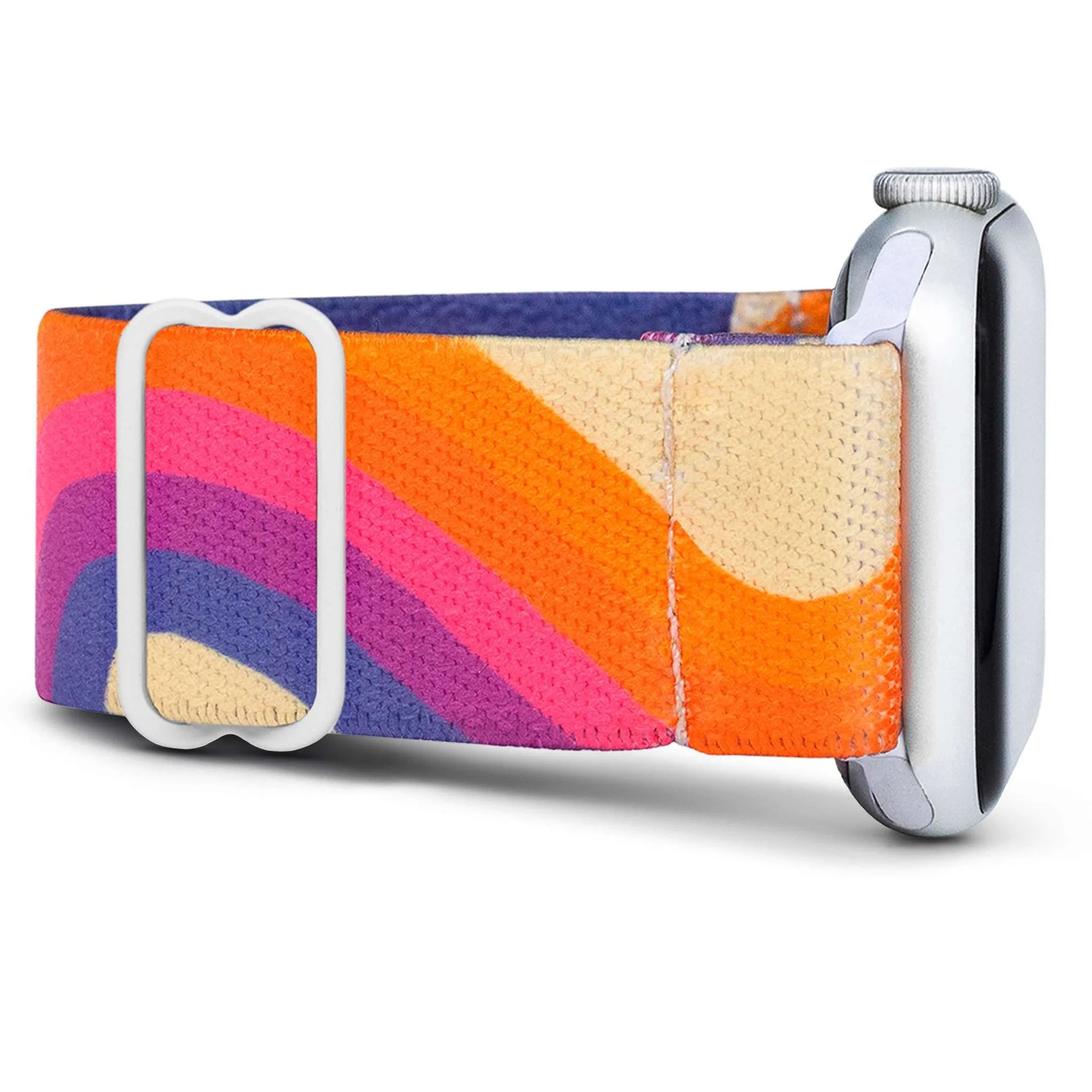
Elastic bands—often called woven elastic or braided elastic—are made from a core of rubber threads (typically natural or synthetic) wrapped in a woven or braided fabric cover (cotton, polyester, or nylon). This construction gives them a softer, more fabric-like feel. They are available in various widths and stretch levels, from lightweight to heavy-duty. Elastic bands are commonly used in sewing, apparel, and crafting projects where a gentle, consistent hold is needed without the aggressive snap of a rubber band.
Key Properties of Elastic Bands
- Material: Rubber core with a woven fabric cover (cotton, polyester, nylon).
- Stretch: Moderate to high (typically 100% to 300%). Less snap than rubber bands.
- Recovery: Good, but slower than rubber bands. May lose elasticity over time if overstretched.
- Durability: More resistant to heat and UV than bare rubber bands. Fabric cover protects the core.
- Texture: Soft, fabric-like, available in many colors and patterns.
Head-to-Head Comparison: Elastic Bands vs. Rubber Bands
Feature
Rubber Bands
Elastic Bands
Material composition
Natural or synthetic rubber (latex)
Rubber core + woven fabric cover
Stretch capacity
High (500%–700%)
Moderate to high (100%–300%)
Snap-back speed
Very fast
Slow to moderate
Durability (heat/UV)
Poor (degrades quickly)
Good (fabric protects)
Allergen risk
High (latex allergy common)
Low (core encased in fabric)
Texture
Smooth, grippy
Soft, fabric-like
Best uses
Bundling, tension, industrial
Sewing, crafting, gentle hold
Price
Very low
Low to moderate
When to Use Rubber Bands
Rubber bands excel in situations that require high tension, quick recoil, and a tight grip. They are ideal for:
- Office bundling: Holding together stacks of papers, envelopes, or pens.
- Shipping and storage: Securing boxes, jars, or containers.
- Tension applications: Creating force for model airplanes, slingshots, or mechanical components.
- Temporary fixes: Holding a broken handle or lid closed in a pinch.
However, avoid using rubber bands in hot, sunny, or ozone-rich environments (like near motors or electronics), as they will degrade quickly. Also, be mindful of latex allergies—choose synthetic rubber bands if needed.
When to Use Elastic Bands
Elastic bands are the better choice for projects that require a gentle, consistent, and comfortable hold. They are the go-to for:
- Sewing and apparel: Waistbands, cuffs, masks, and headbands.
- Crafting: Jewelry making, hair ties, and DIY fabric projects.
- Organization: Wrapping cables, securing folders, or bundling items without damaging them.
- Braces and supports: Orthodontic elastics or light medical support (with proper materials).
Because the fabric cover protects the rubber core, elastic bands last longer in sunlight and heat. They also come in a wide range of colors and widths, making them perfect for decorative or personalized projects.
Key Differences Summarized
To quickly decide which band you need, consider these three factors:
- Stretch and snap: If you need maximum stretch and instant recoil, choose a rubber band. If you need controlled, gentle stretch, choose an elastic band.
- Environment: For outdoor or high-heat use, elastic bands are more durable. For indoor, low-stress use, rubber bands are fine.
- Allergies and comfort: If latex allergies are a concern, or you want a soft feel against skin, elastic bands are the safer, more comfortable option.
Final Thoughts: Which One Should You Choose?
The answer depends entirely on your project. For heavy-duty bundling or temporary fixes, rubber bands are cheap and effective. For sewing, crafting, or any application where a soft, fabric-like feel is important, elastic bands are the superior choice. If you're working on a project that requires a consistent, non-slip grip without the risk of snapping—such as organizing cables or creating custom bracelets—elastic bands offer the reliability you need.
At Braxley Bands, we offer a curated selection of elastic bands designed for both everyday organization and creative projects. Whether you need a lightweight option for simple bundling or a durable choice for demanding crafts, our collection has you covered. Browse our range and find the perfect band for your next project today.