When it comes to your footwear, the laces you choose can make or break your experience. For years, regular cotton or polyester laces have been the default, but elastic shoelaces—especially no-tie systems—are rapidly gaining popularity among runners, hikers, and casual wearers alike. In this detailed comparison, we’ll break down the key differences between elastic and regular shoelaces, focusing on comfort, performance, durability, and convenience. By the end, you’ll know which option is best for your active lifestyle.
Understanding the Basics: Elastic vs. Regular Laces
Regular laces are typically made from woven cotton, polyester, or nylon. They are static: once tied, they hold tension but don’t stretch. Elastic shoelaces, on the other hand, incorporate rubber or elastane fibers that allow them to expand and contract with your foot’s movements. No-tie versions, like the Lace Anchors® 2.0, use a locking mechanism to keep laces snug without tying. This fundamental difference leads to major variations in comfort and performance.
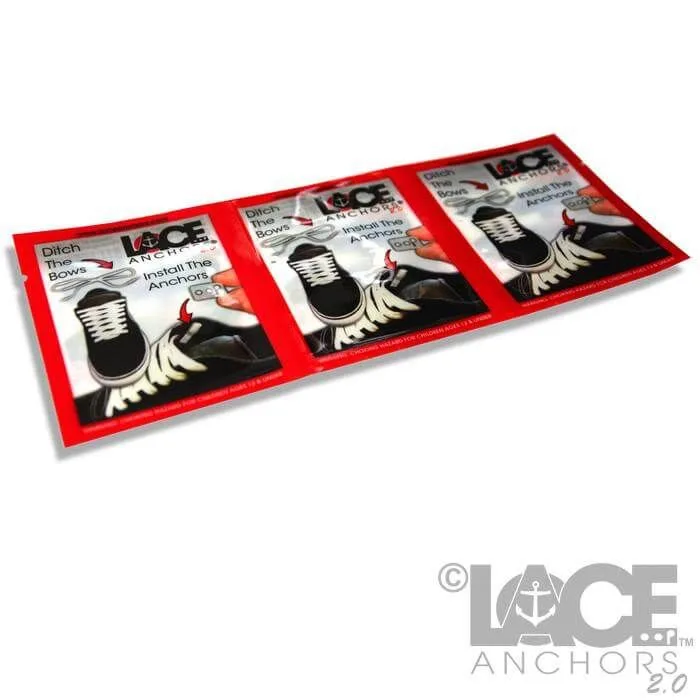
Lace Anchors® 2.0
Comfort: How Elastic Laces Reduce Pressure Points
Runners often complain about laces becoming too tight during a long run or too loose after a few miles. Elastic laces solve this by providing a consistent, gentle grip that adapts to foot swelling. Because they stretch, they eliminate pressure points on the top of your foot, reducing the risk of lace bite and blisters. This is especially beneficial for long-distance runs or all-day wear. In contrast, regular laces can dig in if tied too tightly, causing discomfort and circulation issues.
For everyday use, elastic laces also make slipping shoes on and off effortless. You never have to retie them, which saves time and reduces wear on the lace material. Many users find that elastic laces make shoes feel like slippers—supportive yet flexible.
Performance: Why No-Tie Laces Excel for Running
Performance-wise, elastic shoelaces offer a distinct edge for athletes. The key benefit is that they maintain a constant tension, which improves foot stability inside the shoe. This reduces micro-movements that can lead to blisters or calluses. Additionally, because they don’t come undone, there’s zero risk of tripping over a loose lace during a sprint.
For trail runners or those who switch between activities, no-tie systems like the Original No-Tie Lacing System Lace Anchors® provide a secure lock that stays in place even on uneven terrain. Regular laces, while reliable when tied tightly, can loosen over time and require periodic adjustment—a nuisance mid-run.
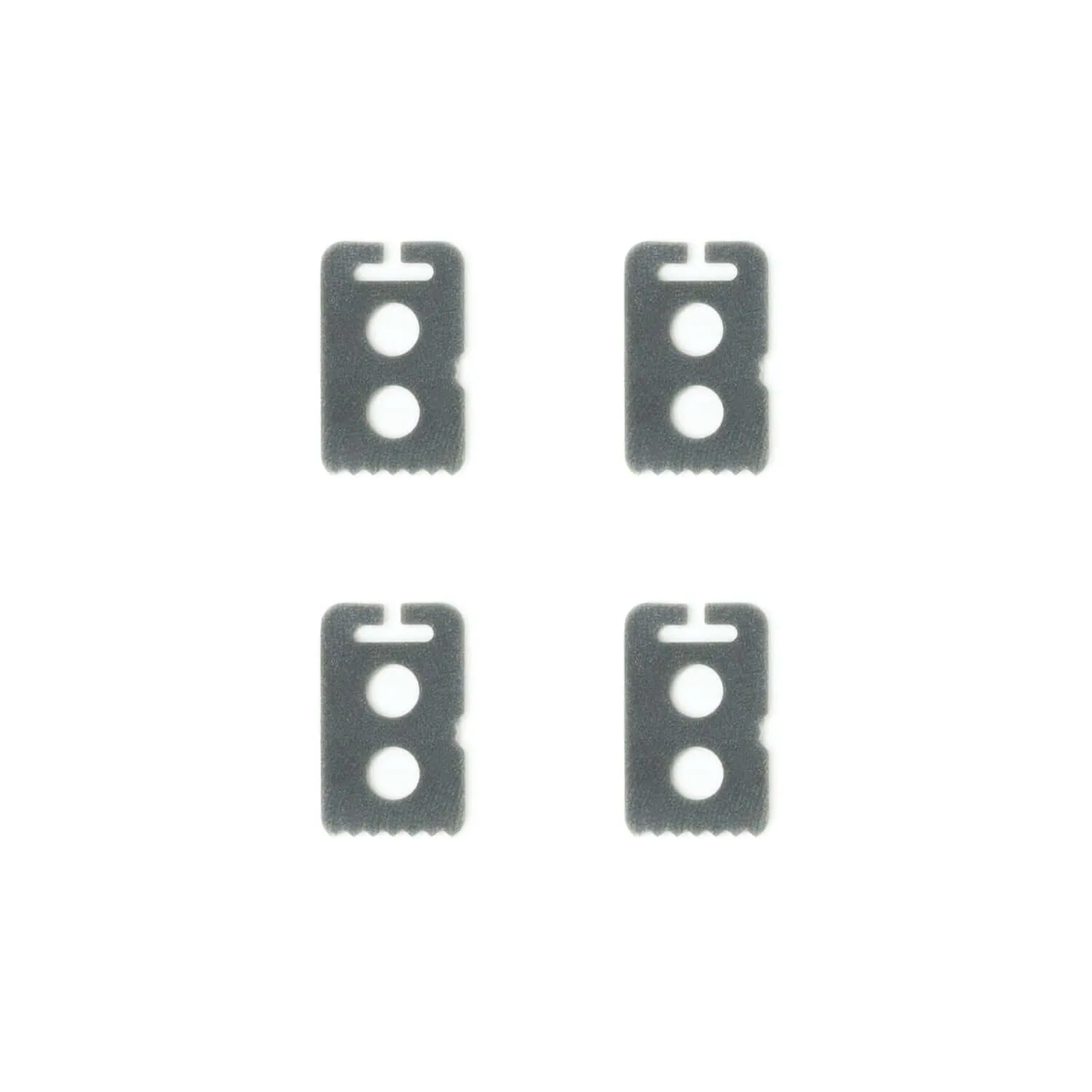
Original No-Tie Lacing System Lace Anchors®
Durability and Maintenance
Elastic laces are typically made from stronger, braided materials that resist fraying and stretching out of shape. Many are also washable, making them easy to clean after muddy runs. Regular laces, especially cotton ones, can absorb moisture and become brittle over time. However, high-quality synthetic regular laces can last just as long if cared for properly.
One trade-off: elastic laces may lose their elasticity after extended use (1–2 years, depending on quality), while regular laces can be replaced cheaply. But for those who prioritize convenience, the longevity of a well-made elastic system is worth the investment.
Convenience: The No-Tie Advantage
The biggest selling point of elastic shoelaces is the “set it and forget it” convenience. Once installed and adjusted to your preferred tightness, you never need to tie them again. This is a game-changer for people with limited hand mobility, parents with young children, or anyone who hates stopping to retie laces. Regular laces require tying every time you put on shoes, which can be a minor annoyance throughout the day.
For athletes, this convenience translates to faster transitions during triathlons or gym sessions. No more fumbling with wet or sweaty laces. Simply slip your shoes on and go.
How to Choose the Best Option for Your Needs
Your choice ultimately depends on your primary activity. Here’s a quick guide:
- For runners and athletes: Elastic no-tie laces (e.g., Lace Anchors® 2.0) improve performance and comfort. They reduce distractions and allow your foot to move naturally.
- For casual daily wear: Both options work, but elastic laces offer unmatched convenience. If you prefer the classic look of tied laces, stick with regular ones.
- For hiking or rugged use: Choose heavy-duty elastic laces with strong locks. Regular laces can be fine if you double-knot them, but elastic ones reduce the risk of tripping.
- For kids or seniors: Elastic laces are a no-brainer—they simplify dressing and reduce frustration.
If you’re unsure, try starting with one pair of elastic laces. Many users find they never go back to tying.
Real-World User Experiences
We asked several runners and everyday users to compare elastic and regular laces. Here’s what they said:
User Type
Elastic Laces
Regular Laces
Marathon Runner
“No pressure points, no lace loosening. Perfect for 26.2 miles.”
“Had to retie twice during race—annoying.”
Casual Walker
“Love being able to just slip shoes on. Saves time.”
“Fine, but takes extra step every morning.”
Trail Hiker
“Stays secure even on steep descents.”
“Kept coming undone—had to stop and retie.”
As the table shows, elastic laces consistently earn high marks for comfort and convenience, while regular laces are preferred by those who want a traditional feel and don’t mind tying.
Conclusion: Which Should You Buy?
In the elastic shoelaces vs. regular laces debate, the winner depends on your priorities. If you value comfort, performance, and convenience—especially for running or active use—elastic no-tie laces are clearly superior. They reduce discomfort, eliminate retying, and adapt to your foot’s natural shape. For those who prefer the classic look or don’t mind a few extra seconds each day, regular laces remain a perfectly fine choice.
We recommend trying a high-quality elastic system like the Lace Anchors® 2.0 to experience the difference firsthand. Many users report immediate improvements in comfort during long runs and all-day wear. Pair them with your favorite shoes and enjoy the freedom of no-tie convenience.
Ready to Upgrade Your Laces?
If you’re ready to make the switch, explore our selection of elastic no-tie lacing systems. The Lace Anchors® 2.0 is our top pick for runners and active individuals. It combines durability, easy adjustability, and a sleek design that fits any shoe. Give your feet the comfort they deserve—visit our store today and find your perfect fit!