When you think about household waste, hair clogs probably aren't the first thing that comes to mind. Yet every year, millions of pounds of hair, soap scum, and chemical drain cleaners flow into landfills and waterways, creating a surprisingly large environmental burden. The simple act of preventing a clogged drain can have a significant positive impact on the planet.
In this article, we explore the hidden environmental cost of hair clogs, why traditional unclogging methods are wasteful, and how using a reusable drain protector like the TubShroom can be a simple, eco-friendly solution that reduces waste in your home.
The Hidden Environmental Cost of Hair Clogs
Hair clogs are one of the most common plumbing issues in households, but their environmental impact extends far beyond the inconvenience of a slow drain. When hair and soap scum accumulate in pipes, they often require harsh chemical cleaners or excessive water usage to clear. These chemicals can leach into groundwater, harm aquatic life, and contribute to water pollution. Additionally, the plastic packaging from chemical drain cleaners adds to the growing plastic waste crisis.
Moreover, when hair clogs are left untreated, they can lead to pipe damage that requires replacement—another source of construction waste. The energy and resources used to manufacture, transport, and dispose of plumbing materials also add to your home's carbon footprint. By addressing clogs at the source, you can prevent this chain of environmental harm.
- Chemical drain cleaners contain toxic ingredients that persist in waterways.
- Plastic bottles from drain cleaners contribute to landfill waste.
- Pipe repairs or replacements generate construction debris.
How Traditional Unclogging Methods Increase Waste
Most people reach for a bottle of liquid drain cleaner or a disposable drain snake when faced with a clog. While these methods may seem convenient, they are far from sustainable. Liquid drain cleaners are typically sold in single-use plastic bottles, and their chemical formulas often contain sodium hydroxide or sulfuric acid, which can corrode pipes and harm septic systems. Once flushed, these chemicals end up in wastewater treatment plants or natural water bodies, where they can kill beneficial bacteria and aquatic organisms.
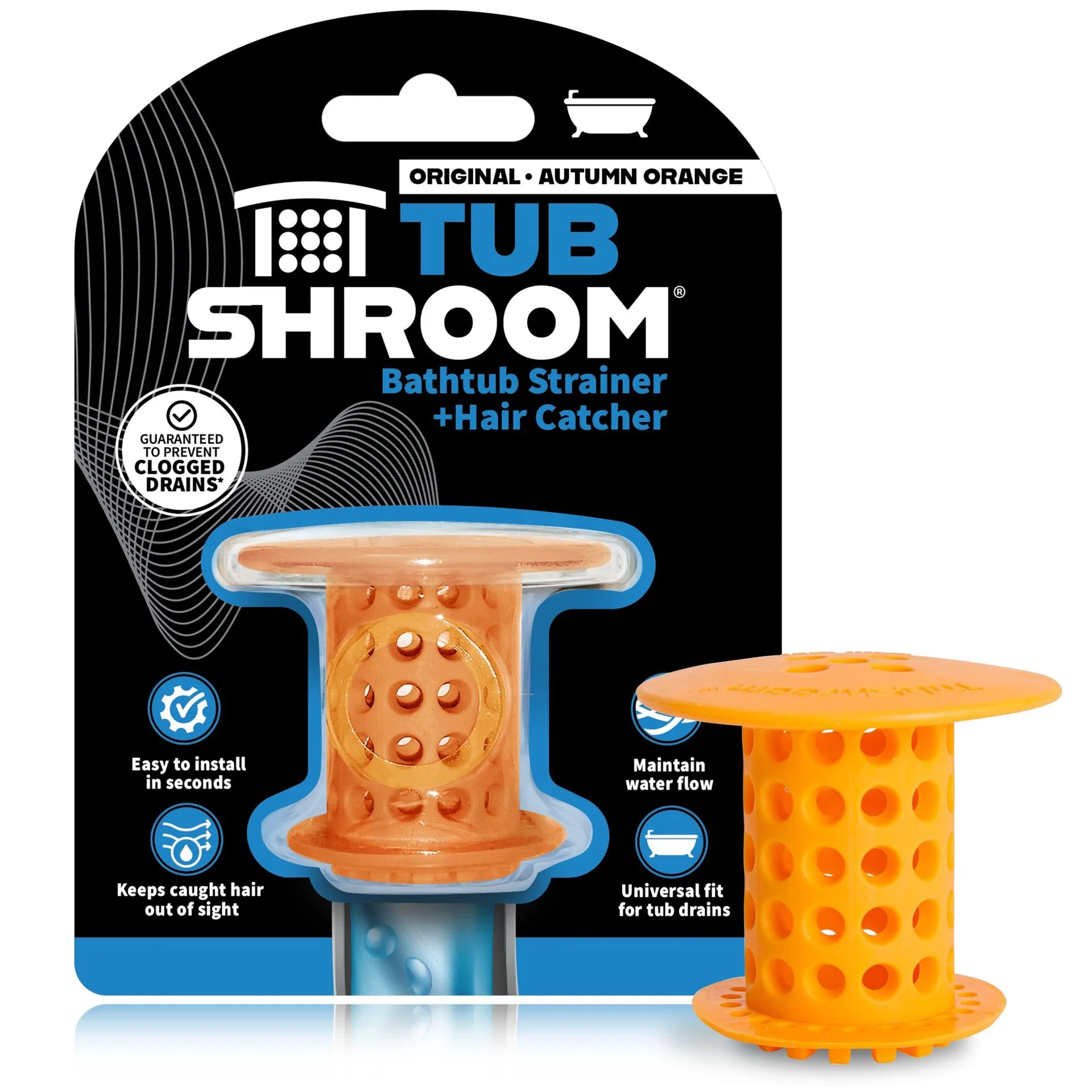
Disposable drain snakes and plastic drain covers also contribute to the waste stream. Many of these products are designed for one-time use and are not recyclable. In contrast, a reusable drain protector can catch hair before it enters the drain, eliminating the need for chemical treatments and disposable tools. For example, the TubShroom (Orange) offers a durable, reusable solution that fits most standard tub drains and can be cleaned easily.
- Single-use plastic drain covers are often non-recyclable.
- Chemical cleaners require energy-intensive manufacturing.
- Disposable snakes add to microplastic pollution when they break down.
Drain Protectors: A Simple, Eco-Friendly Solution
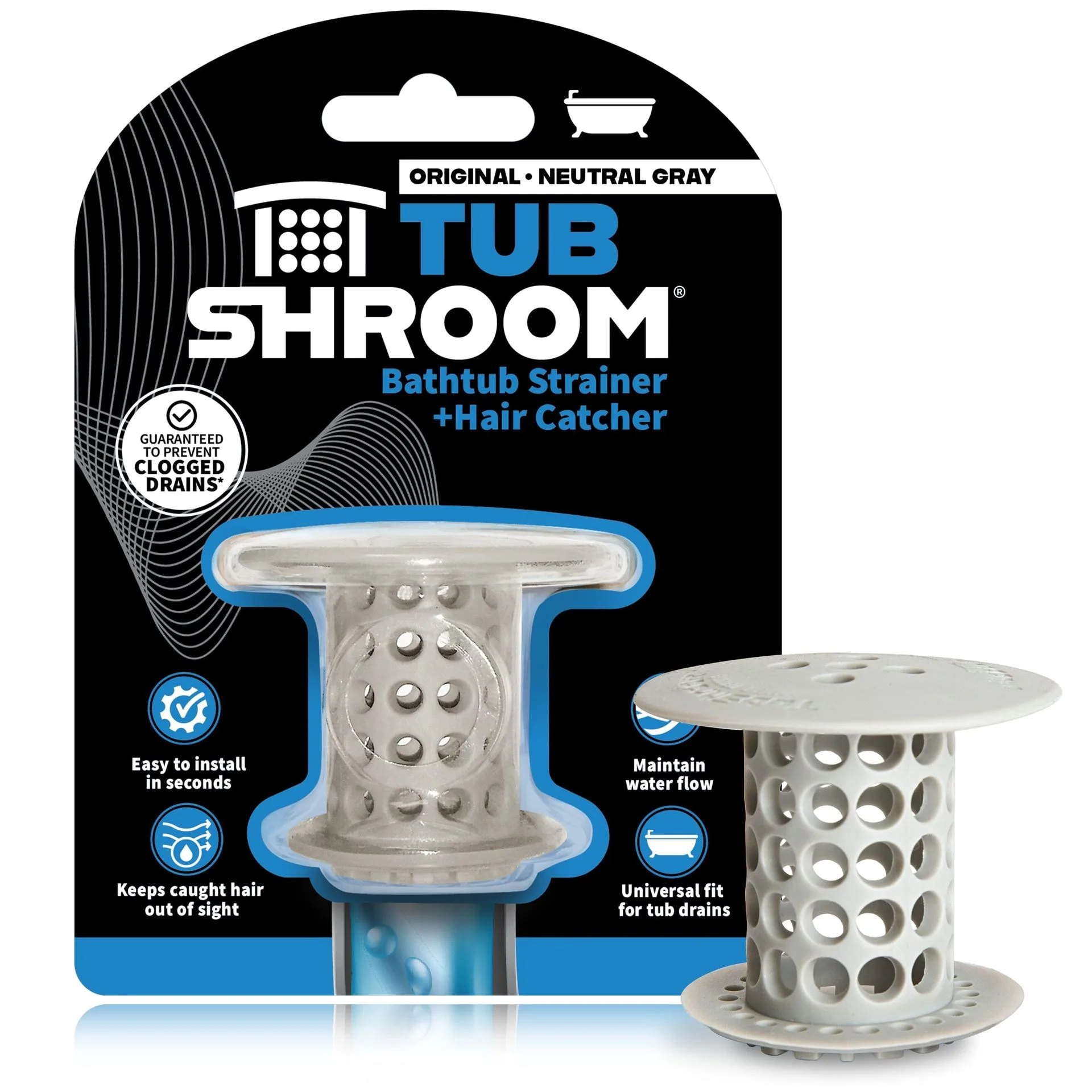
Using a drain protector is one of the easiest ways to reduce household waste and prevent clogs. By catching hair before it enters the pipes, these devices eliminate the need for chemical drain cleaners and reduce the frequency of plumbing repairs. Reusable options like the TubShroom (Gray) are made from silicone or stainless steel, materials that last for years and can be recycled at the end of their life. This contrasts sharply with disposable alternatives that end up in landfills after a single use.
Beyond reducing waste, drain protectors also conserve water. When drains are clear, showers and sinks drain faster, reducing the amount of water wasted while waiting for soap to rinse away. Over time, this can save hundreds of gallons of water per household annually. For eco-conscious homeowners, this is a small change with a big impact. Additionally, drain protectors prevent large clogs from forming, which can reduce the need for professional plumbing services that often involve heavy equipment and chemical treatments.
- Reusable drain protectors last for years, reducing plastic waste.
- Clear drains reduce water waste by allowing faster drainage.
- Preventing clogs avoids energy-intensive plumbing repairs.
Sustainable Home Tips: Beyond the Drain Protector
While a drain protector is a great first step, there are other ways to make your plumbing more sustainable. Consider using a drain snake auger for occasional deep cleaning instead of chemical products. The DrainShroom Tub and Sink Snake Auger Clog Remover for Drains, 36 Inch, Stainless is a reusable tool that can clear stubborn clogs without chemicals. You can also install a shower wall hair catcher to catch loose hairs before they reach the drain, reducing the load on your drain protector.
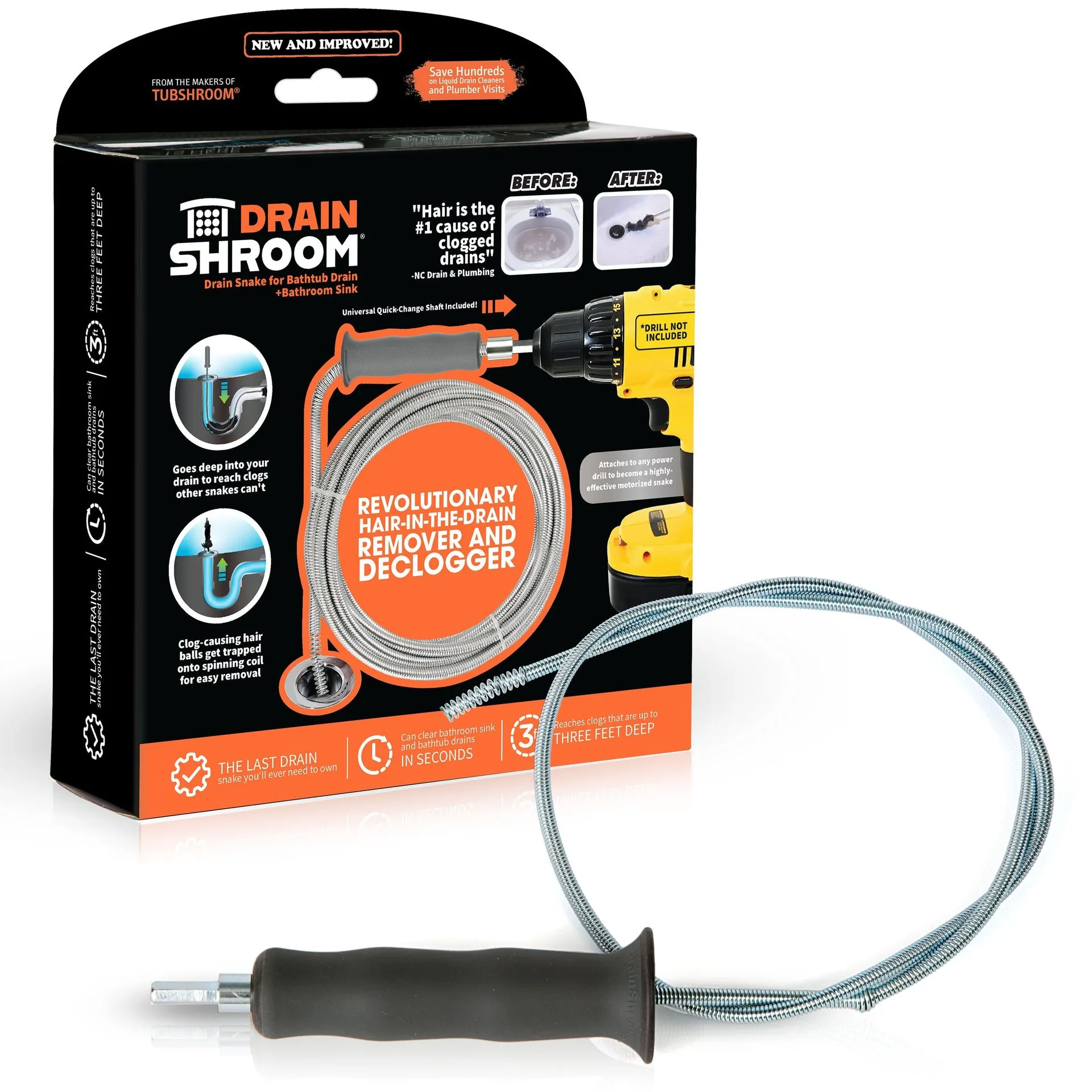
DrainShroom Tub and Sink Snake Auger Clog Remover for Drains, 36 Inch, Stainless
Another tip is to dispose of collected hair in the trash rather than flushing it. Hair is not biodegradable in water systems and can combine with grease to form fatbergs in municipal sewers. By throwing hair in the garbage, you help prevent these massive blockages. Finally, consider using eco-friendly cleaning products that are less harmful to pipes and the environment. Small changes in your daily routine can collectively make a significant difference.
- Dispose of collected hair in the trash, not down the drain.
- Use reusable tools like drain snakes instead of chemical cleaners.
- Choose eco-friendly cleaning products to protect pipes and waterways.
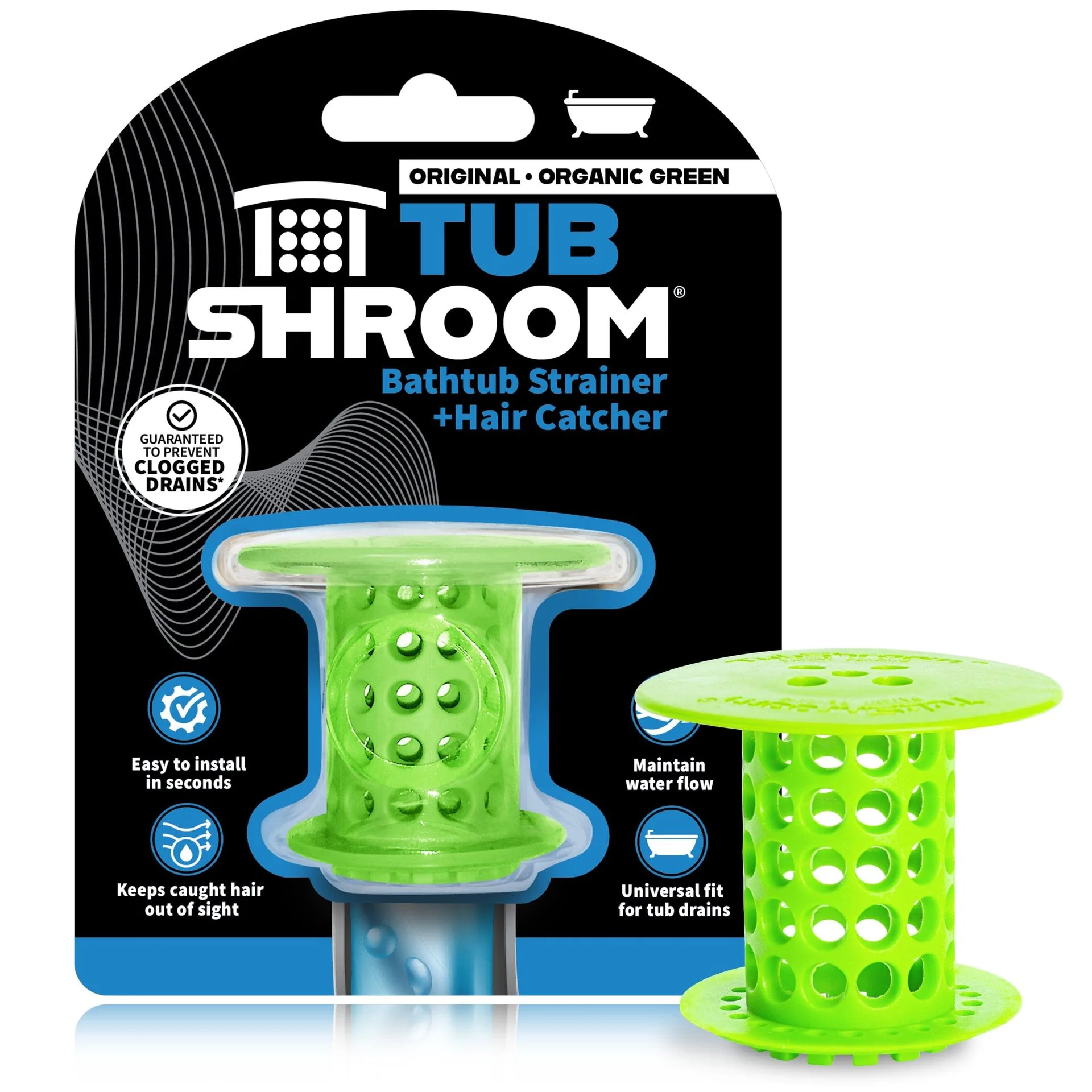
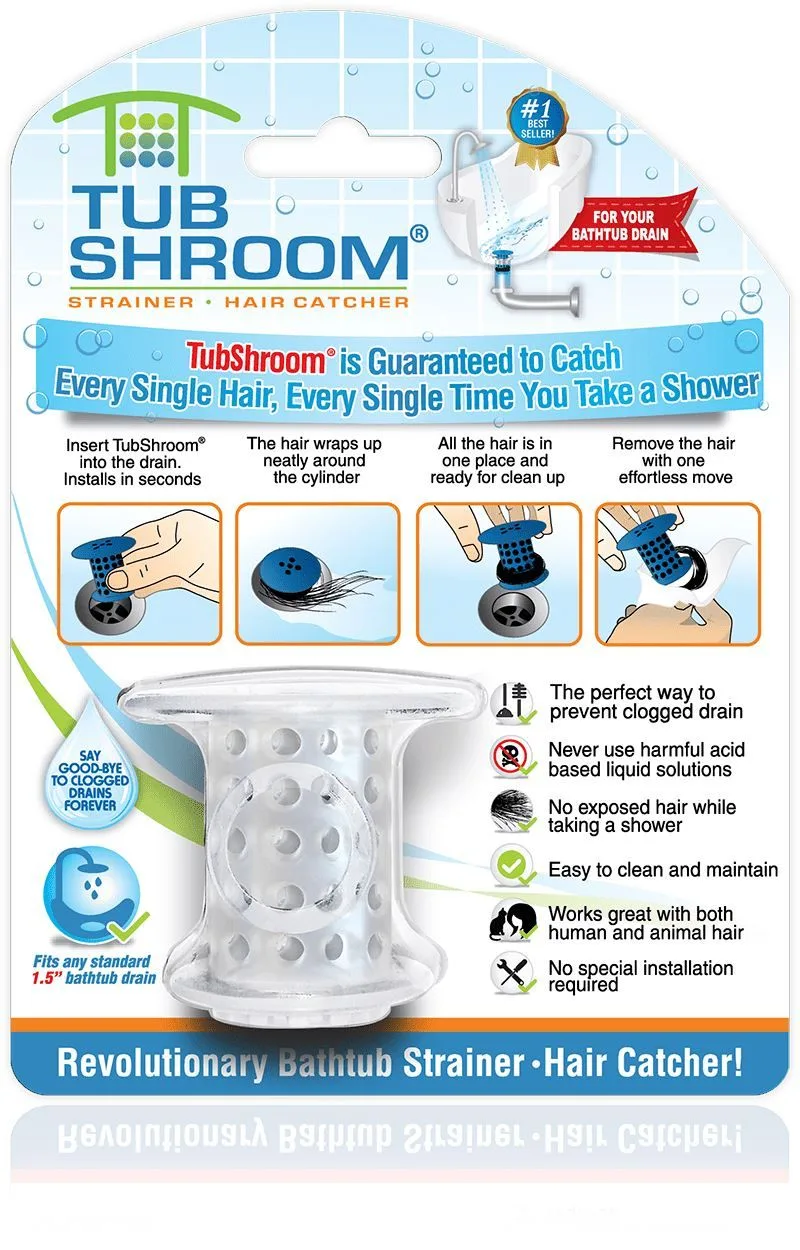
Switching to a reusable drain protector like the TubShroom is a simple yet powerful way to reduce your home's environmental impact. By preventing clogs, you eliminate the need for chemical cleaners, reduce plastic waste, and conserve water. Explore the TubShroom collection today and take a small step toward a more sustainable home.