Oatmeal is a beloved breakfast staple, but the packaging it comes in can have a significant environmental footprint. As consumers become more eco-conscious, understanding the sustainability of different oatmeal formats—cups vs. bags—is essential. This article examines the environmental impact of oatmeal packaging, including materials, recyclability, and carbon footprint, to help you make informed choices.
Whether you prefer the convenience of single-serve oatmeal cups or the bulk value of oatmeal bags, each option has unique environmental considerations. We'll explore the lifecycle of these packages, from production to disposal, and highlight how brands like Earnest Eats are innovating to reduce waste. By the end, you'll have practical tips for choosing sustainable oatmeal that aligns with your values.
Oatmeal Cups: Convenience vs. Environmental Cost
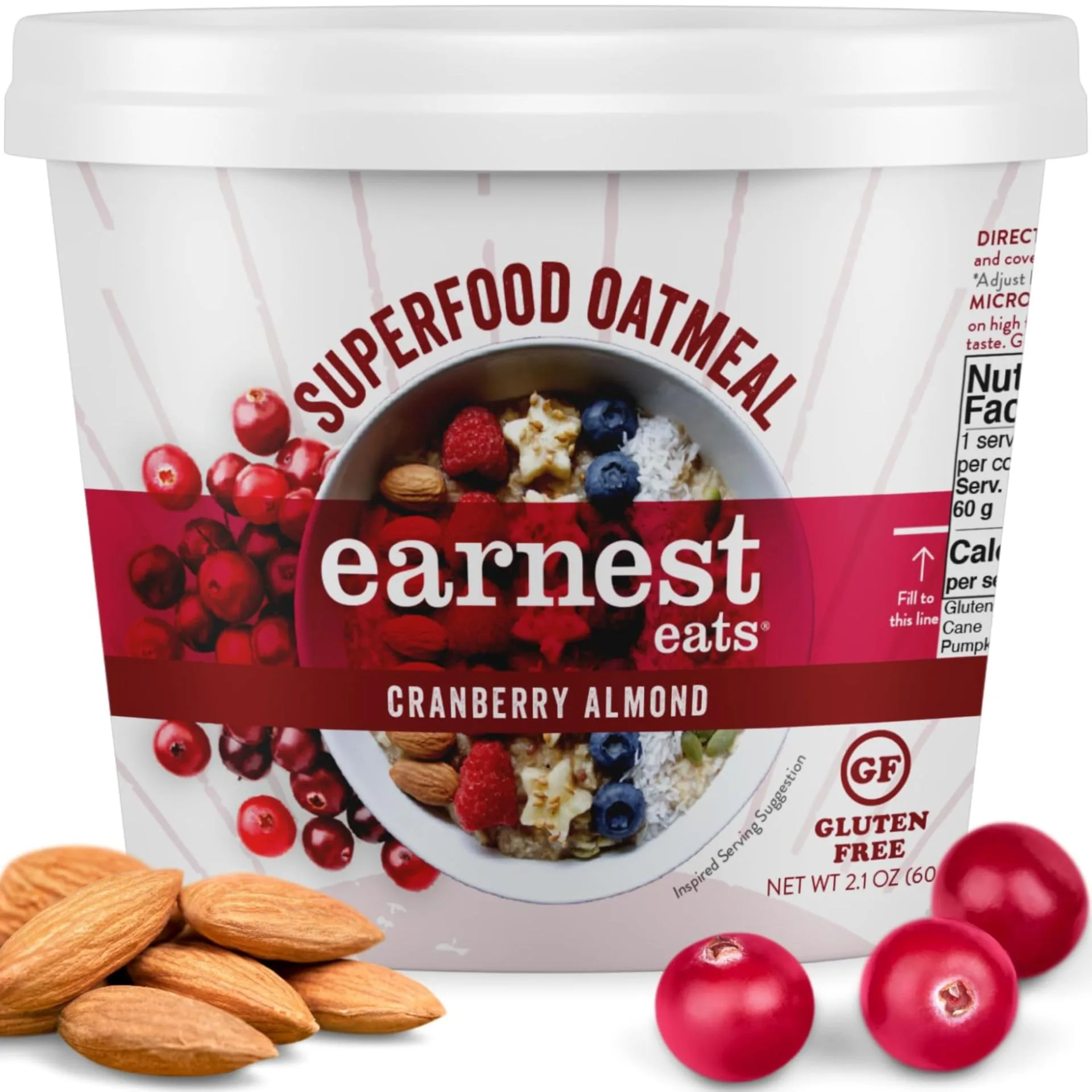
Oatmeal cups offer unparalleled convenience—just add hot water and enjoy. However, this convenience often comes with a higher environmental cost. Most single-serve cups are made from a combination of paperboard and plastic, which can be difficult to recycle due to the mixed materials. The production of these cups requires more energy and resources per serving compared to bulk oatmeal bags, contributing to a larger carbon footprint.
On the positive side, many oatmeal cup brands are transitioning to more sustainable materials. For example, some cups now use plant-based plastics or compostable liners. When disposed of properly in industrial composting facilities, these cups can break down without leaving harmful residues. However, home composting is rarely an option, and contamination with food waste often leads to cups ending up in landfills. Choosing brands that prioritize recyclable or compostable packaging can mitigate some of these impacts.
- Look for cups with recyclable paperboard and minimal plastic lining.
- Check if your local facility accepts mixed-material packaging for recycling.
- Consider reusing cups for small storage or seed starters to extend their life.
Oatmeal Bags: Bulk Efficiency and Lower Waste
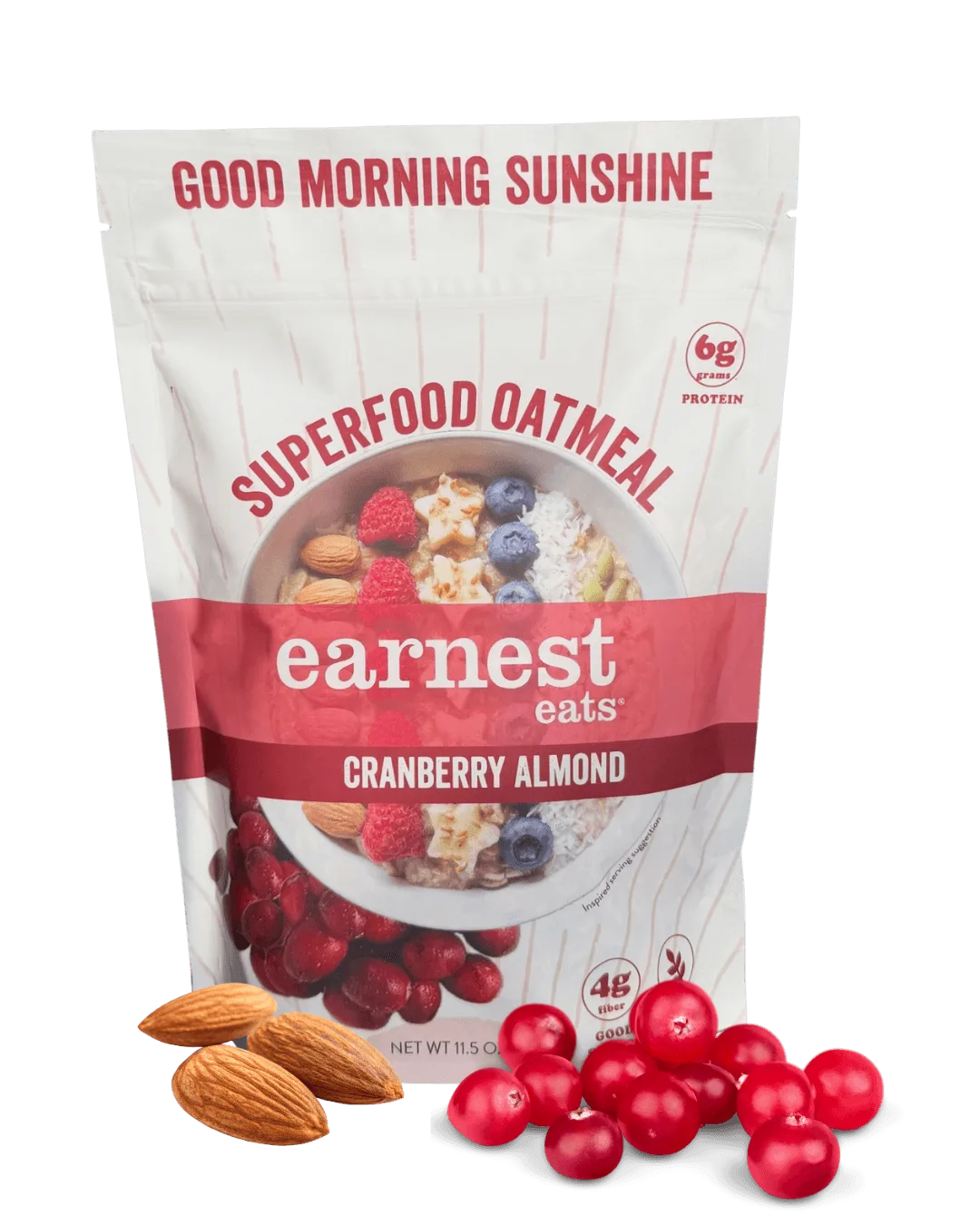
Oatmeal bags, especially those sold in bulk, generally have a lower environmental impact per serving. They use less packaging material overall—often just a single layer of plastic or paper—and can be more easily recycled if made from mono-materials. The reduced packaging weight also means lower transportation emissions, further shrinking the carbon footprint.
However, not all oatmeal bags are created equal. Some are made from multi-layered plastics that are not recyclable, while others use paper with a thin plastic coating. The best eco-friendly option is to choose oatmeal in paper bags with a minimal plastic liner, or even better, in fully compostable packaging. Buying larger bags also reduces the number of packages you consume over time, cutting down on waste. For those who meal prep, portioning out oatmeal from a bag into reusable containers is a sustainable alternative to single-serve cups.
- Opt for large bags to minimize packaging per serving.
- Choose brands with recyclable or compostable bag materials.
- Store oatmeal in glass jars or reusable containers at home to reduce waste.
Innovations in Sustainable Oatmeal Packaging
The oatmeal industry is responding to consumer demand for greener options. Brands are experimenting with biodegradable films, recycled paperboard, and even edible packaging. For instance, some oatmeal cups now feature a peel-off lid made from plant-based materials instead of plastic. Others are using water-soluble pouches that dissolve in hot water, eliminating waste entirely.
Earnest Eats is committed to sustainability by offering products with thoughtful packaging. Their Oatmeal Raisin Cookie/Dirty Chai Variety Pack provides a convenient way to enjoy multiple flavors while reducing the need for individually wrapped servings. By choosing variety packs, you can minimize packaging waste while still enjoying the variety you crave. Additionally, their superfood oatmeal cups use eco-friendly materials where possible, balancing convenience with environmental responsibility.
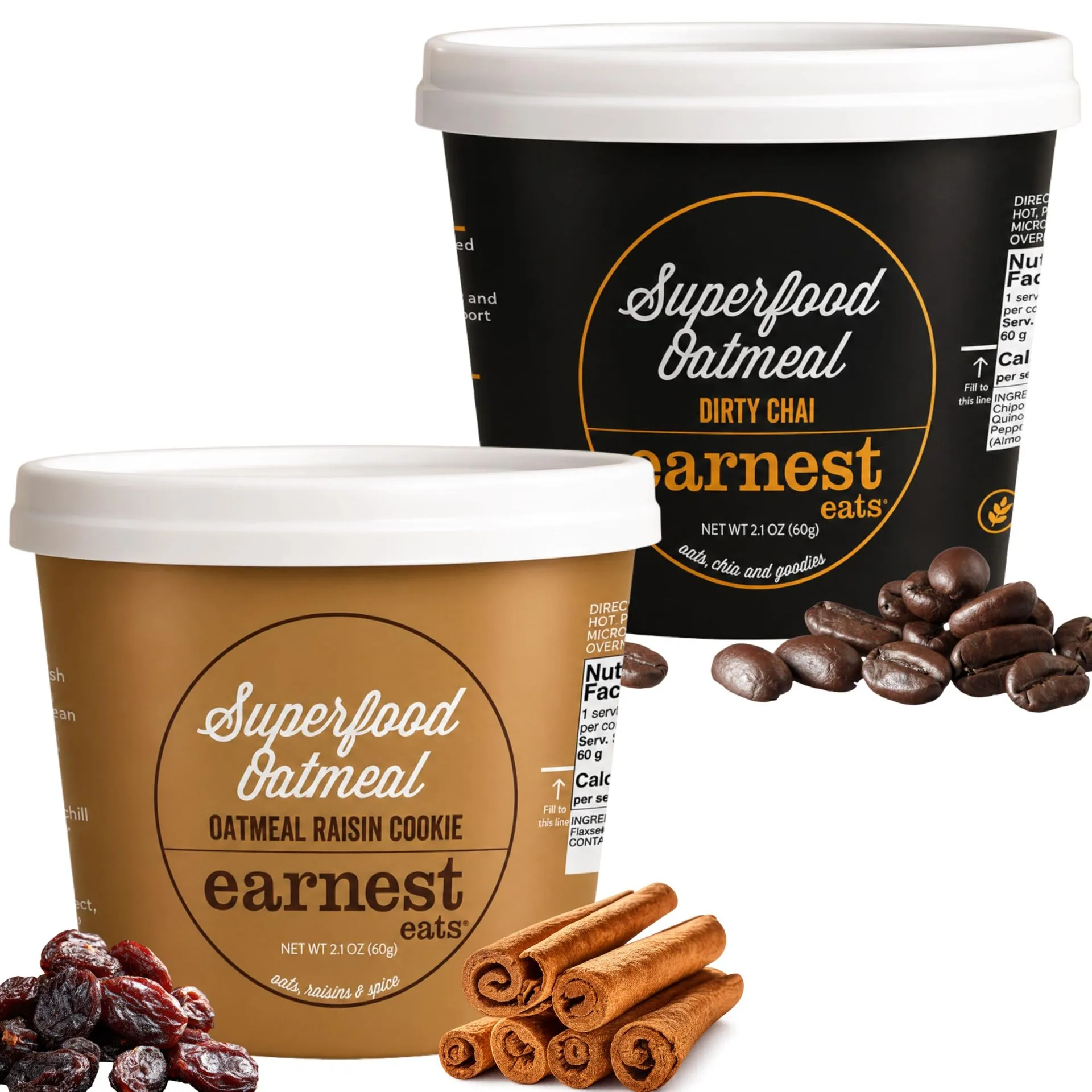
Oatmeal Raisin Cookie/Dirty Chai Variety Pack
- Support brands that transparently share their packaging sustainability goals.
- Look for certifications like FSC (Forest Stewardship Council) on paper packaging.
- Participate in brand take-back programs if available for recycling.
How to Make Eco-Friendly Oatmeal Choices
Making sustainable oatmeal choices doesn't mean sacrificing convenience. Start by evaluating your daily routine: if you're always on the go, a reusable container filled with oatmeal from a bulk bag can replace single-serve cups. For occasional use, choose cups with compostable materials and ensure they go to the correct waste stream.
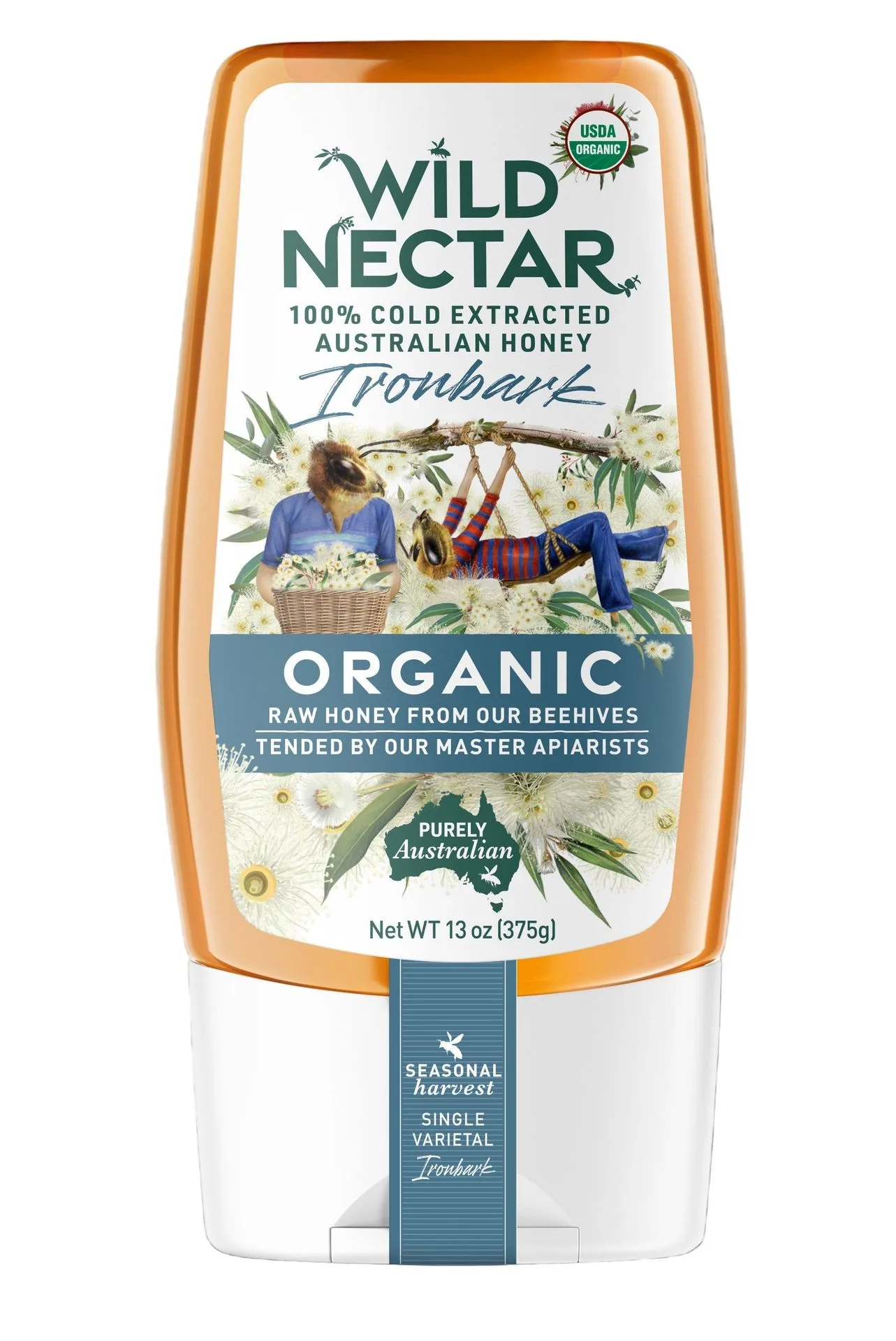
Another tip is to buy oatmeal in bulk and portion it yourself using reusable silicone bags or jars. This reduces packaging waste and gives you control over portion sizes. You can also enhance your oatmeal with natural sweeteners like Wild Nectar Australian Organic Honey, which comes in glass jars that are infinitely recyclable. Pairing sustainable packaging with high-quality ingredients amplifies your positive environmental impact.
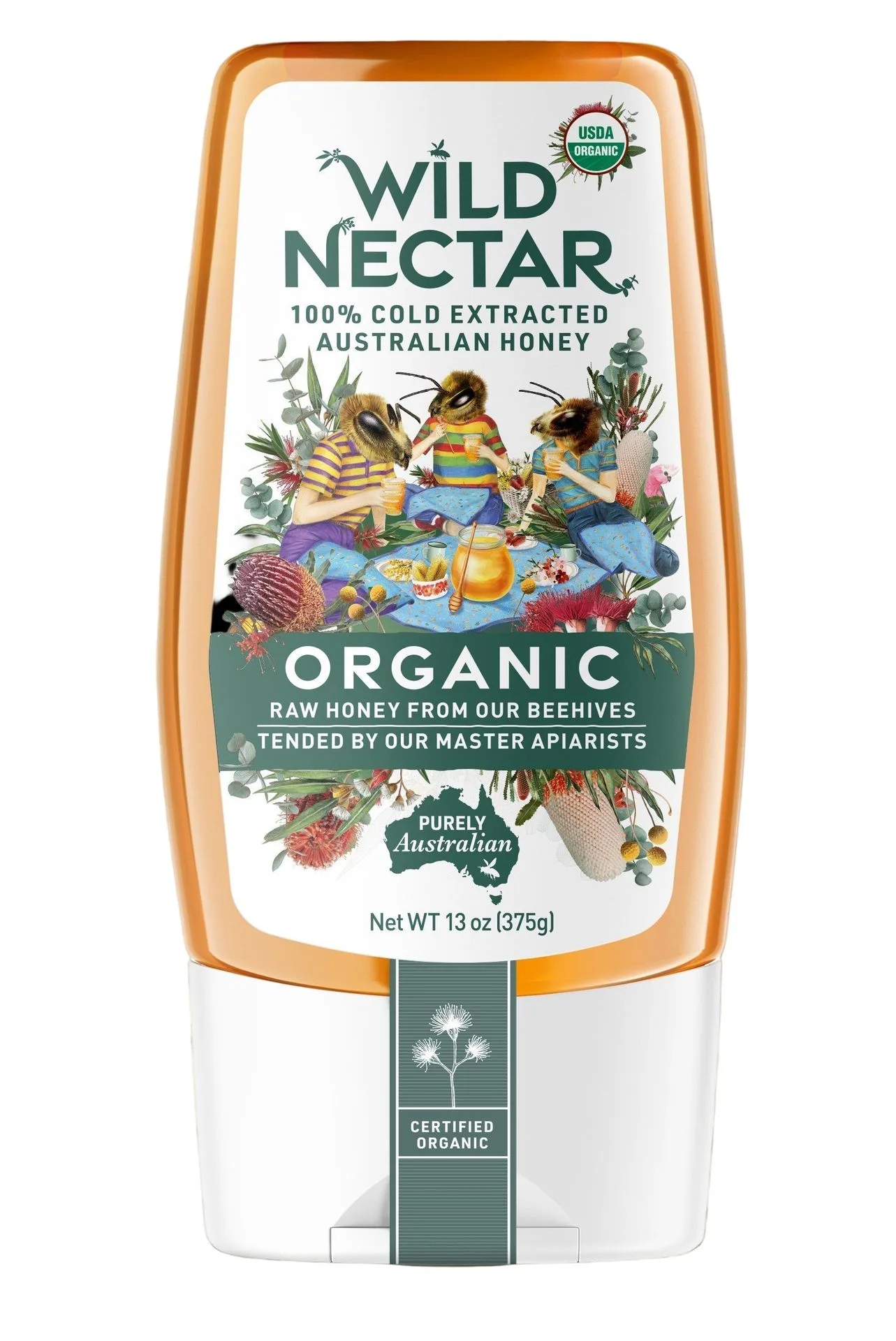
Wild Nectar Australian Organic Honey
- Invest in a reusable travel bowl or jar for oatmeal on the go.
- Buy larger oatmeal bags and portion at home to cut packaging waste.
- Choose glass or metal containers for storing pantry staples like honey and sugar.
Choosing sustainable oatmeal packaging is a meaningful step toward reducing your environmental footprint. By understanding the trade-offs between cups and bags, and supporting brands that prioritize eco-friendly materials, you can enjoy your breakfast with a clear conscience. Explore the Oatmeal Raisin Cookie/Dirty Chai Variety Pack for a delicious and more sustainable oatmeal experience that aligns with your green lifestyle.