Every minute, over one million plastic bottles are bought around the world. Most end up in landfills, oceans, or incinerators, contributing to a global plastic pollution crisis that harms wildlife, ecosystems, and human health. While recycling programs exist, the reality is that only about 9% of all plastic ever produced has been recycled. The rest persists for centuries, breaking into microplastics that contaminate our water and food chain.
Switching to a reusable water filter system is one of the most effective personal actions you can take to reduce plastic bottle waste. LifeStraw reusable filters offer a sustainable, long-term solution that not only provides safe, great-tasting water but also dramatically cuts down the number of single-use bottles you consume. In this article, we break down the environmental cost of plastic bottles, the life cycle benefits of reusable filters, and how LifeStraw products help you make a positive impact.
The True Cost of Single-Use Plastic Bottles
The production of plastic bottles consumes vast amounts of fossil fuels. It takes about 17 million barrels of oil annually just to produce the plastic for bottled water in the United States alone. That’s enough oil to fuel 1.3 million cars for a year. Additionally, the energy used to manufacture, transport, and refrigerate bottled water is estimated at 2,000 times more than that needed for tap water.
Once used, the environmental burden doesn’t stop. Plastic bottles take up to 450 years to decompose in a landfill. Many end up in oceans, where they break into microplastics that are ingested by marine life and eventually enter our own bodies. Studies have found microplastics in human blood, lungs, and even placentas. The cost to ecosystems and public health is staggering, and it’s largely driven by convenience-driven single-use habits.
- Over 1 million plastic bottles are purchased every minute globally.
- Only 9% of all plastic ever produced has been recycled.
- Plastic bottles take 450+ years to decompose, releasing toxic chemicals.
- Microplastics from bottle degradation are found in 90% of tap water samples worldwide.
How LifeStraw Reusable Filters Reduce Plastic Waste
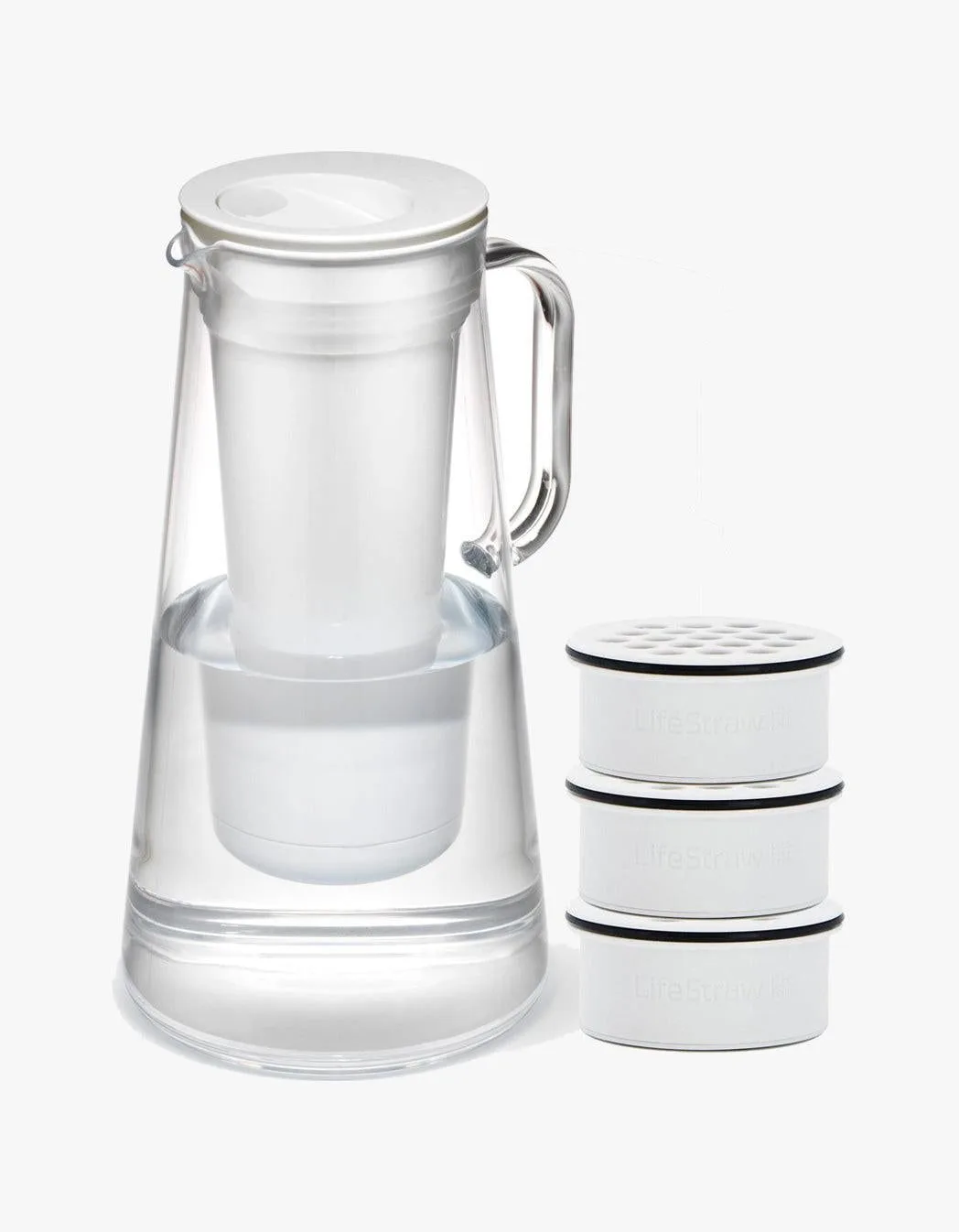
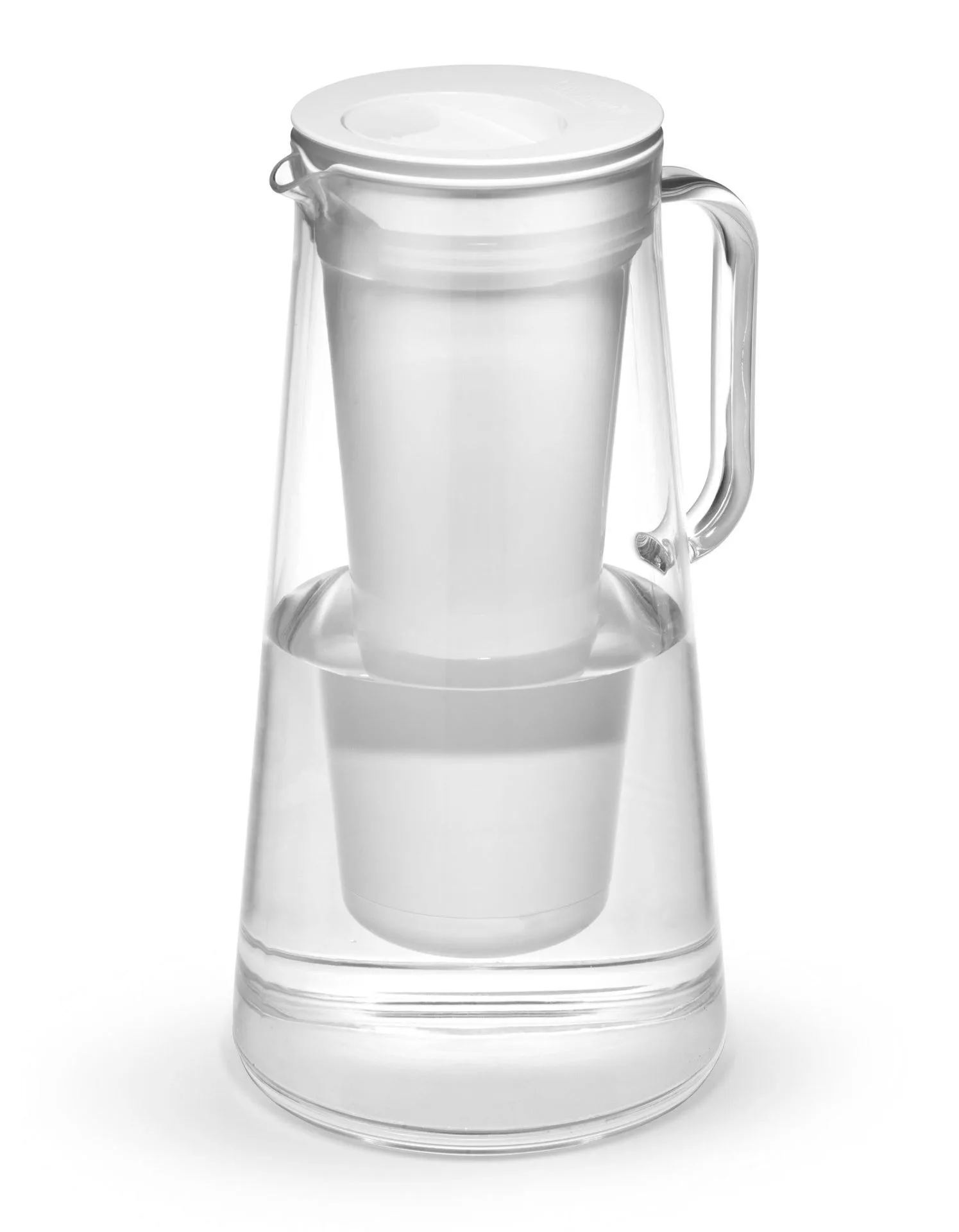
LifeStraw reusable filters are designed for long-term use, replacing thousands of single-use plastic bottles over their lifespan. For example, the LifeStraw Home 7-Cup Plastic pitcher filter can filter up to 264 gallons of water—equivalent to about 2,000 standard 16.9-ounce plastic bottles. That means one pitcher can prevent 2,000 bottles from ever being manufactured, shipped, and discarded.
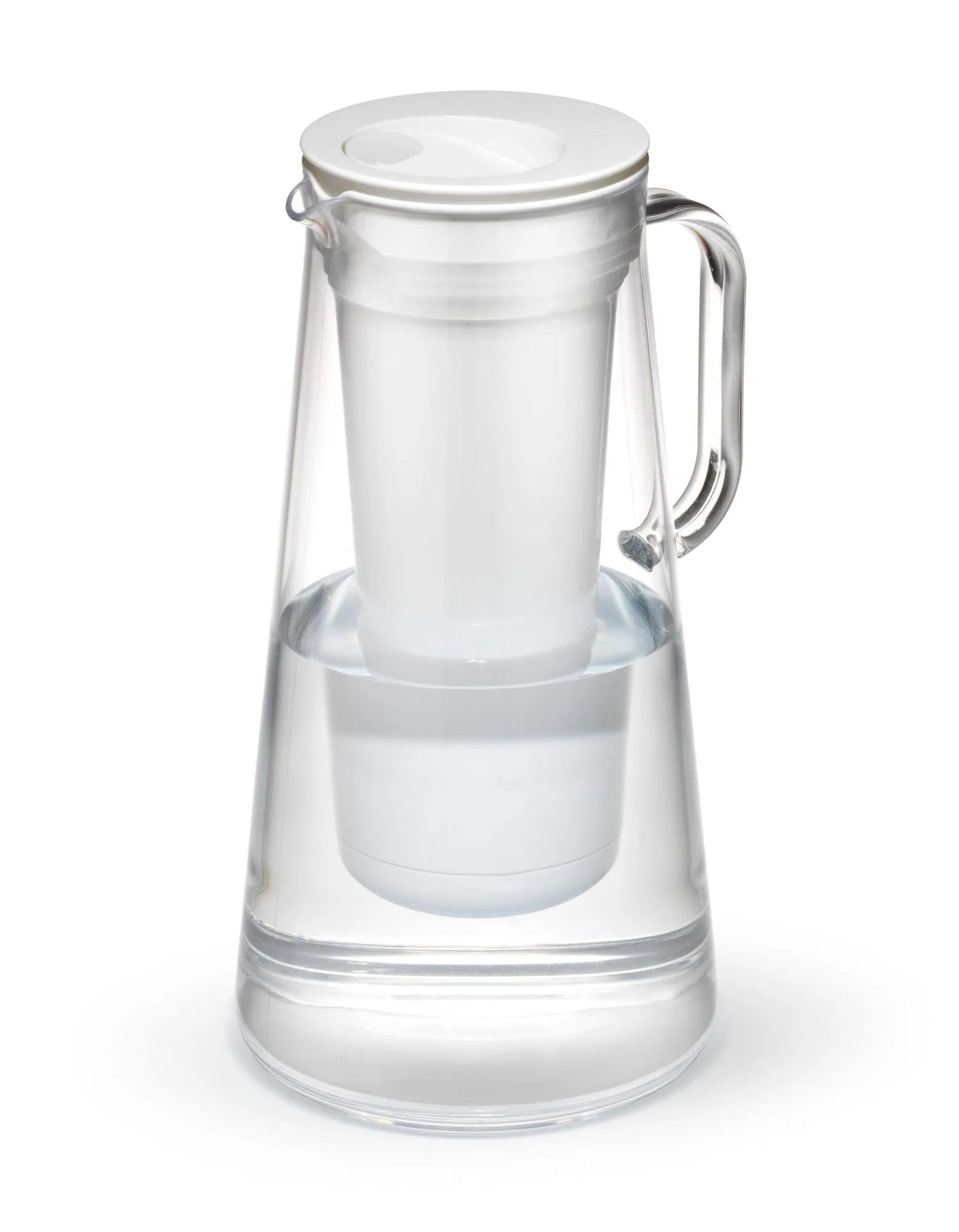
LifeStraw Home 7-Cup Plastic
Similarly, the LifeStraw Go Series Stainless Steel 18 oz bottle is built to last for years. Its advanced hollow fiber membrane filter removes bacteria, parasites, and microplastics, and the stainless steel construction avoids the chemical leaching issues associated with some plastic bottles. By refilling this bottle from the tap, you eliminate the need for disposable bottles entirely. Over a year of daily use, one person can avoid consuming over 300 single-use bottles.
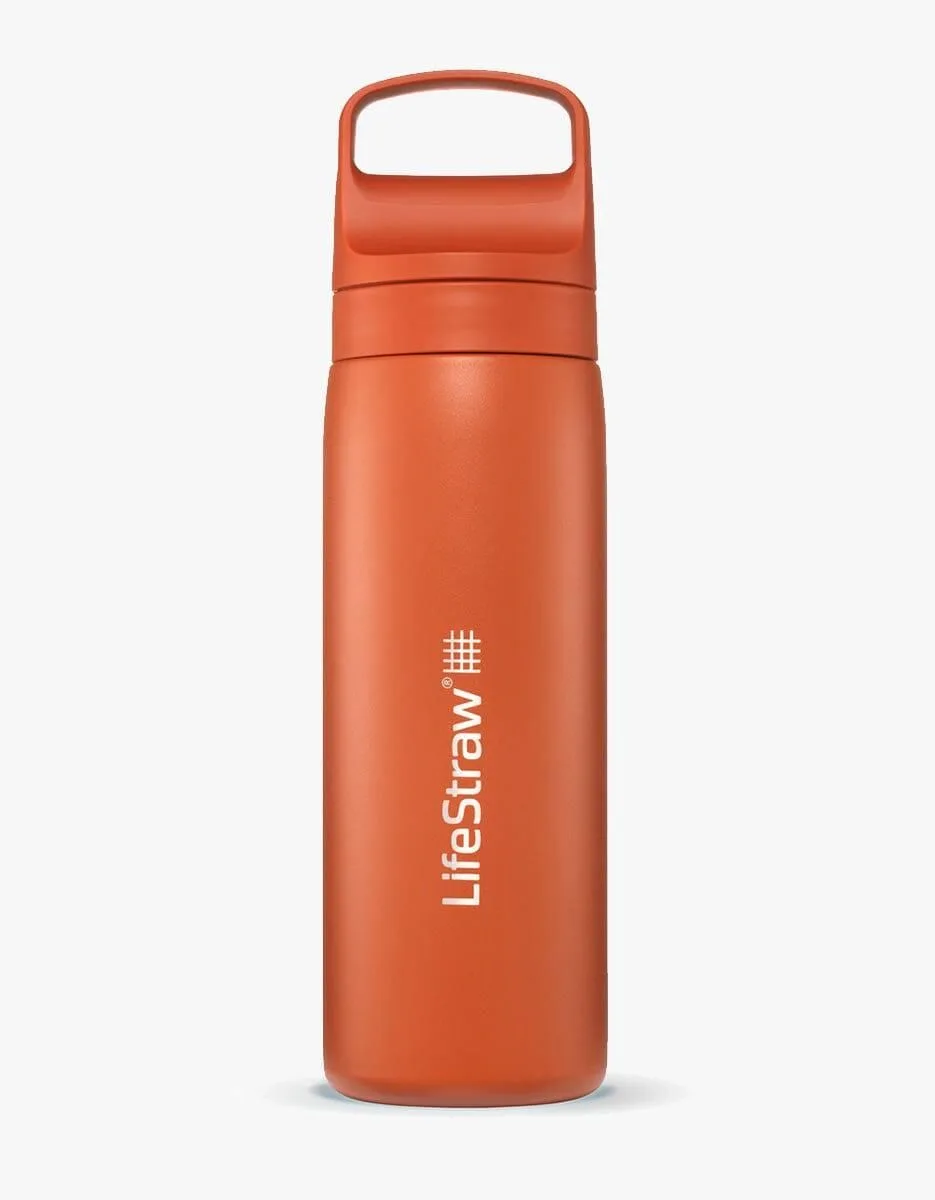
LifeStraw Go Series Stainless Steel 18 oz
- LifeStraw Home 7-Cup Plastic filters 264 gallons—equal to ~2,000 single-use bottles.
- LifeStraw Go Series Stainless Steel 18 oz replaces hundreds of bottles annually.
- Both products use replaceable filters to extend product life and reduce waste.
- Stainless steel models avoid BPA and other plastic-related chemical concerns.
Carbon Footprint Comparison: Bottled Water vs. LifeStraw Filtered Water
The carbon footprint of bottled water is enormous. A study by the Pacific Institute found that producing and transporting bottled water generates up to 2.5 million tons of carbon dioxide annually in the U.S. alone. That’s equivalent to the emissions of 500,000 cars. In contrast, using a LifeStraw filter at home or on the go has a fraction of that impact, since you’re drawing from existing municipal water supplies and only replacing a small filter cartridge every few months.
When you factor in the energy required to manufacture the LifeStraw product itself, the environmental payback period is remarkably short. For instance, the LifeStraw Home 7-Cup Plastic pitcher’s production emissions are offset after filtering just a few gallons of water compared to bottled alternatives. Over its lifetime, it saves hundreds of kilograms of CO2. This makes reusable filters a clear winner for anyone concerned about climate change.
- Bottled water generates 2.5 million tons of CO2 annually in the U.S.
- LifeStraw filters have a carbon payback period of just weeks to months.
- Filtering tap water with LifeStraw avoids the emissions of bottle production and transport.
- Replacing one plastic bottle per day with a reusable filter saves 50+ kg of CO2 per year.
Beyond Plastic: Water Quality and Health Benefits
While the environmental argument is strong, the health benefits of switching to LifeStraw filtered water are equally compelling. Many single-use plastic bottles contain BPA and other endocrine disruptors that can leach into the water, especially when bottles are exposed to heat or sunlight. LifeStraw filters remove not only these chemicals but also bacteria, parasites, microplastics, and sediment, providing water that is often cleaner than bottled alternatives.
The LifeStraw Home 7-Cup Plastic pitcher, for example, reduces chlorine, heavy metals, and organic contaminants, improving taste and odor. For outdoor enthusiasts, the LifeStraw Go Series Stainless Steel 18 oz bottle ensures safe drinking water from streams and taps alike, reducing reliance on bottled water during hikes or travel. This dual benefit—environmental and personal health—makes the switch a no-brainer.
- LifeStraw filters remove 99.9999% of bacteria and 99.9% of protozoan parasites.
- Activated carbon in LifeStraw Home reduces chlorine, taste, and odor issues.
- Stainless steel bottles avoid BPA and phthalate leaching common in plastic bottles.
- Using a filter encourages tap water consumption, which is regulated for safety.
Practical Tips for Maximizing Your Environmental Impact
To truly minimize your plastic footprint, consider integrating LifeStraw products into your daily routine. Keep a LifeStraw Home 7-Cup Plastic pitcher on your kitchen counter for drinking and cooking, and carry a LifeStraw Go Series Stainless Steel 18 oz bottle in your bag for hydration on the go. By making these two simple swaps, you can eliminate virtually all single-use bottle purchases.
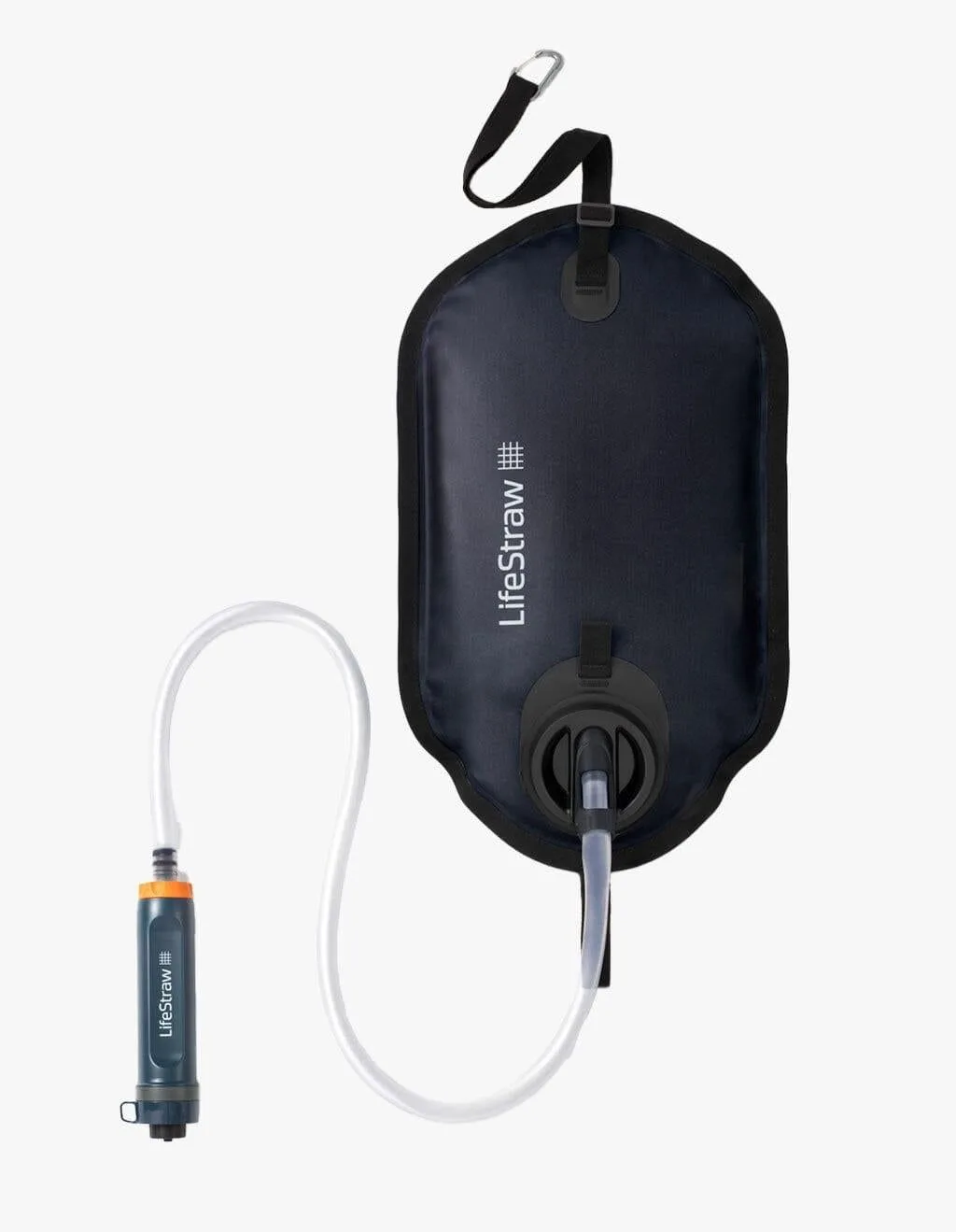
Additionally, remember that filter cartridges are recyclable through certain programs, and the durable design of LifeStraw products means they last for years. When you do need to replace a filter, choose the correct model for your device—such as the LifeStraw Peak Series - Membrane Replacement Filter for the Peak Series straws—to ensure optimal performance and longevity. Every small step adds up to a significant collective impact.
- Use a LifeStraw Home pitcher at home and a Go Series bottle for travel.
- Replace filters according to manufacturer guidelines to maintain efficiency.
- Encourage friends and family to switch—multiply your impact.
- Participate in local recycling programs for used filter cartridges.
Choosing a LifeStraw reusable filter over single-use plastic bottles is one of the most impactful eco-friendly decisions you can make. Not only do you save thousands of bottles from entering landfills and oceans, but you also enjoy cleaner, healthier water at a fraction of the cost. Start your sustainability journey today with the LifeStraw Home 7-Cup Plastic pitcher and experience the difference firsthand.