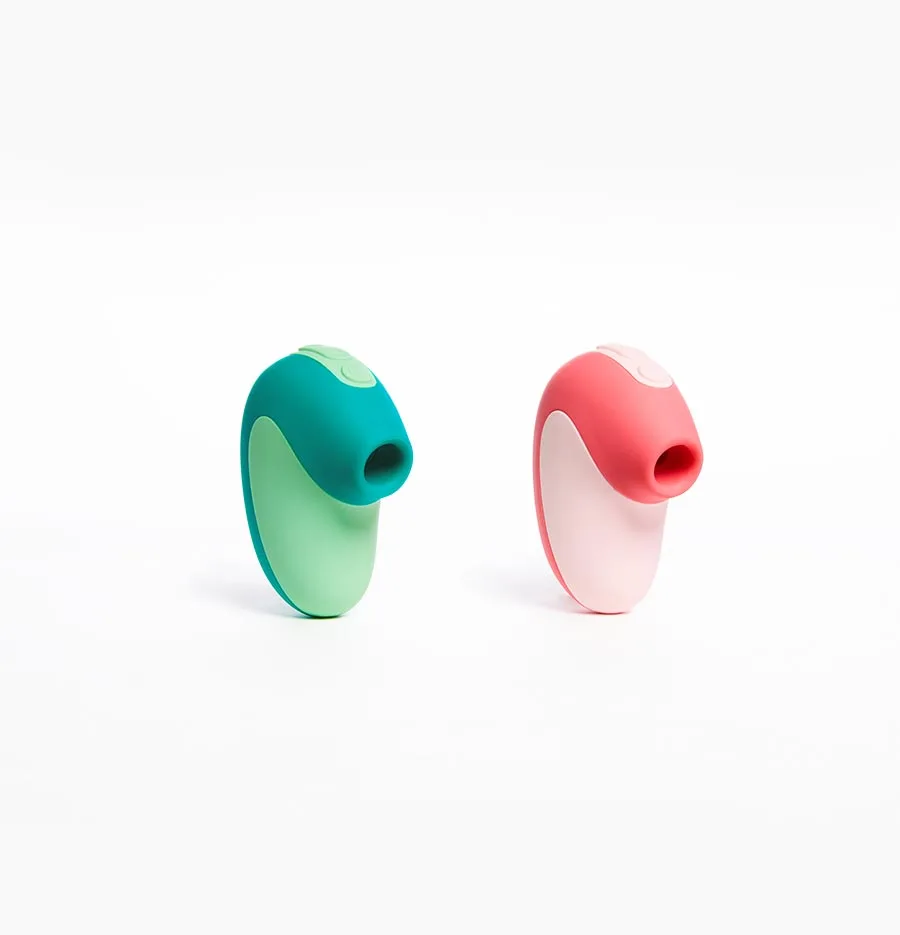
The vibrator, a ubiquitous tool in modern sexual wellness, has a surprisingly complex and often misunderstood history. Its journey from a clinical instrument used by doctors to a beloved pleasure product is a testament to changing social norms, technological innovation, and the ongoing destigmatization of female sexuality. Understanding this history not only enriches our appreciation for these devices but also highlights the cultural shifts that have made open conversations about pleasure possible.
Today, vibrators come in every shape, size, and function imaginable, from discreet bullet vibes to powerful wand massagers. But the story of their evolution begins in the 19th century, in the offices of Victorian-era physicians. This article explores the key milestones in the history of vibrators, tracing their path from medical curiosity to essential tool for self-care and intimacy.
The Victorian Origins: Treating 'Hysteria'
The earliest direct ancestor of the modern vibrator was not a sex toy but a medical device used to treat a condition known as 'female hysteria.' In Victorian times, hysteria was a catch-all diagnosis for a wide range of symptoms, including anxiety, irritability, and sexual frustration. The 'cure' involved a physician manually stimulating a woman's genitals until she reached a state of 'hysterical paroxysm'—what we now recognize as orgasm.
This treatment was physically exhausting for doctors, who often had to perform it for hours. In the late 19th century, the invention of the electromechanical vibrator offered a more efficient solution. The first patent for a 'vibratory massager' was granted in 1869, and by the 1880s, devices like the 'Manipulator' and 'Granville's Hammer' were being used in medical practices. These early vibrators were large, cumbersome, and often steam-powered or battery-operated, but they marked the first time a machine was used to induce sexual release in a clinical setting.
- The term 'hysteria' comes from the Greek word for uterus, reflecting ancient beliefs about women's health.
- Early vibrators were marketed as health devices for muscle relaxation and blood circulation, masking their sexual use.
The Rise of the Home Massager: Early 20th Century
By the early 1900s, vibrators began to appear in mail-order catalogs and department stores, marketed as home appliances for 'general health and well-being.' Advertisements touted them as cures for headaches, back pain, and fatigue—never explicitly mentioning sexual pleasure. This period saw the vibrator transition from a physician's tool to a consumer product, though it remained firmly within the realm of 'respectable' health care.
However, the association with sexuality was impossible to hide. As silent film and later 'talkies' began to depict women using vibrators in suggestive contexts, public perception shifted. By the 1920s and 1930s, vibrators were increasingly viewed as indecent, and they disappeared from mainstream catalogs. The device retreated into the shadows, used privately by women but rarely discussed openly. This era of silence lasted for decades, until the sexual revolution of the 1960s and 1970s brought a new wave of openness.
- The iconic 'Hitachi Magic Wand' was introduced in 1968 as a back massager but quickly became a sex toy icon.
- Early 20th-century vibrators were often sold with attachments for different body parts, hinting at their versatile use.
The Sexual Revolution and the Birth of the Modern Pleasure Tool
The 1960s and 1970s were a turning point for vibrator history. The feminist movement and the sexual revolution challenged traditional taboos, and women began to reclaim their sexuality. Vibrators were no longer hidden in closets; they were displayed proudly as tools for liberation. Companies like Hitachi (now known for the Magic Wand) and later, smaller manufacturers, began designing vibrators specifically for clitoral and G-spot stimulation.
This era also saw the rise of the 'rabbit vibrator,' popularized by the TV show 'Sex and the City' in the late 1990s. The rabbit's dual stimulation design became a cultural phenomenon, cementing the vibrator's place in mainstream pop culture. By the 2000s, vibrators were widely available in adult stores, pharmacies, and online retailers, and the conversation around them shifted from 'if' to 'which one is best for me.'
- The 1970s saw the first vibrators made of silicone, a body-safe material that remains the gold standard today.
- Modern vibrators often include multiple speeds, patterns, and app connectivity for personalized pleasure.
Modern Innovations: Body Safety, Design, and Inclusivity
Today, the vibrator evolution continues with a focus on body safety, design, and inclusivity. Materials like medical-grade silicone, ABS plastic, and glass are standard, ensuring that products are hypoallergenic and easy to clean. Brands now prioritize ergonomic shapes, quiet motors, and rechargeable batteries, making vibrators more discreet and user-friendly than ever before.
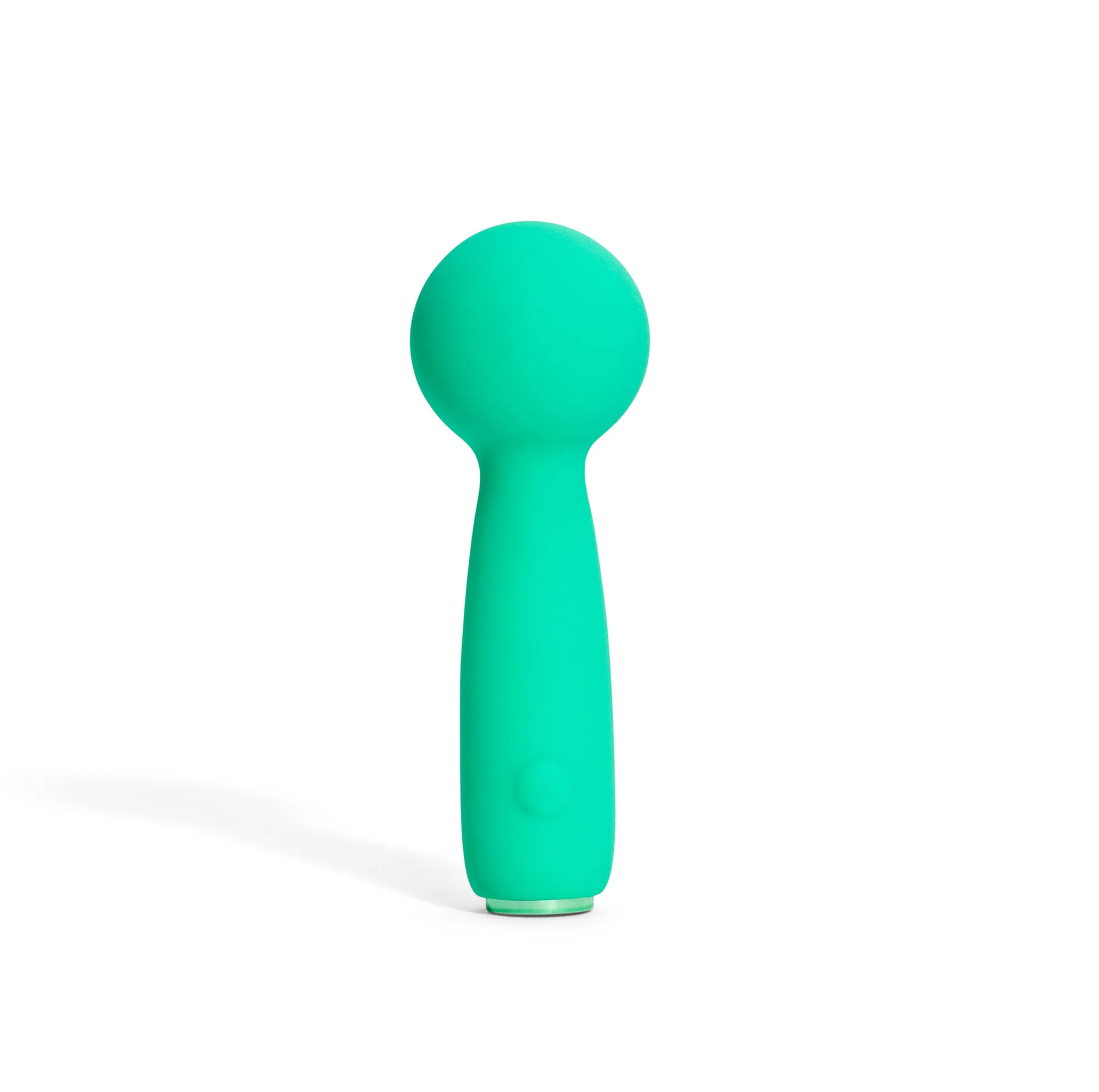
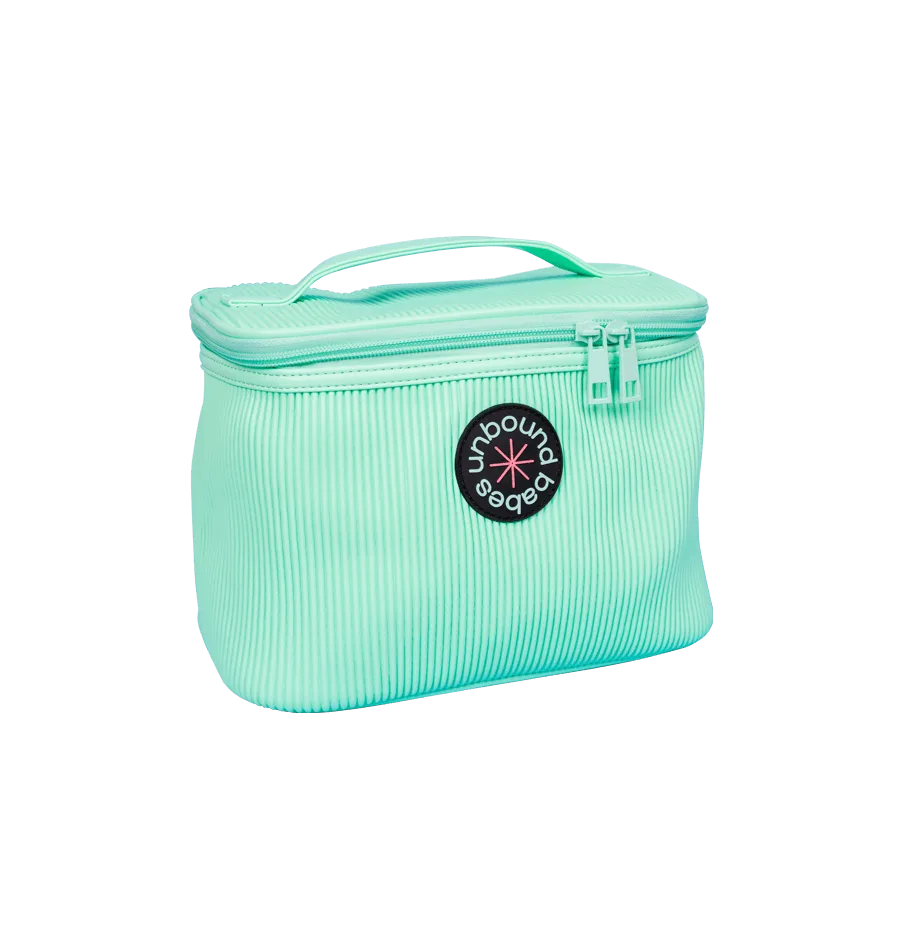
The industry has also embraced diversity, with products designed for all bodies and preferences. From the powerful wand-style Stellar to the versatile, dual-stimulation Bender, there is a vibrator for every experience level. For those seeking a compact, travel-friendly option, the Bit offers pinpoint precision in a tiny package. Meanwhile, accessories like the Toy Bag help keep your collection organized and hygienic. This focus on quality and variety reflects a broader cultural acceptance of sexual wellness as a legitimate part of self-care.
- Look for vibrators with at least 5-10 vibration patterns to explore different sensations.
- Rechargeable vibrators are more eco-friendly and cost-effective than battery-operated models in the long run.
The Future of Vibrator Technology
The future of vibrators is exciting, with innovations in smart technology, app integration, and even AI-driven pleasure. Some modern vibrators can be controlled remotely via smartphone, allowing for long-distance intimacy or solo play with customizable patterns. Others incorporate biofeedback sensors that respond to arousal, creating a truly interactive experience.
As conversations around sexual wellness become more mainstream, we can expect even more sophisticated designs that prioritize pleasure, health, and sustainability. The history of vibrators shows that these devices have always been a reflection of their time—and today, they represent a world where pleasure is not just accepted but celebrated.
- App-controlled vibrators often include community features where users can share and download custom patterns.
- Some brands are exploring biodegradable materials to reduce environmental impact.
Whether you're a seasoned enthusiast or a curious beginner, understanding the rich history of vibrators adds depth to your personal journey with pleasure. As you explore the wide range of options available today, consider starting with a versatile favorite like the Stellar, which combines power and elegance in one sleek design. Embrace your pleasure with confidence, knowing you're part of a long tradition of self-discovery and liberation.