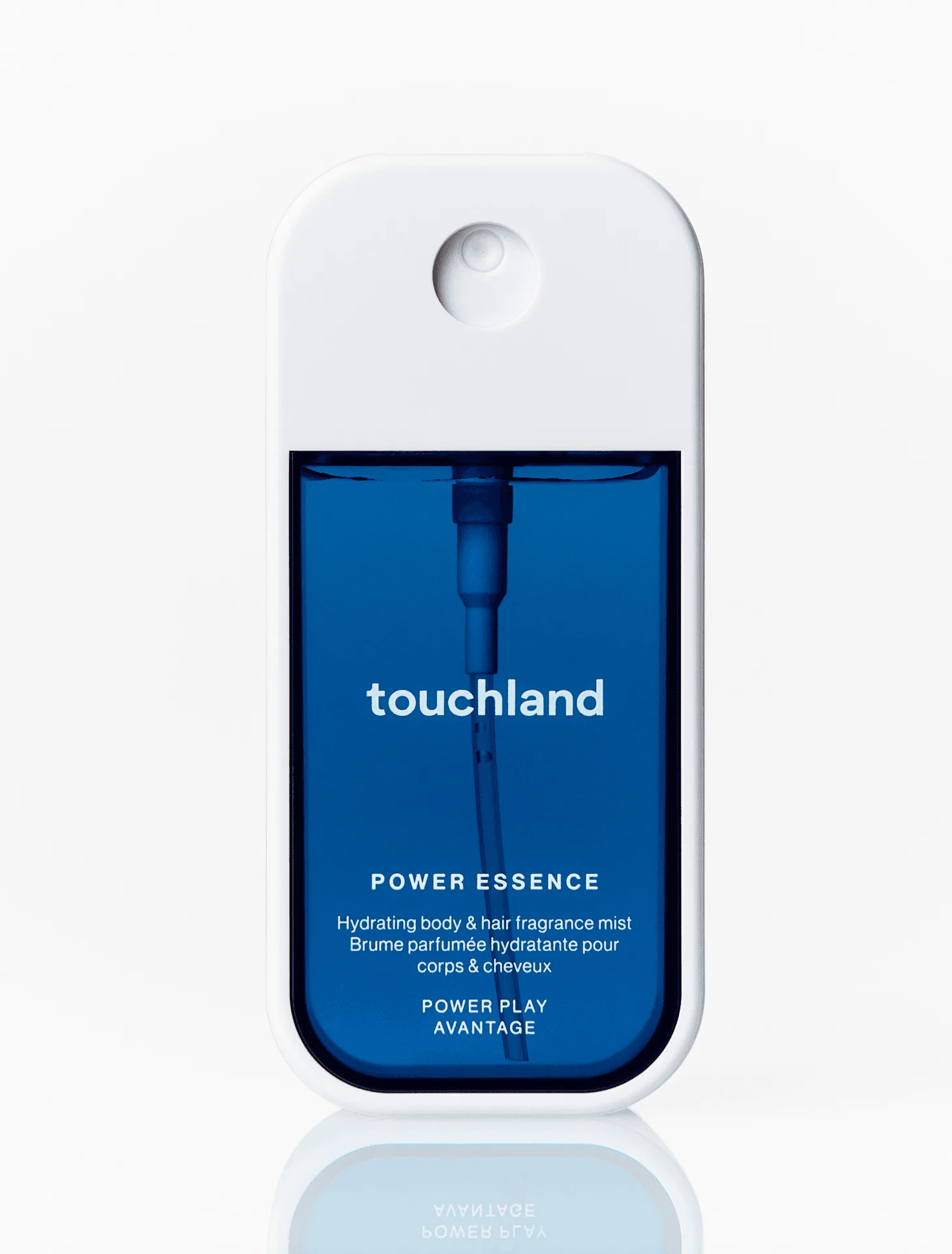
Have you ever spritzed on a body or hair mist and wondered how that delightful scent came to be? Behind every bottle lies a meticulous process that blends art, chemistry, and precision. From the initial concept to the final product, body mist manufacturing involves careful ingredient selection, expert blending, and rigorous testing to ensure a consistent, long-lasting fragrance. In this behind-the-scenes look, we’ll walk you through the steps of fragrance formulation, revealing the secrets that make your favorite mists so captivating.
Whether you’re a fragrance enthusiast or simply curious about the products you use daily, understanding how body mists are made can deepen your appreciation for the craft. We’ll explore the journey from raw materials to finished mist, touching on the role of perfumers, the science of scent, and the quality standards that ensure every spray is perfect. Plus, we’ll highlight how brands like Touchland incorporate these principles into their own collections, including the Peanuts Body & Hair Mist and the Cashmere Woods Body & Hair Fragrance Mist.
The Art of Fragrance Formulation: From Concept to Scent Profile
Every body or hair mist begins with an idea. Perfumers, often called 'noses,' work with fragrance houses to develop a scent brief that outlines the desired mood, target audience, and key notes. This brief might call for a fresh citrus blend, a warm floral bouquet, or a cozy woody accord. The perfumer then selects from hundreds of natural and synthetic ingredients—essential oils, aroma chemicals, and absolutes—to create a balanced composition. For example, a mist like the Peanuts Body & Hair Mist might start with top notes of bright fruit, heart notes of soft florals, and base notes of creamy musk to achieve a playful yet sophisticated profile.
Once the raw materials are chosen, the perfumer begins blending in precise ratios. This stage is both scientific and creative: each ingredient must be weighed to the milligram, and the mixture is tested repeatedly to ensure the scent evolves correctly over time. The fragrance oil is then diluted with a carrier—typically alcohol or a water-based solution—to create the final mist. This step is crucial for body and hair mists, as the concentration must be light enough for safe use on skin and hair without overwhelming the senses. The result is a unique scent that tells a story, much like the Cashmere Woods Body & Hair Fragrance Mist, which layers sandalwood, amber, and vanilla for a warm, sophisticated aura.
- Top notes are the first impression, lasting 15-30 minutes; heart notes form the core; base notes linger for hours.
Ingredient Sourcing and Quality Control in Body Mist Manufacturing
The quality of a body mist depends heavily on its ingredients. Reputable manufacturers source raw materials from trusted suppliers around the world—lavender from France, vanilla from Madagascar, citrus oils from Italy. Each batch of essential oil or aroma chemical must pass through rigorous quality control checks, including gas chromatography and olfactory evaluation, to verify purity and consistency. For instance, the aloe vera extract used in hydrating formulas is tested for its soothing properties, while alcohol is checked for neutral odor to avoid interfering with the fragrance. This attention to detail ensures that every bottle delivers a reliable, enjoyable experience.
In addition to fragrance ingredients, body and hair mists often include additives like moisturizers, UV filters, or vitamins to benefit the skin and hair. These functional ingredients must be compatible with the fragrance oil and stable over time. Manufacturers conduct stability tests—exposing samples to heat, light, and humidity—to confirm the mist won't discolor, separate, or lose its scent. Brands like Touchland emphasize transparency by listing all ingredients and avoiding harsh chemicals, making their mists suitable for daily use. This commitment to quality is evident in products like the Peanuts Body & Hair Mist, which combines playful scent with skin-friendly formulation.
- Look for mists with clear ingredient lists and no parabens, phthalates, or synthetic dyes for a cleaner experience.
The Production Process: Blending, Maceration, and Bottling
Once the fragrance formula is finalized, it moves to large-scale production. The fragrance oil is blended with alcohol or water in industrial mixers, then left to macerate for days or weeks. Maceration allows the molecules to bond and the scent to mature, resulting in a smoother, more cohesive aroma. During this time, quality control teams take periodic samples to monitor the scent's evolution. After maceration, the mist is filtered to remove any particulates, ensuring a clear, consistent liquid. The final step is bottling: the mist is filled into containers—often with spray nozzles—and labeled with batch codes for traceability.
Bottling lines are automated to maintain speed and accuracy, but manual inspections still occur to catch defects like misaligned labels or faulty sprayers. For limited-edition or collaborative products, such as a hypothetical Peanuts x Touchland Duo, special attention is given to packaging design to create a cohesive brand experience. The filled bottles are then packed into cartons and shipped to retailers or direct to consumers. This entire process, from blending to bottling, takes several weeks, but the result is a product that delivers a consistent, delightful scent every time you spritz.
- Maceration typically lasts 1-4 weeks; longer maceration can enhance depth and longevity of the fragrance.
How Body & Hair Mists Differ from Perfumes: Formulation Nuances
Body and hair mists are formulated differently than traditional perfumes or eau de parfums. The key difference lies in concentration: perfumes contain 15-30% fragrance oil, while mists usually have 1-5%. This lower concentration makes mists lighter and safer for frequent application on skin and hair, especially for those with sensitive scalps. Additionally, hair mists often include conditioning agents like glycerin or panthenol to prevent dryness, while body mists may incorporate aloe vera or vitamin E for skin hydration. The alcohol content is also adjusted—some mists use denatured alcohol for quick evaporation, while others use a water base for a gentler feel.
Another nuance is the scent profile: mists are designed to be subtle and refreshing rather than overpowering, making them ideal for layering or casual wear. The Cashmere Woods Body & Hair Fragrance Mist, for example, offers a soft, enveloping warmth that can be sprayed on both skin and hair without the intensity of a perfume. This versatility is a hallmark of modern mist formulations, allowing users to enjoy fragrance throughout the day without overwhelming those around them. Understanding these differences helps consumers choose the right product for their needs.
- Always test a new mist on a small patch of skin or hair before full application to ensure compatibility.
Sustainability and Innovation in Fragrance Production
The fragrance industry is increasingly embracing sustainable practices, from sourcing renewable ingredients to reducing packaging waste. Many manufacturers now use biodegradable or recycled materials for bottles and boxes, and some offer refillable systems to cut down on single-use plastics. In body mist manufacturing, innovation includes using upcycled ingredients—like citrus peels from juice production—to create essential oils, and employing cold-press extraction to preserve delicate aromas. Brands that prioritize sustainability often highlight these efforts, appealing to eco-conscious consumers.
Touchland, for instance, has introduced refillable mist cases and sets that encourage reuse, such as the Golden Honey Body & Hair Mist Case, which allows users to swap out refills instead of discarding the entire bottle. This approach reduces waste while maintaining the same high-quality scent experience. Additionally, advances in encapsulation technology help mists release fragrance slowly over time, improving longevity without increasing oil concentration. As consumers become more aware of environmental impact, these innovations are shaping the future of how body mists are made and enjoyed.
- Refillable mists can reduce plastic waste by up to 70% compared to single-use bottles.
Next time you reach for a body or hair mist, you’ll have a deeper appreciation for the artistry and science behind every spritz. From the perfumer’s palette to the bottling line, each step is crafted to deliver a moment of sensory delight. Explore the Peanuts Body & Hair Mist to experience this craftsmanship firsthand—a playful scent that brings joy to your daily routine.