Is your cat's coat looking a little dull or their skin flaky? Just like in humans, omega-3 fatty acids play a crucial role in feline skin and coat health. Fish oil, particularly salmon oil, is one of the most effective and natural ways to boost your cat's intake of these essential fats. Whether you're dealing with dry winter skin, excessive shedding, or simply want to give your feline friend a show-stopping glossy coat, adding fish oil to their diet can make a world of difference.
In this guide, we'll walk you through everything you need to know about incorporating fish oil into your cat's meals: the benefits, the right dosage, how to choose a high-quality product, and common pitfalls to avoid. We'll also recommend some of the best fish oil options available from Open Farm to ensure your cat gets the purest, most effective supplement possible.
Why Fish Oil Is Essential for Your Cat's Coat and Skin
Fish oil is rich in two key omega-3 fatty acids: EPA (eicosapentaenoic acid) and DHA (docosahexaenoic acid). These fats are not naturally produced in sufficient amounts by your cat's body, so they must come from their diet. EPA helps reduce inflammation in the skin, which can alleviate itching, redness, and dandruff. DHA supports cell membrane health, leading to a stronger, shinier coat. Together, they create the ideal internal environment for healthy skin and a beautiful, soft coat.
Many commercial cat foods, especially dry kibble, are low in omega-3s because the fats degrade during processing. Adding a high-quality fish oil supplement directly to your cat's bowl ensures they get a concentrated, stable source of these nutrients. This is particularly beneficial for cats with allergies, seasonal shedding, or those living in dry climates. Over time, you may notice less hairball formation (since healthy coats shed less) and a noticeable gloss in their fur.
- Reduces inflammation and itching associated with allergies or dry skin.
- Promotes a soft, shiny coat with less shedding and fewer hairballs.
- Supports joint health and brain function in older cats.
Salmon Oil vs. Other Fish Oils: What's Best for Cats?
When choosing a fish oil for your cat, you'll encounter several options: salmon oil, cod liver oil, sardine oil, and mixed fish oils. Salmon oil is often the top choice for cats because it has a naturally high concentration of EPA and DHA, a pleasant taste that most cats enjoy, and a lower risk of heavy metal contamination when sourced from wild-caught fish. Cod liver oil, while also beneficial, contains high levels of vitamins A and D, which can be toxic in large amounts for cats, so it's less ideal for daily supplementation.
Look for oils that are cold-pressed and packaged in opaque bottles to prevent oxidation. Open Farm's salmon oil is sourced from wild-caught, sustainably harvested salmon, ensuring maximum purity and potency. You can easily drizzle it over your cat's wet or dry food. For cats that are picky, try mixing it into a small amount of their favorite wet food or a treat like the Harvest Chicken Pâté for Dogs (though formulated for dogs, it's also a tasty, high-moisture option that can help mask the oil).
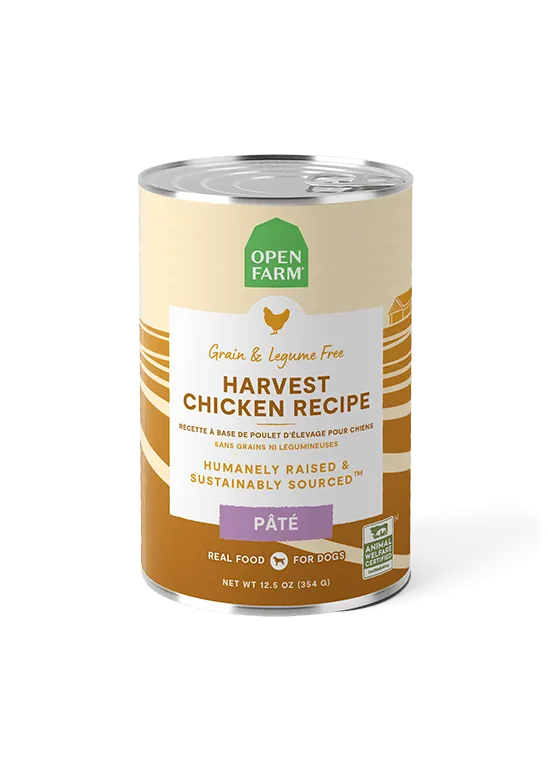
Harvest Chicken Pâté for Dogs
- Salmon oil: high EPA/DHA, great taste, low toxin risk.
- Cod liver oil: use sparingly due to high vitamin A/D.
- Sardine oil: excellent but less palatable for some cats.
How Much Fish Oil Should You Give Your Cat?
Dosage depends on your cat's weight, age, and the concentration of the oil. A general guideline is 20–40 mg of combined EPA and DHA per pound of body weight per day. For an average 10-pound cat, that translates to about 200–400 mg of EPA/DHA daily. Most high-quality salmon oils provide dosage recommendations on the label. Start with the lower end of the range and gradually increase over a week to allow your cat's digestive system to adjust.
It's also important to introduce fish oil slowly. Sudden high doses can cause loose stools or a fishy aftertaste that some cats dislike. Begin with a quarter of the recommended dose mixed into their food, then increase every few days. If you're feeding a rotation diet with different proteins, such as the Surf & Turf Air Dried Recipe for Dogs (which can be a novel protein treat for cats in small amounts), ensure the total omega-3 intake from all sources remains balanced.
- Start with a low dose (e.g., 1/4 of recommended) and increase over 5–7 days.
- Monitor stool consistency; reduce dose if diarrhea occurs.
- Consult your vet before starting any new supplement, especially for cats with pancreatitis or on blood thinners.
Top Tips for Adding Fish Oil to Your Cat's Meals
The easiest way to incorporate fish oil is to add it directly to your cat's wet or dry food. For wet food, stir the oil into the meal right before serving. For dry kibble, drizzle the oil over the pieces and toss to coat. If your cat is hesitant, try mixing the oil into a small amount of a high-value wet food like the Pâté Variety Pack for Dogs (though dog-specific, the pâté texture can be appealing to cats). Another trick is to freeze the oil in ice cube trays with a bit of water or broth, then offer a small cube as a treat.
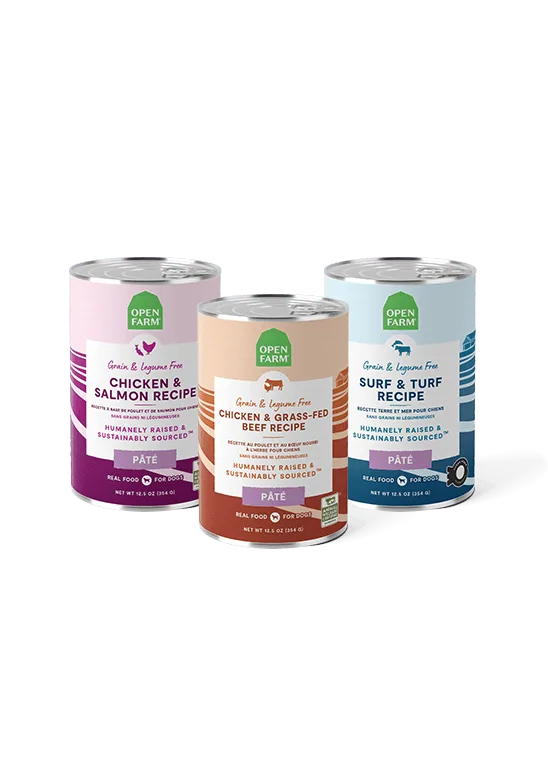
Pâté Variety Pack for Dogs
Store fish oil in the refrigerator after opening to maintain freshness. Discard any oil that smells rancid or has changed color. Rotate between different types of fish oil (e.g., salmon one month, sardine the next) to provide a broader spectrum of nutrients. Remember, fish oil is a supplement, not a replacement for a balanced diet. Always ensure your cat's primary food meets AAFCO nutritional standards.
- Use a glass or stainless steel bowl to avoid plastic absorbing the fishy smell.
- Never heat fish oil; it oxidizes quickly and loses benefits.
- Pair with a probiotic to support digestion if your cat has a sensitive stomach.
Adding fish oil to your cat's diet is one of the simplest and most effective ways to promote a glossy coat, soothe dry skin, and support overall wellness. Start with a high-quality, pure salmon oil from a trusted brand like Open Farm, and follow the gradual introduction tips outlined above. For a complete skin and coat support routine, pair the oil with a balanced diet featuring nutrient-rich recipes such as the Goodbowl Wild-Caught Salmon & Brown Rice Dog Kibble (a great option for multi-pet households). Your cat will thank you with a softer, shinier, and healthier-looking coat.