Feeding your puppy a raw diet can be a rewarding choice that supports their growth, coat health, and energy levels. But getting the balance right is crucial—puppies have very different nutritional needs compared to adult dogs. A poorly planned raw diet can lead to deficiencies or excesses that affect bone development, organ function, and overall vitality. In this guide, we'll walk you through the essential nutrients, ideal ratios, and safety precautions to help you build a complete and balanced raw diet for your growing pup.
Whether you're new to raw feeding or looking to refine your puppy's meal plan, understanding the fundamentals of raw puppy nutrition is the first step. From calcium-to-phosphorus ratios to the role of organ meats, we'll cover everything you need to know to feed with confidence. Plus, we'll highlight some convenient options from Open Farm that make raw feeding easier without compromising on quality.
Why Raw Feeding for Puppies Requires Extra Care
Puppies grow rapidly during their first year, and their bones, muscles, and immune system are still developing. Unlike adult dogs, puppies need precise amounts of protein, fat, calcium, and phosphorus to support healthy growth without putting stress on their developing joints. A raw diet that is not properly balanced can lead to skeletal abnormalities, growth spurts, or nutritional deficiencies. That's why it's essential to either follow a veterinarian-formulated raw recipe or choose a commercially prepared raw food that meets AAFCO standards for growth.
Many pet parents are drawn to raw feeding because it mimics a dog's ancestral diet and often includes whole, unprocessed ingredients. However, puppies require more careful management of their calcium intake—too much or too little can interfere with bone development. Commercial raw diets, like those offered by Open Farm, take the guesswork out of balancing nutrients. For example, the Goodbowl Turkey & Salmon Freshly Crafted Roll for Dogs provides a gently cooked option that includes muscle meat, organs, and bone, ensuring your puppy gets the right ratios without you having to calculate them yourself.
- Always consult your veterinarian before starting a raw diet, especially for puppies under 6 months.
- Look for raw foods labeled "complete and balanced" for growth or all life stages.
- Avoid homemade raw diets without professional guidance—they often lack essential nutrients.
Key Nutrients for Puppy Raw Diets
A balanced raw diet for puppies must include high-quality animal protein, healthy fats, vitamins, and minerals. Protein supports muscle development, while fats provide energy and aid in brain development. Organ meats like liver and kidney are rich in vitamin A, iron, and B vitamins. However, too much liver can cause vitamin A toxicity, so moderation is key. Calcium and phosphorus are critical for bone growth—the ideal ratio is about 1.2:1 to 1.5:1 calcium to phosphorus. This is often achieved by including ground bone or a bone meal supplement in the diet.
Omega-3 fatty acids from fish or flaxseed support brain and eye development, as well as a healthy coat. Puppies also need taurine (especially for certain breeds), zinc for skin health, and vitamin D for calcium absorption. Commercial raw diets often include these nutrients in precise amounts. For instance, the Goodbowl Wild-Caught Salmon & Brown Rice Dog Kibble is a gently cooked option that provides omega-3s from wild-caught salmon, along with balanced minerals. It's a great way to add variety to your puppy's diet while ensuring they get the nutrients they need.
- Include a variety of protein sources (chicken, beef, turkey, fish) to ensure a broad amino acid profile.
- Rotate organ meats—use liver once a week and kidney or spleen on other days.
- Consider adding a fish oil supplement for extra omega-3s if your puppy isn't eating fish regularly.
Recommended Ratios for Puppy Raw Meals
A common guideline for raw feeding is the 80/10/10 ratio: 80% muscle meat, 10% bone, and 10% organ meat (with half of that being liver). For puppies, some experts recommend adjusting this to include slightly more bone (around 12-15%) to ensure adequate calcium for rapid growth. However, this can vary by breed and individual needs. Smaller breeds may need less bone, while large breeds may require careful calcium management to prevent developmental orthopedic diseases.
Another approach is the Prey Model Raw (PMR) diet, which mimics whole prey and includes meat, bone, organs, and fur/feathers. This is more complex and often requires supplementation. For most pet parents, a simpler method is to use a pre-made raw or gently cooked food that already follows these ratios. Open Farm's Goodbowl Harvest Chicken Freshly Crafted Recipe is a great example—it combines chicken, vegetables, and superfoods in a balanced formula that's suitable for puppies. It takes the guesswork out of ratios while providing whole-food nutrition.
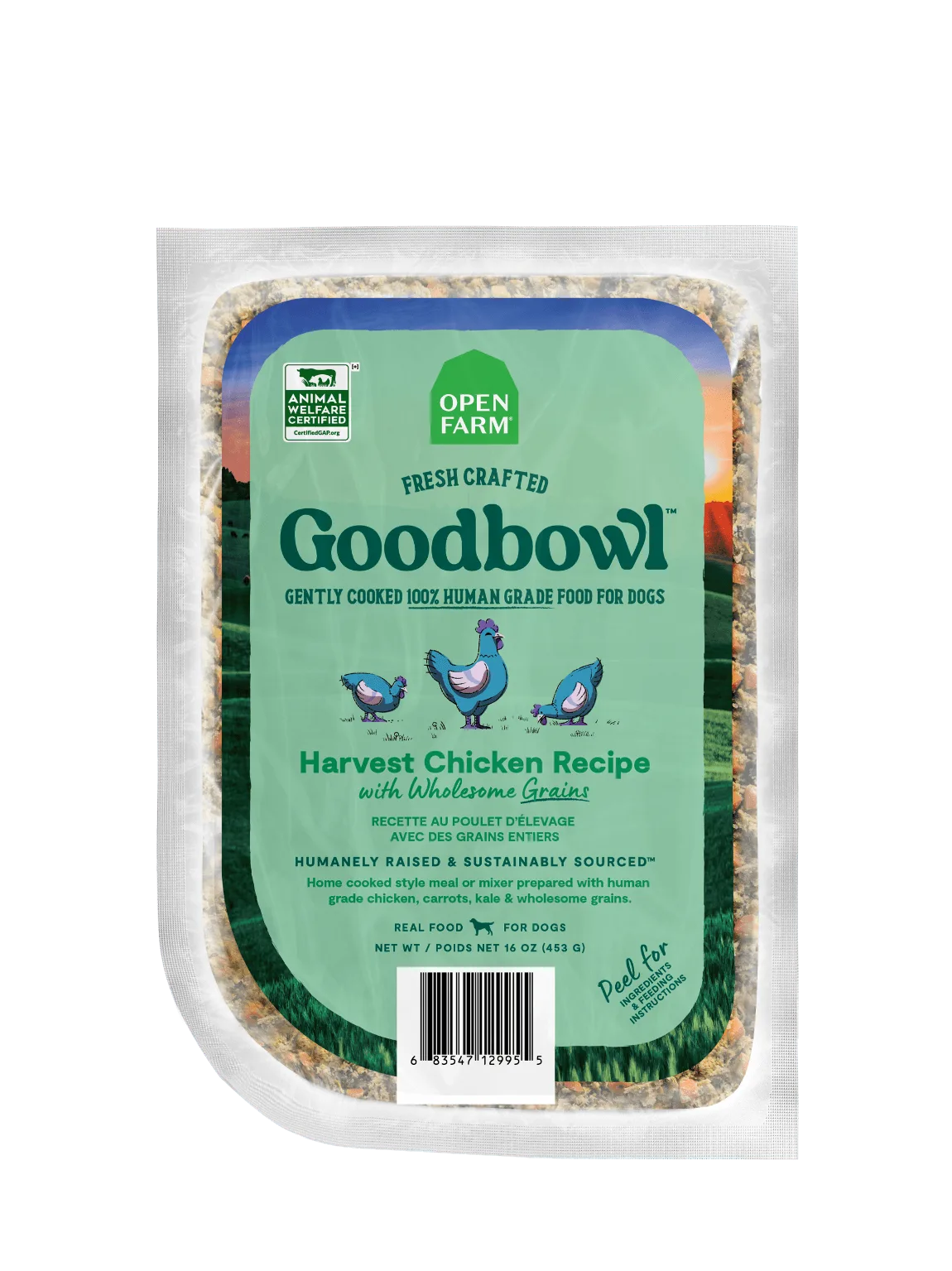
Goodbowl Harvest Chicken Freshly Crafted Recipe
- Start with a 80/10/10 ratio and adjust based on your puppy's stool consistency and growth rate.
- Monitor your puppy's body condition score—ribs should be easily felt but not visible.
- Weigh your puppy weekly and adjust portion sizes as they grow.
Safety Tips for Feeding Raw to Puppies
Raw feeding requires careful handling to prevent bacterial contamination. Always thaw raw food in the refrigerator, not on the counter. Use separate cutting boards and utensils for raw meat, and wash your hands thoroughly after handling. Puppies have developing immune systems, so it's especially important to source high-quality, human-grade raw ingredients from reputable brands. Avoid raw meat from unknown sources or that has been sitting out for too long.
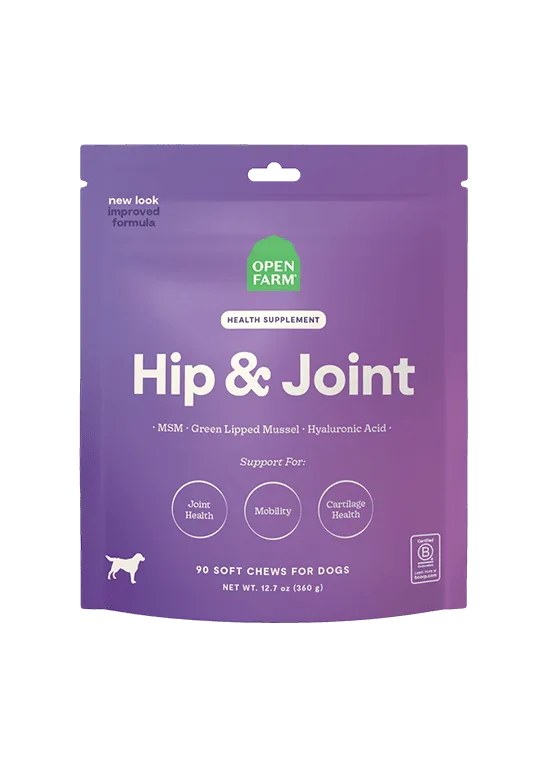
Another safety consideration is the risk of choking or intestinal blockage from large pieces of bone. Always feed ground bone or bone that is soft and edible (like chicken necks or wings) under supervision. Never feed cooked bones, as they can splinter. If you're using a commercial raw diet, follow the storage and feeding instructions carefully. Open Farm's raw and gently cooked products are made with humanely raised, antibiotic-free meats and are tested for pathogens, giving you peace of mind. For added safety, you can also incorporate supplements like the Hip & Joint Health Supplement Chews for Dogs to support joint health as your puppy grows.
- Keep raw food frozen until ready to use and thaw only what you need for 24 hours.
- Clean your puppy's feeding bowl and area after every meal.
- Introduce new proteins gradually to avoid digestive upset.
Building a balanced raw diet for your puppy doesn't have to be overwhelming. By focusing on key nutrients, proper ratios, and safety practices, you can provide a nourishing foundation for your pup's growth and vitality. For a convenient and trustworthy option, explore Open Farm's range of gently cooked and raw recipes designed for all life stages. Start your puppy's raw feeding journey with confidence by checking out the Goodbowl Harvest Chicken Freshly Crafted Recipe—a balanced, whole-food choice that your puppy will love.