Training your dog is one of the most rewarding experiences you can share, and the right treats can make all the difference. Whether you're teaching a new puppy to sit or reinforcing good behavior in an adult dog, the treats you choose influence motivation, focus, and overall health. But with so many options on the market, how do you pick the best dog treats for training? The answer lies in understanding three key factors: texture, size, and nutrition.
In this guide, we'll explore why these elements matter and how they can improve your training sessions. You'll learn how to match treat texture to your dog's chewing style, choose the perfect size for quick rewards, and select nutritious options that support long-term health. By the end, you'll have a clear strategy for finding training treats for dogs that are both effective and wholesome.
Why Texture Matters in Training Treats
The texture of a treat can dramatically affect how your dog responds during training. Soft, chewy treats are ideal for quick rewards because they can be consumed in seconds, allowing you to maintain momentum. Hard or crunchy treats, on the other hand, may require more chewing time, which can break focus. For most training situations, a soft texture is the winner—it's easy to break into tiny pieces and won't distract your dog for long.
Consider your dog's preferences and dental health. Puppies and senior dogs often prefer softer textures, while some adult dogs enjoy a bit of crunch. A product like the Salmon Topper for Dogs offers a soft, flavorful option that can be used as a training reward or meal enhancer. Always test a small piece first to ensure your dog enjoys the texture and can handle it comfortably.
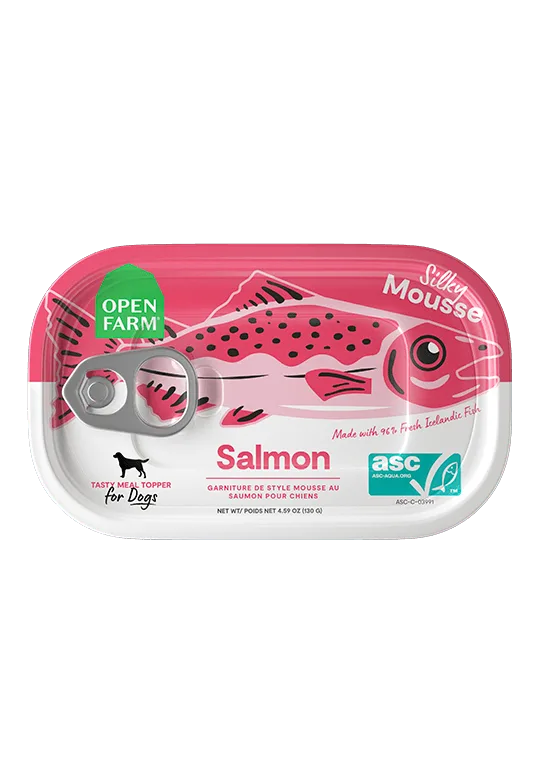
Salmon Topper for Dogs
- Soft treats are best for high-intensity training sessions where speed matters.
- Crunchy treats can work for slower, reward-based exercises like settling on a mat.
- Observe your dog's chewing behavior to determine their preferred texture.
The Ideal Size for Training Treats
Size is crucial when selecting training treats for dogs. A treat that's too large can fill your dog up quickly, reducing their motivation or leading to overfeeding. The perfect training treat should be small—about the size of a pea or a blueberry. This allows you to give multiple rewards without exceeding your dog's daily calorie intake. Many pet parents cut larger treats into smaller pieces, but pre-made tiny treats save time and ensure consistency.
For example, the Homestead Turkey Pâté for Cats is a soft, spreadable option that can be used in tiny dollops for training, though it's designed for cats. For dogs, look for treats that are naturally small or easy to break. The key is to keep each reward low in calories but high in appeal. Remember, the goal is to reinforce behavior, not provide a full meal.
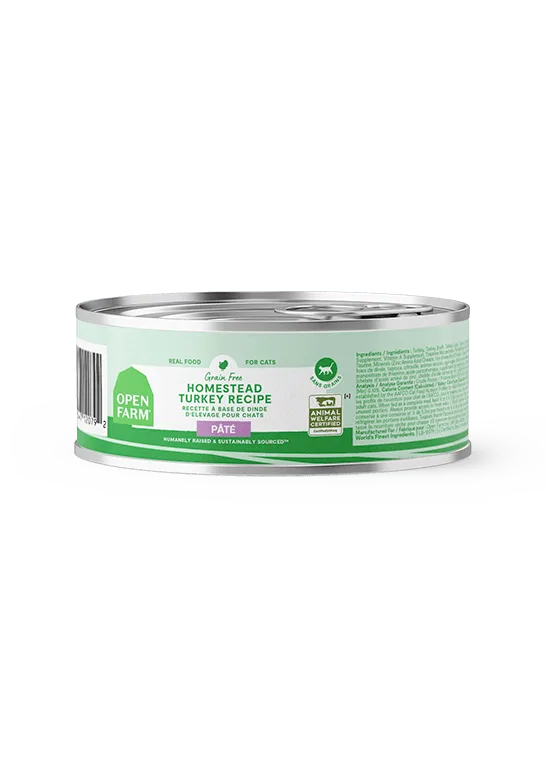
Homestead Turkey Pâté for Cats
- Aim for treats that are 3-5 calories each to avoid overfeeding.
- Use a treat pouch to keep small pieces handy during walks or training sessions.
- If using larger treats, cut them into uniform pieces to maintain control.
Nutritional Considerations for Healthy Dog Treats
Not all treats are created equal when it comes to nutrition. The best dog treats for training should be made with high-quality ingredients that support your dog's overall health. Look for treats with real meat or fish as the first ingredient, minimal fillers, and no artificial preservatives or colors. Healthy dog treats can also provide added benefits like joint support or digestive health, especially if your dog has specific needs.
For instance, the Senior Support Bundle includes supplements that can be paired with training treats to address joint health in older dogs. While not a treat itself, it highlights how nutrition plays a role in your dog's well-being during training. Always check the ingredient list and avoid treats with excessive sugar or salt. A balanced approach ensures your dog stays motivated and healthy.
- Choose treats with named protein sources like chicken, beef, or salmon.
- Avoid treats with artificial flavors, colors, or by-products.
- Consider treats that offer functional benefits, such as dental health or omega-3s.
Matching Treat Texture to Training Goals
Different training scenarios call for different treat textures. For high-energy activities like recall or agility, a soft, high-value treat works best because it can be consumed quickly and keeps your dog focused. For calm behaviors like 'stay' or 'down,' a slightly crunchier treat can provide a satisfying reward that extends the moment. Experiment with textures to see what your dog responds to most eagerly.
A product like the Goodbowl Harvest Chicken Freshly Crafted Recipe offers a fresh, soft texture that can be used as a training reward when broken into small pieces. Its real chicken recipe is both nutritious and appealing. Remember, variety keeps training interesting—rotate between textures to maintain your dog's excitement and prevent boredom.
- Use soft treats for fast-paced exercises to maintain momentum.
- Use semi-moist or crunchy treats for stationary behaviors to extend reward time.
- Rotate treat textures weekly to keep your dog engaged.
How to Incorporate Treats into a Balanced Diet
Training treats should never exceed 10% of your dog's daily calorie intake. The remaining 90% should come from a complete and balanced diet. When choosing healthy dog treats, factor in their nutritional profile and adjust meal portions accordingly. If your dog is on a weight management plan, opt for low-calorie treats or use a portion of their regular kibble as rewards.
For dogs with specific dietary needs, consider treats that complement their main food. The RawMix Open Prairie Grain-Free Cat Kibble is designed for cats, but for dogs, look for grain-free or limited-ingredient options if they have sensitivities. Always consult your veterinarian before introducing new treats, especially if your dog has health conditions.
- Track treat calories using a food journal or app.
- Use meal-time kibble as training treats for calorie control.
- Choose treats with functional ingredients like glucosamine or probiotics.
Choosing the best dog treats for training doesn't have to be complicated. By focusing on texture, size, and nutrition, you can find treats that keep your dog motivated, healthy, and happy. Start with small, soft, and nutritious options, and adjust based on your dog's preferences and training goals. For a versatile and wholesome option, explore the Salmon Topper for Dogs—it's a soft, flavorful choice that works perfectly for training rewards.